
After childbirth, miscarriage, or an abortion, pregnancy tissue is usually expelled from the uterus naturally. However, in some cases, a small amount of placental, fetal, or pregnancy-related tissue remains behind. This is known as retained products of conception (RPOC). Although it can sound concerning, timely diagnosis and appropriate RPOC treatment help prevent complications and support recovery. Symptoms may range from persistent bleeding and pelvic pain to fever or abnormal vaginal discharge, while some women experience only mild signs. This article explains what RPOC is, why it occurs, its symptoms, diagnosis, treatment options, recovery, and whether it can affect future fertility.

Retained products of conception refer to pregnancy tissue that remains inside the uterus after:
The retained tissue may include placental tissue, fetal tissue, or decidual tissue (the pregnancy lining of the uterus).
Some bleeding after pregnancy is normal, but bleeding that is unusually heavy, prolonged, or accompanied by pain or fever may indicate RPOC and requires medical evaluation.
RPOC usually develops when pregnancy tissue is not completely expelled from the uterus. Possible causes include:
Some conditions which put a woman at higher risk of having RPOC include:
However, RPOC can also occur in women with no known risk factors.

These may differ, depending on the extent of the tissue and presence of infection. Typical symptoms are:
Important: For some women, these are mild symptoms, while others may experience excessive bleeding and infection requiring immediate medical help.
This question arises in many women: is RPOC dangerous? It might become dangerous if left untreated, but it is usually quite treatable. Possible complications are:
While RPOC is dangerous, a prompt diagnosis and treatment will help you recover fully.
Doctors diagnose RPOC by combining your symptoms, examination findings, and imaging.
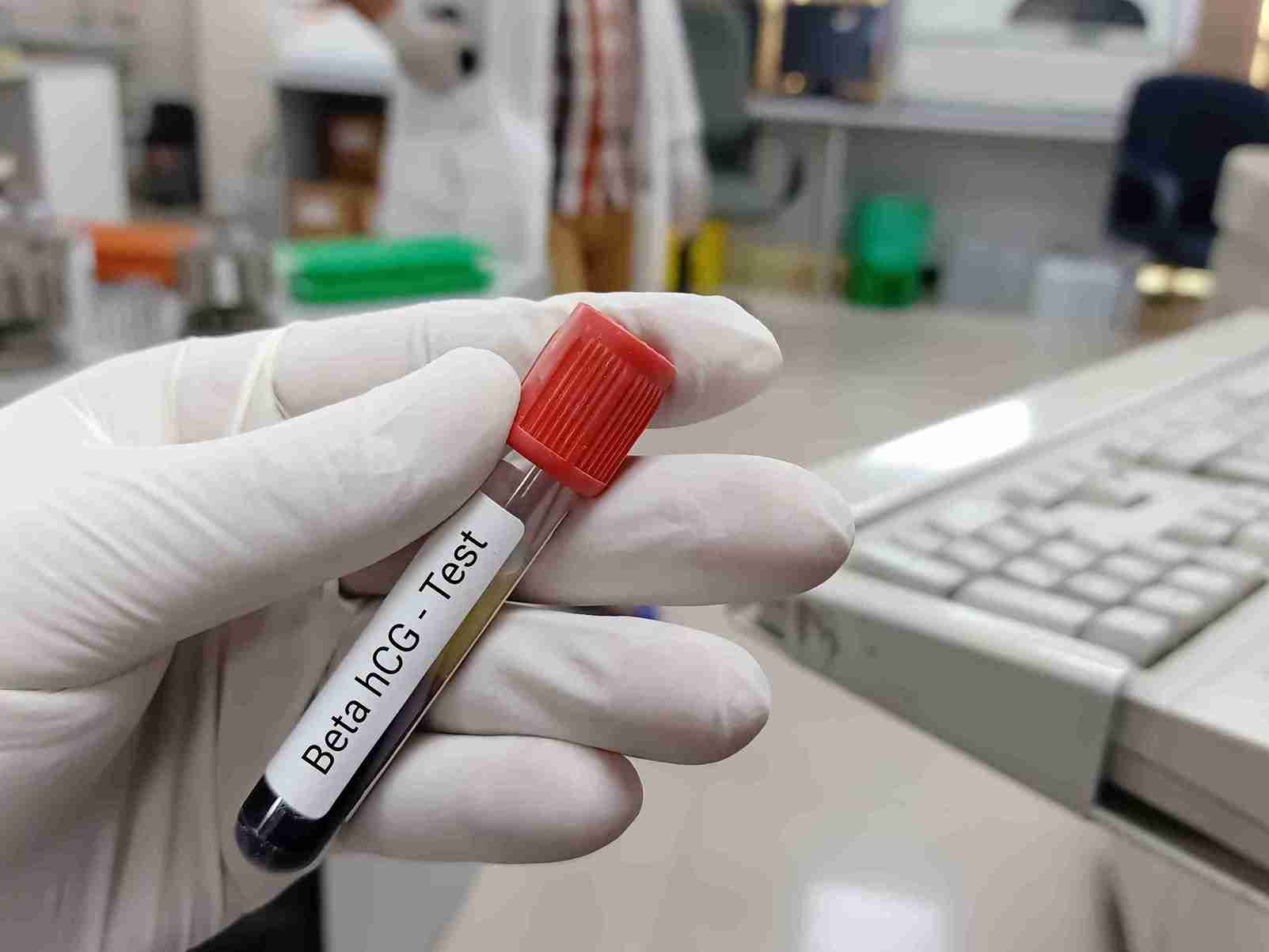
Investigations may include:
No single test confirms RPOC on its own; the diagnosis is based on the overall clinical pictures
The most appropriate RPOC treatment depends on the amount of retained tissue, the severity of bleeding, the presence of infection, and future fertility plans.
Small amounts of retained tissue may pass naturally with close medical monitoring in carefully selected cases.
Medicines may be used to help the uterus contract and expel retained tissue. Antibiotics are prescribed if infection is suspected or confirmed. These approaches form part of RPOCs treatment when appropriate.
If bleeding is heavy, tissue persists, or infection develops, surgery may be recommended. Options include:
The choice of RPOC treatment is individualised and depends on your symptoms, ultrasound findings, and overall health.
If left untreated, RPOC can result in the following complications:
The above complications are primarily related to RPOC being untreated rather than receiving proper medical care.

Most women recover completely and go on to have healthy pregnancies. Future fertility depends on factors such as:
Attending follow-up appointments before trying to conceive again helps ensure the uterus has healed properly.
Contact your doctor immediately if you experience:
At Cloudnine, experienced obstetricians and gynaecologists provide prompt evaluation for women with persistent bleeding or suspected RPOC using advanced ultrasound, laboratory investigations, and personalised treatment plans. Whether careful monitoring, medication, or minimally invasive procedures are needed, the focus is on ensuring a safe recovery while protecting future reproductive health.

Retained products of conception are a treatable complication that may occur after childbirth, miscarriage, or abortion. While persistent bleeding or pelvic pain should never be ignored, early diagnosis and appropriate treatment help prevent serious complications. With timely medical care and follow-up, most women recover well and can look forward to healthy future pregnancies.
Want to consult the Best Gynecologists in India? Please find the links below.
Want to consult the Best Maternity Packages in India? Please find the links below.

In some mild cases, small amounts of retained tissue may pass naturally, but close medical follow-up is essential.
It varies depending on the amount of retained tissue and the treatment needed. Persistent symptoms should be assessed by a doctor.
Not always. Some retained tissue may remain despite menstrual bleeding and require medical treatment.
Yes. Some women have minimal bleeding and may instead experience pelvic pain, abnormal discharge, or no obvious symptoms initially.







 Best Gynecologists in Bellandur Best Gynecologists in Electronic City Best Gynecologists in HRBR LayoutBest Gynecologists in Jayanagar Best Gynecologists in Kanakapura RoadBest Gynecologists in Malleswaram Best Gynecologists in Nagarbhavi Best Gynecologists in Old Airport RoadBest Gynecologists in Sahakarnagar Best Gynecologists in Sarjapur RoadBest Gynecologists in ThanisandraBest Gynecologists in Varthur RoadBest Gynecologists in Whitefield Best Gynecologists in Industrial Area Phase IIBest Gynecologists in OMRBest Gynecologists in T NagarBest Gynecologists in New Industrial TownBest Gynecologists in IndirapuramBest Gynecologists in Golf Course RoadBest Gynecologists in Sector 14Best Gynecologists in Sector 47Best Gynecologists in Banjara HillsBest Gynecologists in GachibowliBest Gynecologists in Hitech CityBest Gynecologists in KompallyBest Gynecologists in Gomti NagarBest Gynecologists in MaladBest Gynecologists in NerulBest Gynecologists in VashiBest Gynecologists in Kailash ColonyBest Gynecologists in PatparganjBest Gynecologists in Punjabi BaghBest Gynecologists in VikaspuriBest Gynecologists in Gaur CityBest Gynecologists in Pari ChowkBest Gynecologists in Sector 51Best Gynecologists in Sector 5 Swastik ViharBest Gynecologists in Kalyani NagarBest Gynecologists in SB RoadBest Gynecologists in Pimple SaudagarBest Pediatricians in BellandurBest Pediatricians in Electronic CityBest Pediatricians in HRBR LayoutBest Pediatricians in JayanagarBest Pediatricians in Kanakapura RoadBest Pediatricians in MalleswaramBest Pediatricians in NagarbhaviBest Pediatricians in Old Airport RoadBest Pediatricians in SahakarnagarBest Pediatricians in Sarjapur RoadBest Pediatricians in ThanisandraBest Pediatricians in Varthur RoadBest Pediatricians in WhitefieldBest Pediatricians in Industrial Area Phase IIBest Pediatricians in OMRBest Pediatricians in T NagarBest Pediatricians in New Industrial TownshipBest Pediatricians in IndirapuramBest Pediatricians in Golf Course RoadBest Pediatricians in Sector 14Best Pediatricians in Sector 47Best Pediatricians in Hitech CityBest Pediatricians in Banjara HillsBest Pediatricians in GachibowliBest Pediatricians in KompallyBest Pediatricians in Gomti NagarBest Pediatricians in MaladBest Pediatricians in NerulBest Pediatricians in VashiBest Pediatricians in Kailash ColonyBest Pediatricians in PatparganjBest Pediatricians in Punjabi BaghBest Pediatricians in VikaspuriBest Pediatricians in Gaur CityBest Pediatricians in Pari ChowkBest Pediatricians in Sector 51Best Pediatricians in Sector 5 Swastik ViharBest Pediatricians in Kalyani NagarBest Pediatricians in SB RoadBest Pediatricians in Pimple Saudagar


