
One more story. One last drink of water. A favourite toy that has mysteriously vanished just before lights out. And somehow, a ten-minute pre-bedtime routine can turn into half an hour. The good news is that children usually settle more easily when evenings follow a familiar pattern. A bath, pyjamas, a story, and lights out at roughly the same time each night give them clear signals that the day is ending. The routine doesn't need to be elaborate. What matters most is consistency: a few simple steps repeated evening after evening.
In this article, let's explore how to build a children's bedtime routine, choose an appropriate bedtime and create healthy sleep habits that help school-going children wake up feeling refreshed and ready for the day.

Children need predictability. Doing the same calming activities each evening helps them recognise when it's time to relax and prepare for sleep. A regular bedtime routine also supports a more consistent sleep schedule, making it easier for children to fall asleep and wake up at similar times each day. Over time, this can benefit mood, attention, behaviour and learning during the day.
The goal isn't to create a perfect routine but to establish one that is simple, realistic and easy for the whole family to follow.
Rather than choosing the same bedtime for every child, it's more helpful to work backwards from the time your child needs to wake up for school. School-going children generally need enough time to achieve the recommended amount of sleep for their age, while also allowing time to fall asleep naturally.
Remember that bedtime is the time your child is expected to fall asleep, not the time they begin getting ready for bed. If your bedtime routine usually takes around 30 minutes, it should begin before the planned bedtime. Keeping bedtime and wake-up times reasonably consistent throughout the week, including weekends where possible, helps support a healthy sleep schedule for kids and makes it easier for them to settle at night.
A sleep routine for school-going children works best when the same calming activities are done in roughly the same order each evening. The routine doesn't have to be long; keeping the routine familiar each evening is more important than making it complex.
A typical bedtime routine may include:
A Sample Bedtime Routine
Every family is different, and routines may vary. The important thing is to structure the activities so that children learn to recognise when it's time to sleep.
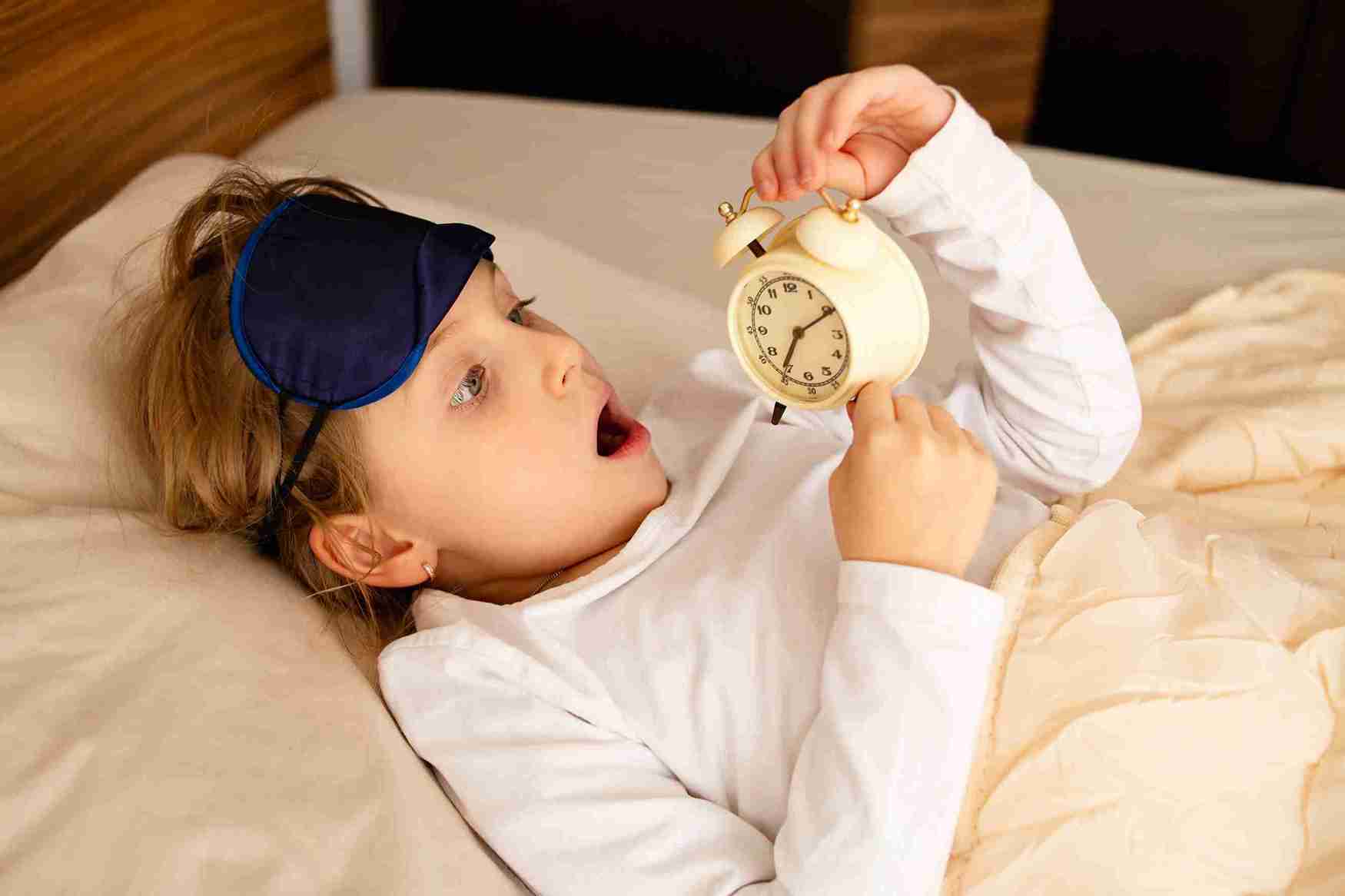
Electronic devices have become part of everyday life, but using them close to bedtime can make it harder for children to settle for sleep. Screens not only expose children to bright lights, but the games, videos and messages they engage with may also keep their minds active when they should be winding down. The blue light emitted by screens can affect children’s natural sleep signals, making it harder for them to wind down before bedtime.
Aim to keep the last hour before bedtime free from televisions, mobile phones, tablets and other electronic devices. Instead, encourage quiet activities such as reading, colouring or talking about the day. Keeping screens out of the bedroom can also help reduce distractions once it's time to sleep.
Some children find it difficult to settle at bedtime, even after the routine is complete. They may continue talking, leave their room repeatedly or look for reasons to stay awake a little longer. These behaviours are common. Responding calmly and following the same approach every time helps children understand what is expected and makes bedtime easier for everyone.
Some simple strategies can help, such as:
It is normal for children to wake briefly during the night. Many settle themselves and return to sleep without needing any help. If your child wakes and calls you, keep the interactions calm and brief. Usually, a bit of gentle reassurance is all that is needed before encouraging them to return to sleep.
Avoid introducing stimulating activities, bright lights or screen time, as these can make it harder for your child to fall asleep again.
Most children take time to adjust to a new bedtime routine, so improvements may not happen overnight. However, if sleep difficulties continue despite following a consistent routine for several weeks, additional support may be needed.
Consider speaking with a paediatrician if your child:
A medical assessment can help identify whether an underlying health, behavioural or emotional concern is affecting your child's sleep.

A good night's sleep isn't achieved with a single perfect bedtime; it develops from simple habits that children can rely on every evening. A predictable evening routine, an age-appropriate bedtime and a comfortable sleep environment all help children get the rest they need to learn, play and grow.
If bedtime remains challenging despite consistent routines, or if you have concerns about your child's sleep quality, speak with a paediatrician. Identifying and addressing any underlying issues early can help children develop healthier sleep habits and improve their overall wellbeing.


A good bedtime routine is calm, predictable and easy to follow. It may include brushing teeth, changing into pyjamas, reading a story or having a quiet conversation before lights out. The exact activities can vary from family to family, but following the same routine each night helps children recognise that it's time to sleep.
Most children wake briefly during the night and return to sleep on their own. If your child wakes and needs reassurance, keep interactions calm and brief before encouraging them to settle back to sleep. A predictable bedtime routine and a comfortable sleep environment can also support better night-time sleep.
Rather than choosing a fixed bedtime, work backwards from your child's usual wake-up time for school. School-going children should have enough opportunity to achieve the recommended amount of sleep for their age, while also allowing time to fall asleep naturally. Remember that bedtime refers to when your child is expected to be asleep, not when the bedtime routine begins.
Using phones, tablets, televisions, or other electronic devices close to bedtime can make it more difficult for children to relax and fall asleep. Keeping the last hour before bedtime screen-free and replacing screen use with quiet activities can help children wind down more easily.







 Best Gynecologists in Bellandur Best Gynecologists in Electronic City Best Gynecologists in HRBR LayoutBest Gynecologists in Jayanagar Best Gynecologists in Kanakapura RoadBest Gynecologists in Malleswaram Best Gynecologists in Nagarbhavi Best Gynecologists in Old Airport RoadBest Gynecologists in Sahakarnagar Best Gynecologists in Sarjapur RoadBest Gynecologists in ThanisandraBest Gynecologists in Varthur RoadBest Gynecologists in Whitefield Best Gynecologists in Industrial Area Phase IIBest Gynecologists in OMRBest Gynecologists in T NagarBest Gynecologists in New Industrial TownBest Gynecologists in IndirapuramBest Gynecologists in Golf Course RoadBest Gynecologists in Sector 14Best Gynecologists in Sector 47Best Gynecologists in Banjara HillsBest Gynecologists in GachibowliBest Gynecologists in Hitech CityBest Gynecologists in KompallyBest Gynecologists in Gomti NagarBest Gynecologists in MaladBest Gynecologists in NerulBest Gynecologists in VashiBest Gynecologists in Kailash ColonyBest Gynecologists in PatparganjBest Gynecologists in Punjabi BaghBest Gynecologists in VikaspuriBest Gynecologists in Gaur CityBest Gynecologists in Pari ChowkBest Gynecologists in Sector 51Best Gynecologists in Sector 5 Swastik ViharBest Gynecologists in Kalyani NagarBest Gynecologists in SB RoadBest Gynecologists in Pimple SaudagarBest Pediatricians in BellandurBest Pediatricians in Electronic CityBest Pediatricians in HRBR LayoutBest Pediatricians in JayanagarBest Pediatricians in Kanakapura RoadBest Pediatricians in MalleswaramBest Pediatricians in NagarbhaviBest Pediatricians in Old Airport RoadBest Pediatricians in SahakarnagarBest Pediatricians in Sarjapur RoadBest Pediatricians in ThanisandraBest Pediatricians in Varthur RoadBest Pediatricians in WhitefieldBest Pediatricians in Industrial Area Phase IIBest Pediatricians in OMRBest Pediatricians in T NagarBest Pediatricians in New Industrial TownshipBest Pediatricians in IndirapuramBest Pediatricians in Golf Course RoadBest Pediatricians in Sector 14Best Pediatricians in Sector 47Best Pediatricians in Hitech CityBest Pediatricians in Banjara HillsBest Pediatricians in GachibowliBest Pediatricians in KompallyBest Pediatricians in Gomti NagarBest Pediatricians in MaladBest Pediatricians in NerulBest Pediatricians in VashiBest Pediatricians in Kailash ColonyBest Pediatricians in PatparganjBest Pediatricians in Punjabi BaghBest Pediatricians in VikaspuriBest Pediatricians in Gaur CityBest Pediatricians in Pari ChowkBest Pediatricians in Sector 51Best Pediatricians in Sector 5 Swastik ViharBest Pediatricians in Kalyani NagarBest Pediatricians in SB RoadBest Pediatricians in Pimple Saudagar


