Pregnancy comes with a long list of food questions. One day it is about papaya; the next, it is about brinjal, especially when someone says that certain vegetables are “too hot” or should be avoided during pregnancy. Such advice can make everyday food feel unnecessarily worrying.
So if you wonder, can we eat brinjal during pregnancy? Yes. Brinjal, also called eggplant or aubergine, can generally be included in a pregnancy diet when it is fresh, washed properly and cooked well. Like any other food, it should be eaten as part of a varied, balanced diet, with individual dietary needs taken into account.

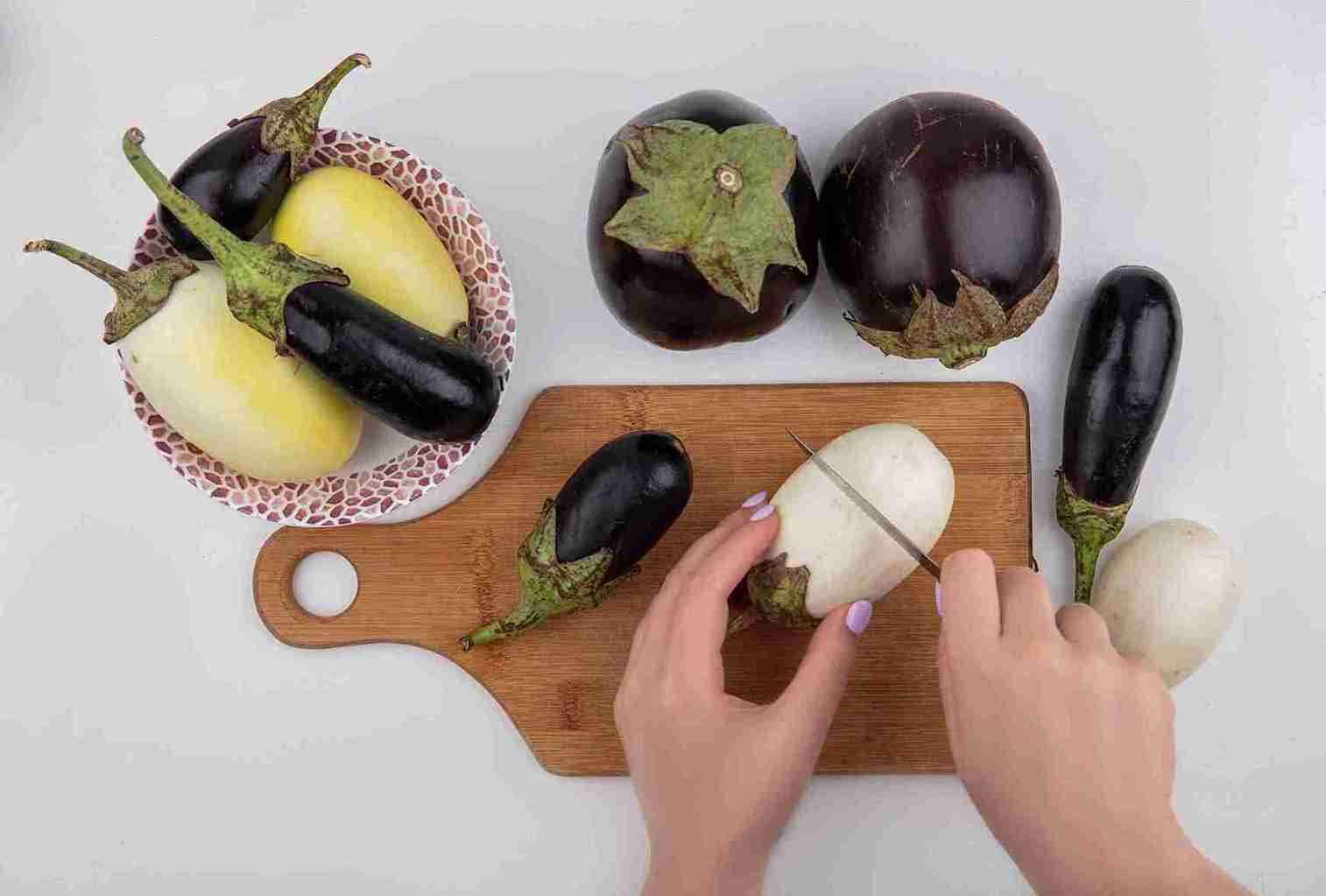
Yes, brinjal can generally be eaten during pregnancy. It is a commonly consumed vegetable and provides dietary fibre, folate, potassium and naturally occurring plant compounds. There is no general medical recommendation to avoid brinjal simply because you are pregnant. What matters more is how it is prepared, food hygiene and your overall diet.
Brinjal can be roasted, cooked into sabzi or bharta, added to curries or prepared in other ways that suit your diet. Portion size can vary according to your appetite, nutritional needs and any pregnancy-related condition such as gestational diabetes.
Yes, brinjal does not need to be routinely excluded during the first trimester; there is no established reason for most women to stop eating it solely because they are in early pregnancy.
The first trimester is an important period for adequate nutrition, so focus on eating a variety of vegetables, fruits, whole grains, protein sources and healthy fats. Proper washing and thorough cooking are particularly important during pregnancy.
If brinjal makes you feel bloated, nauseous or uncomfortable, you can reduce the portion, change the preparation method or choose another vegetable that you tolerate better.
Brinjal can be part of a balanced diet while trying to conceive. There is no need to remove individual vegetables without a medical reason. A healthy preconception diet should include a variety of vegetables and fruits, whole grains, pulses, dairy or other suitable protein sources, nuts, seeds and healthy fats. Brinjal can contribute fibre and micronutrients within this broader diet.
Folic acid supplementation is also important when planning a pregnancy. WHO recommends starting folic acid as early as possible, ideally before conception, to help prevent neural tube defects. Follow the dose recommended by your healthcare provider.
Brinjal can contribute useful nutrients to a balanced pregnancy diet. Here are some key benefits:
Brinjal has dietary fibre, which helps to support healthy digestion and bowel movements. Adequate intake of dietary fibre, fluid and physical activity can also help manage constipation during pregnancy.
Brinjal is a rich source of folate, a vitamin B9 responsible for cell division and normal fetal growth. However, eating brinjal does not replace the folic acid supplement recommended during pregnancy.
Eggplant contains naturally occurring plant compounds with antioxidant properties. Eating a variety of vegetables provides different types of these beneficial compounds.
Brinjal provides potassium and smaller amounts of other vitamins and minerals. Its nutritional contribution depends on the quantity eaten and how it is prepared.

For most women, brinjal is well tolerated. However, individual reactions can vary.
There is also no established medical basis for the general belief that eating normal portions of brinjal causes miscarriage. Miscarriage can have many medical causes, and a commonly eaten vegetable should not automatically be blamed.
A few simple food-safety habits can make brinjal a safe addition to your meals:
The preparation method can make a difference to the overall nutritional quality of the meal.
Myth: Brinjal causes miscarriage.
Fact: There is no proven evidence that consuming normal portions of brinjal causes miscarriage. Avoiding it solely because of this misconception is not necessary.
Myth: Brinjal should never be eaten in the first trimester.
Fact: Pregnancy itself is not a reason to completely eliminate brinjal. Proper washing, cooking and a varied diet are more important.
Myth: Brinjal should be avoided while trying to conceive.
Fact: Brinjal can generally be included in a balanced preconception diet unless you have an individual reason to avoid it.
You may need to avoid or limit brinjal if you have a known allergy or consistently experience significant digestive discomfort after eating it. You may also need personalised dietary advice if your obstetrician or dietitian has recommended specific changes because of a medical condition. If oily, spicy brinjal dishes worsen nausea, acidity or indigestion, choosing a simpler preparation may be more comfortable.
Pregnancy nutrition is not about following a long list of foods to avoid. At Cloudnine, obstetricians and nutritionists can help women understand what is appropriate for their individual stage of pregnancy, health needs and dietary preferences.
If you have questions about everyday foods, supplements or dietary changes related to conditions such as gestational diabetes, personalised guidance can help you make informed choices.
Brinjal can generally be included in a pregnancy diet when it is fresh, thoroughly washed and properly cooked. Focus on a varied diet, good food hygiene and the nutritional requirements recommended by your healthcare provider. If you have an allergy, persistent digestive symptoms or a pregnancy-related medical condition requiring dietary changes, seek personalised advice.

Want to consult the Best Gynecologists in India? Please find the links below.
Want to consult the Best Maternity Packages in India? Please find the links below.

People with a known brinjal or eggplant allergy should avoid it. It is also advisable to cut off the consumption of brinjal in case you experience severe indigestion every time you consume it or if your doctor has advised a specific dietary restriction during pregnancy.
Yes. Brinjal can generally be included in a balanced post-delivery diet if you tolerate it well. It provides fibre and other nutrients and can be prepared in several ways. Your dietary needs after delivery may vary depending on breastfeeding, recovery and any medical conditions
Roasting, steaming, baking or lightly cooking brinjal are good options. Brinjal bharta can also be suitable when prepared hygienically and with moderate oil. Deep-fried preparations are best limited.
Brinjal itself is not generally considered harmful to the baby when eaten as part of a balanced diet. The more important considerations are proper washing, thorough cooking and individual allergies or food intolerances.







 Best Gynecologists in Bellandur Best Gynecologists in Electronic City Best Gynecologists in HRBR LayoutBest Gynecologists in Jayanagar Best Gynecologists in Kanakapura RoadBest Gynecologists in Malleswaram Best Gynecologists in Nagarbhavi Best Gynecologists in Old Airport RoadBest Gynecologists in Sahakarnagar Best Gynecologists in Sarjapur RoadBest Gynecologists in ThanisandraBest Gynecologists in Varthur RoadBest Gynecologists in Whitefield Best Gynecologists in Industrial Area Phase IIBest Gynecologists in OMRBest Gynecologists in T NagarBest Gynecologists in New Industrial TownBest Gynecologists in IndirapuramBest Gynecologists in Golf Course RoadBest Gynecologists in Sector 14Best Gynecologists in Sector 47Best Gynecologists in Banjara HillsBest Gynecologists in GachibowliBest Gynecologists in Hitech CityBest Gynecologists in KompallyBest Gynecologists in Gomti NagarBest Gynecologists in MaladBest Gynecologists in NerulBest Gynecologists in VashiBest Gynecologists in Kailash ColonyBest Gynecologists in PatparganjBest Gynecologists in Punjabi BaghBest Gynecologists in VikaspuriBest Gynecologists in Gaur CityBest Gynecologists in Pari ChowkBest Gynecologists in Sector 51Best Gynecologists in Sector 5 Swastik ViharBest Gynecologists in Kalyani NagarBest Gynecologists in SB RoadBest Gynecologists in Pimple SaudagarBest Pediatricians in BellandurBest Pediatricians in Electronic CityBest Pediatricians in HRBR LayoutBest Pediatricians in JayanagarBest Pediatricians in Kanakapura RoadBest Pediatricians in MalleswaramBest Pediatricians in NagarbhaviBest Pediatricians in Old Airport RoadBest Pediatricians in SahakarnagarBest Pediatricians in Sarjapur RoadBest Pediatricians in ThanisandraBest Pediatricians in Varthur RoadBest Pediatricians in WhitefieldBest Pediatricians in Industrial Area Phase IIBest Pediatricians in OMRBest Pediatricians in T NagarBest Pediatricians in New Industrial TownshipBest Pediatricians in IndirapuramBest Pediatricians in Golf Course RoadBest Pediatricians in Sector 14Best Pediatricians in Sector 47Best Pediatricians in Hitech CityBest Pediatricians in Banjara HillsBest Pediatricians in GachibowliBest Pediatricians in KompallyBest Pediatricians in Gomti NagarBest Pediatricians in MaladBest Pediatricians in NerulBest Pediatricians in VashiBest Pediatricians in Kailash ColonyBest Pediatricians in PatparganjBest Pediatricians in Punjabi BaghBest Pediatricians in VikaspuriBest Pediatricians in Gaur CityBest Pediatricians in Pari ChowkBest Pediatricians in Sector 51Best Pediatricians in Sector 5 Swastik ViharBest Pediatricians in Kalyani NagarBest Pediatricians in SB RoadBest Pediatricians in Pimple Saudagar