
Your baby has a runny nose and a mild cough, but within a day or two, feeding becomes difficult, and breathing seems more laboured. Naturally, you may wonder whether it's just a common cold or something more. One thing that can make babies sick is the Respiratory Syncytial Virus, also known as RSV in babies. This is a virus that affects the airways. In India, RSV infections tend to increase during certain times of the year and may circulate alongside other respiratory viruses. Because seasonal patterns vary across regions, it's helpful for parents to recognise the symptoms year-round.
The good news is that most babies recover with supportive care at home. However, younger infants and those with certain medical conditions may be at a higher risk of developing more severe illness. This guide explains RSV symptoms in babies, how the virus spreads, available RSV treatment for babies, preventive measures and when it's important to seek medical care.
.jpg)
Respiratory Syncytial Virus (RSV) is a highly contagious virus that infects the nose, throat and lungs. It is one of the most common causes of respiratory infections in infants and young children, and most children are infected at least once by the age of two years.
For many babies, RSV causes symptoms similar to a common cold, such as a runny nose, cough and mild fever. In some infants, particularly younger babies or those with underlying health conditions, the infection can affect the smaller airways and lead to bronchiolitis or pneumonia. Although hearing the diagnosis can be worrying, most cases of RSV in babies are mild and improve with time and supportive care.
RSV is a reason why babies and young children in India get really sick with breathing problems. While the virus can circulate throughout the year, infections often increase during periods when other respiratory viruses are also more common. The timing and intensity of these seasonal peaks can vary depending on the region and local weather patterns.
Because RSV symptoms often resemble those of a common cold in the early stages, many infections may not be recognised immediately. Knowing the signs can help parents identify when a baby may simply need comfort and monitoring, and when medical assessment is advisable.
The early stages of RSV often resemble a common cold, making it difficult to tell the difference at first.
Common RSV symptoms in babies include:
Over the next few days, some babies may develop a worsening cough, faster breathing, wheezing or increased effort while breathing. Babies under six months may show feeding difficulties before obvious respiratory symptoms become apparent. Recognising these early changes allows parents to monitor their baby's condition closely and seek medical advice if symptoms worsen.
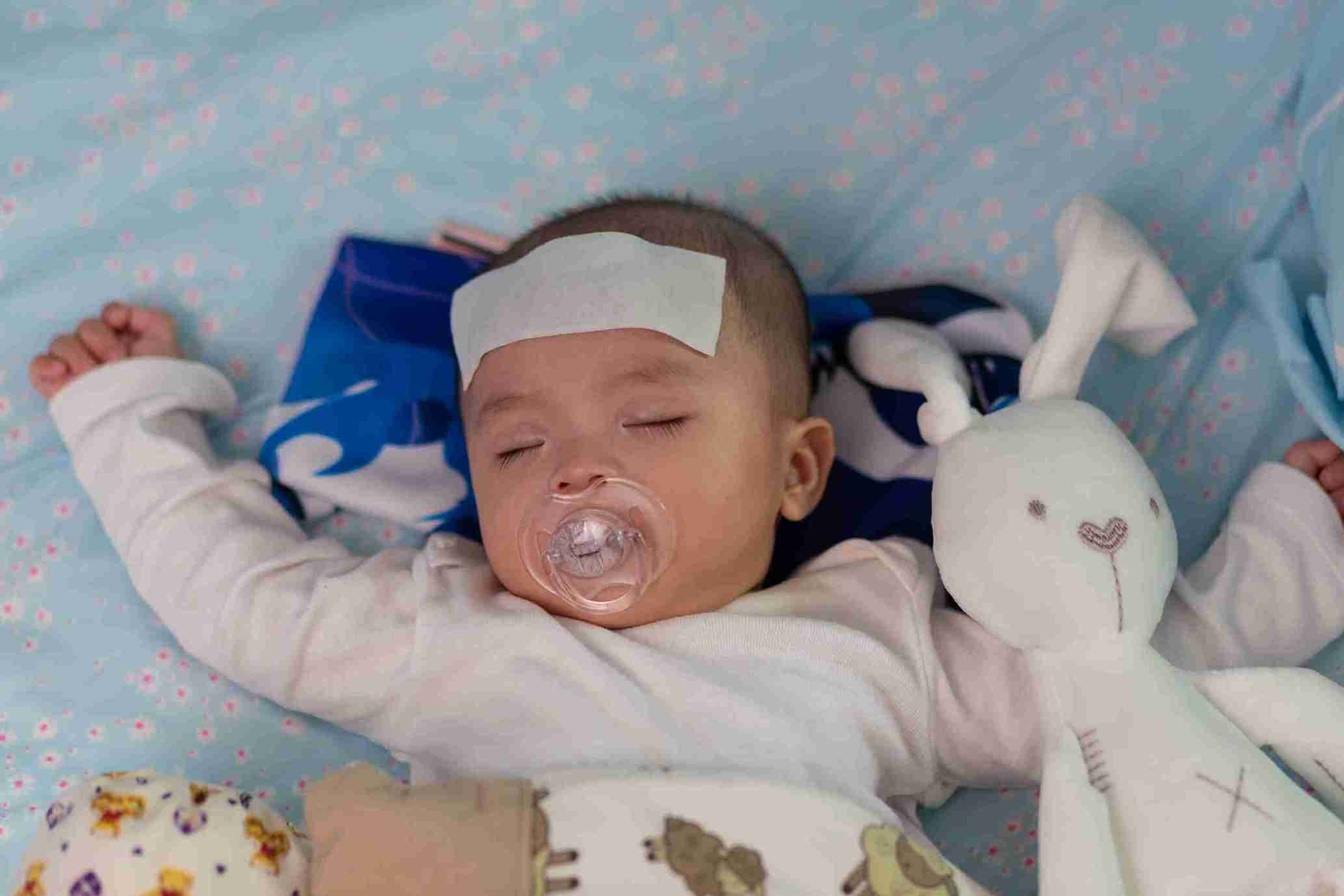
RSV spreads easily from one person to another through tiny droplets released when an infected person coughs, sneezes or talks. Babies can also become infected by touching contaminated surfaces or objects and then rubbing their eyes, nose or mouth. The virus can survive for several hours on frequently touched surfaces such as toys, doorknobs, feeding bottles and tabletops. Because babies often explore their surroundings by putting their hands or toys in their mouths, they can easily pick up the infection.
Older siblings, family members and visitors with mild cold-like symptoms can unknowingly pass RSV to babies, even if they don't seem very unwell. This is why good hand hygiene and avoiding close contact when someone is sick are important ways to reduce the spread of infection.
Many babies recover from RSV with supportive care. But some infants are more likely to develop severe illness and may require closer monitoring or hospital treatment.
Babies at higher risk include:
Even healthy babies can become unwell with RSV, so it's important to watch for changes in breathing, feeding and activity levels, regardless of your baby's medical history.
The early symptoms of RSV and the common cold can look very similar. However, RSV is more likely to affect the lower airways in young babies and may lead to breathing difficulties.
Because the symptoms overlap, it's not always possible for parents to tell the difference at home. If your baby's breathing becomes difficult, feeding reduces significantly or they seem unusually sleepy, seek medical advice promptly.
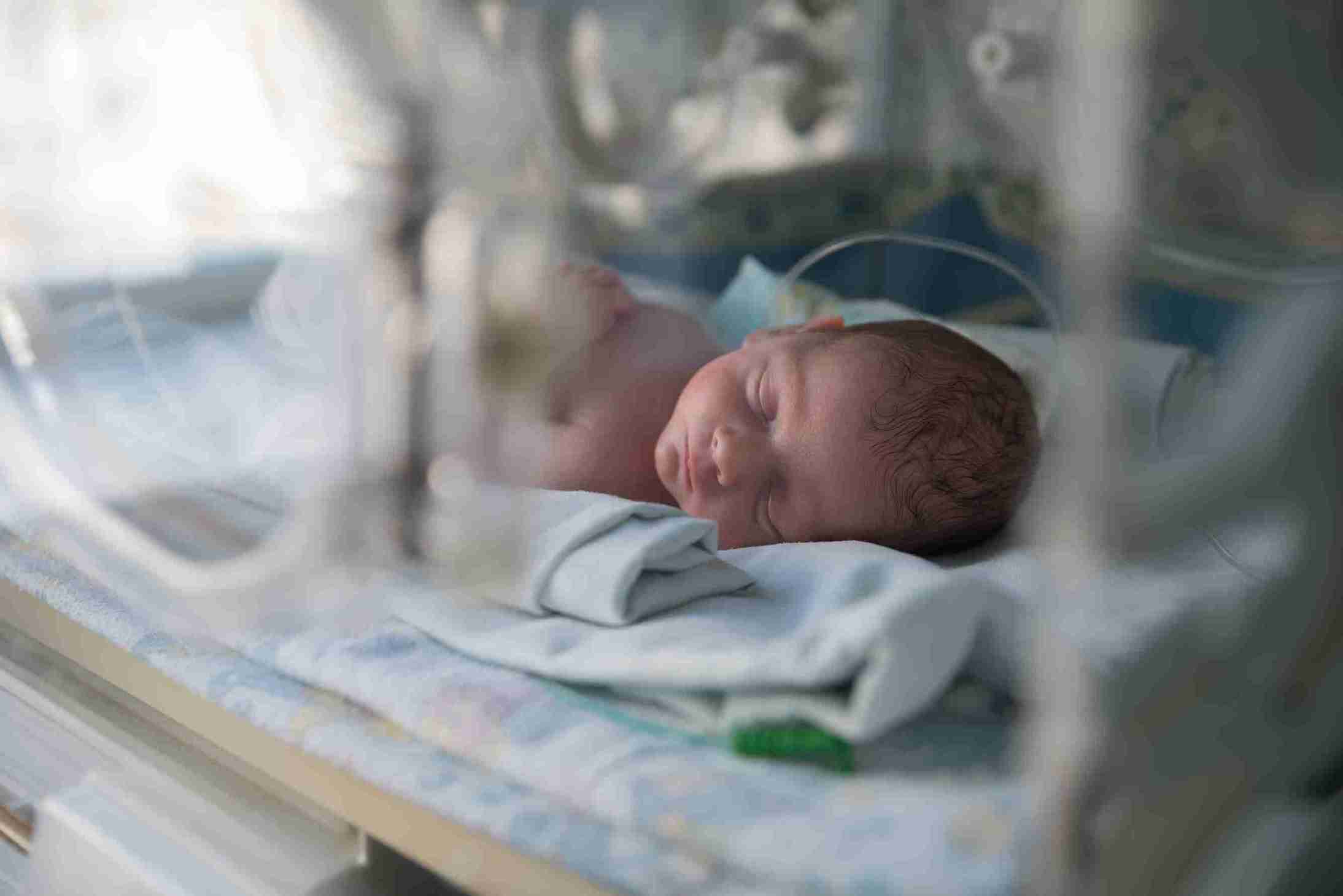
There is no specific antiviral treatment for most cases of RSV in babies. Instead, RSV treatment for babies focuses on relieving symptoms and supporting your baby while the infection runs its course.
Depending on your baby's symptoms, treatment may include:
Babies with severe RSV infection may need hospital care for oxygen therapy, intravenous fluids or additional respiratory support until they recover. The right treatment depends on your baby's age, symptoms, overall health and risk factors. Your paediatrician will recommend the most appropriate care based on your baby's individual needs.
While it's not always possible to prevent RSV completely, a few simple precautions can reduce your baby's risk of infection. These measures are especially important for newborns, premature babies and infants with underlying medical conditions.
Practical steps for RSV prevention for newborns include:
For babies at a higher risk of severe RSV infection, your paediatrician may also discuss additional preventive options, depending on your baby's eligibility and current recommendations.
Most babies with RSV recover without complications, but some develop symptoms that require urgent medical attention. Seek medical care immediately if your baby:
If you're ever unsure whether your baby's symptoms are worsening, it's always safest to have them assessed by a healthcare professional.
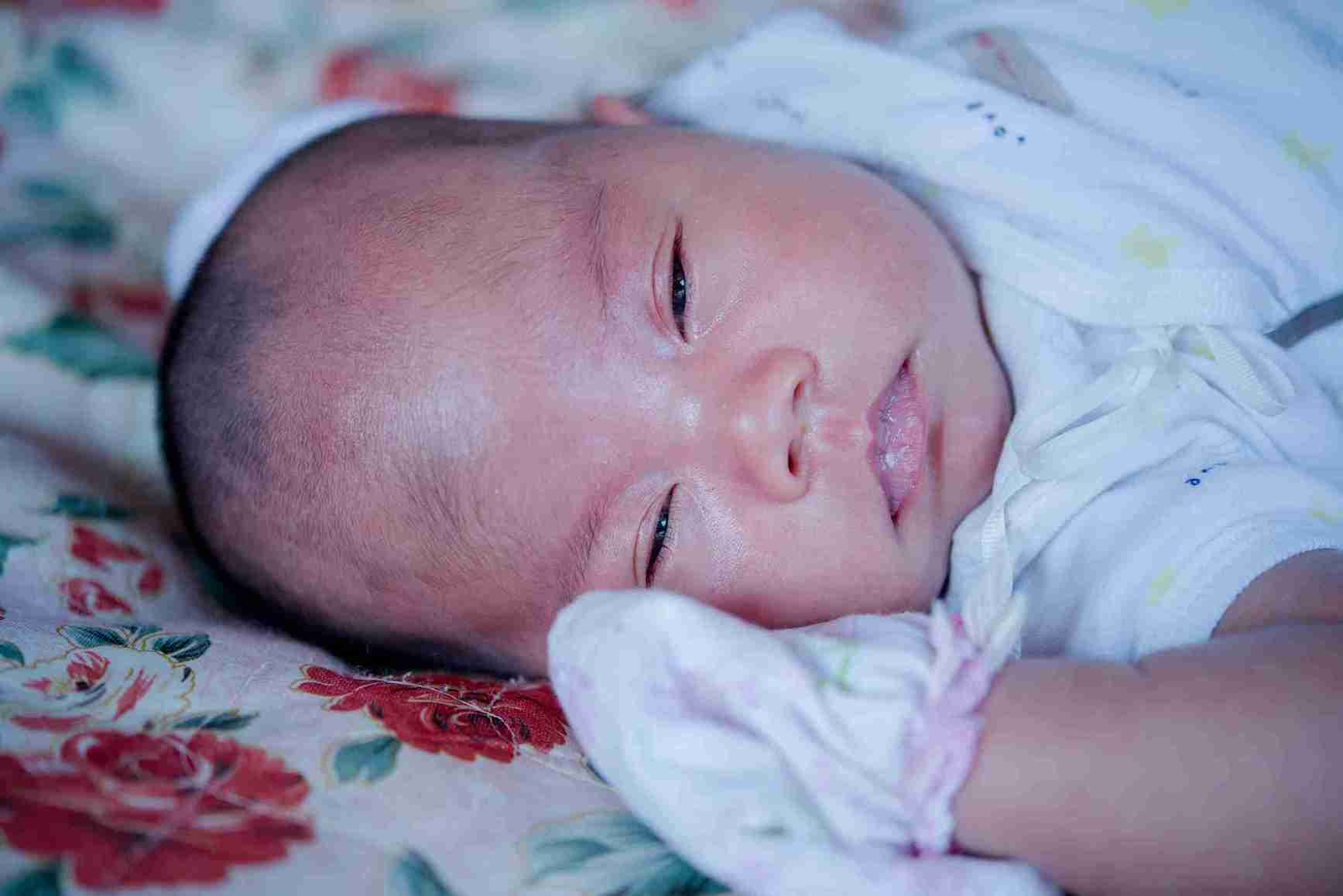
Most babies start feeling better within one or two weeks, although the cough may take a little longer to settle completely. During recovery, continue offering regular feeds, keep your baby comfortable and monitor their breathing and activity levels. It's normal for appetite to improve gradually as congestion eases and breathing becomes easier.
If symptoms return after improving, the cough becomes significantly worse, or your baby develops new breathing difficulties or feeding problems, arrange a medical review.
RSV is one of the most common respiratory infections in babies, and while it can be worrying, most infants recover well with supportive care at home.
Knowing the early RSV symptoms in babies, taking sensible steps to reduce the spread of infection and recognising when medical attention is needed can help you care for your baby with confidence. If your baby is struggling to breathe, feed or seems unusually unwell, don't delay seeking advice from your paediatrician.


RSV (Respiratory Syncytial Virus) is a common viral infection that affects the airways and lungs of babies and young children. It often causes cold-like symptoms, but in some infants it can lead to bronchiolitis or pneumonia. Most babies recover with supportive care, although younger infants may require closer monitoring.
RSV symptoms in babies are similar to those of the common cold. A runny nose, blocked nose, sneezing, mild cough, reduced feeding and irritability are common early signs. Some babies may later develop wheezing or difficulty breathing, which should be assessed promptly.
RSV spreads through respiratory droplets and contaminated hands or surfaces. Babies get infected through close contact with someone who has RSV or if they touch contaminated objects and then rub their eyes, nose or mouth. Avoiding contact with sick individuals and practising good hand hygiene can help reduce the spread of infection.
Premature babies, newborns, babies under six months and those with heart, lung or immune conditions are at a higher risk of severe RSV illness. These infants may develop more significant breathing or feeding difficulties and sometimes require hospital care. They should be assessed promptly if symptoms worsen.







 Best Gynecologists in Bellandur Best Gynecologists in Electronic City Best Gynecologists in HRBR LayoutBest Gynecologists in Jayanagar Best Gynecologists in Kanakapura RoadBest Gynecologists in Malleswaram Best Gynecologists in Nagarbhavi Best Gynecologists in Old Airport RoadBest Gynecologists in Sahakarnagar Best Gynecologists in Sarjapur RoadBest Gynecologists in ThanisandraBest Gynecologists in Varthur RoadBest Gynecologists in Whitefield Best Gynecologists in Industrial Area Phase IIBest Gynecologists in OMRBest Gynecologists in T NagarBest Gynecologists in New Industrial TownBest Gynecologists in IndirapuramBest Gynecologists in Golf Course RoadBest Gynecologists in Sector 14Best Gynecologists in Sector 47Best Gynecologists in Banjara HillsBest Gynecologists in GachibowliBest Gynecologists in Hitech CityBest Gynecologists in KompallyBest Gynecologists in Gomti NagarBest Gynecologists in MaladBest Gynecologists in NerulBest Gynecologists in VashiBest Gynecologists in Kailash ColonyBest Gynecologists in PatparganjBest Gynecologists in Punjabi BaghBest Gynecologists in VikaspuriBest Gynecologists in Gaur CityBest Gynecologists in Pari ChowkBest Gynecologists in Sector 51Best Gynecologists in Sector 5 Swastik ViharBest Gynecologists in Kalyani NagarBest Gynecologists in SB RoadBest Gynecologists in Pimple SaudagarBest Pediatricians in BellandurBest Pediatricians in Electronic CityBest Pediatricians in HRBR LayoutBest Pediatricians in JayanagarBest Pediatricians in Kanakapura RoadBest Pediatricians in MalleswaramBest Pediatricians in NagarbhaviBest Pediatricians in Old Airport RoadBest Pediatricians in SahakarnagarBest Pediatricians in Sarjapur RoadBest Pediatricians in ThanisandraBest Pediatricians in Varthur RoadBest Pediatricians in WhitefieldBest Pediatricians in Industrial Area Phase IIBest Pediatricians in OMRBest Pediatricians in T NagarBest Pediatricians in New Industrial TownshipBest Pediatricians in IndirapuramBest Pediatricians in Golf Course RoadBest Pediatricians in Sector 14Best Pediatricians in Sector 47Best Pediatricians in Hitech CityBest Pediatricians in Banjara HillsBest Pediatricians in GachibowliBest Pediatricians in KompallyBest Pediatricians in Gomti NagarBest Pediatricians in MaladBest Pediatricians in NerulBest Pediatricians in VashiBest Pediatricians in Kailash ColonyBest Pediatricians in PatparganjBest Pediatricians in Punjabi BaghBest Pediatricians in VikaspuriBest Pediatricians in Gaur CityBest Pediatricians in Pari ChowkBest Pediatricians in Sector 51Best Pediatricians in Sector 5 Swastik ViharBest Pediatricians in Kalyani NagarBest Pediatricians in SB RoadBest Pediatricians in Pimple Saudagar


