





A fever that continues for several days can have parents wondering whether it is more than a routine childhood infection. Your child may seem unusually tired, lose interest in food or complain that their stomach hurts. In places where typhoid occurs, it is natural for parents to wonder, “Could this be typhoid?”
Typhoid in children can cause fever and other symptoms, but these can overlap with those of many common infections. There is no single symptom or fever pattern that can tell you for certain that your child has typhoid. A medical assessment and appropriate testing are needed to establish the diagnosis.
In this article, let's look at what typhoid fever is, the symptoms parents may notice, how it is diagnosed and treated, and what to expect as a school-going child recovers.
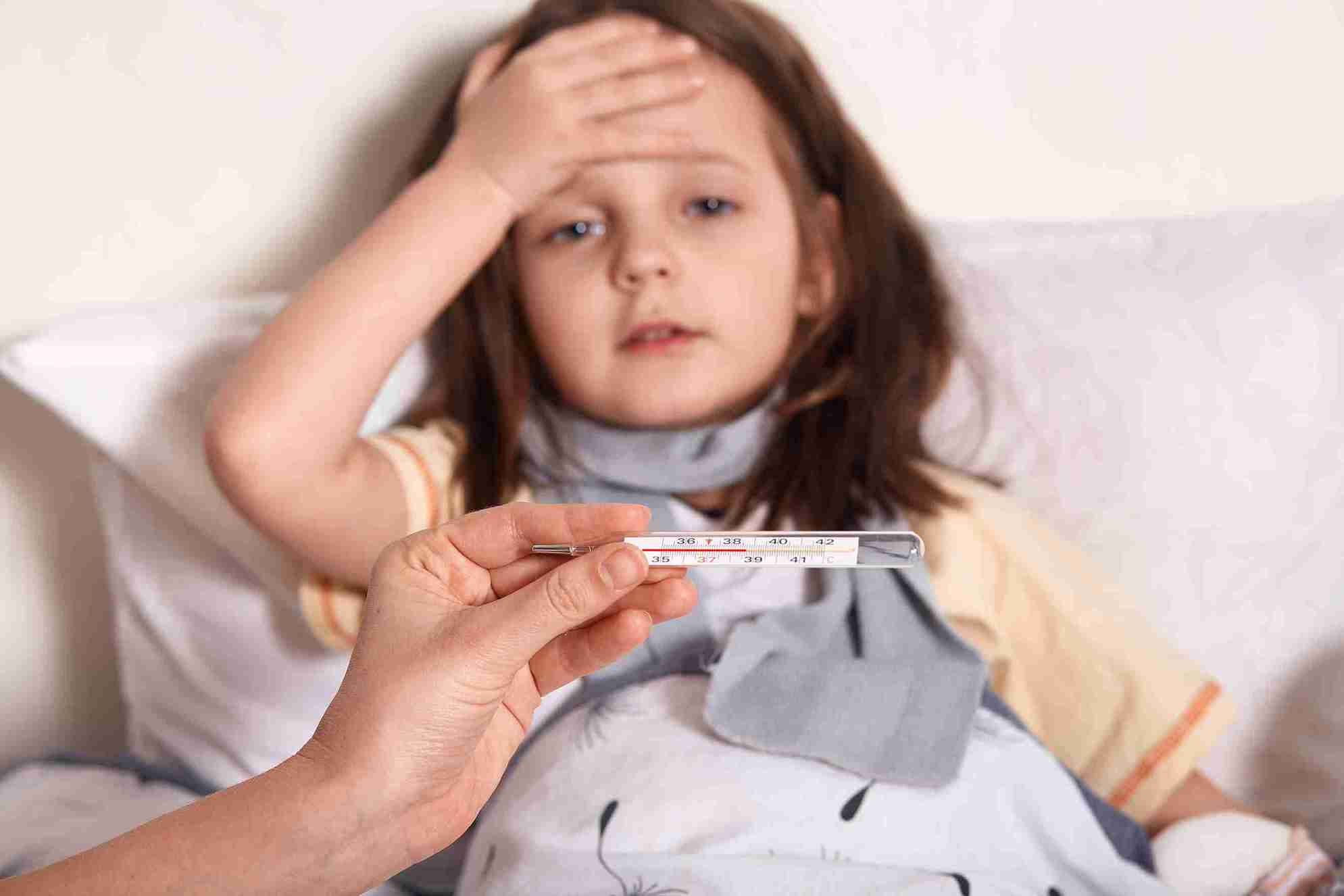
Typhoid fever is a bacterial infection caused by Salmonella Typhi. It can spread when food or water becomes contaminated with the bacteria, making safe drinking water, food hygiene, and handwashing important measures to reduce the risk of infection.
Typhoid symptoms can vary from one child to another and may develop gradually. Fever is a prominent feature, but children may experience other symptoms as the illness progresses.
These can include:
● Persistent fever.
● Tiredness or weakness.
● Reduced appetite.
● Headache.
● Diarrhoea or constipation.
● Nausea or vomiting in some children.
Not every child will have all of these symptoms, and having some of them does not automatically mean the illness is typhoid. Several infections can produce a similar combination of fever, tiredness and digestive symptoms.
A child with fever may still drink, talk and take an interest in familiar activities. If, over time, they become noticeably weaker, stop drinking adequately or develop significant abdominal symptoms, the overall picture has changed even if the fever itself seems similar.
Seek medical advice if your child has a persistent fever or appears increasingly unwell, particularly if they also have:
● Difficulty drinking or signs of dehydration.
● Persistent vomiting.
● Significant or worsening abdominal pain.
● Unusual drowsiness or marked weakness.
● Blood in the stool.
The aim is not to decide at home whether the illness is typhoid. A paediatrician can assess the symptoms in context and determine whether testing or further treatment is needed.
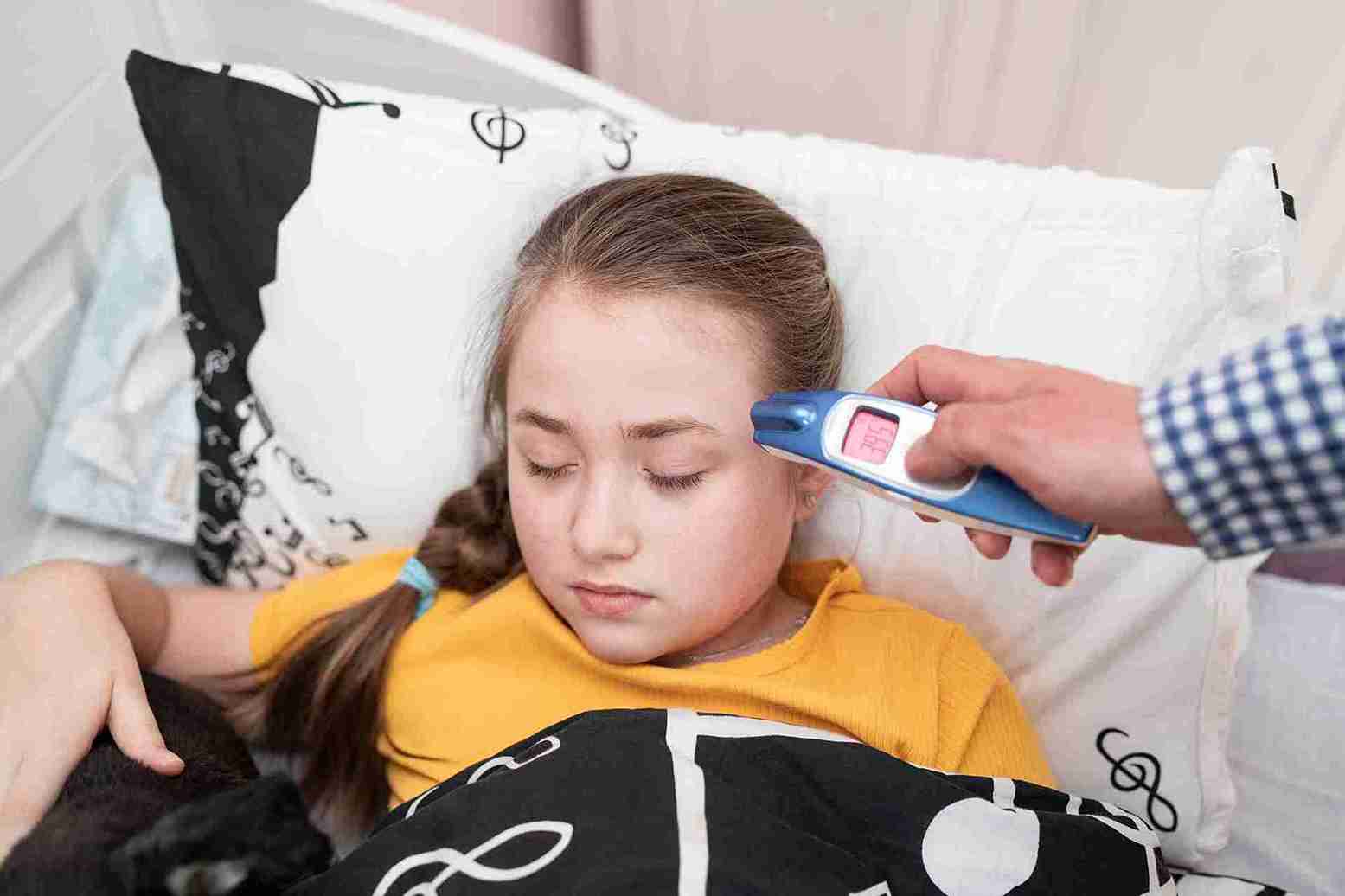
Because the symptoms of typhoid can resemble those of other infections, typhoid diagnosis cannot be based on fever or digestive symptoms alone. A paediatrician will consider your child's symptoms, medical history and examination before deciding which tests are appropriate.
A blood culture is an important test used to confirm typhoid because it can detect Salmonella Typhi in the bloodstream. Ideally, samples are collected before antibiotics are started, as previous antibiotic use can reduce the likelihood of detecting the bacteria.
Parents in India may also come across the Widal test. However, serological tests have limitations in accuracy and should not be interpreted in isolation. Your child's doctor will decide how laboratory findings fit with the overall clinical picture.
Typhoid is a bacterial infection and is treated with antibiotics prescribed by a doctor. The appropriate medicine depends on factors such as the child's condition and antibiotic resistance, so antibiotics should not be started or changed based on a suspected diagnosis or previous prescription.
Alongside treatment, children need adequate fluids, rest and food according to their appetite and tolerance. If your child has been prescribed antibiotics, give them for the duration advised by the doctor, even if they begin feeling better earlier.
Recovery does not necessarily mean a child immediately returns to their usual routine once the fever settles. Appetite and energy may return gradually, and some children may need additional time before they feel ready for a full school day or their usual level of activity.
As your child improves, follow the doctor's advice about completing treatment and returning to school and other activities. The time needed for recovery varies depending on the severity of the illness, response to treatment and the child's overall health. Rather than expecting a fixed timeline, look for steady improvement in how your child feels and functions from day to day.
Contact your child’s paediatrician if they are not improving as expected, become unwell again after initially getting better or develop new concerns during recovery. Occasionally, typhoid symptoms can return after apparent recovery, so a renewed fever or illness should be reassessed rather than managed using leftover medicines or an earlier prescription.
Follow-up needs can vary between children. Your paediatrician will advise whether any further assessment or testing is necessary.
Typhoid spreads mainly through food or water contaminated with Salmonella Typhi. Reducing exposure to contaminated food or water and keeping vaccinations up to date can help lower the risk.
For school-going children, practical precautions include:
● Washing hands thoroughly with soap and water, particularly after using the toilet and before eating.
● Drinking water from a safe source.
● Eating food that has been prepared and stored hygienically.
● Being careful with food or drinks when their safety is uncertain.
● Keeping your child’s typhoid vaccination up to date as advised by their paediatrician.
Typhoid vaccination can reduce the risk of infection, but it does not provide complete protection. Safe food, water and hygiene practices remain important even after vaccination.

With appropriate treatment and follow-up, children can gradually return to school, play and their usual routines as they regain their strength. Give your child the time they need to recover and follow your paediatrician's advice about treatment, follow-up and resuming regular activities.
Want to consult the Best Pediatrician in India? Please find the links below

Typhoid may begin with fever, tiredness, headache, reduced appetite or abdominal discomfort. Some children may also develop constipation or diarrhoea. These symptoms can occur with many other infections, so they cannot confirm typhoid on their own.
A paediatrician considers the child’s symptoms and clinical findings along with appropriate laboratory tests. Blood culture is an important test for confirming Salmonella Typhi. Test results should be interpreted alongside the child’s overall clinical picture rather than in isolation.
There is no single recovery timeline for every child. It depends on factors such as the severity of the infection and response to treatment. Even after the main symptoms improve, a child may need some time to regain their usual appetite, energy and readiness for school or other activities.
Typhoid vaccination can significantly reduce the risk of infection, but it does not provide complete protection. Safe drinking water, good hand hygiene and safe food practices therefore remain important even for vaccinated children.


 Best Gynecologists in Bellandur Best Gynecologists in Electronic City Best Gynecologists in HRBR LayoutBest Gynecologists in Jayanagar Best Gynecologists in Kanakapura RoadBest Gynecologists in Malleswaram Best Gynecologists in Nagarbhavi Best Gynecologists in Old Airport RoadBest Gynecologists in Sahakarnagar Best Gynecologists in Sarjapur RoadBest Gynecologists in ThanisandraBest Gynecologists in Varthur RoadBest Gynecologists in Whitefield Best Gynecologists in Industrial Area Phase IIBest Gynecologists in OMRBest Gynecologists in T NagarBest Gynecologists in New Industrial TownBest Gynecologists in IndirapuramBest Gynecologists in Golf Course RoadBest Gynecologists in Sector 14Best Gynecologists in Sector 47Best Gynecologists in Banjara HillsBest Gynecologists in GachibowliBest Gynecologists in Hitech CityBest Gynecologists in KompallyBest Gynecologists in Gomti NagarBest Gynecologists in MaladBest Gynecologists in NerulBest Gynecologists in VashiBest Gynecologists in Kailash ColonyBest Gynecologists in PatparganjBest Gynecologists in Punjabi BaghBest Gynecologists in VikaspuriBest Gynecologists in Gaur CityBest Gynecologists in Pari ChowkBest Gynecologists in Sector 51Best Gynecologists in Sector 5 Swastik ViharBest Gynecologists in Kalyani NagarBest Gynecologists in SB RoadBest Gynecologists in Pimple SaudagarBest Pediatricians in BellandurBest Pediatricians in Electronic CityBest Pediatricians in HRBR LayoutBest Pediatricians in JayanagarBest Pediatricians in Kanakapura RoadBest Pediatricians in MalleswaramBest Pediatricians in NagarbhaviBest Pediatricians in Old Airport RoadBest Pediatricians in SahakarnagarBest Pediatricians in Sarjapur RoadBest Pediatricians in ThanisandraBest Pediatricians in Varthur RoadBest Pediatricians in WhitefieldBest Pediatricians in Industrial Area Phase IIBest Pediatricians in OMRBest Pediatricians in T NagarBest Pediatricians in New Industrial TownshipBest Pediatricians in IndirapuramBest Pediatricians in Golf Course RoadBest Pediatricians in Sector 14Best Pediatricians in Sector 47Best Pediatricians in Hitech CityBest Pediatricians in Banjara HillsBest Pediatricians in GachibowliBest Pediatricians in KompallyBest Pediatricians in Gomti NagarBest Pediatricians in MaladBest Pediatricians in NerulBest Pediatricians in VashiBest Pediatricians in Kailash ColonyBest Pediatricians in PatparganjBest Pediatricians in Punjabi BaghBest Pediatricians in VikaspuriBest Pediatricians in Gaur CityBest Pediatricians in Pari ChowkBest Pediatricians in Sector 51Best Pediatricians in Sector 5 Swastik ViharBest Pediatricians in Kalyani NagarBest Pediatricians in SB RoadBest Pediatricians in Pimple Saudagar


