





Your child finishes school, comes home and opens a laptop for homework. Later, there may be a video to watch, a game to play or messages from friends to check. By evening, they complain that their eyes feel tired, their necks ache, or they have headaches. With screens woven into both learning and leisure, it is easy to assume the device is responsible.
Sometimes, screen habits may contribute to these symptoms. But headaches in children can have many causes, and frequent screen use does not automatically explain every headache. For pre-teens aged 9–12, the goal is not simply to count every minute spent on a device. It is also worth looking at how screens are being used, whether the setup is comfortable and what else screen use may be replacing during the day.
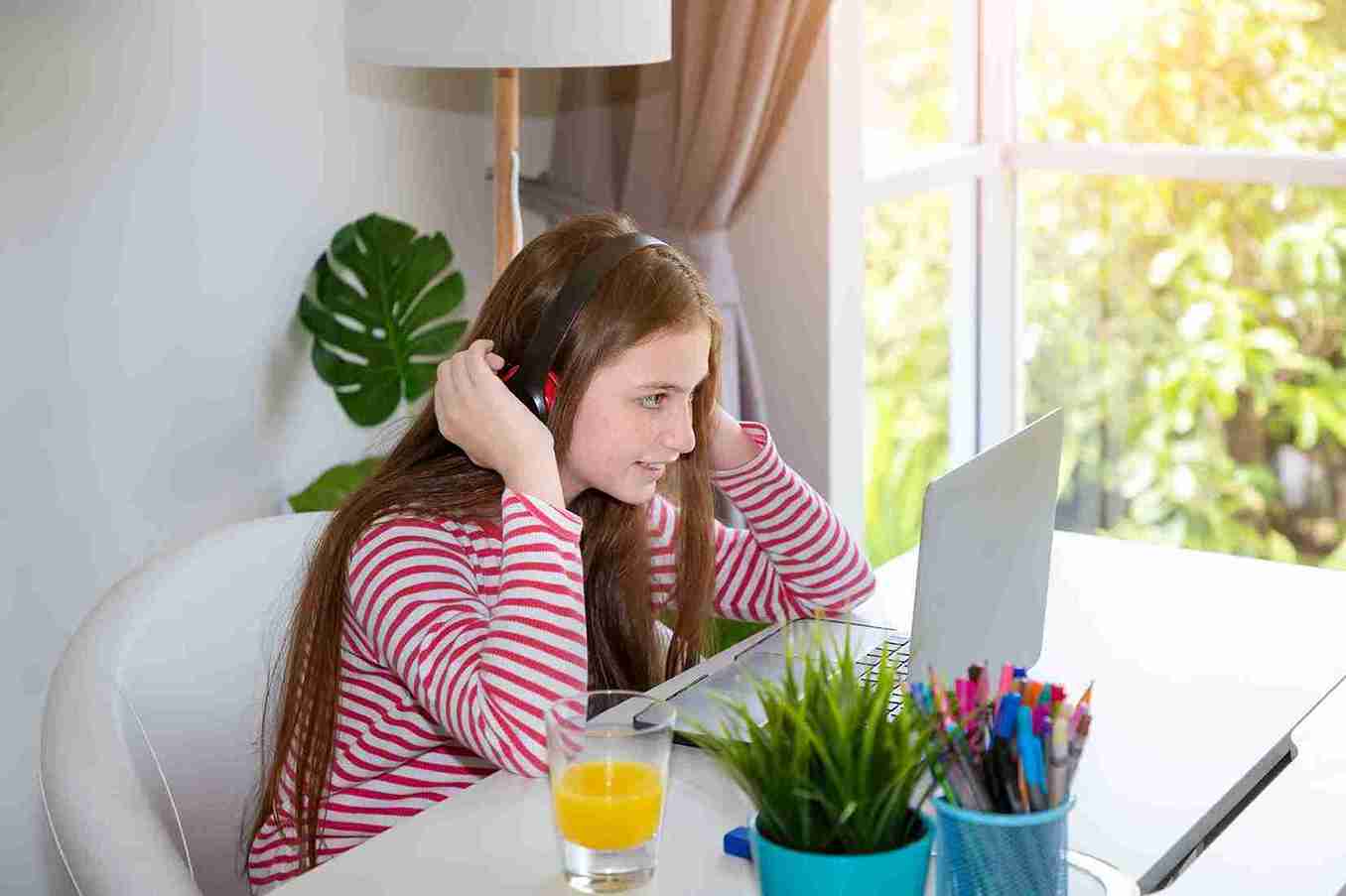
A pre-teen can become absorbed in homework, gaming or a favourite video without noticing how long they have been sitting or looking at the same screen.
During prolonged screen use, the eyes continuously focus at a similar distance, and children may blink less often than usual. This can leave the eyes feeling tired, dry or irritated. At the same time, remaining in a fixed or awkward position can strain the neck and back muscles.
This does not mean that screen time in children will always lead to discomfort. How long a child uses a device without a break, their viewing position and their individual vision needs can all influence how they feel afterwards.
After prolonged screen use, some children may experience digital eye strain. They might describe:
● Tired, sore or irritated eyes.
● Dryness or discomfort.
● Temporary blurred vision.
● Difficulty refocusing when looking away from the screen.
● A headache around the eyes or temples.
These symptoms are generally related to eye fatigue and prolonged near work rather than evidence that ordinary screen use has permanently damaged the eyes. However, if your child repeatedly complains of blurred vision, struggles to see clearly or continues having eye-related symptoms away from screens, an eye examination may be appropriate rather than assuming digital eye strain is the only explanation.
A child may begin homework sitting comfortably at a desk, but gradually lean towards the laptop, round their shoulders or bend over a tablet as they become absorbed in what they are doing. The issue is often less about finding one “perfect” posture and more about staying in the same uncomfortable position for too long.
Over time, this may leave the neck, shoulders or back feeling stiff or uncomfortable. A device that is positioned too low or requires your child to lean forwards repeatedly may add to this strain. If discomfort keeps returning, persists even when away from screen use, or begins interfering with your child's usual activities, discuss it with a healthcare professional.
Suppose your child regularly mentions a headache towards the end of an evening spent on homework and devices, but rarely complains about it at other times. That pattern is worth noticing. Screen habits may be contributing when headaches repeatedly appear during or after extended device use, particularly if they ease after stepping away from close work. Neck or shoulder discomfort occurring at the same time may be another clue that how your child uses the device is playing a role.
However, the timing alone cannot establish the cause. Headaches in children may also be associated with migraine, illness, vision problems, missed meals, inadequate sleep, stress or other factors.
Instead of immediately restricting all device use, notice when the headaches occur, what your child was doing beforehand and whether they also appear in situations that do not involve screens. If the headaches keep returning, keeping a simple record can help reveal a pattern.
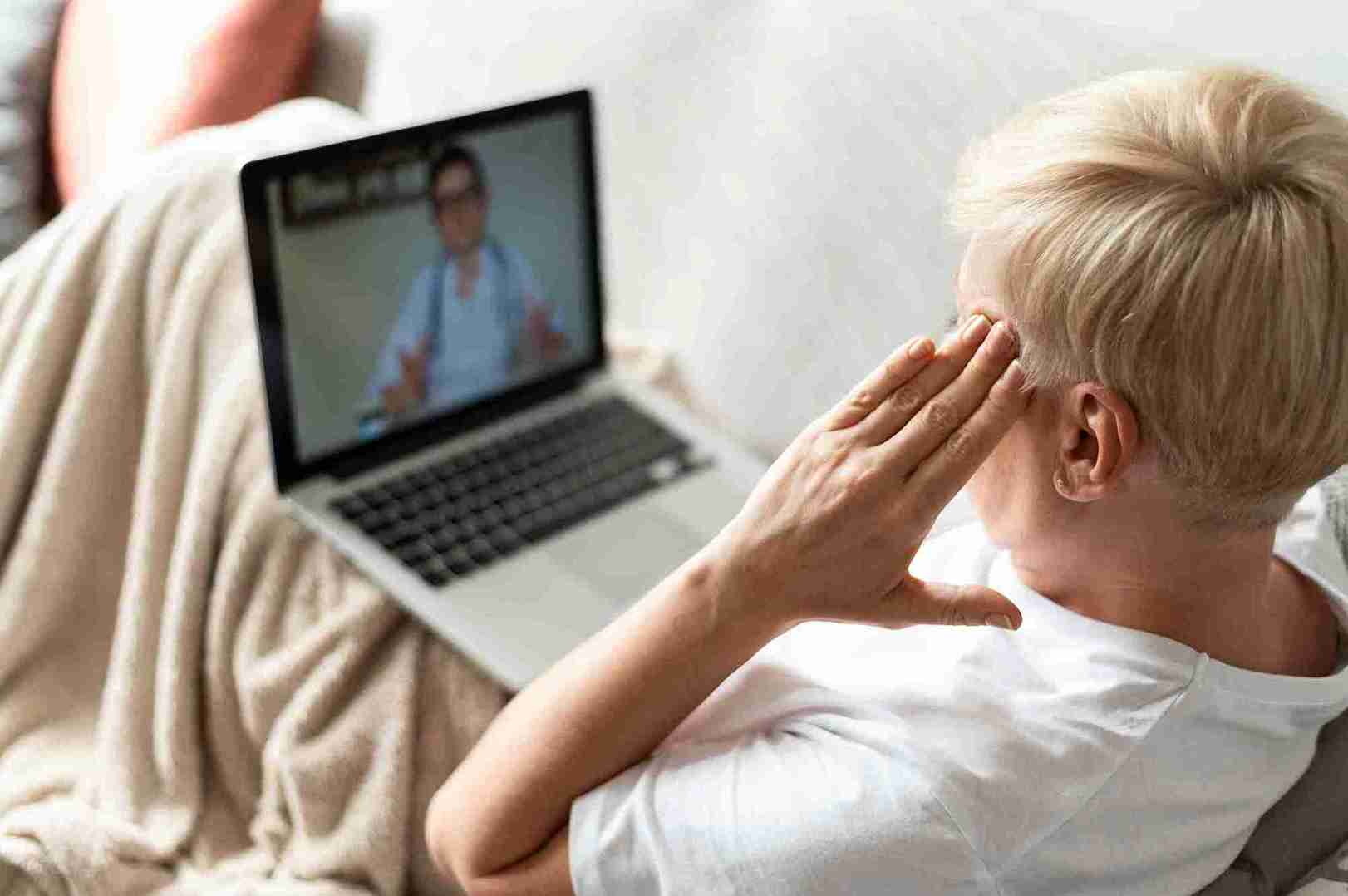
For a 9–12-year-old who may need devices for school and recreation, completely avoiding screens is neither realistic nor necessary. A more practical approach is to make screen use less physically demanding.
Encourage your child to regularly look away from close work and focus on something farther away. The 20-20-20 rule can be an easy reminder: after about 20 minutes of close screen work, look at something around 20 feet away for at least 20 seconds. The purpose isn't to make children constantly watch the clock. It is simply to prevent long stretches of uninterrupted near work.
For homework or longer sessions, a desk or table can provide a more suitable setup. Keep the device at a comfortable height and distance to reduce the need to lean forwards.
A screen break does not always have to mean switching to another seated activity. Standing up, stretching, walking around the room or taking a short active break allows the body to change position.
As pre-teens begin managing more of their own schoolwork and leisure time, teaching them to notice when they have been sitting for too long can be more useful than repeatedly reminding them to “sit straight.”
For pre-teens, asking “How many hours of screen time is allowed?” does not always give parents the most useful answer. Devices may be needed for homework, projects and communication, so the type and context of screen use matter too.
A more practical approach is to look at whether recreational screen time is beginning to crowd out important parts of your child's day. Consider whether they still have enough time for:
● Adequate sleep.
● Physical activity and outdoor play.
● Schoolwork and other responsibilities.
● Meals without digital distractions.
● Family time and offline interests.
Simple household boundaries can help. Keeping devices away during meals, setting a clear stopping point before bedtime and agreeing on when recreational screen use fits into the day can make expectations easier for a pre-teen to follow.
At this age, involving your child in these decisions can also be useful. Rather than treating screen limits only as rules imposed by parents, help them understand how to balance devices with the other things their body and mind need each day.
A headache after an occasional long day does not necessarily indicate a health problem. However, a headache that starts happening repeatedly, changes noticeably or interferes with your child's usual activities deserves more attention.
Speak with a paediatrician if headaches are becoming more frequent or severe, or repeatedly interfere with school or everyday activities. Seek prompt medical attention if your child has:
● A sudden, unusually severe headache.
● Headaches that repeatedly wake them from sleep or are prominent early in the morning.
● Repeated vomiting with a headache.
● New problems with vision, balance or coordination.
● Confusion, unusual behaviour, weakness or other neurological changes.
● A significant headache following a head injury.

As children move towards their teenage years, they begin making more decisions about when and how they use devices. This makes the pre-teen years a useful time to help them develop healthy digital habits they can manage independently.
Screens are likely to remain part of school, communication and recreation. Rather than focusing only on restrictions, help your child become more aware of their own digital habits and make sensible choices as they gain independence. These skills can support a healthier relationship with technology as they move into adolescence.

Long periods of screen use may contribute to headaches in some children, particularly when combined with prolonged near focusing or an uncomfortable sitting position. However, headaches have many possible causes. If they occur frequently, become more severe or appear unrelated to device use, speak with your child's paediatrician.
A comfortable workstation can help. Adjust the chair, work surface and screen position to suit your child's height, and encourage them to avoid remaining in one position for extended periods.
There is no single screen-time limit that suits every 9–12-year-old. Consider the purpose of device use and whether recreational screen time is interfering with adequate sleep, physical activity, school responsibilities, meals, family interaction or offline interests. Clear and consistent family boundaries can help maintain a healthier balance.
Speak with a paediatrician if your child's headaches are recurring, becoming more severe or beginning to interfere with school or everyday life. More urgent assessment is needed for a sudden severe headache or one associated with concerning symptoms such as repeated vomiting, vision changes, problems with balance or coordination, unusual behaviour or neurological changes.


 Best Gynecologists in Bellandur Best Gynecologists in Electronic City Best Gynecologists in HRBR LayoutBest Gynecologists in Jayanagar Best Gynecologists in Kanakapura RoadBest Gynecologists in Malleswaram Best Gynecologists in Nagarbhavi Best Gynecologists in Old Airport RoadBest Gynecologists in Sahakarnagar Best Gynecologists in Sarjapur RoadBest Gynecologists in ThanisandraBest Gynecologists in Varthur RoadBest Gynecologists in Whitefield Best Gynecologists in Industrial Area Phase IIBest Gynecologists in OMRBest Gynecologists in T NagarBest Gynecologists in New Industrial TownBest Gynecologists in IndirapuramBest Gynecologists in Golf Course RoadBest Gynecologists in Sector 14Best Gynecologists in Sector 47Best Gynecologists in Banjara HillsBest Gynecologists in GachibowliBest Gynecologists in Hitech CityBest Gynecologists in KompallyBest Gynecologists in Gomti NagarBest Gynecologists in MaladBest Gynecologists in NerulBest Gynecologists in VashiBest Gynecologists in Kailash ColonyBest Gynecologists in PatparganjBest Gynecologists in Punjabi BaghBest Gynecologists in VikaspuriBest Gynecologists in Gaur CityBest Gynecologists in Pari ChowkBest Gynecologists in Sector 51Best Gynecologists in Sector 5 Swastik ViharBest Gynecologists in Kalyani NagarBest Gynecologists in SB RoadBest Gynecologists in Pimple SaudagarBest Pediatricians in BellandurBest Pediatricians in Electronic CityBest Pediatricians in HRBR LayoutBest Pediatricians in JayanagarBest Pediatricians in Kanakapura RoadBest Pediatricians in MalleswaramBest Pediatricians in NagarbhaviBest Pediatricians in Old Airport RoadBest Pediatricians in SahakarnagarBest Pediatricians in Sarjapur RoadBest Pediatricians in ThanisandraBest Pediatricians in Varthur RoadBest Pediatricians in WhitefieldBest Pediatricians in Industrial Area Phase IIBest Pediatricians in OMRBest Pediatricians in T NagarBest Pediatricians in New Industrial TownshipBest Pediatricians in IndirapuramBest Pediatricians in Golf Course RoadBest Pediatricians in Sector 14Best Pediatricians in Sector 47Best Pediatricians in Hitech CityBest Pediatricians in Banjara HillsBest Pediatricians in GachibowliBest Pediatricians in KompallyBest Pediatricians in Gomti NagarBest Pediatricians in MaladBest Pediatricians in NerulBest Pediatricians in VashiBest Pediatricians in Kailash ColonyBest Pediatricians in PatparganjBest Pediatricians in Punjabi BaghBest Pediatricians in VikaspuriBest Pediatricians in Gaur CityBest Pediatricians in Pari ChowkBest Pediatricians in Sector 51Best Pediatricians in Sector 5 Swastik ViharBest Pediatricians in Kalyani NagarBest Pediatricians in SB RoadBest Pediatricians in Pimple Saudagar


