





Your child comes home from preschool quieter than usual. The usual requests for a snack or a little more playtime are missing. By evening, they feel warm, have little interest in dinner and would rather rest. You check their temperature and find they have a fever. With children this age spending so much time together at preschool and play areas, your first thought may be, “It’s probably another viral bug.”
Often, it may be. But when the fever continues, or your child does not seem to be returning to their usual self, it is natural to wonder whether you should continue caring for them at home or speak to a doctor.
The term “viral fever” refers broadly to any fever that develops as a result of a viral infection. It does not indicate a single specific illness, but rather describes a range of conditions caused by different viruses. Different viruses can cause different symptoms and recovery patterns. This guide focuses on viral fever in preschoolers aged 3-6 years, helping you understand what to look for, how recovery may progress, and when a change in your child’s condition warrants medical attention.
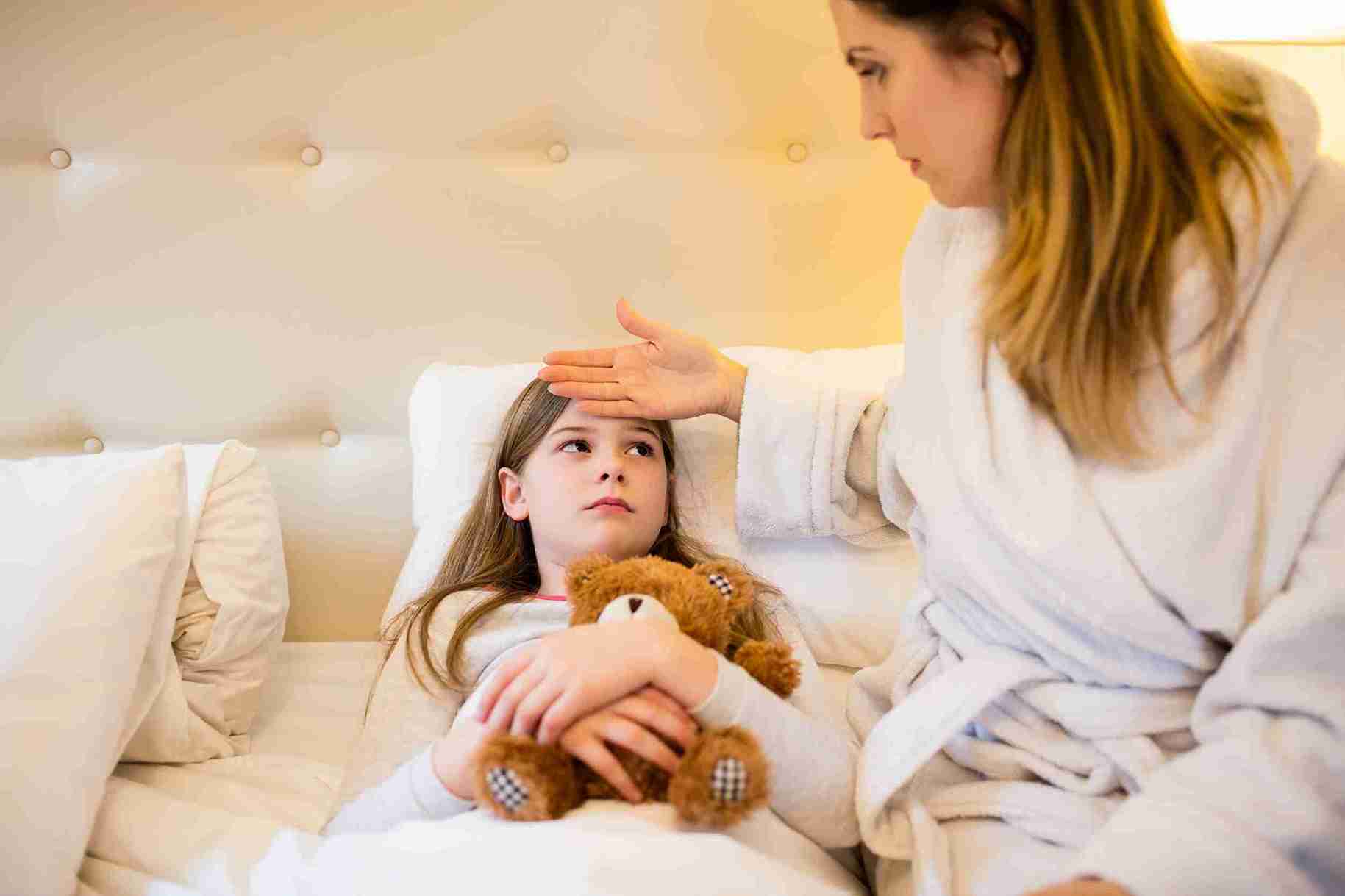
Preschoolers spend a lot of time in close contact with other children while playing, learning and sharing common spaces. This creates plenty of opportunities for viruses that cause respiratory and other common childhood infections to spread.
At this age, children are also encountering many viruses for the first time and gradually developing immunity to them. So, picking up viral infections from time to time is a familiar part of the preschool years.
Good hand hygiene and everyday infection-control habits can help reduce exposure, but it is not realistic to prevent every viral infection.
Viral fever symptoms can vary depending on the infection. Fever may occur along with tiredness, reduced appetite or general body discomfort. Some children may also have a runny nose, cough or sore throat, while certain viral infections can cause vomiting or loose stools.
Your child may have only a few of these symptoms, and their intensity can vary. This is why the term "viral fever" in children encompasses many different illnesses rather than a single, fixed set of symptoms. A doctor can assess your child when needed and determine whether the illness is likely to be viral or whether another cause needs to be considered.
You cared for your child through the first day, but the next morning the thermometer still shows a fever. It’s understandable to wonder if something has changed when the fever persists. A viral fever does not always disappear overnight. The temperature may rise and fall over the course of an infection, and a return of fever after a temporary drop does not necessarily mean the illness has become more serious.
Rather than counting each episode of fever, look at the pattern from one day to the next. A temperature that rises again does not necessarily mean your child is getting worse; the overall course of the illness gives you a better picture.
Most childhood viral infections can be managed at home, but sometimes the way an illness develops may indicate that your child needs to be assessed.
Contact your child’s doctor if:
● The fever continues longer than expected or keeps recurring.
● Your child is drinking much less fluid than usual or passing noticeably less urine.
● Vomiting or diarrhoea is persistent.
● Pain is significant or becoming worse.
● Your child does not seem to be improving.
● Has difficulty breathing.
● Is unusually drowsy, confused or difficult to wake.
● Has a seizure.
● Develops a stiff neck.
● Rash does not change colour with gentle pressure.
● Appears severely dehydrated or increasingly unwell.
If you’re uncertain about what care your child needs, contact your pediatrician or a nearby healthcare facility for advice.

There is no single viral fever treatment that makes every viral infection disappear quickly. Care is usually about helping your child stay comfortable while their body deals with the infection. For example, your child may turn away from a regular meal but accept a smaller portion later. Avoid force-feeding; offer familiar, easy-to-eat, comfort foods when they’re ready.
If your child isn’t drinking as much as normal, try offering small sips of fluids more often throughout the day. Your child might need extra rest or quiet time, and that’s perfectly okay. Don’t rush them back into their usual routine; give them space to recover at their own pace. Fever medicine can be given if your child is uncomfortable, in pain, or has a high fever. Follow the paediatrician's advice, rather than giving it solely to achieve a particular temperature reading.
Antibiotics do not treat viruses, so they do not help a viral fever in children simply because the child has been unwell for a few days. Never give your child leftover antibiotics from a previous illness or medication prescribed to someone else. This can be dangerous and ineffective. Even if symptoms seem similar, the underlying cause may be very different, and improper use of antibiotics can lead to serious health risks.
If your doctor suspects or identifies a bacterial infection alongside or instead of a viral illness, antibiotics may be prescribed based on your child’s specific needs.
You may see your child get out of bed, ask for a toy and spend some time playing, only to become tired again later in the day. That change can feel confusing, especially when you thought the illness was almost over. Energy levels can fluctuate while a child is recovering from a viral infection. A few active hours can be encouraging, but they do not necessarily mean your child is ready to return to their regular pace immediately.
Instead of judging recovery by a single good or difficult part of the day, notice the broader direction over time. Gradually longer periods of normal activity and interest can be signs that your child is moving towards recovery.
After a few days at home, your child may start asking about friends or wanting to go back to preschool. Feeling better is encouraging, but your child also needs to be able to handle a full day away from home before returning to preschool.
Your child should be well enough to participate comfortably in their usual preschool activities without needing extra care that the setting cannot reasonably provide. Also check your preschool’s illness and return policy, as requirements may differ depending on the infection.
If your child has an illness that can spread to others, always check with your doctor before sending them back to preschool. Don’t be tempted to send them just because a dose of fever medicine brought their temperature down. Wait until your doctor says it’s safe for everyone.
After an illness, children do not always return to their usual pace immediately. Your child might be keen to play again but tire sooner, or show interest in food without finishing their usual portion.
Let their routine build back gradually. A quieter day, shorter periods of activity or smaller meals for a little longer can be reasonable while they regain their usual energy. There is no special food, supplement or home remedy that can make a viral infection resolve instantly. Give your child time to recover and follow any specific advice provided by their doctor.

Viral infections are a common part of the preschool years, and many resolve with simple home care. The challenge for parents is knowing when an illness is taking its expected course and when something no longer feels quite right. You do not need to judge this based on a single temperature reading or a single difficult day. Use the guidance above, trust what you know about your child and seek medical advice when you feel the illness needs another look.
Want to consult the Best Pediatrician in India? Please find the links below

Many viral fevers improve within a few days, although the duration varies depending on the infection and the individual child. If the fever persists or the illness is not following the expected course, refer to the medical-attention guidance above.
Rather than relying solely on temperature or the number of days, pay attention to how the illness is progressing. Refer to the medical attention section above for signs that require a doctor’s review or urgent care.
No. Antibiotics work against bacterial infections and do not treat viruses. They should only be given when prescribed for your child for a bacterial infection.
Most viral infections simply need time to run their course; there’s no instant cure. You can support recovery by giving your child time to recuperate and by following the care measures discussed above and any specific advice from their doctor.


 Best Gynecologists in Bellandur Best Gynecologists in Electronic City Best Gynecologists in HRBR LayoutBest Gynecologists in Jayanagar Best Gynecologists in Kanakapura RoadBest Gynecologists in Malleswaram Best Gynecologists in Nagarbhavi Best Gynecologists in Old Airport RoadBest Gynecologists in Sahakarnagar Best Gynecologists in Sarjapur RoadBest Gynecologists in ThanisandraBest Gynecologists in Varthur RoadBest Gynecologists in Whitefield Best Gynecologists in Industrial Area Phase IIBest Gynecologists in OMRBest Gynecologists in T NagarBest Gynecologists in New Industrial TownBest Gynecologists in IndirapuramBest Gynecologists in Golf Course RoadBest Gynecologists in Sector 14Best Gynecologists in Sector 47Best Gynecologists in Banjara HillsBest Gynecologists in GachibowliBest Gynecologists in Hitech CityBest Gynecologists in KompallyBest Gynecologists in Gomti NagarBest Gynecologists in MaladBest Gynecologists in NerulBest Gynecologists in VashiBest Gynecologists in Kailash ColonyBest Gynecologists in PatparganjBest Gynecologists in Punjabi BaghBest Gynecologists in VikaspuriBest Gynecologists in Gaur CityBest Gynecologists in Pari ChowkBest Gynecologists in Sector 51Best Gynecologists in Sector 5 Swastik ViharBest Gynecologists in Kalyani NagarBest Gynecologists in SB RoadBest Gynecologists in Pimple SaudagarBest Pediatricians in BellandurBest Pediatricians in Electronic CityBest Pediatricians in HRBR LayoutBest Pediatricians in JayanagarBest Pediatricians in Kanakapura RoadBest Pediatricians in MalleswaramBest Pediatricians in NagarbhaviBest Pediatricians in Old Airport RoadBest Pediatricians in SahakarnagarBest Pediatricians in Sarjapur RoadBest Pediatricians in ThanisandraBest Pediatricians in Varthur RoadBest Pediatricians in WhitefieldBest Pediatricians in Industrial Area Phase IIBest Pediatricians in OMRBest Pediatricians in T NagarBest Pediatricians in New Industrial TownshipBest Pediatricians in IndirapuramBest Pediatricians in Golf Course RoadBest Pediatricians in Sector 14Best Pediatricians in Sector 47Best Pediatricians in Hitech CityBest Pediatricians in Banjara HillsBest Pediatricians in GachibowliBest Pediatricians in KompallyBest Pediatricians in Gomti NagarBest Pediatricians in MaladBest Pediatricians in NerulBest Pediatricians in VashiBest Pediatricians in Kailash ColonyBest Pediatricians in PatparganjBest Pediatricians in Punjabi BaghBest Pediatricians in VikaspuriBest Pediatricians in Gaur CityBest Pediatricians in Pari ChowkBest Pediatricians in Sector 51Best Pediatricians in Sector 5 Swastik ViharBest Pediatricians in Kalyani NagarBest Pediatricians in SB RoadBest Pediatricians in Pimple Saudagar


