
Every parent wants their child to stay focused in class, remember what they've learnt and have enough energy to enjoy both school and play. While study habits, sleep, and physical activity all play important roles, nutrition is often an overlooked part of the picture. From solving maths problems and reading stories to playing sport and learning new skills, a child's brain works continuously throughout the day. To support these everyday activities, it needs a steady supply of energy and essential nutrients from a balanced diet.
There is no single food that will instantly make a child smarter or ensure higher academic achievement. However, good eating habits can provide the right nutrition for brain development, supporting children’s concentration, memory and overall cognitive function as they grow.
In this article, let's explore the nutrients and everyday foods that support brain health, practical breakfast ideas for busy school mornings and simple habits that help children stay focused throughout the day.
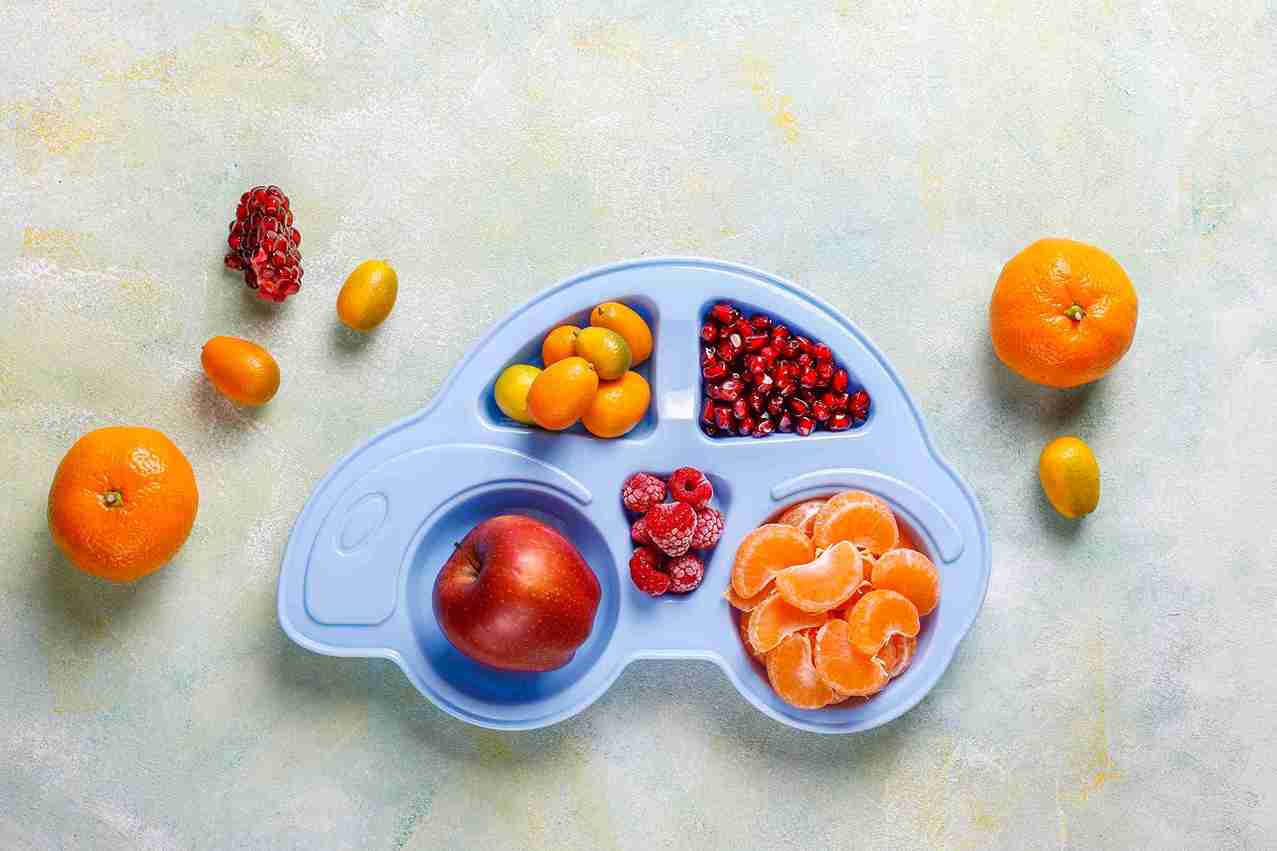
During the school years, children rely on good nutrition to support normal brain development, learning, memory and concentration. The greatest benefits come from eating a variety of nutritious foods regularly, as different nutrients work together to support healthy brain development. Combined with adequate sleep, regular physical activity and opportunities to learn through play, good nutrition creates a strong foundation for cognitive growth.
Different nutrients support the brain in different ways. Including a variety of these nutrients in your child's daily diet helps support normal brain development, learning and concentration.
Omega-3 fatty acids are important for normal brain development and function.
Good food sources include:
These are among the best-known omega-3 foods for kids and can be included regularly in a healthy diet.
Protein supports healthy growth and provides the building blocks needed for normal brain function.
Good food sources include:
Iron helps carry oxygen throughout the body, including to the brain, supporting learning and attention.
Good food sources include:

Choline contributes to normal brain development and supports memory.
Good food sources include:
B vitamins help the body convert food into energy and support healthy nervous system function.
Good food sources include:
Iodine supports normal brain development and healthy thyroid function.
Good food sources include:
Fruits and vegetables rich in antioxidants are part of a healthy, balanced diet that supports overall health, including brain health.
Good food sources include:
Children with food allergies, restrictive diets or certain medical conditions may have different nutritional needs. Speak with a paediatrician or dietitian if you have concerns about your child's diet.
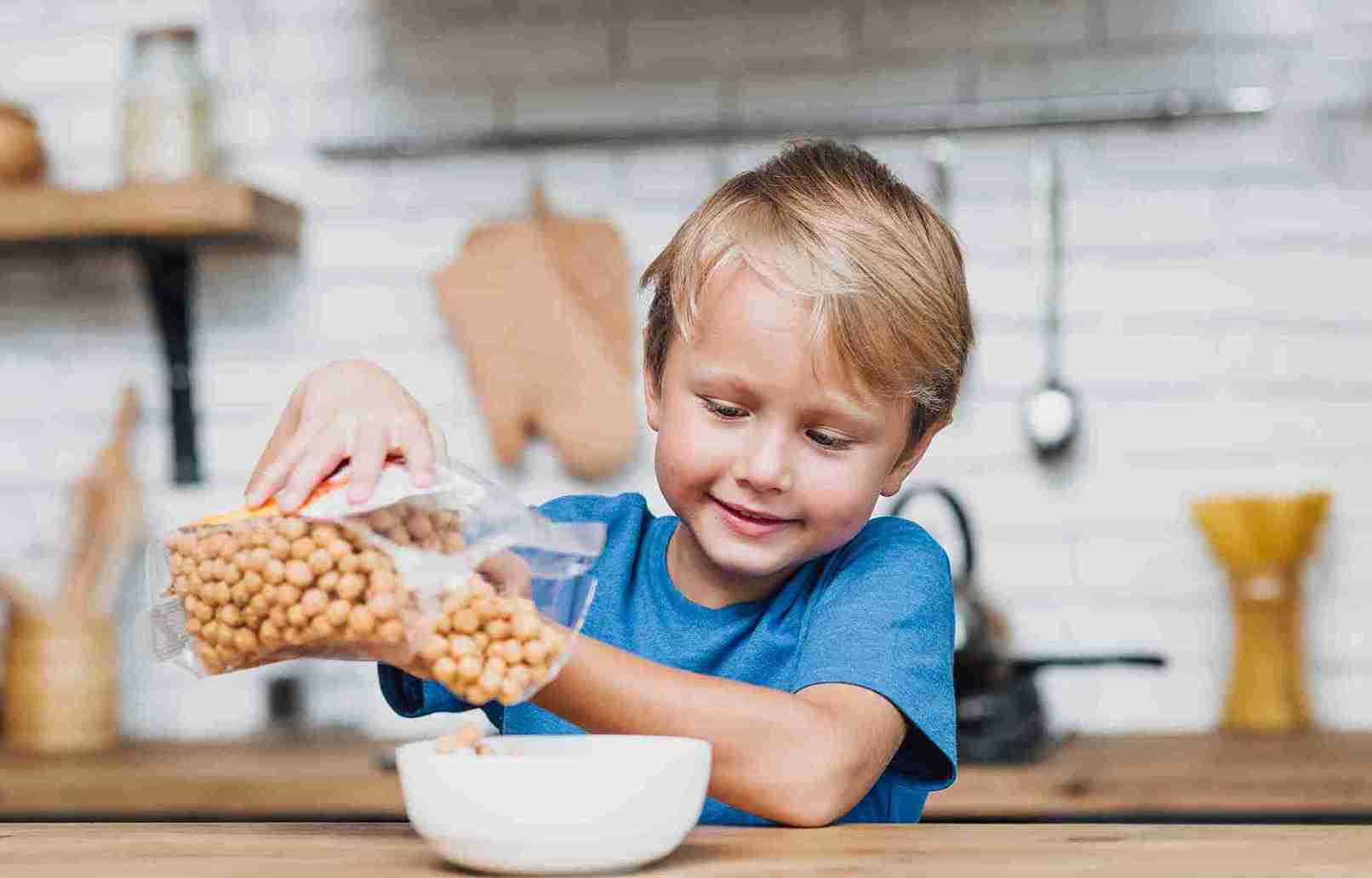
After an overnight fast, breakfast helps replenish energy stores and prepares children for the school day. A healthy, nutritious breakfast helps provide steady energy for the morning and may support attention, learning and concentration at school.
A nutritious breakfast usually combines three important components:
Some balanced breakfast ideas include:
When choosing foods that improve focus in children, focus on a variety of nutrient-rich options that support concentration, learning and overall brain health.
Good nutrition isn't limited to breakfast. Children benefit from regular, balanced meals and snacks that provide a steady supply of energy throughout the day.
Some simple ways to support healthy eating include:
Rather than focusing on individual "brain foods", aim for variety across meals. Different foods provide different nutrients, and together they support healthy growth, learning and overall wellbeing.

Healthy eating also means following regular meal patterns. It also includes regular meal patterns. Skipping meals or relying heavily on sugary drinks and highly processed snacks may make it harder for some children to maintain steady energy levels during the school day.
These habits may lead to energy fluctuations, making it harder for some children to stay attentive during school and other daily activities. Establishing regular meal patterns with healthy food choices can help children maintain more consistent energy levels throughout the day.
Brain health depends on more than nutrition alone. Everyday habits such as getting enough sleep, staying active and making time for reading and play all contribute to a child's overall wellbeing and ability to learn.
A well-rested brain is better able to focus, learn and retain new information. Following a consistent bedtime routine and ensuring children get adequate sleep for their age can support learning and overall wellbeing.
Regular physical activity improves overall health and supports healthy brain function. Outdoor play, sports, cycling and other enjoyable activities also help children stay physically active and reduce sedentary time.
Reading books, solving puzzles, drawing, building with blocks and imaginative play encourage curiosity, creativity and problem-solving. These everyday activities support learning in enjoyable and age-appropriate ways.
Water is essential for overall health. Encourage children to drink water regularly throughout the day, especially during school and outdoor activities. Staying well hydrated can help children feel their best and stay ready to learn.
Recreational screen time is a part of modern childhood, but it should be balanced with physical activity, sleep, reading and face-to-face interactions. Setting healthy boundaries around screen use helps create time for activities that support learning and development.

Supporting a child's brain development doesn't require expensive supplements or special "superfoods." A wholesome diet, regular meals, an active lifestyle, good sleep and plenty of opportunities to learn through play all work together to support healthy growth and cognitive development.
Instead of relying on individual foods that improve focus in children, aim to build consistent, healthy habits that the whole family can enjoy. Small, consistent habits developed during childhood can support lifelong health, learning and wellbeing.
If you have concerns about your child's nutrition, growth or ability to concentrate, speak with a paediatrician. They can help identify any underlying concerns and provide personalised guidance to support your child's healthy development.

No individual food can increase a child's intelligence. Instead, wholesome meals that include foods rich in omega-3 fatty acids, protein, iron, choline, iodine and other essential nutrients support normal brain development, learning and concentration as part of a healthy lifestyle.
Fruits can contribute to nutrition for brain development by providing essential vitamins, minerals and antioxidants. Including a variety of seasonal fruits as part of a balanced diet is a healthy choice.
Nuts such as walnuts and almonds provide healthy fats, protein and other nutrients that support overall brain health. While no single food improves memory on its own, including nuts (where age-appropriate and if there are no allergies) as part of a nutritious diet can contribute to healthy nutrition.
Eggs are a nutritious source of protein and choline, both of which play a role in normal brain development and function. Including eggs in a balanced diet can help children meet their nutritional needs.







 Best Gynecologists in Bellandur Best Gynecologists in Electronic City Best Gynecologists in HRBR LayoutBest Gynecologists in Jayanagar Best Gynecologists in Kanakapura RoadBest Gynecologists in Malleswaram Best Gynecologists in Nagarbhavi Best Gynecologists in Old Airport RoadBest Gynecologists in Sahakarnagar Best Gynecologists in Sarjapur RoadBest Gynecologists in ThanisandraBest Gynecologists in Varthur RoadBest Gynecologists in Whitefield Best Gynecologists in Industrial Area Phase IIBest Gynecologists in OMRBest Gynecologists in T NagarBest Gynecologists in New Industrial TownBest Gynecologists in IndirapuramBest Gynecologists in Golf Course RoadBest Gynecologists in Sector 14Best Gynecologists in Sector 47Best Gynecologists in Banjara HillsBest Gynecologists in GachibowliBest Gynecologists in Hitech CityBest Gynecologists in KompallyBest Gynecologists in Gomti NagarBest Gynecologists in MaladBest Gynecologists in NerulBest Gynecologists in VashiBest Gynecologists in Kailash ColonyBest Gynecologists in PatparganjBest Gynecologists in Punjabi BaghBest Gynecologists in VikaspuriBest Gynecologists in Gaur CityBest Gynecologists in Pari ChowkBest Gynecologists in Sector 51Best Gynecologists in Sector 5 Swastik ViharBest Gynecologists in Kalyani NagarBest Gynecologists in SB RoadBest Gynecologists in Pimple SaudagarBest Pediatricians in BellandurBest Pediatricians in Electronic CityBest Pediatricians in HRBR LayoutBest Pediatricians in JayanagarBest Pediatricians in Kanakapura RoadBest Pediatricians in MalleswaramBest Pediatricians in NagarbhaviBest Pediatricians in Old Airport RoadBest Pediatricians in SahakarnagarBest Pediatricians in Sarjapur RoadBest Pediatricians in ThanisandraBest Pediatricians in Varthur RoadBest Pediatricians in WhitefieldBest Pediatricians in Industrial Area Phase IIBest Pediatricians in OMRBest Pediatricians in T NagarBest Pediatricians in New Industrial TownshipBest Pediatricians in IndirapuramBest Pediatricians in Golf Course RoadBest Pediatricians in Sector 14Best Pediatricians in Sector 47Best Pediatricians in Hitech CityBest Pediatricians in Banjara HillsBest Pediatricians in GachibowliBest Pediatricians in KompallyBest Pediatricians in Gomti NagarBest Pediatricians in MaladBest Pediatricians in NerulBest Pediatricians in VashiBest Pediatricians in Kailash ColonyBest Pediatricians in PatparganjBest Pediatricians in Punjabi BaghBest Pediatricians in VikaspuriBest Pediatricians in Gaur CityBest Pediatricians in Pari ChowkBest Pediatricians in Sector 51Best Pediatricians in Sector 5 Swastik ViharBest Pediatricians in Kalyani NagarBest Pediatricians in SB RoadBest Pediatricians in Pimple Saudagar


