


If you have been told you have uterine fibroids, your first fear may be that a major surgery is on the way, the kind that puts you in hospital for days and keeps you off your feet for weeks. That fear is understandable, but in most cases, it may not be so.
Fibroids are non-cancerous growths inside or around the uterus. They are common, more so among Indian women in their 30’s and 40’s, and they can cause heavy periods, pelvic pressure, frequent urination, and difficulty conceiving. But the way fibroids are treated has changed a great deal in the last decade. Today, most women do not need open surgery. There is a range of minimally invasive fibroid treatments available that are effective, uterus-sparing, and come with far shorter recovery times than a traditional operation.
Here is what those options look like.
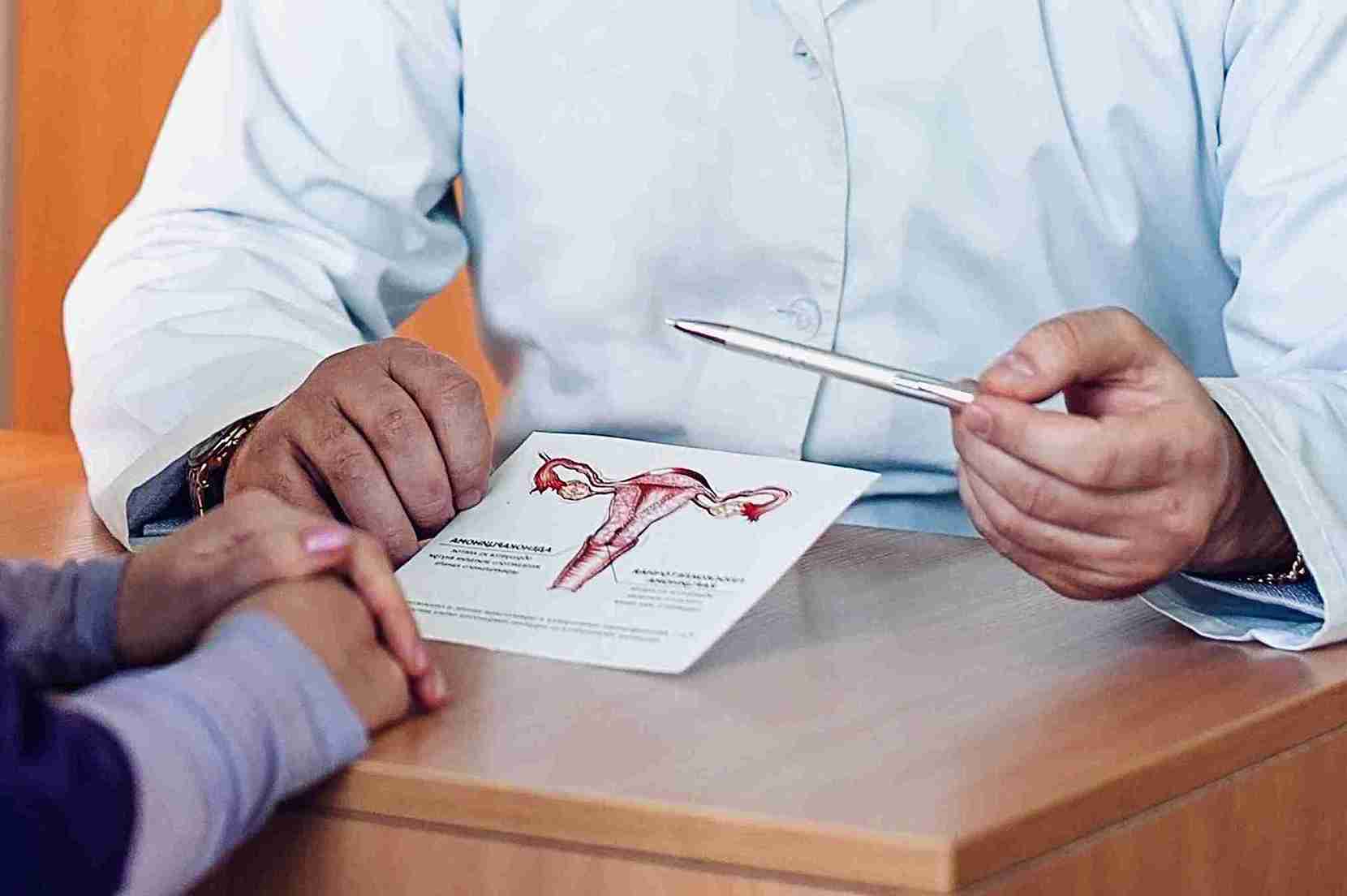
Open abdominal fibroid surgery is still done in some situations, but it is no longer the default. It means a few days in hospital, significant post-operative pain, and 4-6 weeks of recovery before you feel anywhere near normal again.
Minimally invasive approaches use small incisions, a camera, or image-guided techniques to do the same work with far less disruption. Recovery is measured in days to two weeks, not months. Blood loss is lower. Scarring is minimal. And in many cases, the uterus is left fully intact, which matters enormously if you want to have children.
This is used for fibroids that grow inside the uterine cavity, called submucosal fibroids. A thin, and lighted tube, the hysteroscope, is passed through the vagina into the uterus. No cuts on the abdomen at all. The surgeon attaches small tools to the hysteroscope to shave away or remove the fibroid from inside.
It is usually done as a day procedure. Most women go home the same day and can return to normal activities within 1-2 weeks. If your fibroids cause heavy bleeding or affect the uterine lining, this is the direct fix you need.
For fibroids in the uterine wall or on its outer surface, a laparoscopic approach works well. The surgeon makes 2-4 small cuts in the abdomen, each less than a centimetre, and inserts a camera and thin instruments to locate and remove the fibroids. The uterus is kept intact.
Compared to open surgery, there is less blood loss in laparoscopic myomectomy, quicker recovery, reduced pain after surgery, and smaller incisions. Most women are back to their usual routine within 2-4 weeks. It is a good option for women who want to preserve fertility while treating fibroids that cannot be reached hysteroscopically.
UFE is a non surgical fibroid treatment performed not by a gynaecologist but by an interventional radiologist. No scalpel, no incisions in the abdomen. Instead, a thin, flexible tube is guided through a small entry point in the wrist or groin into the blood vessels that feed the fibroids. Tiny particles are released through the catheter, blocking the blood supply. Without blood, the fibroids shrink.
Most patients recover from UFE within about 10 days and can return to work and daily activities. The uterus is preserved. This makes UFE one of the more appealing uterine fibroid treatment options for women who want to avoid surgery entirely. It works well for multiple fibroids and for women for whom surgery carries a higher risk.
One thing to know: UFE is not routinely recommended for women who are actively trying to conceive, as its effect on future fertility is still being studied. Women over 45 also need to discuss the small risk of premature menopause with their doctor before choosing this route.

This procedure destroys the inner lining of the uterus to reduce or stop heavy bleeding. It is done using heat, cold, or radiofrequency energy passed through the cervix; again, no abdominal cuts. It is quick, usually done under sedation, and recovery takes just a few days.
The key limitation: endometrial ablation affects fertility and is only recommended for women who have completed their family. It also works best for smaller fibroids near the lining, not for large fibroids deeper in the uterine wall. It is more a treatment for the symptom, which is heavy bleeding, than for the fibroid itself.
Some women have both fibroids and uterine polyps causing their symptoms. A hysteroscope can remove polyps and small fibroids, all in one procedure, with no abdominal incision. Recovery is fast, and the procedure is done as a day case.
A newer fibroid treatment option is available; this uses small abdominal incisions to pass a probe directly into the fibroid. Heat energy is delivered to destroy the fibroid tissue from within. The fibroid shrinks over the following weeks. Recovery is quick, often less than a week, and the uterus is preserved.
There is no single answer. The right fibroid treatment option depends on several factors:
● Where the fibroid is located - inside the cavity (submucosal), in the wall (intramural), or on the outer surface (subserosal) determines which approach is technically feasible
● How many fibroids are there, and their size
● Your symptoms - heavy bleeding respond differently to UFE versus ablation versus myomectomy
● Whether you want to have children, some procedures preserve fertility, while others do not
● Your overall health - certain conditions make some options safer than others
This is why a proper assessment, including a pelvic ultrasound and a consultation with both a gynaecologist and, in the case of UFE, an interventional radiologist, is the starting point before choosing any treatment.
Not all fibroid management starts with a procedure. Some women use medicines first to shrink fibroids or manage symptoms:
● Tranexamic acid reduces blood loss during periods without affecting hormones. It does not shrink fibroids but makes heavy days more bearable.
● The hormonal IUD is one of the most effective ways to control fibroid-related heavy bleeding without surgery. It does not remove fibroids but dramatically reduces the bleeding they cause.
● GnRH agonists temporarily switch off oestrogen production, which shrinks fibroids. They are used for a few months before surgery to reduce fibroid size and make a procedure easier or safer. They cannot be used long-term.
This is the question many women in their 30’s ask most urgently. The good news is that several non-surgical fibroid and minimally invasive options, like hysteroscopic or laparoscopic myomectomy and UFE, preserve the uterus fully.
Women with fibroids who want to get pregnant should specifically discuss fertility-preserving options with a reproductive specialist or gynaecologist who understands both sides of the picture.

The days of "you need surgery for fibroids" are behind us for most women. Minimally invasive fibroid treatment has made it possible to remove or shrink fibroids, relieve symptoms, and preserve the uterus, all without the recovery that used to come with major abdominal surgery. If you have been putting off seeking help because you are afraid of what the doctor will suggest, it is worth knowing that the options today are far more manageable than they used to be.

Yes, several options do. Hysteroscopic myomectomy and laparoscopic myomectomy both remove fibroids while leaving the uterus intact, which preserves the ability to conceive. Hysteroscopic myomectomy can also improve fertility when submucosal fibroids are blocking implantation. UFE preserves the uterus but is generally not the first choice for women actively trying to get pregnant, as pregnancy results after the procedure are mixed.
Yes. Several non-surgical fibroid treatment options are available. Uterine fibroid embolisation (UFE) uses a catheter to block the blood supply to fibroids, causing them to shrink, with no abdominal incisions. Hysteroscopic myomectomy removes fibroids through the vagina using a camera. Medicines like the hormonal IUD or tranexamic acid manage symptoms effectively. The right choice depends on fibroid size, location, and the woman's symptoms and fertility goals.
Yes, laparoscopic myomectomy is a well-established and safe fibroid treatment option. It carries a lower risk of complications than open surgery, with less blood loss and a much shorter recovery. As with any surgical procedure, risks like infection, bleeding, or scar tissue are possible, but these are less common than with open abdominal surgery.
It depends on the procedure. Hysteroscopic myomectomy allows women to return to normal activity within 1-2 weeks. Laparoscopic myomectomy usually takes 2-4 weeks. UFE recovery is often around 10 days for most women. Endometrial ablation has the shortest recovery, a few days, but is only for women who have completed their family. All are considerably faster than the four to six weeks needed after open abdominal surgery.


 Best Gynecologists in Bellandur Best Gynecologists in Electronic City Best Gynecologists in HRBR LayoutBest Gynecologists in Jayanagar Best Gynecologists in Kanakapura RoadBest Gynecologists in Malleswaram Best Gynecologists in Nagarbhavi Best Gynecologists in Old Airport RoadBest Gynecologists in Sahakarnagar Best Gynecologists in Sarjapur RoadBest Gynecologists in ThanisandraBest Gynecologists in Varthur RoadBest Gynecologists in Whitefield Best Gynecologists in Industrial Area Phase IIBest Gynecologists in OMRBest Gynecologists in T NagarBest Gynecologists in New Industrial TownBest Gynecologists in IndirapuramBest Gynecologists in Golf Course RoadBest Gynecologists in Sector 14Best Gynecologists in Sector 47Best Gynecologists in Banjara HillsBest Gynecologists in GachibowliBest Gynecologists in Hitech CityBest Gynecologists in KompallyBest Gynecologists in Gomti NagarBest Gynecologists in MaladBest Gynecologists in NerulBest Gynecologists in VashiBest Gynecologists in Kailash ColonyBest Gynecologists in PatparganjBest Gynecologists in Punjabi BaghBest Gynecologists in VikaspuriBest Gynecologists in Gaur CityBest Gynecologists in Pari ChowkBest Gynecologists in Sector 51Best Gynecologists in Sector 5 Swastik ViharBest Gynecologists in Kalyani NagarBest Gynecologists in SB RoadBest Gynecologists in Pimple SaudagarBest Pediatricians in BellandurBest Pediatricians in Electronic CityBest Pediatricians in HRBR LayoutBest Pediatricians in JayanagarBest Pediatricians in Kanakapura RoadBest Pediatricians in MalleswaramBest Pediatricians in NagarbhaviBest Pediatricians in Old Airport RoadBest Pediatricians in SahakarnagarBest Pediatricians in Sarjapur RoadBest Pediatricians in ThanisandraBest Pediatricians in Varthur RoadBest Pediatricians in WhitefieldBest Pediatricians in Industrial Area Phase IIBest Pediatricians in OMRBest Pediatricians in T NagarBest Pediatricians in New Industrial TownshipBest Pediatricians in IndirapuramBest Pediatricians in Golf Course RoadBest Pediatricians in Sector 14Best Pediatricians in Sector 47Best Pediatricians in Hitech CityBest Pediatricians in Banjara HillsBest Pediatricians in GachibowliBest Pediatricians in KompallyBest Pediatricians in Gomti NagarBest Pediatricians in MaladBest Pediatricians in NerulBest Pediatricians in VashiBest Pediatricians in Kailash ColonyBest Pediatricians in PatparganjBest Pediatricians in Punjabi BaghBest Pediatricians in VikaspuriBest Pediatricians in Gaur CityBest Pediatricians in Pari ChowkBest Pediatricians in Sector 51Best Pediatricians in Sector 5 Swastik ViharBest Pediatricians in Kalyani NagarBest Pediatricians in SB RoadBest Pediatricians in Pimple Saudagar