





Losing an ovary, whether through surgery for an ovarian cyst, an ectopic pregnancy, torsion, or cancer treatment, raises an immediate and understandable question: what does this mean for my fertility? Can I still get pregnant? Will my body still ovulate? Is one ovary enough?
The right answer is yes! Pregnancy with one ovary is possible for most women, as even one healthy ovary can lead to natural conception. There are a lot of parameters to be monitored for this. Firstly, you need to understand what an ovary can do and what are the other factors that can impact fertility.
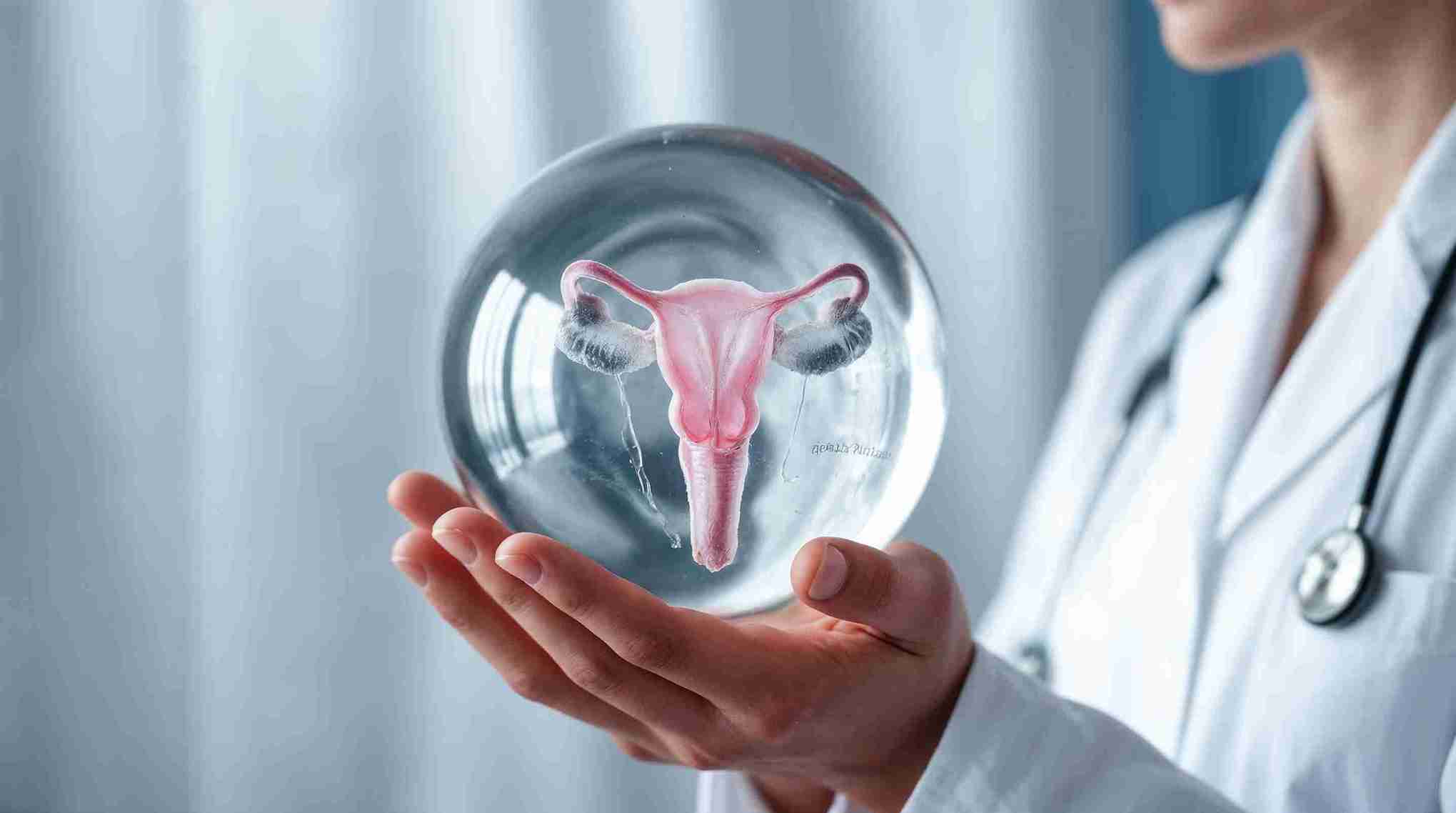
In general, both ovaries produce eggs. Every month, one follicle in any of the ovaries becomes dominant and during ovulation, it matures an egg is released. When only one ovary is present, it takes over and performs the functions of both the ovaries. It develops more follicles, and ovulates in a normal way. It also performs all the hormonal and reproductive functions that can lead to pregnancy.
Yes, as indicated above, it is totally possible. Ovulation happens and the menstrual cycles continue in a normal way with the one functioning ovary. Still, there are a few points to be noted.
AMH levels - The Anti-Müllerian Hormone is the once that indicates the size of the ovarian reserve. This can be low if you have only one ovary. This is expected and does not mean fertility is impaired in absolute terms, but it does mean the reserve is smaller. A woman with one ovary has roughly half the egg pool of a woman with two healthy ovaries.
Age - as with any fertility consideration, age remains the most significant factor. A woman in her late twenties who loses one ovary has a much larger remaining reserve than a woman in her late thirties in the same situation. The remaining ovary's reserve declines with age just as two ovaries would, but from a smaller starting point.
Reason for removal - the cause of the original ovarian problem matters. If the ovary was removed because of endometriosis, the remaining ovary may also be affected by endometriosis, which can independently reduce reserve. If the removal was due to torsion or a benign cyst in an otherwise healthy woman, the remaining ovary is likely to be entirely normal.
Multiple studies have looked at conception rates in women with one ovary compared to women with two:
Certain factors, such as ovarian reserve, age, and other fertility factors, are important to understand the possibility of natural pregnancy.
_11zon.jpg)
Yes, many women with one ovary conceive naturally without any medical intervention. The key is that ovulation must be happening, the remaining fallopian tube must be open, and there must be no other significant fertility barrier.
One specific situation is worth noting: if the remaining ovary is on the opposite side to the remaining fallopian tube, does the egg still reach the tube? The answer is generally yes, while the egg is most efficiently picked up by the tube on the same side, the egg can travel across the pelvis and be picked up by the opposite tube. This is called cross-fertilisation and does happen, though it is less efficient than same-side pickup.
If the fallopian tube on the same side as the remaining ovary was also removed, natural conception may be significantly more difficult. In that case, IVF, which bypasses the fallopian tubes entirely, becomes the most practical path to pregnancy.
For most women with one ovary, the advice is the same as for any woman trying to conceive: try naturally for a reasonable period before seeking evaluation. The standard guidance is:
However, a woman with one ovary may want to see a fertility specialist earlier if:
A basic fertility workup can quickly identify whether there are any additional concerns beyond the single ovary.

For women with one ovary who need IVF, IVF is entirely feasible.
Ovarian stimulation in IVF works differently with one ovary:
For women with significantly reduced AMH from one ovary and older age together, egg freezing at an earlier stage, while reserve is still reasonable, may be worth discussing with a fertility specialist as a proactive step.
Having one ovary is not the fertility barrier many women fear it to be. For most, ovulation continues, cycles remain regular, and natural pregnancy is achievable. The remaining ovary compensates significantly, and the most important fertility factors, like age, ovarian reserve quality, tubal health, and partner sperm, are what actually determine outcomes. If you have one ovary and are thinking about pregnancy, get a fertility assessment done early, understand your current reserve, and make decisions based on the full picture.


Yes, you can get pregnant with one ovary. Pregnancy with one ovary is entirely possible and happens regularly without any medical assistance. The remaining ovary compensates by producing more follicles per cycle, and ovulation typically continues normally. Many women with one ovary conceive naturally within the same timeframe as women with two ovaries, particularly if they are younger and the remaining ovary has good reserve. A fertility assessment gives a clear picture of individual chances.
It can, but usually less than expected. One ovary and fertility coexist well for most women, the remaining ovary takes over the full reproductive role. AMH levels will be lower since the egg pool is roughly halved, and IVF may yield fewer eggs per stimulation cycle. Age and ovarian reserve quality matter more than the number of ovaries. Women with one ovary should have their reserve checked and may benefit from earlier fertility evaluation if conception is a goal.
Yes, in most cases. The remaining ovary continues to develop follicles, produce hormones, and release eggs each cycle. Menstrual cycles usually remain regular after ovary removal, indicating that ovulation is continuing. If periods become irregular after losing an ovary, this suggests the hormonal picture may need assessment, but for most women with a healthy remaining ovary, ovulation proceeds normally and the cycle continues as before.
Slightly, in some situations, especially in older women or those with reduced reserve in the remaining ovary. But for most younger women with a healthy remaining ovary, natural pregnancy rates are comparable to the general population. Fertility with one ovary in IVF may mean fewer eggs retrieved per cycle, which can require more cycles. The most important factors are age, reserve quality, tubal health, and partner sperm, not simply the number of ovaries.


 Best Gynecologists in Bellandur Best Gynecologists in Electronic City Best Gynecologists in HRBR LayoutBest Gynecologists in Jayanagar Best Gynecologists in Kanakapura RoadBest Gynecologists in Malleswaram Best Gynecologists in Nagarbhavi Best Gynecologists in Old Airport RoadBest Gynecologists in Sahakarnagar Best Gynecologists in Sarjapur RoadBest Gynecologists in ThanisandraBest Gynecologists in Varthur RoadBest Gynecologists in Whitefield Best Gynecologists in Industrial Area Phase IIBest Gynecologists in OMRBest Gynecologists in T NagarBest Gynecologists in New Industrial TownBest Gynecologists in IndirapuramBest Gynecologists in Golf Course RoadBest Gynecologists in Sector 14Best Gynecologists in Sector 47Best Gynecologists in Banjara HillsBest Gynecologists in GachibowliBest Gynecologists in Hitech CityBest Gynecologists in KompallyBest Gynecologists in Gomti NagarBest Gynecologists in MaladBest Gynecologists in NerulBest Gynecologists in VashiBest Gynecologists in Kailash ColonyBest Gynecologists in PatparganjBest Gynecologists in Punjabi BaghBest Gynecologists in VikaspuriBest Gynecologists in Gaur CityBest Gynecologists in Pari ChowkBest Gynecologists in Sector 51Best Gynecologists in Sector 5 Swastik ViharBest Gynecologists in Kalyani NagarBest Gynecologists in SB RoadBest Gynecologists in Pimple SaudagarBest Pediatricians in BellandurBest Pediatricians in Electronic CityBest Pediatricians in HRBR LayoutBest Pediatricians in JayanagarBest Pediatricians in Kanakapura RoadBest Pediatricians in MalleswaramBest Pediatricians in NagarbhaviBest Pediatricians in Old Airport RoadBest Pediatricians in SahakarnagarBest Pediatricians in Sarjapur RoadBest Pediatricians in ThanisandraBest Pediatricians in Varthur RoadBest Pediatricians in WhitefieldBest Pediatricians in Industrial Area Phase IIBest Pediatricians in OMRBest Pediatricians in T NagarBest Pediatricians in New Industrial TownshipBest Pediatricians in IndirapuramBest Pediatricians in Golf Course RoadBest Pediatricians in Sector 14Best Pediatricians in Sector 47Best Pediatricians in Hitech CityBest Pediatricians in Banjara HillsBest Pediatricians in GachibowliBest Pediatricians in KompallyBest Pediatricians in Gomti NagarBest Pediatricians in MaladBest Pediatricians in NerulBest Pediatricians in VashiBest Pediatricians in Kailash ColonyBest Pediatricians in PatparganjBest Pediatricians in Punjabi BaghBest Pediatricians in VikaspuriBest Pediatricians in Gaur CityBest Pediatricians in Pari ChowkBest Pediatricians in Sector 51Best Pediatricians in Sector 5 Swastik ViharBest Pediatricians in Kalyani NagarBest Pediatricians in SB RoadBest Pediatricians in Pimple Saudagar


