





A teenager may head to their room at a reasonable hour, but that doesn't always mean they are ready to sleep. There may still be homework to finish, messages to answer or thoughts about tomorrow's test running through their mind. By morning, getting out of bed becomes difficult, and the cycle begins again.
Teenagers' sleep is influenced by more than just bedtime. During adolescence, natural sleep patterns begin to shift, while school schedules, academic demands, social life, stress and digital habits can all compete with the time available for rest.
For parents, this can easily become a source of disagreement: “Put your phone away.” “Go to sleep earlier.” “Why are you always tired?” A more useful starting point is to understand what may be keeping your teenager awake and involve them in finding habits that work.
In this article, let's look at why sleep changes during adolescence, how teenage stress and screen time may fit into the picture, and when ongoing sleep difficulties warrant medical attention.
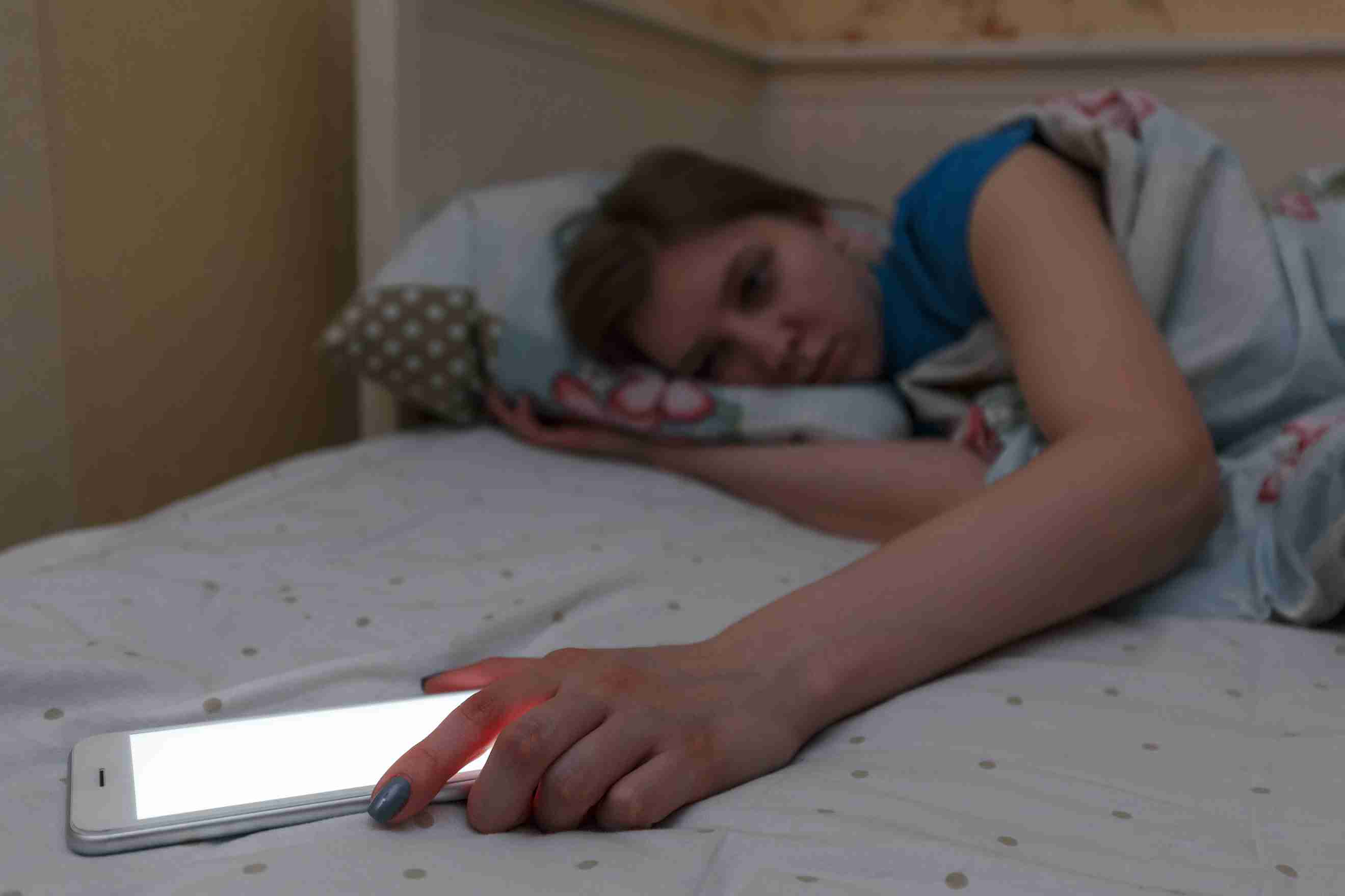
As children move through adolescence, their internal body clock naturally shifts. Many teenagers begin to feel sleepy later in the evening than they did when they were younger, which can make an early bedtime difficult, even when they know they have to wake up early for school.
The problem is that morning schedules don't necessarily shift with them. After-school activities, sports, music or dance lessons and the travel involved can make an already busy day longer, leaving less opportunity for sufficient rest when nights run late.
Understanding this biological change can help parents view sleep differently. A teenager who isn't sleepy early isn't necessarily being difficult, but maintaining regular routines still matters when balancing a later natural sleep tendency with everyday responsibilities.
Sometimes insufficient sleep becomes most obvious in the morning. Your teenager needs several reminders to get out of bed, rushes through breakfast and struggles to feel fully awake before school. In other cases, the effects become clearer later in the day.
A teenager who regularly isn't getting enough rest may:
● Feel sleepy or tired during the day.
● Have difficulty concentrating.
● Become more irritable than usual.
● Fall asleep after coming home from school.
● Sleep considerably later when given the opportunity.
An occasional late night is unlikely to tell you much by itself. The more useful question is whether tiredness has become part of your teenager's usual week and is beginning to affect how they manage school and everyday activities.
A teenager can be exhausted after a long day and still struggle to switch off once they get into bed. An upcoming exam, an unfinished assignment, a disagreement with a friend, or simply thinking through everything that needs to happen tomorrow may keep their mind active long after the room becomes quiet. Stress and worry are recognised contributors to sleep difficulties in teenagers.
This relationship can also work in the other direction. When a teenager hasn't rested well, concentrating or dealing with everyday pressures may feel more difficult the following day. That doesn't mean every late night is caused by stress, or that occasional tiredness indicates an emotional problem.
If this becomes a pattern, look beyond bedtime itself. Understanding whether something is worrying your teenager can help you identify what kind of support they may need.
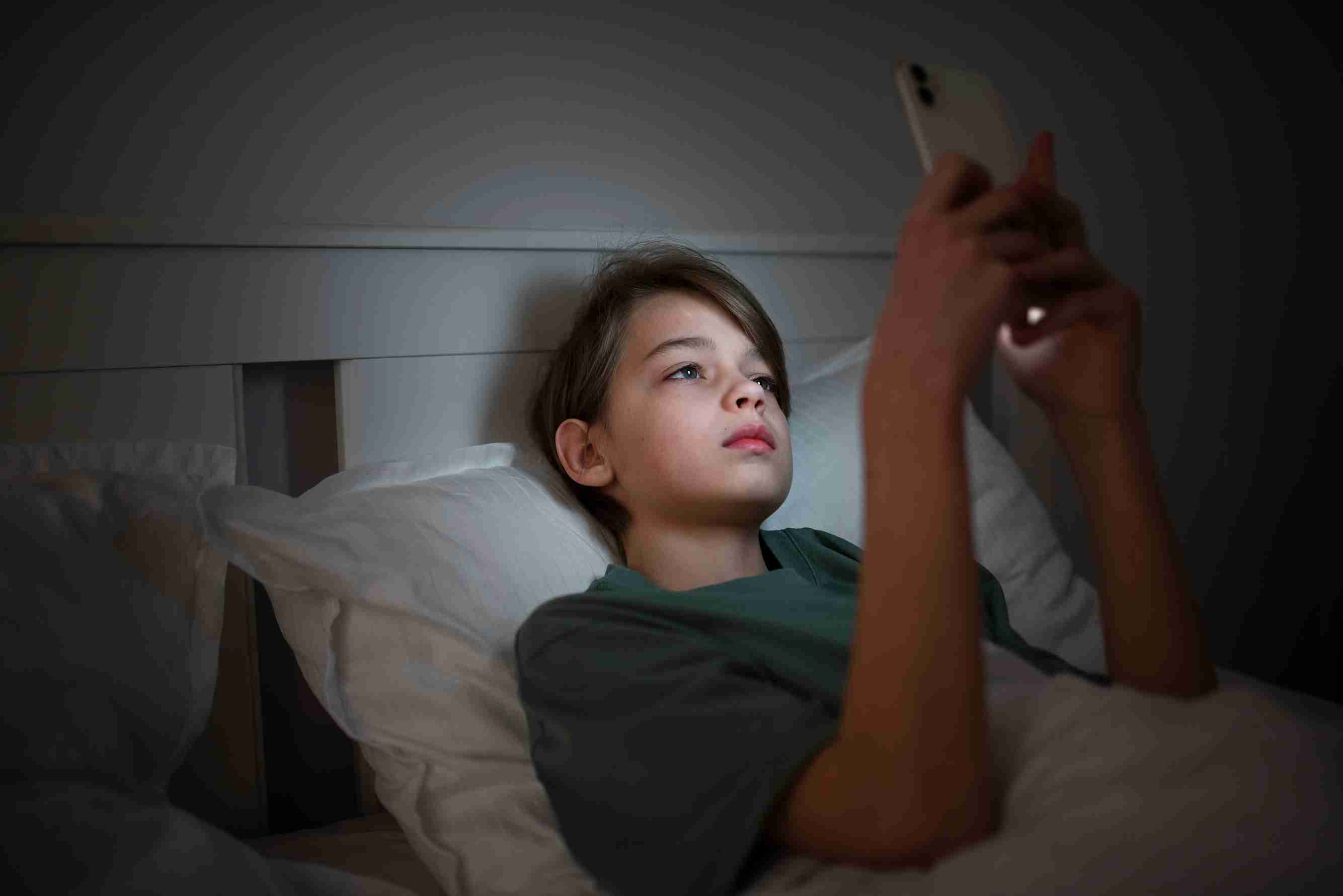
A teenager may intend to check one message before bed and then realise much later that they are still scrolling, chatting or watching videos. In this situation, device use may affect sleep in more than one way.
Light from screens in the evening may interfere with the body's natural signals that help prepare for sleep. Just as importantly, what teenagers are doing on their devices can keep them engaged when they might otherwise be winding down. Notifications, conversations, gaming or an interesting video can also extend screen use beyond the time they originally intended.
This doesn't mean that every teenager with a phone will develop sleep problems. When considering screen time and sleep, it is more useful to note whether evening device use regularly delays sleep or interrupts it after your teenager has gone to bed.
For a 14-year-old, a phone may be an alarm clock, a way to speak with friends and part of how they organise school life. Simply taking it away every evening may therefore turn a sleep issue into an argument about independence.
Instead, talk about what happens after your teenager goes to bed. Are notifications waking them? Do they often intend to stop using the phone but end up using it longer than planned? Would putting it on Do Not Disturb, charging it away from the bed or agreeing on a stopping time make nights easier?
The arrangement does not have to look identical in every household. What matters is finding a realistic boundary that protects sleep and works consistently for your family.
A teenager's evening is unlikely to follow the kind of bedtime routine they had as a younger child. Homework may finish at different times, extracurricular activities can run late, and some evenings will be busier than others.
Rather than creating a rigid sequence, help your teenager identify a realistic point when the active part of the day begins to slow down. This could mean finishing schoolwork, preparing what they need for the next morning and leaving some quieter time before trying to sleep.
A reasonably consistent sleep and wake schedule can also help, while caffeine later in the day and a bedroom that is too bright, noisy or uncomfortable may make it harder to settle. A workable routine doesn't have to look the same every evening. The aim is to provide some predictability around sleep while allowing for the realities of school, activities and changing schedules.
The amount of sleep a young person needs changes with age. Since this article covers ages 12–16, one figure does not apply equally to the entire group.
According to the American Academy of Sleep Medicine:
● 12-year-olds: 9–12 hours of sleep in 24 hours.
● 13–16-year-olds: 8–10 hours of sleep in 24 hours.
These ranges are useful guides rather than targets to calculate down to the minute. Individual sleep needs can vary within the recommended range, so the aim is to provide enough opportunity for regular, adequate sleep.
A few restless nights during exams or an occasional late night are different from sleep problems in teenagers that persist and begin to affect everyday life.
Consider speaking with a paediatrician if your teenager:
● Regularly has difficulty falling asleep or staying asleep.
● Is excessively sleepy during the day despite having enough opportunity to sleep.
● Frequently snores loudly, gasps or appears to have pauses in breathing during sleep.
● Has sleep difficulties that are affecting school attendance, concentration or everyday functioning.
● Develops a substantial or persistent change in sleep alongside concerning changes in mood or behaviour.
An assessment can help determine whether an underlying sleep, medical or emotional concern needs attention.

By adolescence, parents have less control over how a young person manages their bedtime and evening routine. What they can do is help teenagers recognise their own sleep patterns and notice when something is getting in the way of adequate rest.
Instead of beginning with “Why are you still awake?”, try finding out what may be keeping them awake. The answer may be different on different nights, and listening first can make it easier to work towards realistic changes together.
The aim is for teenagers to take greater responsibility for their health gradually. Learning to recognise when they are overtired, what helps them unwind and when they need support can be an important part of that growing independence.

For the age group covered in this article, 12-year-olds are generally recommended to get 9–12 hours of sleep per 24 hours, while teenagers aged 13–16 are recommended to get 8–10 hours of sleep per 24 hours. Individual needs can vary within these ranges.
It can. Evening screen use may delay sleep through light exposure, while stimulating content, conversations, gaming, or notifications can keep teenagers alert or awake longer than intended. The effect depends on factors such as when devices are used and what the teenager is doing on them.
Start by giving your teenager opportunities to talk without immediately trying to solve the problem. Understanding whether schoolwork, friendships, a busy schedule, or another concern is weighing on them can help you work together to find realistic ways to reduce pressure. If stress is persistent or begins significantly affecting sleep or daily life, consider discussing it with a healthcare professional.
Speak with a paediatrician if sleep difficulties persist, are significantly affecting your teenager during the day, or you notice concerning symptoms during sleep, such as frequent loud snoring, gasping or pauses in breathing.


 Best Gynecologists in Bellandur Best Gynecologists in Electronic City Best Gynecologists in HRBR LayoutBest Gynecologists in Jayanagar Best Gynecologists in Kanakapura RoadBest Gynecologists in Malleswaram Best Gynecologists in Nagarbhavi Best Gynecologists in Old Airport RoadBest Gynecologists in Sahakarnagar Best Gynecologists in Sarjapur RoadBest Gynecologists in ThanisandraBest Gynecologists in Varthur RoadBest Gynecologists in Whitefield Best Gynecologists in Industrial Area Phase IIBest Gynecologists in OMRBest Gynecologists in T NagarBest Gynecologists in New Industrial TownBest Gynecologists in IndirapuramBest Gynecologists in Golf Course RoadBest Gynecologists in Sector 14Best Gynecologists in Sector 47Best Gynecologists in Banjara HillsBest Gynecologists in GachibowliBest Gynecologists in Hitech CityBest Gynecologists in KompallyBest Gynecologists in Gomti NagarBest Gynecologists in MaladBest Gynecologists in NerulBest Gynecologists in VashiBest Gynecologists in Kailash ColonyBest Gynecologists in PatparganjBest Gynecologists in Punjabi BaghBest Gynecologists in VikaspuriBest Gynecologists in Gaur CityBest Gynecologists in Pari ChowkBest Gynecologists in Sector 51Best Gynecologists in Sector 5 Swastik ViharBest Gynecologists in Kalyani NagarBest Gynecologists in SB RoadBest Gynecologists in Pimple SaudagarBest Pediatricians in BellandurBest Pediatricians in Electronic CityBest Pediatricians in HRBR LayoutBest Pediatricians in JayanagarBest Pediatricians in Kanakapura RoadBest Pediatricians in MalleswaramBest Pediatricians in NagarbhaviBest Pediatricians in Old Airport RoadBest Pediatricians in SahakarnagarBest Pediatricians in Sarjapur RoadBest Pediatricians in ThanisandraBest Pediatricians in Varthur RoadBest Pediatricians in WhitefieldBest Pediatricians in Industrial Area Phase IIBest Pediatricians in OMRBest Pediatricians in T NagarBest Pediatricians in New Industrial TownshipBest Pediatricians in IndirapuramBest Pediatricians in Golf Course RoadBest Pediatricians in Sector 14Best Pediatricians in Sector 47Best Pediatricians in Hitech CityBest Pediatricians in Banjara HillsBest Pediatricians in GachibowliBest Pediatricians in KompallyBest Pediatricians in Gomti NagarBest Pediatricians in MaladBest Pediatricians in NerulBest Pediatricians in VashiBest Pediatricians in Kailash ColonyBest Pediatricians in PatparganjBest Pediatricians in Punjabi BaghBest Pediatricians in VikaspuriBest Pediatricians in Gaur CityBest Pediatricians in Pari ChowkBest Pediatricians in Sector 51Best Pediatricians in Sector 5 Swastik ViharBest Pediatricians in Kalyani NagarBest Pediatricians in SB RoadBest Pediatricians in Pimple Saudagar


