





Your toddler goes to bed with what seems like an ordinary cold. Then, in the middle of the night, you’re startled awake by a loud, barking cough unlike any typical cough. Their voice may be hoarse, and the sudden change can be unsettling, especially when it happens at around 2 AM.
This distinctive croup cough develops when a viral infection causes swelling around the upper airway. Croup is most common in young children, with symptoms often becoming more noticeable at night. While many cases are mild, knowing what to listen for and look for can help you decide what your child needs.
In this article, let's explore how to recognise croup in toddlers, what you can do when your child wakes with symptoms and, most importantly, when they need urgent medical attention.
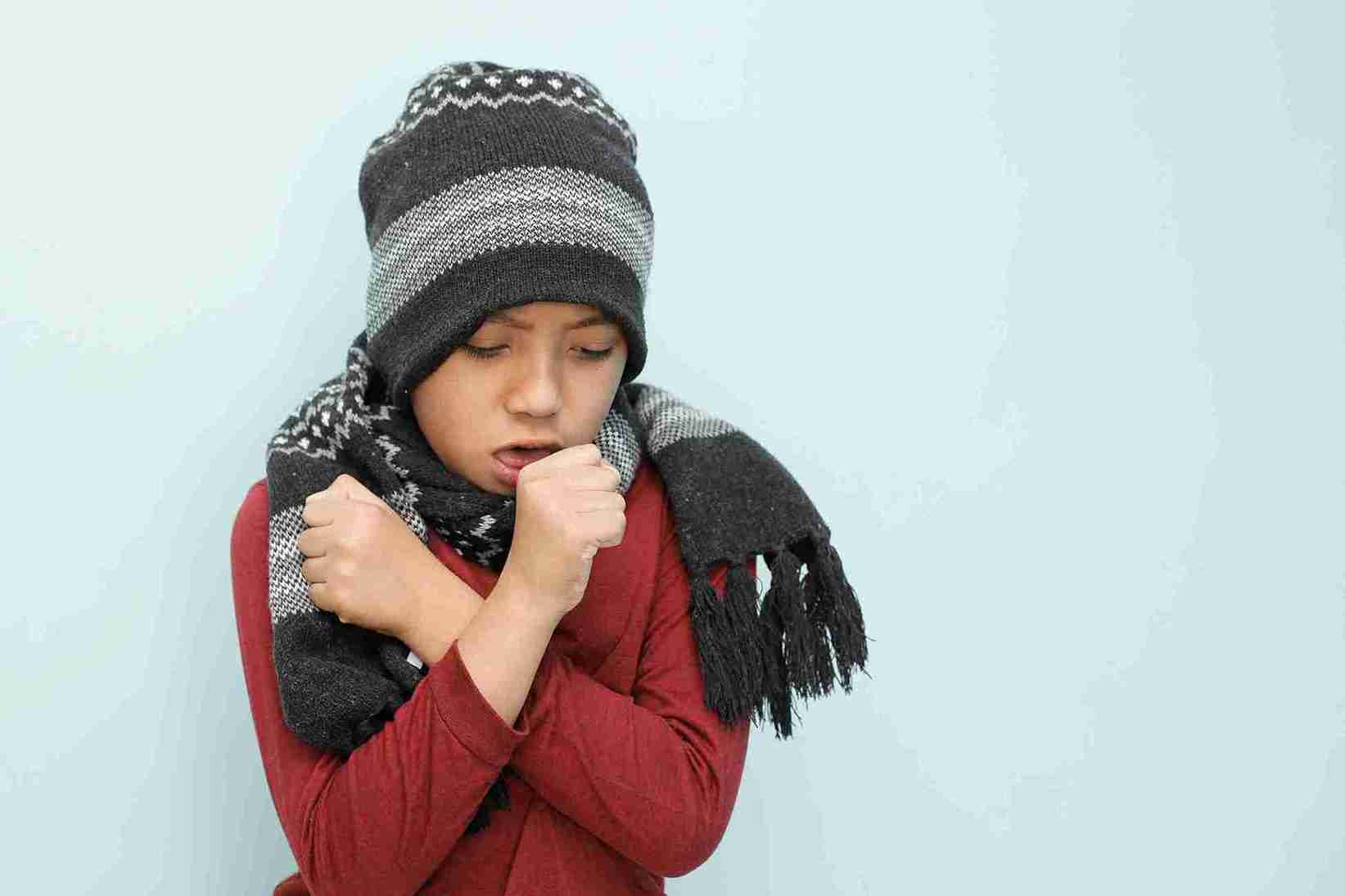
The most recognisable feature of croup is a harsh, barking cough, sometimes described as sounding like a seal. A child may also have a hoarse voice or cry and cold-like symptoms such as a runny nose before the cough develops.
However, the cough isn't the only sound parents should listen for. Some children with croup develop stridor, a harsh, high-pitched sound that is most noticeable when they breathe in. Stridor is distinct from the barking cough itself and can be an important sign of upper airway narrowing.
A child who develops stridor only while crying or upset is generally less concerning than a child who has stridor while sitting quietly or resting. Stridor at rest needs urgent medical assessment. Being able to tell the difference is especially important when a barking cough in children suddenly appears during the night.
It is common for a toddler to seem relatively well during the day and then develop a much more noticeable cough after going to bed. Croup symptoms often become worse at night and may fluctuate over the course of the illness.
This means a quiet afternoon doesn't necessarily guarantee a symptom-free night. Understanding that symptoms can fluctuate helps parents stay prepared and avoid assuming that every nighttime cough signals a serious worsening of the illness.
When a child wakes suddenly with croup symptoms, focus first on keeping them settled and observing their breathing. Crying and distress can make noisy breathing more noticeable.
Stay with your child and comfort them in whatever position feels easiest for them. Speak softly and avoid forcing them to lie down if they prefer sitting upright in your arms.
Once your child is settled, watch them for a few moments. Notice whether they are breathing comfortably or appear to be making extra effort, particularly while they are calm.
If your child is able to drink without difficulty, encourage them to have their regular fluids. Don’t worry if your child doesn’t want to drink while they’re coughing, upset, or having difficulty breathing.
Steam inhalation has not been shown to be effective in treating croup. Steer clear of steam treatments. Putting your child near boiling water or hot steam can be dangerous, since it could cause serious burns.
These steps are simply to help your child feel a bit better while you watch to see how they’re doing. They do not treat significant airway narrowing.

Imagine your toddler making a harsh, raspy sound while crying. If that sound is still present even after they’ve settled calmly in your arms, it’s time to pay closer attention.
Seek urgent medical assessment if your child:
● Has stridor while calm or resting.
● Is working hard to breathe, such as the skin pulling in around the ribs or neck.
● Has difficulty speaking, crying or drinking because of their breathing.
● Is drooling or struggling to swallow.
● Becomes unusually sleepy, weak or difficult to wake.
Blue or grey lips or skin, severe breathing difficulty or reduced responsiveness require emergency medical care. When breathing is difficult, don’t delay medical help; home remedies are no substitute for urgent care.
Croup treatment in children depends on the severity of the illness. After assessing your child's breathing and symptoms, a doctor may prescribe a corticosteroid to reduce airway swelling. If symptoms are more severe, children may need nebulised adrenaline (epinephrine) and monitoring in hospital to ensure their breathing stays stable.
Since croup is usually caused by a virus, antibiotics won’t help unless your doctor finds there’s also a bacterial infection. Do not start medicines or nebulisation for croup at home unless specifically prescribed or advised by your child's doctor.
Croup usually improves over a few days, although the cough may take a little longer to disappear completely. Symptoms can fluctuate, so children may seem better during the day but have a more difficult night as they recover.
If symptoms return the following night, don't assume they will follow exactly the same pattern as before. Watch how your child is doing in the moment, and if you notice any changes or start to feel worried, reach out to your doctor.
The viral infections causing croup can spread from one person to another, particularly through respiratory droplets and close contact. Simple hygiene can help reduce the chance of passing the infection to others.
Encourage habits such as:
● Washing hands regularly.
● Covering coughs and sneezes.
● Avoiding sharing cups, bottles or utensils.
● Limiting close contact with others while your child is unwell.
These precautions can be especially useful when there are siblings at home, or your child normally attends a nursery, playgroup or daycare.

A barking cough in children can sound alarming, but your child's breathing is the most important thing to watch. If your toddler seems comfortable between coughs, continue observing them closely. If they have difficulty breathing or something about their condition concerns you, seek medical care rather than relying on home remedies.

A croup cough is typically loud, harsh and barking in character. Your child may also sound hoarse. Stridor is different: it is a high-pitched whistling sound heard during inhalation rather than the sound of the cough itself.
Keep your child settled and allow them to remain in a comfortable position while you observe their breathing. Avoid steam inhalation as a treatment. If breathing becomes difficult or noisy while your child is resting, seek medical care rather than trying to manage the problem at home.
Croup requires emergency care when a child has severe difficulty breathing, or their lips or skin become pale, bluish, or greyish, becomes difficult to wake, or is a lot less responsive than usual. Seek urgent assessment for stridor at rest or other signs of increasing breathing difficulty.
Croup itself refers to an illness affecting the upper airway. The viral infections that commonly cause it can spread between people through respiratory droplets and close contact. Washing hands regularly and staying away from others when you’re unwell are simple ways to help stop the spread.


 Best Gynecologists in Bellandur Best Gynecologists in Electronic City Best Gynecologists in HRBR LayoutBest Gynecologists in Jayanagar Best Gynecologists in Kanakapura RoadBest Gynecologists in Malleswaram Best Gynecologists in Nagarbhavi Best Gynecologists in Old Airport RoadBest Gynecologists in Sahakarnagar Best Gynecologists in Sarjapur RoadBest Gynecologists in ThanisandraBest Gynecologists in Varthur RoadBest Gynecologists in Whitefield Best Gynecologists in Industrial Area Phase IIBest Gynecologists in OMRBest Gynecologists in T NagarBest Gynecologists in New Industrial TownBest Gynecologists in IndirapuramBest Gynecologists in Golf Course RoadBest Gynecologists in Sector 14Best Gynecologists in Sector 47Best Gynecologists in Banjara HillsBest Gynecologists in GachibowliBest Gynecologists in Hitech CityBest Gynecologists in KompallyBest Gynecologists in Gomti NagarBest Gynecologists in MaladBest Gynecologists in NerulBest Gynecologists in VashiBest Gynecologists in Kailash ColonyBest Gynecologists in PatparganjBest Gynecologists in Punjabi BaghBest Gynecologists in VikaspuriBest Gynecologists in Gaur CityBest Gynecologists in Pari ChowkBest Gynecologists in Sector 51Best Gynecologists in Sector 5 Swastik ViharBest Gynecologists in Kalyani NagarBest Gynecologists in SB RoadBest Gynecologists in Pimple SaudagarBest Pediatricians in BellandurBest Pediatricians in Electronic CityBest Pediatricians in HRBR LayoutBest Pediatricians in JayanagarBest Pediatricians in Kanakapura RoadBest Pediatricians in MalleswaramBest Pediatricians in NagarbhaviBest Pediatricians in Old Airport RoadBest Pediatricians in SahakarnagarBest Pediatricians in Sarjapur RoadBest Pediatricians in ThanisandraBest Pediatricians in Varthur RoadBest Pediatricians in WhitefieldBest Pediatricians in Industrial Area Phase IIBest Pediatricians in OMRBest Pediatricians in T NagarBest Pediatricians in New Industrial TownshipBest Pediatricians in IndirapuramBest Pediatricians in Golf Course RoadBest Pediatricians in Sector 14Best Pediatricians in Sector 47Best Pediatricians in Hitech CityBest Pediatricians in Banjara HillsBest Pediatricians in GachibowliBest Pediatricians in KompallyBest Pediatricians in Gomti NagarBest Pediatricians in MaladBest Pediatricians in NerulBest Pediatricians in VashiBest Pediatricians in Kailash ColonyBest Pediatricians in PatparganjBest Pediatricians in Punjabi BaghBest Pediatricians in VikaspuriBest Pediatricians in Gaur CityBest Pediatricians in Pari ChowkBest Pediatricians in Sector 51Best Pediatricians in Sector 5 Swastik ViharBest Pediatricians in Kalyani NagarBest Pediatricians in SB RoadBest Pediatricians in Pimple Saudagar


