
Fish is a nutritious addition to a balanced pregnancy diet. It provides high-quality protein, omega-3 fatty acids, vitamins, and essential minerals that support both maternal health and fetal development. However, not every type of fish is equally safe. Some contain high levels of mercury, which can affect a baby's developing brain and nervous system. Understanding the right fish in pregnancy helps you enjoy its nutritional benefits while reducing potential risks.
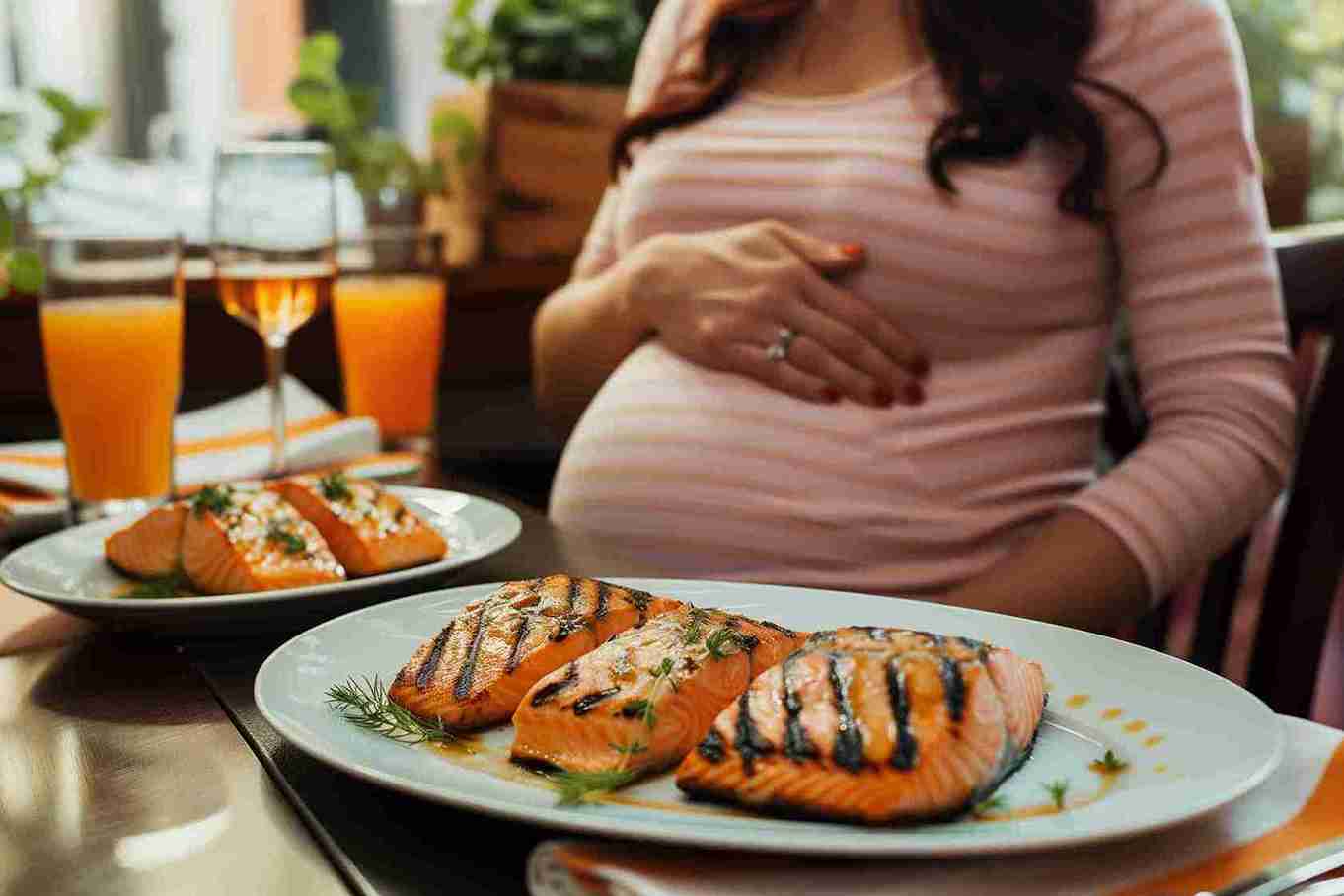
Yes, regarding fish and pregnancy, the suitable kinds can definitely be an important part of your diet when pregnant. Low-mercury fish in pregnancy, such as salmon, sardines, and tilapia, are rich in vitamins, DHA, iodine, protein, and other nutrients necessary for a proper child's growth and development.
Thus, it is important to choose wisely and stick to recommended serving sizes, rather than avoiding fish altogether.
Consuming fish, which has balanced nutrition, in a healthy diet when pregnant will bring you the following advantages:
DHA supports the baby's developing brain and nervous system development; omega-3 fatty acids are important during pregnancy.
Omega-3s also ensure proper eye development, giving your baby healthy vision.
Protein provides your baby with essential amino acids required for growth.
Vitamin D promotes healthy bone development, both yours and your baby's.
Iodine ensures normal functioning of the thyroid gland, which is also important for the baby’s growth.
Selenium acts as an antioxidant, protecting the cells from oxidative stress.
Fish also supports your cardiovascular health during pregnancy.
Eating the right amount of fish has even been linked to a lower risk of premature birth.
It is widely recommended that pregnant women consume 2-3 portions (8-12 ounces, or 225-340 grams) of low-mercury fish each week. A portion would be approximately 4 ounces (or 113 grams).
When it comes to fish to avoid when pregnant, avoid high-mercury fish such as shark, swordfish, king mackerel, and tilefish
These fish to avoid when pregnant contain high mercury levels that may interfere with fetal brain and nervous system development, particularly with repeated consumption.
There are different types of tuna. Canned light tuna is generally the safer bet. It is taken from smaller fish, which means that it contains lower levels of mercury and can easily be incorporated into your weekly seafood intake. However, species of tuna such as bigeye and others, which are larger, have higher levels of mercury due to their long life and higher position on the food chain. It's best to skip them during pregnancy, or only eat them if your doctor has specifically given you the go-ahead.
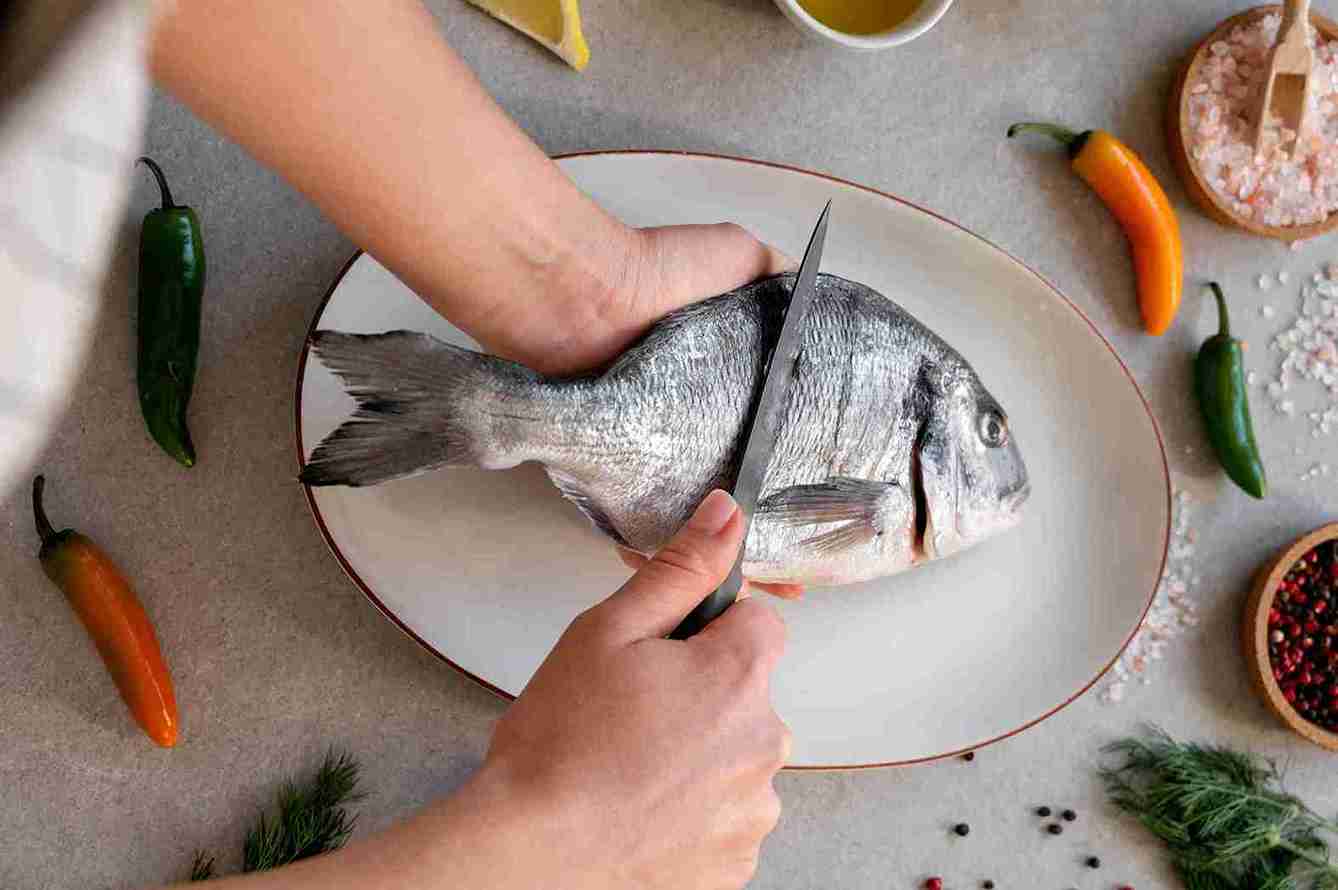
Many Indian fish varieties are suitable during pregnancy when cooked properly. Rohu, katla, pomfret, bangda, and rawas are your safest bets and can be eaten fairly regularly without worry. Hilsa and surmai are perfectly fine too; just don't make them a daily habit. Being larger fish, they tend to carry more mercury than the smaller varieties.
Pretty much, yes. Sushi, sashimi, oysters, raw shellfish- none of it is worth the risk right now. It's not really about mercury here; it's the bacteria and parasites that raw seafood can carry, which is a much bigger concern for a foodborne infection than for the fish itself. Stick to seafood that's been cooked through properly, and you've eliminated that risk entirely.
Low-mercury fish pregnancy diets should include the following for a safer and healthier choice:
Buy seafood from trusted sellers
Refrigerate and store fish properly
Avoid refrigerated smoked seafood unless fully cooked
Cook seafood thoroughly
Avoid raw fish and shellfish
Follow good kitchen hygiene to prevent contamination
Honestly, one meal isn't going to do any damage. Mercury builds up in the body over repeated exposure, not from a single serving. So if you've had a piece of surmai you didn't realise was higher in mercury, don't spiral over it; just go back to your usual safer choices.
Yes, and you probably should. The DHA that made fish useful during pregnancy is just as valuable now; it passes through your breast milk and supports your baby's brain development, while also doing you some good. The same low-mercury choices still apply.
If you notice anything like nausea, vomiting, or diarrhoea after eating seafood, that's worth flagging, as is any kind of allergic reaction. The same goes if mercury exposure is genuinely worrying you, if you're managing a pregnancy complication that affects what you can eat, or if you just want guidance tailored to your own situation rather than general advice.
At Cloudnine, our obstetricians and clinical nutritionists work with you directly on this, building meal plans around your specific health needs, helping you navigate seafood choices, and answering the questions that come up along the way, all grounded in evidence rather than guesswork.

Fish doesn't need to be something you're anxious about during pregnancy. Pick the lower-mercury varieties, keep portions sensible, cook everything properly, and you get all the nutritional upside without the risk. And if you're ever unsure about a particular fish or a meal you've already had, your healthcare provider is the person to ask, not follow a generic guideline.

There is no safe level of excessive mercury exposure during pregnancy. The best approach is to avoid high-mercury fish and follow recommended seafood guidelines.
Yes, pomfret is generally considered safe when fully cooked and eaten in moderation as part of a balanced diet.
Supplements can help if you don't eat fish, but consult your doctor before taking them. Fish also provides protein, iodine, selenium, and vitamin D that supplements may not fully replace.
There is no specific month when fish must be avoided. Instead, choose safe varieties throughout pregnancy and avoid fish that are high in mercury.







 Best Gynecologists in Bellandur Best Gynecologists in Electronic City Best Gynecologists in HRBR LayoutBest Gynecologists in Jayanagar Best Gynecologists in Kanakapura RoadBest Gynecologists in Malleswaram Best Gynecologists in Nagarbhavi Best Gynecologists in Old Airport RoadBest Gynecologists in Sahakarnagar Best Gynecologists in Sarjapur RoadBest Gynecologists in ThanisandraBest Gynecologists in Varthur RoadBest Gynecologists in Whitefield Best Gynecologists in Industrial Area Phase IIBest Gynecologists in OMRBest Gynecologists in T NagarBest Gynecologists in New Industrial TownBest Gynecologists in IndirapuramBest Gynecologists in Golf Course RoadBest Gynecologists in Sector 14Best Gynecologists in Sector 47Best Gynecologists in Banjara HillsBest Gynecologists in GachibowliBest Gynecologists in Hitech CityBest Gynecologists in KompallyBest Gynecologists in Gomti NagarBest Gynecologists in MaladBest Gynecologists in NerulBest Gynecologists in VashiBest Gynecologists in Kailash ColonyBest Gynecologists in PatparganjBest Gynecologists in Punjabi BaghBest Gynecologists in VikaspuriBest Gynecologists in Gaur CityBest Gynecologists in Pari ChowkBest Gynecologists in Sector 51Best Gynecologists in Sector 5 Swastik ViharBest Gynecologists in Kalyani NagarBest Gynecologists in SB RoadBest Gynecologists in Pimple SaudagarBest Pediatricians in BellandurBest Pediatricians in Electronic CityBest Pediatricians in HRBR LayoutBest Pediatricians in JayanagarBest Pediatricians in Kanakapura RoadBest Pediatricians in MalleswaramBest Pediatricians in NagarbhaviBest Pediatricians in Old Airport RoadBest Pediatricians in SahakarnagarBest Pediatricians in Sarjapur RoadBest Pediatricians in ThanisandraBest Pediatricians in Varthur RoadBest Pediatricians in WhitefieldBest Pediatricians in Industrial Area Phase IIBest Pediatricians in OMRBest Pediatricians in T NagarBest Pediatricians in New Industrial TownshipBest Pediatricians in IndirapuramBest Pediatricians in Golf Course RoadBest Pediatricians in Sector 14Best Pediatricians in Sector 47Best Pediatricians in Hitech CityBest Pediatricians in Banjara HillsBest Pediatricians in GachibowliBest Pediatricians in KompallyBest Pediatricians in Gomti NagarBest Pediatricians in MaladBest Pediatricians in NerulBest Pediatricians in VashiBest Pediatricians in Kailash ColonyBest Pediatricians in PatparganjBest Pediatricians in Punjabi BaghBest Pediatricians in VikaspuriBest Pediatricians in Gaur CityBest Pediatricians in Pari ChowkBest Pediatricians in Sector 51Best Pediatricians in Sector 5 Swastik ViharBest Pediatricians in Kalyani NagarBest Pediatricians in SB RoadBest Pediatricians in Pimple Saudagar


