





Your baby spits up milk after a feed. A few hours later, it happens again. Is this normal spit-up, reflux, a stomach infection, or something that needs medical attention?
Bringing up small amounts of milk is common during the first year of life and, in many babies, is simply part of an immature digestive system. Vomiting is different and can happen for several reasons, ranging from a short-lived illness to, less commonly, a condition that needs prompt treatment.
Recognising what the incident involves, how often it happens and how your baby is feeding and behaving can help you decide what to do next. This article explores the causes of vomiting in infants, important warning signs, and practical steps for caring for your baby when they are unwell.
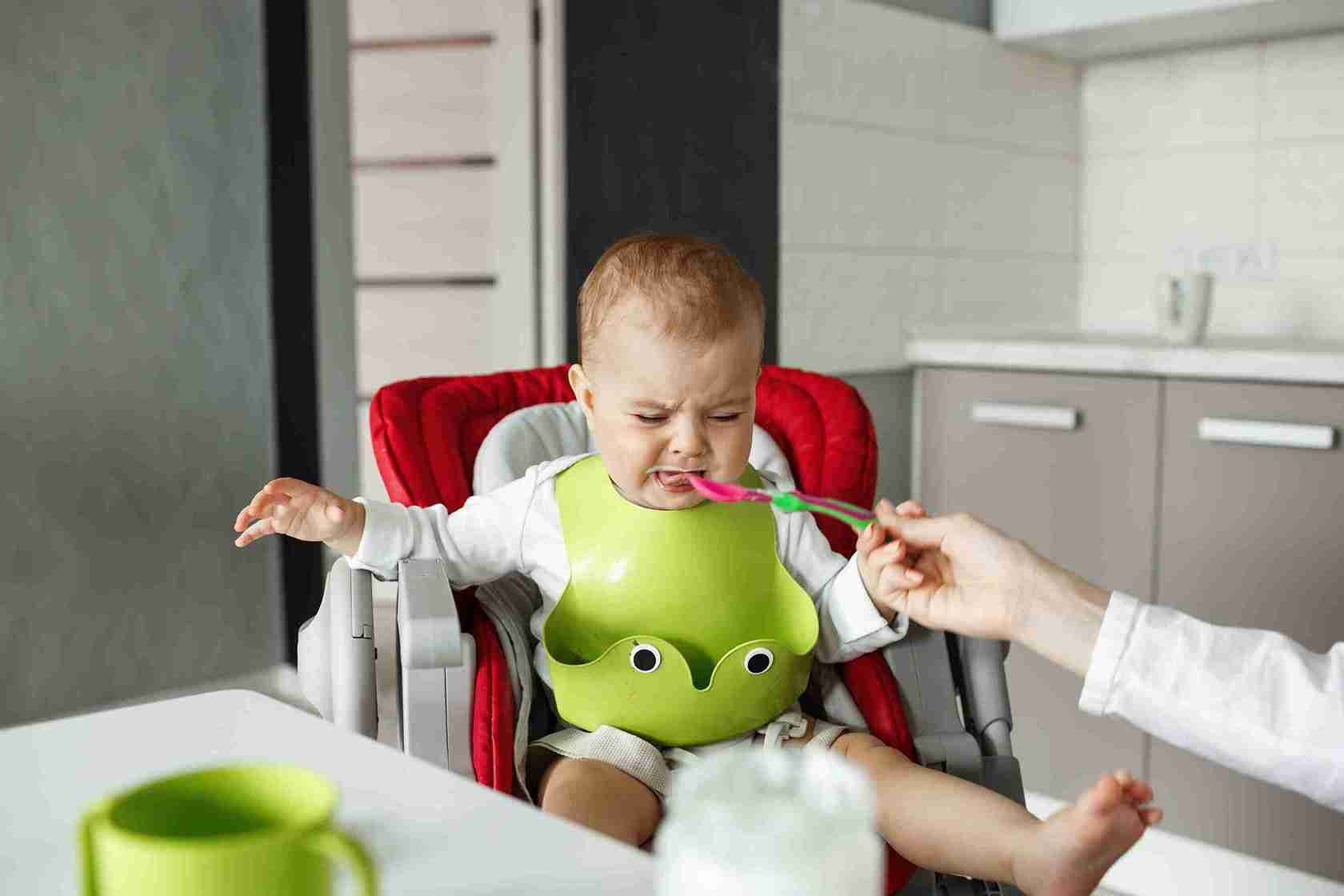
Spit-up, also called regurgitation, typically happens effortlessly. A small amount of milk may flow out of your baby's mouth during or shortly after a feed. If your baby is otherwise comfortable, feeding normally and growing well, occasional spit-up is generally not a cause for concern.
Vomiting tends to involve a more forceful expulsion of stomach contents. It may happen once during a minor illness or recur alongside other symptoms. The distinction isn't always obvious from the amount of milk you see. Instead, pay attention to how it comes up, how frequently it happens and how your baby seems afterwards.
Reflux occurs when milk or other stomach contents travel back up into the oesophagus and sometimes into the mouth. It is particularly common in young babies and usually becomes less frequent as the digestive system matures.
Common infant reflux symptoms may include:
● Milk or stomach contents coming back up during or shortly after feeds.
● Hiccups or coughing around feeds.
Most babies with simple reflux remain comfortable, continue feeding and gain weight as expected. Fussiness, crying, or unsettled behaviour by themselves are not always caused by reflux, as many factors can lead to these symptoms.
If vomiting after feeding in infants becomes frequent or forceful, or begins to affect feeding or growth, it should be evaluated rather than assumed to be ordinary reflux.
A stomach infection, most often viral, typically presents differently than simple spit-up or reflux. Vomiting may begin suddenly, and the baby may develop diarrhoea, reduced appetite or fever and seem generally unwell.
Not every episode of vomiting with diarrhoea is necessarily a stomach infection, so persistent or concerning symptoms should be discussed with a paediatrician.

While many episodes of vomiting in babies are short-lived, certain symptoms need prompt medical assessment. This is particularly important in younger infants, who can become unwell more quickly.
Seek medical attention if your baby:
● Has green or yellow-green vomit.
● Has blood in the vomit.
● Is struggling to keep fluids down.
● Has a swollen or unusually tender abdomen.
● Has noticeably fewer wet nappies or a dry mouth.
● Is difficult to wake, less responsive than usual or appears very unwell.
A temperature of 38°C or higher in a baby under 3 months also requires prompt medical assessment. Repeated or increasingly forceful/projectile vomiting, particularly in a young infant, needs prompt assessment. In some cases, doctors may need to rule out conditions such as pyloric stenosis.
Reflux and stomach infections are common explanations, but they are not the only causes of vomiting in babies. Depending on the baby's age and other symptoms, vomiting may sometimes be associated with:
● Food allergy or intolerance.
● Infections elsewhere in the body.
● Coughing or gagging that triggers vomiting.
● Less commonly, a problem affecting the digestive tract.
Babies can lose fluids quickly when vomiting, especially if they are having diarrhoea too. Your main goal is to keep your baby well-hydrated and watch carefully for any changes in feeding habits or urine output.
If you are breastfeeding, continue to breastfeed unless your healthcare professional advises otherwise. If your baby is formula-fed or vomiting frequently, speak to your paediatrician about how to maintain adequate hydration. Avoid giving large amounts of plain water or changing your baby’s feeds without medical guidance, especially in young infants.
If vomiting continues or your baby is taking much less milk than usual, contact your paediatrician for guidance on maintaining hydration safely.

Bringing up milk is common during infancy, but not every episode should be treated in the same way. Ordinary spit-up usually settles as babies grow, while illness-related or unusual vomiting may need medical attention. If you're unsure about what you're seeing or your baby doesn't seem like their usual self, speak with your paediatrician.

Reflux usually causes effortless regurgitation during or shortly after feeds, while the baby otherwise appears well. A stomach infection is more likely to cause sudden vomiting along with diarrhoea, reduced feeding, fever, or your baby seeming unwell. If the cause is unclear or symptoms persist, consult your paediatrician.
Seek urgent medical attention if your baby's vomit is green or contains blood, if it's repeatedly forceful, or your baby shows signs of dehydration, reduced responsiveness or appears very unwell. A temperature of 38°C or higher in a baby under 3 months also requires prompt assessment.
Teething should not be assumed to cause repeated or significant vomiting. If your baby is vomiting, particularly if it happens repeatedly or is accompanied by other symptoms, consider other possible causes and seek medical advice when appropriate.
Continue breastfeeding unless advised otherwise. If your baby is formula-fed, vomiting repeatedly, or taking much less milk than usual, ask your paediatrician for age-appropriate advice on hydration.


 Best Gynecologists in Bellandur Best Gynecologists in Electronic City Best Gynecologists in HRBR LayoutBest Gynecologists in Jayanagar Best Gynecologists in Kanakapura RoadBest Gynecologists in Malleswaram Best Gynecologists in Nagarbhavi Best Gynecologists in Old Airport RoadBest Gynecologists in Sahakarnagar Best Gynecologists in Sarjapur RoadBest Gynecologists in ThanisandraBest Gynecologists in Varthur RoadBest Gynecologists in Whitefield Best Gynecologists in Industrial Area Phase IIBest Gynecologists in OMRBest Gynecologists in T NagarBest Gynecologists in New Industrial TownBest Gynecologists in IndirapuramBest Gynecologists in Golf Course RoadBest Gynecologists in Sector 14Best Gynecologists in Sector 47Best Gynecologists in Banjara HillsBest Gynecologists in GachibowliBest Gynecologists in Hitech CityBest Gynecologists in KompallyBest Gynecologists in Gomti NagarBest Gynecologists in MaladBest Gynecologists in NerulBest Gynecologists in VashiBest Gynecologists in Kailash ColonyBest Gynecologists in PatparganjBest Gynecologists in Punjabi BaghBest Gynecologists in VikaspuriBest Gynecologists in Gaur CityBest Gynecologists in Pari ChowkBest Gynecologists in Sector 51Best Gynecologists in Sector 5 Swastik ViharBest Gynecologists in Kalyani NagarBest Gynecologists in SB RoadBest Gynecologists in Pimple SaudagarBest Pediatricians in BellandurBest Pediatricians in Electronic CityBest Pediatricians in HRBR LayoutBest Pediatricians in JayanagarBest Pediatricians in Kanakapura RoadBest Pediatricians in MalleswaramBest Pediatricians in NagarbhaviBest Pediatricians in Old Airport RoadBest Pediatricians in SahakarnagarBest Pediatricians in Sarjapur RoadBest Pediatricians in ThanisandraBest Pediatricians in Varthur RoadBest Pediatricians in WhitefieldBest Pediatricians in Industrial Area Phase IIBest Pediatricians in OMRBest Pediatricians in T NagarBest Pediatricians in New Industrial TownshipBest Pediatricians in IndirapuramBest Pediatricians in Golf Course RoadBest Pediatricians in Sector 14Best Pediatricians in Sector 47Best Pediatricians in Hitech CityBest Pediatricians in Banjara HillsBest Pediatricians in GachibowliBest Pediatricians in KompallyBest Pediatricians in Gomti NagarBest Pediatricians in MaladBest Pediatricians in NerulBest Pediatricians in VashiBest Pediatricians in Kailash ColonyBest Pediatricians in PatparganjBest Pediatricians in Punjabi BaghBest Pediatricians in VikaspuriBest Pediatricians in Gaur CityBest Pediatricians in Pari ChowkBest Pediatricians in Sector 51Best Pediatricians in Sector 5 Swastik ViharBest Pediatricians in Kalyani NagarBest Pediatricians in SB RoadBest Pediatricians in Pimple Saudagar


