
Seeing a positive pregnancy test can bring a mix of emotions: excitement, happiness, surprise, or even anxiety. Whatever you're feeling, knowing what to do after positive pregnancy test results can help you take the right steps for your health and your baby's development. Early prenatal care plays an important role in monitoring your pregnancy, identifying any concerns, and supporting a healthy start.
If you're wondering what the next step after a positive pregnancy test, it usually begins with confirming the pregnancy, scheduling your first prenatal appointment, adopting healthy lifestyle habits, and making informed choices about nutrition and supplements. This guide explains what to expect, when to see a doctor, what to eat, and the important precautions to take during early pregnancy.

If you are wondering what to do after a positive pregnancy test, start by taking a moment to process the news. Ensure you followed the home pregnancy test instructions correctly, and if the result is unclear, you may repeat the test after a short interval.
Afterwards, you should plan prenatal care and quit smoking, stop consuming alcohol and recreational drugs and follow a healthy diet and drink plenty of water.
Home pregnancy tests are very accurate, but it is important to get medical confirmation. It can be done on the basis of your medical history, physical examination, blood test and ultrasound when necessary.
It is important to have medical confirmation in case you have irregular periods, experience pain, bleeding, or have had a previous high-risk pregnancy.
One of the questions that people often ask is after positive pregnancy test, when to go to doctor? Certain factors will determine how soon you should schedule a prenatal visit.
You need to seek medical advice immediately if you experience any of the following conditions:
● Severe abdominal pain
● Heavy vaginal bleeding
● Previous ectopic pregnancy
● Recurrent miscarriage
● Pregnancy after IVF treatment
● Diabetes, high blood pressure, thyroid disease
● Suspected multiple pregnancy
During the first visit, your doctor will evaluate your pregnancy, examine your health history, and provide further recommendations for your prenatal care.
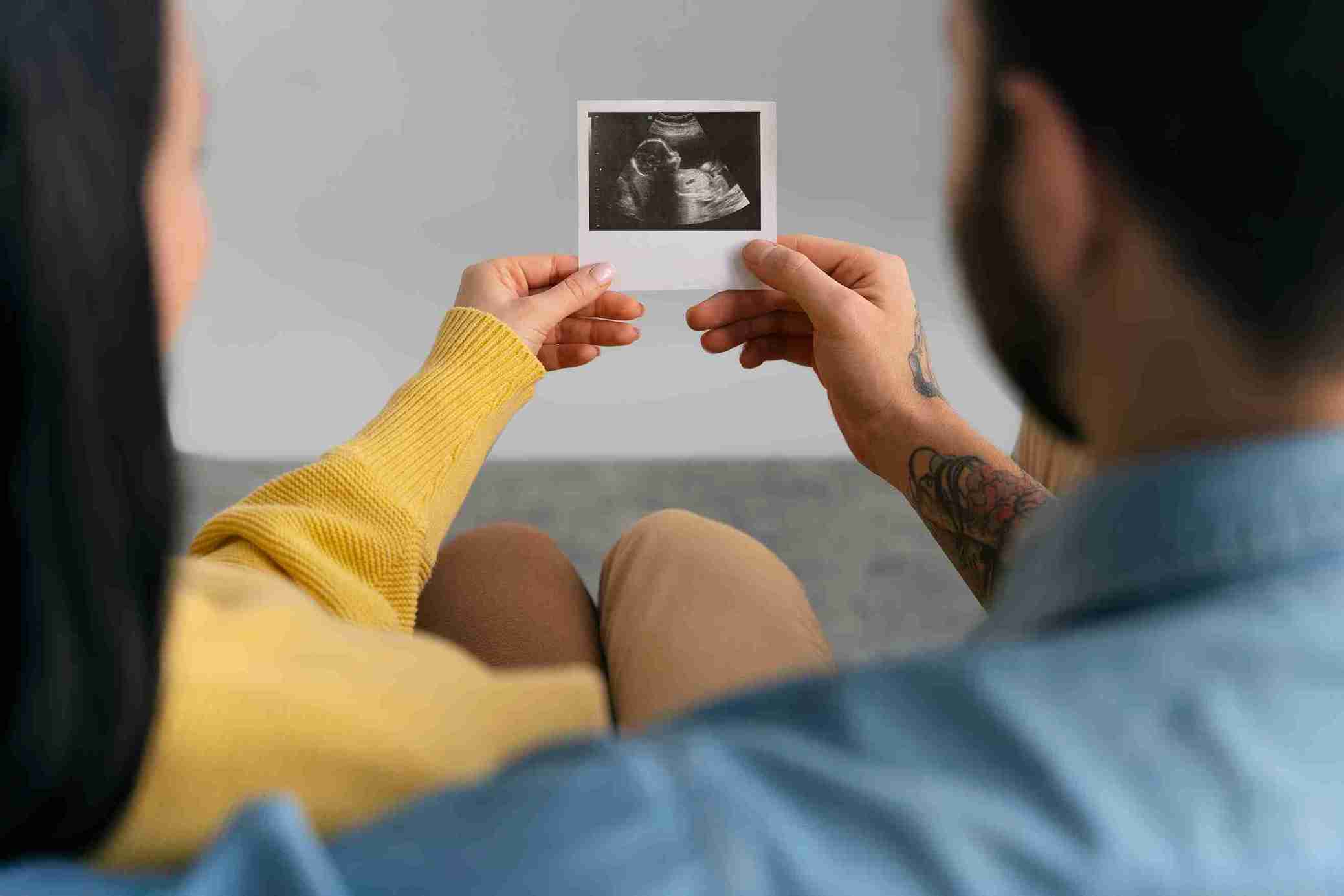
The first prenatal appointment typically consists of the following elements:
● Examination of your medical and pregnancy history
● Pregnancy dating and calculation of your due date
● Physical exam
● Blood work and urine tests
● Ultrasound if needed
● Nutritional, supplementation, and physical activity recommendations
This visit also provides you with an opportunity to ask any questions you have and get further instructions on your next actions after a positive pregnancy test.
This appointment also gives you an opportunity to ask questions and understand what is the next step after a positive pregnancy test based on your individual pregnancy.
Prenatal vitamins will give support to your baby while developing. These include:
● Iron
● Vitamin D
● Calcium
● DHA, if applicable
Only use vitamins that are prescribed/recommended by your physician.
Many women ask what to eat after getting positive pregnancy test results. A balanced diet provides essential nutrients for both mother and baby.

The following should be avoided for a healthy pregnancy:
● Use of medication without consulting a doctor
● Smoking and drinking
● Recreational drug use
● Exposure to toxic chemicals
● Soaking in hot tubs or getting too hot
● Unsafe use of herbal supplements
● Heavy lifting if recommended against by your doctor
Symptoms of early pregnancy are different for each woman and can include:
● Missing periods
● Nausea and vomiting
● Tenderness of the breast
● Fatigue
● Increased urge to urinate
● Mood swings
● Cramps
● Spotting in some cases
Contact your healthcare provider immediately if you develop:
● Heavy vaginal bleeding
● Severe abdominal or pelvic pain
● Severe dizziness or fainting
● Fever
● Persistent vomiting causing dehydration
● Sudden severe shoulder pain
● Passing large clots or tissue
These symptoms require prompt medical evaluation.
Avoid these common mistakes:
● Delaying prenatal care
● Ignoring warning signs
● Self-medicating
● Following unverified social media advice
● Restrictive dieting
● Missing prenatal vitamins
If you're unsure after positive pregnancy test when to go to doctor, it's always better to schedule an appointment early rather than wait for symptoms to appear.
At Cloudnine, pregnancy care begins from the moment you receive a positive pregnancy test. Experienced obstetricians provide early pregnancy confirmation, personalised prenatal care, nutritional counselling, recommended screening tests, and continuous guidance throughout your pregnancy. With advanced diagnostic facilities and multidisciplinary support, Cloudnine helps ensure that both mother and baby receive comprehensive care from the very beginning.

A positive pregnancy test marks the beginning of an exciting new journey. By confirming your pregnancy, starting prenatal care early, eating a balanced diet, taking recommended supplements, and adopting healthy lifestyle habits, you can support a healthy pregnancy. If you have any concerns or unusual symptoms, don't hesitate to seek medical advice promptly.
Want to consult the best gynecologists in India? Please find the links below.
Want to consult the best Maternity Packages in India? Please find the links below.

No. Scheduling your first prenatal appointment around this time is appropriate, especially if you have risk factors or concerns.
It varies, but the first trimester is often the most challenging due to nausea, fatigue, and hormonal changes.
Yes, although uncommon. Testing too early or using an incorrect test can occasionally lead to inaccurate results.
The risk is generally highest during the first trimester, particularly in the early weeks of pregnancy.







 Best Gynecologists in Bellandur Best Gynecologists in Electronic City Best Gynecologists in HRBR LayoutBest Gynecologists in Jayanagar Best Gynecologists in Kanakapura RoadBest Gynecologists in Malleswaram Best Gynecologists in Nagarbhavi Best Gynecologists in Old Airport RoadBest Gynecologists in Sahakarnagar Best Gynecologists in Sarjapur RoadBest Gynecologists in ThanisandraBest Gynecologists in Varthur RoadBest Gynecologists in Whitefield Best Gynecologists in Industrial Area Phase IIBest Gynecologists in OMRBest Gynecologists in T NagarBest Gynecologists in New Industrial TownBest Gynecologists in IndirapuramBest Gynecologists in Golf Course RoadBest Gynecologists in Sector 14Best Gynecologists in Sector 47Best Gynecologists in Banjara HillsBest Gynecologists in GachibowliBest Gynecologists in Hitech CityBest Gynecologists in KompallyBest Gynecologists in Gomti NagarBest Gynecologists in MaladBest Gynecologists in NerulBest Gynecologists in VashiBest Gynecologists in Kailash ColonyBest Gynecologists in PatparganjBest Gynecologists in Punjabi BaghBest Gynecologists in VikaspuriBest Gynecologists in Gaur CityBest Gynecologists in Pari ChowkBest Gynecologists in Sector 51Best Gynecologists in Sector 5 Swastik ViharBest Gynecologists in Kalyani NagarBest Gynecologists in SB RoadBest Gynecologists in Pimple SaudagarBest Pediatricians in BellandurBest Pediatricians in Electronic CityBest Pediatricians in HRBR LayoutBest Pediatricians in JayanagarBest Pediatricians in Kanakapura RoadBest Pediatricians in MalleswaramBest Pediatricians in NagarbhaviBest Pediatricians in Old Airport RoadBest Pediatricians in SahakarnagarBest Pediatricians in Sarjapur RoadBest Pediatricians in ThanisandraBest Pediatricians in Varthur RoadBest Pediatricians in WhitefieldBest Pediatricians in Industrial Area Phase IIBest Pediatricians in OMRBest Pediatricians in T NagarBest Pediatricians in New Industrial TownshipBest Pediatricians in IndirapuramBest Pediatricians in Golf Course RoadBest Pediatricians in Sector 14Best Pediatricians in Sector 47Best Pediatricians in Hitech CityBest Pediatricians in Banjara HillsBest Pediatricians in GachibowliBest Pediatricians in KompallyBest Pediatricians in Gomti NagarBest Pediatricians in MaladBest Pediatricians in NerulBest Pediatricians in VashiBest Pediatricians in Kailash ColonyBest Pediatricians in PatparganjBest Pediatricians in Punjabi BaghBest Pediatricians in VikaspuriBest Pediatricians in Gaur CityBest Pediatricians in Pari ChowkBest Pediatricians in Sector 51Best Pediatricians in Sector 5 Swastik ViharBest Pediatricians in Kalyani NagarBest Pediatricians in SB RoadBest Pediatricians in Pimple Saudagar


