





Every woman has a sense of what her period is normally like. So when the flow becomes heavier than usual, pads soak through quickly, large clots pass, or it lasts longer than it should, it can be hard to know whether to wait it out or act.
Heavy menstrual bleeding is one of the most common reasons women visit a gynaecologist in India, yet it is also one of the most under-reported. Many women tolerate heavy periods for years, normalising something that is significantly affecting their quality of life and health. Understanding what counts as heavy bleeding, what causes it, and what you can do about it changes that picture.

Medically, heavy menstrual bleeding is defined as losing more than 80 ml of blood per period. In practice, most women do not measure blood loss, so more useful indicators include:
Any one of these, especially if consistent across multiple cycles, is a reason to see a gynaecologist rather than wait for things to settle on their own.
Excessive menstrual bleeding has several possible causes, and identifying the right one determines the treatment. Often, more than one cause is present.
Fibroids are non-cancerous growths in the uterine wall. They are extremely common in women. Submucosal fibroids, those that push into the inner lining of the uterus, are the most likely to cause heavy periods because they increase the surface area of the uterine lining and interfere with the uterus's ability to contract and control bleeding.
In adenomyosis, the tissue that normally lines the uterus grows into the uterus's muscular wall. The uterus becomes enlarged and cannot contract effectively, making periods heavier and longer. Adenomyosis can frequently cause both heavy bleeding and significant period pain.
Polyps are small, benign growths on the inner lining of the uterus. They can cause heavy periods, bleeding between periods, and spotting after sex. Doctors usually detect them on ultrasound, and they can be removed through a simple hysteroscopic procedure.
When oestrogen and progesterone are out of balance, the uterine lining can build up more than usual and shed heavily. This is common in:
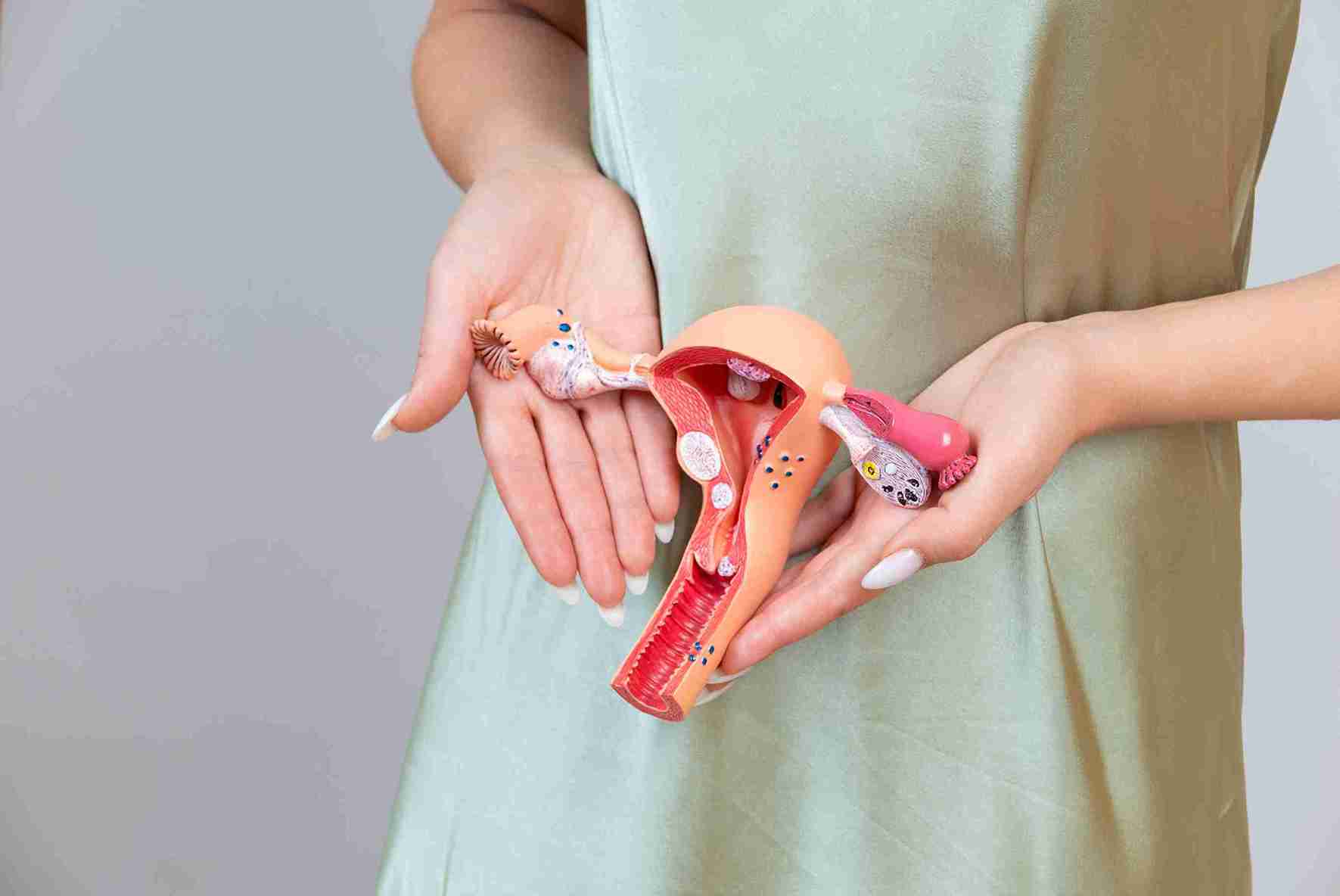
Endometriosis, where tissue similar to the uterine lining grows outside the uterus, can also cause heavier periods alongside the characteristic period pain and pelvic symptoms it is better known for.
Some women have an underlying blood-clotting disorder that makes it harder for bleeding to stop normally. Von Willebrand disease is the most common and is often first suspected when a woman presents with lifelong heavy periods from adolescence. A family history of bleeding problems is a clue.
The copper IUD is well-known for making periods heavier, especially in the first few months after insertion. If periods were manageable before an IUD was placed and became significantly heavier afterwards, the device is the likely reason.
In a proportion of women, heavy menstrual bleeding occurs with no fibroid, polyp, hormonal problem, or structural abnormality found. This is called dysfunctional uterine bleeding or, more currently, heavy menstrual bleeding with no identified cause. Treatment is still available and effective, but it focuses on managing the symptom rather than treating a specific underlying condition.
Diagnosis starts with a detailed history - how heavy, how long, what the flow is like, what other symptoms are present, and what medications or contraception are being used. Investigations mostly include:
Treatment depends on the cause, the severity of symptoms, whether fertility preservation matters, and the woman's own preferences.
Tranexamic acid taken during the period reduces blood loss by promoting clotting at the bleeding site. It is non-hormonal, effective, and suitable for women who cannot or prefer not to use hormonal treatment. It reduces flow by 40-50% in many women.
NSAIDs (ibuprofen, mefenamic acid) taken from the start of the period reduce both bleeding volume and period pain by lowering prostaglandin levels. Work best when started before pain and heavy flow begin.
The combined oral contraceptive pill regulates the cycle, thins the uterine lining, and significantly reduces flow. Effective for many causes of heavy bleeding.
Progestins, both oral and injectable, are useful where oestrogen cannot be used. Can thin the lining and reduce flow significantly.
Hormonal IUD (Mirena) is one of the most effective medical treatments for heavy menstrual bleeding. The Mirena IUD releases a small amount of progestogen locally, thinning the uterine lining and dramatically reducing or sometimes stopping periods altogether. It lasts five years and is widely available in India.
GnRH agonists suppress oestrogen, stopping periods temporarily. Used short-term before surgery, particularly to shrink fibroids. Cannot be used long-term due to menopausal side effects.
Hysteroscopic polypectomy or myomectomy for removal of polyps or submucosal fibroids through the hysteroscope. A day procedure requiring no external incisions, with fast recovery. Very effective for bleeding caused by these specific lesions.
Endometrial ablation destroys the uterine lining to reduce or stop periods. Suitable for women who have completed their family. Not recommended if future pregnancy is desired, as it significantly reduces the chances of conception.
Uterine fibroid embolisation (UFE), is a radiologically guided procedure that cuts off the blood supply to fibroids. This causes them to shrink. It is effective for fibroid-related heavy bleeding and preserves the uterus.
Myomectomy is the surgical removal of fibroids while preserving the uterus.
Hysterectomy is the removal of the uterus. The definitive solution for heavy menstrual bleeding with no desire for future pregnancy.
Heavy menstrual bleeding is common but not something to accept as inevitable. There is almost always a cause to identify and a treatment that helps. If your periods are regularly disrupting your life, causing anaemia, or simply far heavier than they used to be, a gynaecologist visit and a pelvic ultrasound are the right starting point.


Heavy periods causes include uterine fibroids, adenomyosis, uterine polyps, hormonal imbalances from PCOS or thyroid disorders, perimenopause, blood clotting disorders, and the copper IUD. In some women, no structural cause is found even after a full investigation, and this is called dysfunctional uterine bleeding.
Diagnosis involves a detailed menstrual history alongside investigations: full blood count to check for anaemia, thyroid function tests, a hormonal panel if cycle irregularity is present, and a pelvic ultrasound to look for fibroids, polyps, and adenomyosis. A hysteroscopy directly visualises the uterine cavity and can treat polyps and small fibroids simultaneously. An endometrial biopsy is recommended in women over 40 or when abnormal cell changes are suspected.
Yes, depending on the cause. Fibroids inside the uterine cavity, adenomyosis, and uterine polyps all impair implantation and are associated with lower fertility and higher miscarriage rates. Thyroid disorders causing excessive menstrual bleeding also disrupt ovulation. Severe anaemia from heavy periods can reduce overall wellbeing and indirectly affect conception. Treating the underlying cause often improves both bleeding and fertility.
Yes, uterine fibroids are one of the most common causes of heavy menstrual bleeding, particularly in Indian women in their thirties and forties. Submucosal fibroids, which push into the uterine cavity, cause the heaviest bleeding by increasing the surface area of the lining and preventing effective uterine contraction. Fibroid-related bleeding often comes with clots and a sense of pelvic pressure. Treatment options include menstrual bleeding treatment with medication, uterine fibroid embolisation, myomectomy, or endometrial ablation.


 Best Gynecologists in Bellandur Best Gynecologists in Electronic City Best Gynecologists in HRBR LayoutBest Gynecologists in Jayanagar Best Gynecologists in Kanakapura RoadBest Gynecologists in Malleswaram Best Gynecologists in Nagarbhavi Best Gynecologists in Old Airport RoadBest Gynecologists in Sahakarnagar Best Gynecologists in Sarjapur RoadBest Gynecologists in ThanisandraBest Gynecologists in Varthur RoadBest Gynecologists in Whitefield Best Gynecologists in Industrial Area Phase IIBest Gynecologists in OMRBest Gynecologists in T NagarBest Gynecologists in New Industrial TownBest Gynecologists in IndirapuramBest Gynecologists in Golf Course RoadBest Gynecologists in Sector 14Best Gynecologists in Sector 47Best Gynecologists in Banjara HillsBest Gynecologists in GachibowliBest Gynecologists in Hitech CityBest Gynecologists in KompallyBest Gynecologists in Gomti NagarBest Gynecologists in MaladBest Gynecologists in NerulBest Gynecologists in VashiBest Gynecologists in Kailash ColonyBest Gynecologists in PatparganjBest Gynecologists in Punjabi BaghBest Gynecologists in VikaspuriBest Gynecologists in Gaur CityBest Gynecologists in Pari ChowkBest Gynecologists in Sector 51Best Gynecologists in Sector 5 Swastik ViharBest Gynecologists in Kalyani NagarBest Gynecologists in SB RoadBest Gynecologists in Pimple SaudagarBest Pediatricians in BellandurBest Pediatricians in Electronic CityBest Pediatricians in HRBR LayoutBest Pediatricians in JayanagarBest Pediatricians in Kanakapura RoadBest Pediatricians in MalleswaramBest Pediatricians in NagarbhaviBest Pediatricians in Old Airport RoadBest Pediatricians in SahakarnagarBest Pediatricians in Sarjapur RoadBest Pediatricians in ThanisandraBest Pediatricians in Varthur RoadBest Pediatricians in WhitefieldBest Pediatricians in Industrial Area Phase IIBest Pediatricians in OMRBest Pediatricians in T NagarBest Pediatricians in New Industrial TownshipBest Pediatricians in IndirapuramBest Pediatricians in Golf Course RoadBest Pediatricians in Sector 14Best Pediatricians in Sector 47Best Pediatricians in Hitech CityBest Pediatricians in Banjara HillsBest Pediatricians in GachibowliBest Pediatricians in KompallyBest Pediatricians in Gomti NagarBest Pediatricians in MaladBest Pediatricians in NerulBest Pediatricians in VashiBest Pediatricians in Kailash ColonyBest Pediatricians in PatparganjBest Pediatricians in Punjabi BaghBest Pediatricians in VikaspuriBest Pediatricians in Gaur CityBest Pediatricians in Pari ChowkBest Pediatricians in Sector 51Best Pediatricians in Sector 5 Swastik ViharBest Pediatricians in Kalyani NagarBest Pediatricians in SB RoadBest Pediatricians in Pimple Saudagar


