
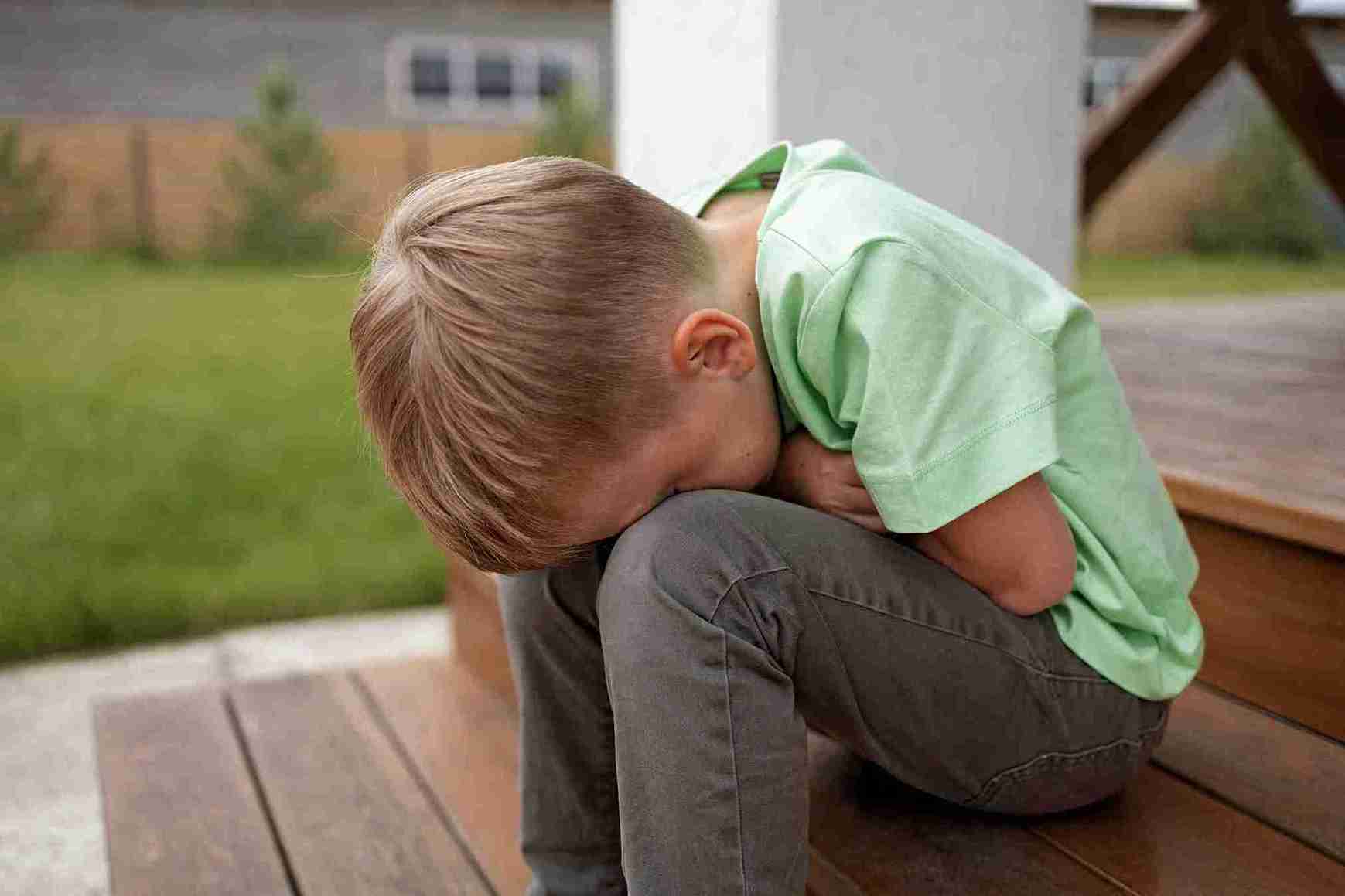
Stomach aches are one of the most common reasons children complain of feeling unwell. Your child may mention tummy pain before school, after a meal or even wake up in the night because of it. While most episodes are mild and settle on their own, some need medical attention, making it important for parents to know what to look for.
The reassuring news is that stomach pain in children is usually caused by common, treatable conditions such as constipation, indigestion or a viral infection. The key is recognising when the pain is likely to improve with simple care at home and when it could be a sign of something more serious. While stomach pain can occur at any age, the causes and warning signs in school-age children (6–9 years) may differ from those seen in toddlers or teenagers. Understanding what is common and what isn't can help you decide when to monitor your child at home and when to seek medical advice.

There are many causes of stomach pain in children, and most are not serious. Often, the pain settles within a few hours or days once the underlying problem improves.
Some of the most common causes include:
Less commonly, abdominal pain in kids may be caused by conditions that require prompt medical assessment, such as appendicitis, urinary tract infections or, occasionally, pneumonia. While these are much less common than constipation or viral infections, it's important to recognise the warning signs if the pain becomes severe or is accompanied by other concerning symptoms.
The way children describe stomach pain can vary. Some can point to exactly where it hurts, while others simply say their tummy feels sore. Paying attention to how the pain behaves and any other symptoms that occur alongside it often provides valuable clues.
Common child stomach pain symptoms include:
If your child is vomiting or has diarrhoea, also watch for signs of dehydration, such as:
Before visiting your paediatrician, it helps to note a few details about your child's symptoms:
These observations can help your doctor identify the likely cause and decide whether any further tests are needed.
Most stomach aches improve with rest, fluids and time. However, your child should be assessed by a paediatrician if the pain doesn't improve as expected or is accompanied by other concerning symptoms.
Seek medical advice if your child:
If your child appears unusually sleepy, is difficult to wake, has severe pain that comes on suddenly or you're concerned about their overall condition, don't wait for the symptoms to settle. Seek urgent medical attention.
Minor illnesses cause most episodes of stomach pain in school-age children and improve within a short time. Looking at your child's overall behaviour, not just the pain itself, can often provide useful clues about whether they can be monitored at home or should be seen by a doctor.
The table below highlights some general differences. However, every child is different, so if you're concerned, it's always best to seek medical advice.
Rather than focusing on a single symptom, consider the overall picture. A child who is comfortable between episodes, drinking fluids and gradually returning to their usual activities is generally less concerning than one who appears increasingly unwell, lethargic or reluctant to move.

Appendicitis is one of the conditions parents worry about most, and understandably so. While it isn't the most common cause of stomach pain in children, recognising the typical pattern can help you seek timely medical care.
In many children, the pain:
Other symptoms may include:
Not every child with appendicitis has these classic symptoms, and not every pain on the right side is appendicitis. That's why it's important not to try to diagnose the condition at home. If appendicitis is suspected, your child should be assessed promptly by a healthcare professional.
When you visit your paediatrician, they'll start by asking detailed questions about your child's symptoms and examining their abdomen. In many cases, the history and physical examination provide enough information to identify the likely cause.
Depending on your child's symptoms, your doctor may recommend:
When it comes to abdominal pain in kids, blood tests and scans are not always necessary. They are advised only when they are likely to help confirm the diagnosis or guide treatment.

If your child's stomach pain is mild and your paediatrician has advised home care, there are several simple steps that can help them feel more comfortable while they recover.
You can support your child by:
Avoid giving pain-relieving medicines repeatedly without medical advice if the cause of the stomach pain isn't clear, as they may mask important symptoms and delay diagnosis. If your child's pain becomes more severe, new symptoms develop or you're worried that they aren't improving, arrange a medical review rather than continuing to manage the symptoms at home.
Most episodes of stomach pain in children are caused by common conditions such as constipation, viral infections or indigestion, and they improve with simple treatment and time. Knowing which symptoms to watch for and recognising when the pain is worsening can help you make informed decisions and seek medical care when needed.
The most important thing is to look at your child's overall condition rather than stomach pain alone. If they're becoming increasingly unwell, struggling to drink fluids, or the pain is persistent or worsening, consider consulting your paediatrician. Early assessment can provide reassurance when the cause is minor and ensure prompt treatment when something more serious is responsible.

Want to consult the best pediatrician in India? Please find the links below

The most common causes of stomach pain in children include constipation, viral stomach infections, indigestion, gas, food intolerances and, sometimes, stress or anxiety. Most of these conditions improve with simple treatment and time. If the pain is severe, persistent or accompanied by other worrying symptoms, your child should be assessed by a paediatrician.
Stomach pain needs urgent medical attention if it is severe, rapidly worsening or accompanied by symptoms such as persistent vomiting, a swollen abdomen, blood in the vomit or stools, difficulty waking your child or signs of dehydration. Trouble walking because of pain or pain following an injury also requires prompt medical evaluation. If you're concerned that your child appears unusually unwell, don't delay seeking medical care.
Appendicitis often begins with pain around the belly button that gradually moves to the lower right side of the abdomen and becomes more severe over time. Your child may also develop fever, nausea, vomiting or pain while walking, coughing or jumping. Because not every child has the typical symptoms, it's important to seek medical assessment rather than trying to diagnose appendicitis at home.
You should consult a paediatrician if your child's stomach pain is severe, keeps returning, becomes progressively worse or is accompanied by fever, persistent vomiting, poor fluid intake or other concerning symptoms. Many tummy aches settle on their own, but a medical assessment can help identify the cause and determine whether treatment or further investigations are needed.







 Best Gynecologists in Bellandur Best Gynecologists in Electronic City Best Gynecologists in HRBR LayoutBest Gynecologists in Jayanagar Best Gynecologists in Kanakapura RoadBest Gynecologists in Malleswaram Best Gynecologists in Nagarbhavi Best Gynecologists in Old Airport RoadBest Gynecologists in Sahakarnagar Best Gynecologists in Sarjapur RoadBest Gynecologists in ThanisandraBest Gynecologists in Varthur RoadBest Gynecologists in Whitefield Best Gynecologists in Industrial Area Phase IIBest Gynecologists in OMRBest Gynecologists in T NagarBest Gynecologists in New Industrial TownBest Gynecologists in IndirapuramBest Gynecologists in Golf Course RoadBest Gynecologists in Sector 14Best Gynecologists in Sector 47Best Gynecologists in Banjara HillsBest Gynecologists in GachibowliBest Gynecologists in Hitech CityBest Gynecologists in KompallyBest Gynecologists in Gomti NagarBest Gynecologists in MaladBest Gynecologists in NerulBest Gynecologists in VashiBest Gynecologists in Kailash ColonyBest Gynecologists in PatparganjBest Gynecologists in Punjabi BaghBest Gynecologists in VikaspuriBest Gynecologists in Gaur CityBest Gynecologists in Pari ChowkBest Gynecologists in Sector 51Best Gynecologists in Sector 5 Swastik ViharBest Gynecologists in Kalyani NagarBest Gynecologists in SB RoadBest Gynecologists in Pimple SaudagarBest Pediatricians in BellandurBest Pediatricians in Electronic CityBest Pediatricians in HRBR LayoutBest Pediatricians in JayanagarBest Pediatricians in Kanakapura RoadBest Pediatricians in MalleswaramBest Pediatricians in NagarbhaviBest Pediatricians in Old Airport RoadBest Pediatricians in SahakarnagarBest Pediatricians in Sarjapur RoadBest Pediatricians in ThanisandraBest Pediatricians in Varthur RoadBest Pediatricians in WhitefieldBest Pediatricians in Industrial Area Phase IIBest Pediatricians in OMRBest Pediatricians in T NagarBest Pediatricians in New Industrial TownshipBest Pediatricians in IndirapuramBest Pediatricians in Golf Course RoadBest Pediatricians in Sector 14Best Pediatricians in Sector 47Best Pediatricians in Hitech CityBest Pediatricians in Banjara HillsBest Pediatricians in GachibowliBest Pediatricians in KompallyBest Pediatricians in Gomti NagarBest Pediatricians in MaladBest Pediatricians in NerulBest Pediatricians in VashiBest Pediatricians in Kailash ColonyBest Pediatricians in PatparganjBest Pediatricians in Punjabi BaghBest Pediatricians in VikaspuriBest Pediatricians in Gaur CityBest Pediatricians in Pari ChowkBest Pediatricians in Sector 51Best Pediatricians in Sector 5 Swastik ViharBest Pediatricians in Kalyani NagarBest Pediatricians in SB RoadBest Pediatricians in Pimple Saudagar


