





A fever is worrying enough, but seeing your toddler suddenly stiffen, shake or lose awareness can be terrifying. For many parents, a febrile seizure is completely unexpected, and it's natural to fear the worst in those first few moments.
The reassuring news is that febrile seizures in toddlers are quite common and, in most cases, are short-lived and do not cause permanent brain damage. They usually occur when a child's body temperature rises quickly during an illness and are most often seen between the ages of 6 months and 5 years, with many cases occurring in toddlers. Understanding what happened, knowing what to do during a seizure and recognising when medical attention is needed can help you respond with greater confidence if it happens again.
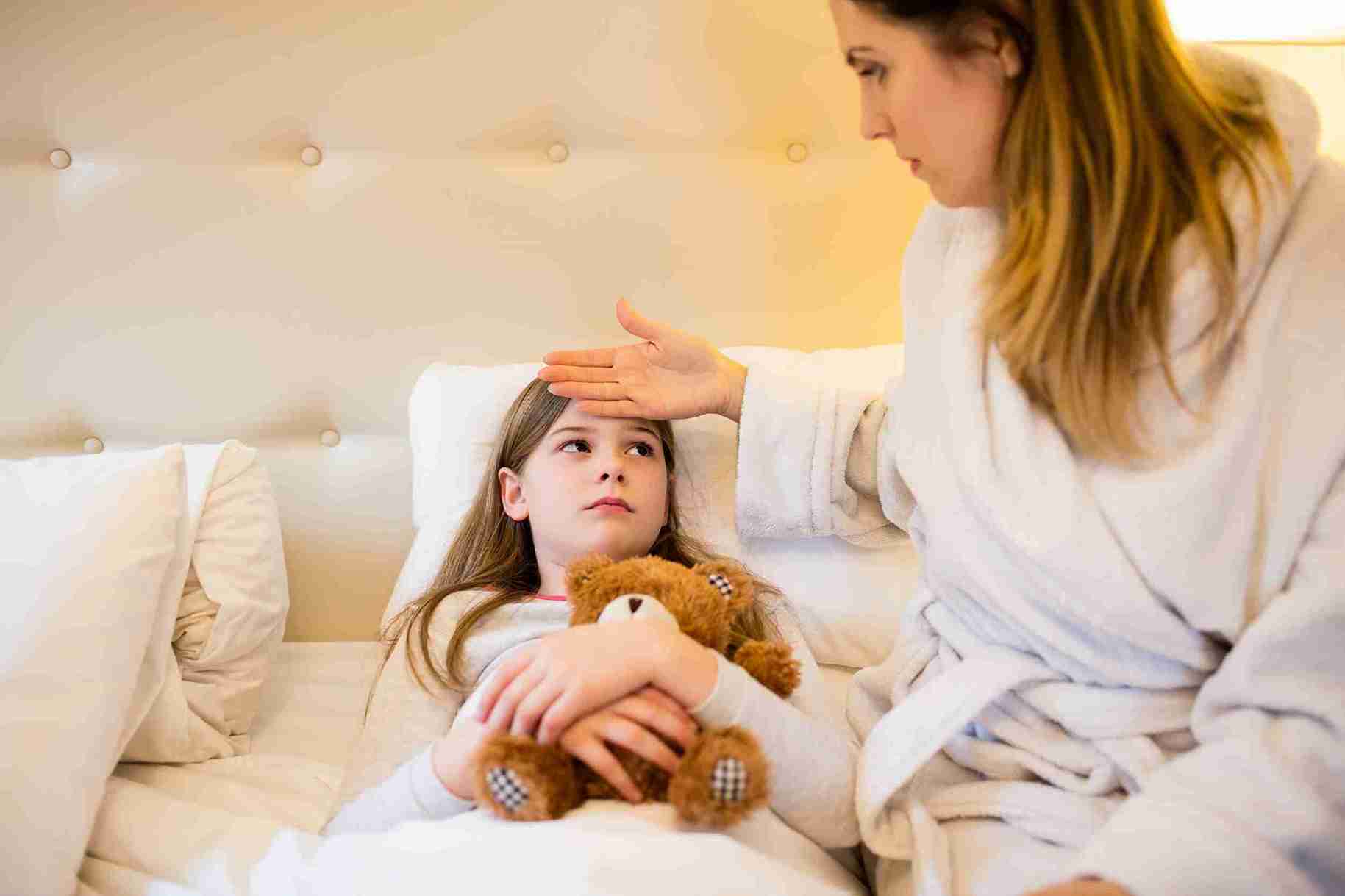
A febrile seizure is a seizure that occurs in a young child with a fever, without an underlying infection of the brain or another neurological condition. Often called fever seizures in children, they are most commonly linked to common viral illnesses that cause a sudden rise in body temperature.
Although the episode can look alarming, a simple febrile seizure usually lasts only a few minutes and stops on its own. Most children recover completely and continue to grow and develop normally. While febrile seizures in toddlers are frightening to witness, they are generally considered harmless. Your paediatrician will still want to assess your child to identify the cause of the fever and rule out other possible conditions.
A febrile seizure often begins without warning, sometimes as the first sign that your child has a fever. The episode may last from a few seconds to a few minutes before stopping on its own.
Common febrile seizure symptoms include:
● Sudden stiffening of the arms and legs.
● Rhythmic jerking or shaking movements.
● Rolling back of the eyes or a fixed stare.
● Loss of awareness or unresponsiveness.
● Irregular breathing for a brief period.
● Loss of bladder control in some children.
Watching this happen can be extremely distressing, but try to remember that most simple febrile seizures are brief and resolve without causing lasting harm.
Once the seizure has stopped, your toddler may seem sleepy, confused or unusually quiet. Some children want to sleep for a while, while others gradually become more alert over the next few minutes.
This recovery phase is normal after a simple febrile seizure. As your child wakes up and the fever is managed, they usually return to their usual behaviour, although they may remain tired for the rest of the day.
One question almost every parent asks is, "Was it the fever itself, or was something else wrong?" In most cases, the seizure is triggered by the body's response to a rapid rise in temperature rather than by how high the fever eventually becomes.
Common causes and triggers include:
● Viral infections such as colds, flu or roseola.
● Certain bacterial infections that cause fever.
● A family history of febrile seizures.
● Young age, particularly between 6 months and 5 years, when the brain is still developing.
Sometimes a child gets a fever after they get a vaccine. If the temperature goes up fast, they might have a seizure. This seizure is due to the fever, not the vaccine. It is good to know that not every child with a high fever will experience a seizure. Some children are simply more prone to fever-triggered seizures than others.
Seeing your child have a seizure is frightening, but staying as calm as you can will help you respond safely.
If your child has a febrile seizure:
1. Lay your child on their side on a flat, safe surface to help keep their airway clear.
2. Move nearby objects away to reduce the risk of injury.
3. Loosen tight clothing, especially around the neck, if needed.
4. Do not put anything in your child's mouth. They cannot swallow their tongue, and placing objects in the mouth can cause injury.
5. Do not try to hold them down or stop the jerking movements.
6. Time the seizure, even if it feels much longer than it actually is.
7. Seek medical assessment afterwards, even if your child appears completely well once the seizure has stopped.
Most episodes settle within a few minutes without any treatment. After the seizure, your doctor will look for the cause of the fever and advise whether any further evaluation is needed.

Most simple febrile seizures stop on their own, but some situations need urgent medical attention.
Seek emergency medical care immediately if:
● The seizure lasts longer than five minutes.
● Your child has difficulty breathing or their lips turn blue.
● Another seizure occurs soon after the first.
● Your child doesn't become more alert within a reasonable time after the seizure ends.
● The seizure affects only one side of the body.
● This is your child's first febrile seizure.
● Your child has a stiff neck, persistent vomiting or a rash that doesn't fade when pressed.
If you're ever unsure whether your child is recovering normally, it's always safest to have them assessed by a healthcare professional.
They can. Once a child has had one febrile seizure, there's a chance they may have another during a future fever, particularly while they are still in the typical age range. Even so, many children have only one episode in their lifetime. As they grow older and their nervous system matures, the likelihood of another febrile seizure usually decreases significantly.
One of the biggest fears parents have after a febrile seizure is whether it means their child has epilepsy. In most cases, the answer is no. Febrile seizures happen because a fever temporarily triggers abnormal electrical activity in a young child's developing brain. Epilepsy, on the other hand, involves repeated seizures that occur without a fever or another immediate trigger.
Most children who experience a simple febrile seizure never go on to develop epilepsy. However, if seizures occur without a fever, are prolonged, have unusual features or there's a strong family history of epilepsy, your paediatrician may recommend further evaluation.
Once the seizure has stopped, the focus shifts to making your child comfortable and identifying the cause of the fever. Febrile seizure treatment is aimed at managing the underlying illness rather than the seizure itself, as most simple febrile seizures stop on their own within a few minutes.
Depending on your child's condition, management may include:
● Treating the underlying infection, if required.
● Medicines to reduce fever and improve comfort.
● Encouraging fluids to prevent dehydration.
● Observation until your child has recovered fully.
● Further assessment if the seizure was prolonged, repeated or had unusual features.
Your paediatrician will decide whether any additional tests or treatment are needed based on your child's age, medical history and the nature of the seizure.
Unfortunately, there is no guaranteed way to prevent febrile seizures. Even attentive parents may not be able to prevent it because it is often triggered by the body's response to a rapidly rising temperature. One important point to remember is that fever-reducing medicines can help your child feel more comfortable, but they do not reliably prevent febrile seizures.
What you can do is monitor your child closely during illnesses, keep them well hydrated, follow your paediatrician's advice and seek medical attention if the fever persists or your child's condition worsens.

The first febrile seizure is often the most frightening for parents as much as for the child. Fortunately, most children recover quickly, continue to develop normally and never experience any long-term problems.
Knowing how to recognise febrile seizure symptoms, respond calmly during an episode and understand when emergency care is needed can make a stressful situation feel much more manageable. If you have any concerns about fever seizures in children or your child experiences repeated episodes, speak with your paediatrician for personalised guidance and follow-up.

Febrile seizures are seizures triggered by a fever in young children, usually between 6 months and 5 years of age. They are commonly associated with viral illnesses and are generally brief. Although they can be frightening to witness, most simple febrile seizures do not cause lasting harm.
A rapid rise in body temperature is the most common trigger for a febrile seizure. Viral infections are the usual cause of the fever, although bacterial infections and, less commonly, fever following vaccination may also trigger an episode. Some children are more susceptible because of their age or family history.
Common febrile seizure symptoms include sudden stiffening of the body, jerking movements, loss of awareness and rolling back of the eyes. The seizure usually lasts only a few minutes, and many children are sleepy or confused for a short time afterwards before returning to their usual selves.
Stay calm, place your child on their side on a safe surface and avoid putting anything in their mouth. Time the seizure, keep your child away from objects that could cause injury and seek medical assessment afterwards. Call emergency services immediately if the seizure lasts longer than five minutes, your child has difficulty breathing, or the episode has unusual features.


 Best Gynecologists in Bellandur Best Gynecologists in Electronic City Best Gynecologists in HRBR LayoutBest Gynecologists in Jayanagar Best Gynecologists in Kanakapura RoadBest Gynecologists in Malleswaram Best Gynecologists in Nagarbhavi Best Gynecologists in Old Airport RoadBest Gynecologists in Sahakarnagar Best Gynecologists in Sarjapur RoadBest Gynecologists in ThanisandraBest Gynecologists in Varthur RoadBest Gynecologists in Whitefield Best Gynecologists in Industrial Area Phase IIBest Gynecologists in OMRBest Gynecologists in T NagarBest Gynecologists in New Industrial TownBest Gynecologists in IndirapuramBest Gynecologists in Golf Course RoadBest Gynecologists in Sector 14Best Gynecologists in Sector 47Best Gynecologists in Banjara HillsBest Gynecologists in GachibowliBest Gynecologists in Hitech CityBest Gynecologists in KompallyBest Gynecologists in Gomti NagarBest Gynecologists in MaladBest Gynecologists in NerulBest Gynecologists in VashiBest Gynecologists in Kailash ColonyBest Gynecologists in PatparganjBest Gynecologists in Punjabi BaghBest Gynecologists in VikaspuriBest Gynecologists in Gaur CityBest Gynecologists in Pari ChowkBest Gynecologists in Sector 51Best Gynecologists in Sector 5 Swastik ViharBest Gynecologists in Kalyani NagarBest Gynecologists in SB RoadBest Gynecologists in Pimple SaudagarBest Pediatricians in BellandurBest Pediatricians in Electronic CityBest Pediatricians in HRBR LayoutBest Pediatricians in JayanagarBest Pediatricians in Kanakapura RoadBest Pediatricians in MalleswaramBest Pediatricians in NagarbhaviBest Pediatricians in Old Airport RoadBest Pediatricians in SahakarnagarBest Pediatricians in Sarjapur RoadBest Pediatricians in ThanisandraBest Pediatricians in Varthur RoadBest Pediatricians in WhitefieldBest Pediatricians in Industrial Area Phase IIBest Pediatricians in OMRBest Pediatricians in T NagarBest Pediatricians in New Industrial TownshipBest Pediatricians in IndirapuramBest Pediatricians in Golf Course RoadBest Pediatricians in Sector 14Best Pediatricians in Sector 47Best Pediatricians in Hitech CityBest Pediatricians in Banjara HillsBest Pediatricians in GachibowliBest Pediatricians in KompallyBest Pediatricians in Gomti NagarBest Pediatricians in MaladBest Pediatricians in NerulBest Pediatricians in VashiBest Pediatricians in Kailash ColonyBest Pediatricians in PatparganjBest Pediatricians in Punjabi BaghBest Pediatricians in VikaspuriBest Pediatricians in Gaur CityBest Pediatricians in Pari ChowkBest Pediatricians in Sector 51Best Pediatricians in Sector 5 Swastik ViharBest Pediatricians in Kalyani NagarBest Pediatricians in SB RoadBest Pediatricians in Pimple Saudagar


