





Leaking urine when you laugh, cough, sneeze, or rush to the toilet is something many Indian women live with in silence. It is uncomfortable, embarrassing, and, perhaps most importantly, it is often dismissed as an inevitable part of having had children or getting older. Neither of these assumptions is accurate.
Urinary incontinence in women is common, but it is not normal in the sense of being something that must simply be accepted. It is a medical condition with identifiable causes, different types, and a range of effective treatments, most of which do not involve surgery. Understanding which type of incontinence is present is the key to finding what works.
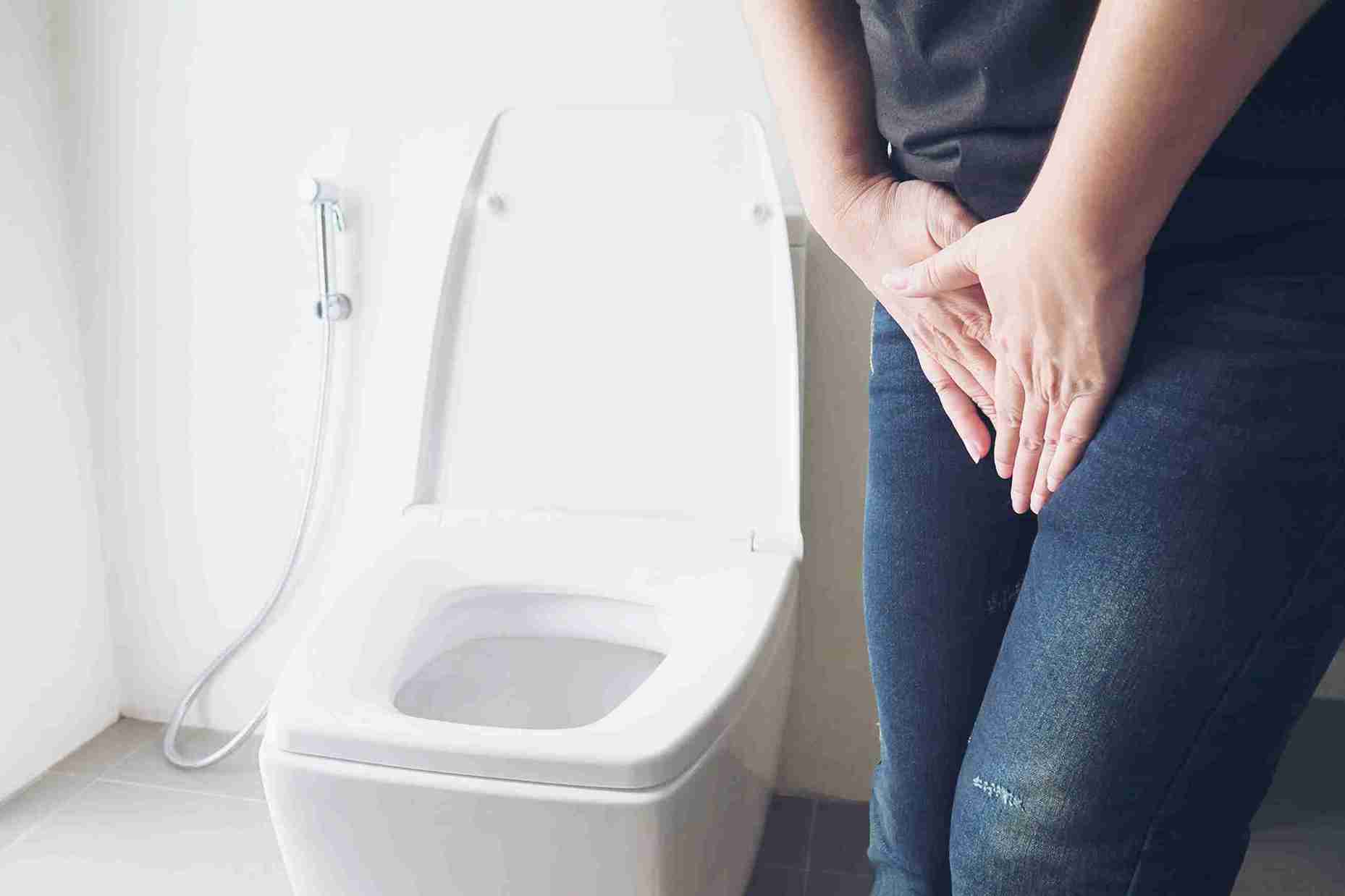
Women are significantly more likely to develop urinary incontinence than men, and the reasons are anatomical and hormonal. The female urethra is shorter and hence is more likely to be pressured, which leads to leakage. Pregnancy and childbirth, even without obvious injury, stretch and weaken the pelvic floor muscles and the tissues supporting the bladder and urethra. These structures may not fully recover, leaving the continence mechanism less reliable.
Oestrogen plays a role in maintaining the strength and elasticity of the pelvic floor and urethral tissue. As oestrogen falls at perimenopause and after menopause, these tissues thin and weaken, contributing to bladder leakage in older women.
Not all female urinary incontinence is the same. The type determines the cause, the investigation, and the treatment.
Stress incontinence is the most common type in younger and middle-aged women. If you are leaking urine during physical activity like laughing, sneezing, coughing, lifting weights, exercise, or even standing up quickly, you are probably experiencing SUI.
The problem is not related to emotional stress. The "stress" refers to physical stress on the bladder. When abdominal pressure rises, the weakened sphincter or pelvic floor cannot withstand it, and urine leaks. Common causes may be vaginal childbirth - especially for multiple deliveries or a large baby, pelvic floor weakness, chronic cough, obesity or previous pelvic surgery
Urgency incontinence, also called overactive bladder, involves a sudden, strong urge to urinate that cannot be deferred. The woman may leak before reaching the toilet or may feel the urge so frequently that it disrupts daily life.
The bladder contracts involuntarily, even when it is not full. This is a problem with the signalling between the bladder and the nervous system, rather than a problem with the pelvic floor.
Triggers for urgency incontinence include:
Hearing running water
Cold weather or cold temperatures
Keys in the door (anticipatory urgency on arriving home)
Caffeine and carbonated drinks
Many women have both stress and urgency incontinence together, this is called mixed incontinence. Treatment needs to address both components.
Less common in women than in men, overflow incontinence occurs when the bladder does not empty completely, and urine dribbles out as it overfills. It can result from nerve damage (as in diabetes), certain medications, or, in rare cases, from an obstruction.
Some women may have normal bladder function but may not be able to reach the toilet in time, probably due to mobility or cognitive issues, or any other barrier. This is particularly relevant in elderly women.
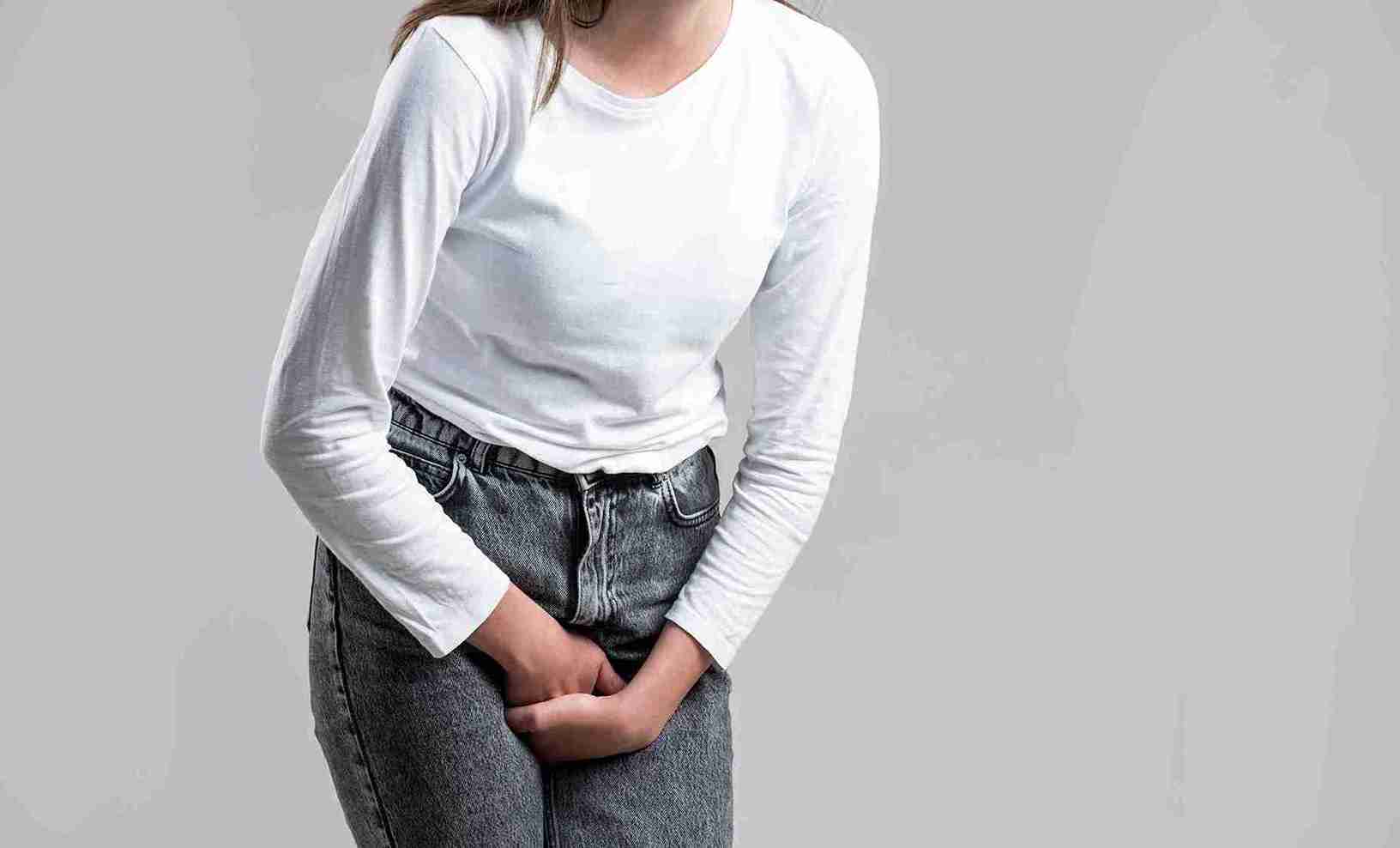
Bladder leakage in women has several contributing factors, and more than one is usually present:
Childbirth - vaginal delivery stretches and can damage the pelvic floor muscles, pudendal nerve, and urethral sphincter. Instrumental deliveries using forceps or vacuum and long second stages of labour increase the risk.
Menopause - falling oestrogen affects the strength and sensitivity of the bladder, urethra, and pelvic floor
Obesity - a BMI significantly above the healthy range increases the constant downward pressure
Chronic constipation - straining at stool puts repetitive pressure on the pelvic floor and can weaken it over time
Smoking causes chronic coughing, which repeatedly stresses the pelvic floor; it also has direct effects on bladder tissue
Urinary tract infections can cause temporary urgency and leakage
Neurological conditions - multiple sclerosis, Parkinson's disease, stroke, and diabetes can all affect bladder control
Certain medications - diuretics, some antidepressants, and some blood pressure medications can worsen bladder leakage
A gynaecologist or urogynaecologist will take a detailed history of what type of leakage occurs, when, how often, and what triggers it, alongside an examination.
Investigations are a urine test, a bladder diary to record fluid intake over three days, a pelvic examination, post-void residual measurement, and urodynamic testing.
For stress incontinence, pelvic floor exercises are the first-line treatment and are highly effective when done correctly and consistently. They can strengthen the pelvic muscles that provide support to the bladder and urethra.
The only reason why pelvic floor exercises fail is because of using the wrong technique. A physiotherapist trained in pelvic health can assess technique and significantly improve outcomes. For meaningful improvement, exercises need to be done consistently for at least 3 months.
For urgency incontinence, bladder training is the first-line treatment. In this, we need to extend the time between toilet visits to retrain the bladder to hold more urine so that the involuntary contractions are minimised. It is combined with urge suppression techniques to help reduce urinary incontinence.
Reduce caffeine, tea, coffee, or cola can irritate the bladder, which in turn can worsen urgency.
Manage fluid intake - do not reduce fluids dramatically, as it can concentrate urine and irritate the bladder. Drink fluid at intervals and less before sleep time.
Lose weight - even a 5 kg reduction in women who are overweight significantly reduces stress incontinence symptoms.
Treat constipation by increasing fibre and water intake, and treating chronic constipation reduces pelvic floor strain.
Stop smoking - it can reduce chronic cough and its effect on the pelvic floor.
For urgency incontinence that does not respond fully to bladder training and lifestyle change:
Anticholinergic medications (oxybutynin, solifenacin, tolterodine) relax the bladder muscle and reduce involuntary contractions.
Mirabegron - a newer class of medication that relaxes the bladder through a different mechanism.
Local vaginal oestrogen for postmenopausal women, vaginal oestrogen cream or pessaries restore tissue strength and sensitivity and improve both urgency and stress leakage. Used locally, they have minimal systemic oestrogen effects.
For stress incontinence that has not responded to pelvic floor physiotherapy:
Mid-urethral sling - a minimally invasive day procedure in which a small synthetic tape is placed under the urethra to support it during coughing and activity. It is the most commonly performed and evidence-backed surgical treatment for stress incontinence.
Bulking agents - injected around the urethra to increase resistance. Less durable than the sling, but an option for women who prefer to avoid surgery.
For urgency incontinence that does not respond to medication, botulinum toxin (Botox) injection into the bladder or percutaneous tibial nerve stimulation can give relief.

Urinary incontinence in women is treatable at every stage - from simple pelvic floor exercises and lifestyle changes to medication and minimally invasive procedures. The first step is speaking to a gynaecologist or urologist rather than managing in silence. Most women see significant improvement with the right treatment for the type of incontinence they have. It is not something to simply accept.

Female urinary incontinence is caused by weakening of the pelvic floor muscles and urethral sphincter, from childbirth, menopause, obesity, chronic constipation, or smoking. Urgency incontinence results from overactive bladder signalling, often triggered by caffeine, cold, or neurological factors. More than one cause is usually present. A gynaecologist's assessment, including a bladder diary and pelvic examination, identifies the specific type and the most appropriate treatment approach.
Yes, most cases of urinary leakage treatment begin with non-surgical approaches. Pelvic floor exercises are highly effective for stress incontinence when done correctly and consistently. Bladder training and lifestyle changes address urgency incontinence. Medication relaxes the bladder in overactive bladder cases. Local vaginal oestrogen helps postmenopausal women. Surgery is considered only when conservative treatment has not produced sufficient improvement.
Yes. Vaginal delivery can stretch and damage the pelvic floor muscles, pudendal nerve, and urethral sphincter. This is one of the most common causes of stress incontinence in younger women. The damage may not be immediately apparent but becomes more noticeable over time, especially as oestrogen falls at menopause.
The main types are stress incontinence, urgency incontinence, and mixed incontinence. Less common types include overflow incontinence and functional incontinence. Each type needs a different treatment approach.


 Best Gynecologists in Bellandur Best Gynecologists in Electronic City Best Gynecologists in HRBR LayoutBest Gynecologists in Jayanagar Best Gynecologists in Kanakapura RoadBest Gynecologists in Malleswaram Best Gynecologists in Nagarbhavi Best Gynecologists in Old Airport RoadBest Gynecologists in Sahakarnagar Best Gynecologists in Sarjapur RoadBest Gynecologists in ThanisandraBest Gynecologists in Varthur RoadBest Gynecologists in Whitefield Best Gynecologists in Industrial Area Phase IIBest Gynecologists in OMRBest Gynecologists in T NagarBest Gynecologists in New Industrial TownBest Gynecologists in IndirapuramBest Gynecologists in Golf Course RoadBest Gynecologists in Sector 14Best Gynecologists in Sector 47Best Gynecologists in Banjara HillsBest Gynecologists in GachibowliBest Gynecologists in Hitech CityBest Gynecologists in KompallyBest Gynecologists in Gomti NagarBest Gynecologists in MaladBest Gynecologists in NerulBest Gynecologists in VashiBest Gynecologists in Kailash ColonyBest Gynecologists in PatparganjBest Gynecologists in Punjabi BaghBest Gynecologists in VikaspuriBest Gynecologists in Gaur CityBest Gynecologists in Pari ChowkBest Gynecologists in Sector 51Best Gynecologists in Sector 5 Swastik ViharBest Gynecologists in Kalyani NagarBest Gynecologists in SB RoadBest Gynecologists in Pimple SaudagarBest Pediatricians in BellandurBest Pediatricians in Electronic CityBest Pediatricians in HRBR LayoutBest Pediatricians in JayanagarBest Pediatricians in Kanakapura RoadBest Pediatricians in MalleswaramBest Pediatricians in NagarbhaviBest Pediatricians in Old Airport RoadBest Pediatricians in SahakarnagarBest Pediatricians in Sarjapur RoadBest Pediatricians in ThanisandraBest Pediatricians in Varthur RoadBest Pediatricians in WhitefieldBest Pediatricians in Industrial Area Phase IIBest Pediatricians in OMRBest Pediatricians in T NagarBest Pediatricians in New Industrial TownshipBest Pediatricians in IndirapuramBest Pediatricians in Golf Course RoadBest Pediatricians in Sector 14Best Pediatricians in Sector 47Best Pediatricians in Hitech CityBest Pediatricians in Banjara HillsBest Pediatricians in GachibowliBest Pediatricians in KompallyBest Pediatricians in Gomti NagarBest Pediatricians in MaladBest Pediatricians in NerulBest Pediatricians in VashiBest Pediatricians in Kailash ColonyBest Pediatricians in PatparganjBest Pediatricians in Punjabi BaghBest Pediatricians in VikaspuriBest Pediatricians in Gaur CityBest Pediatricians in Pari ChowkBest Pediatricians in Sector 51Best Pediatricians in Sector 5 Swastik ViharBest Pediatricians in Kalyani NagarBest Pediatricians in SB RoadBest Pediatricians in Pimple Saudagar


