
Blood disorders are conditions that affect the blood or the organs responsible for producing it. They can involve red blood cells, white blood cells, platelets, or plasma. Some Blood disorders in children are inherited, while others develop because of nutritional deficiencies, infections, immune problems, medications, chronic illnesses, or cancer. Early diagnosis is important because timely treatment can prevent complications and support healthy growth and development.
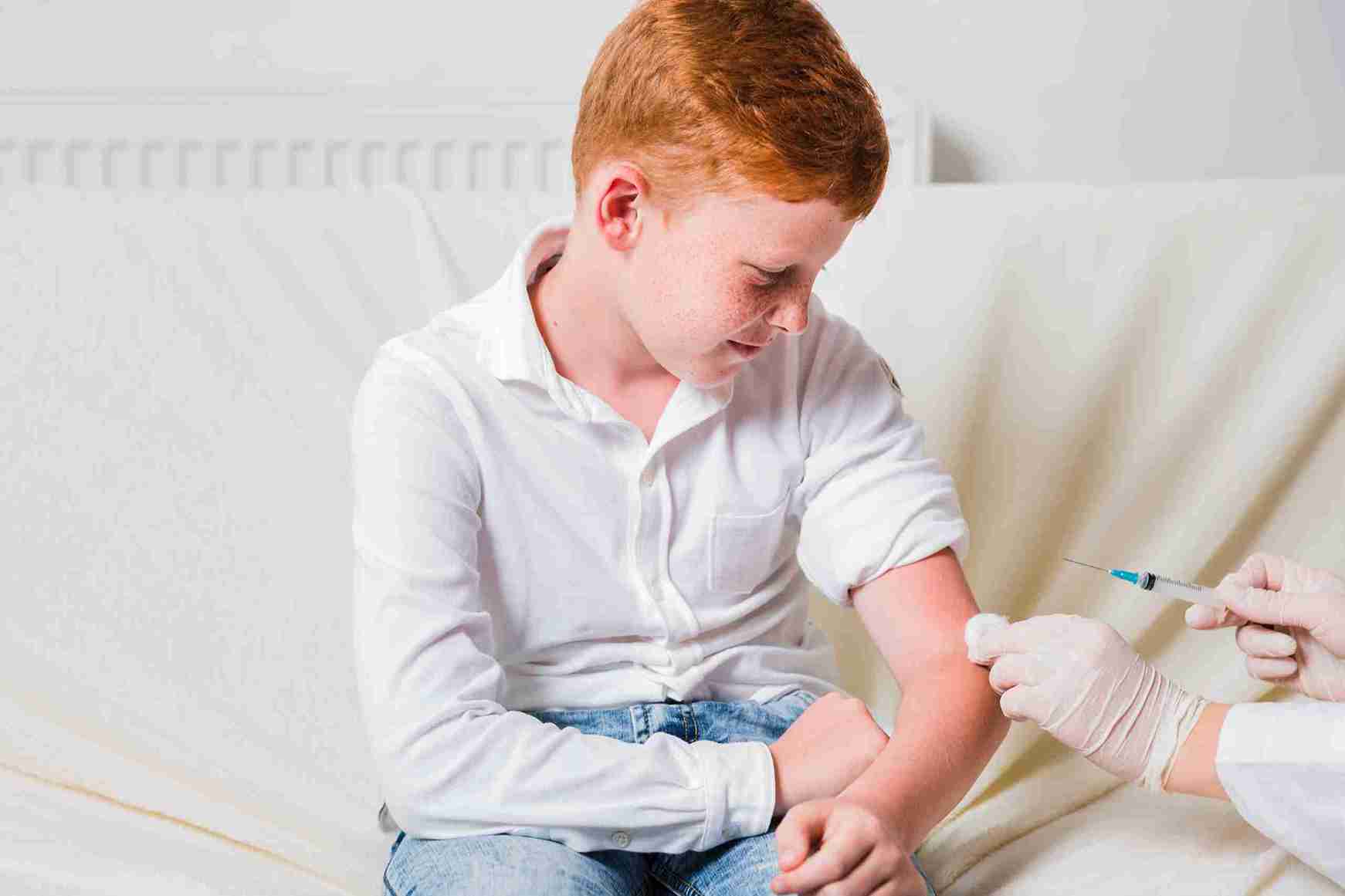
The blood supplies oxygen and nutrients to the body, removes waste products, combats infections, and controls bleeding. A blood disorder in children is defined by the abnormal functioning of one or more elements of the blood. Some are congenital, while some develop over childhood.
Red blood cells transport oxygen throughout the body. Common disorders include:
White blood cells protect the body against infections. Neutropenia occurs when neutrophil levels are low, increasing infection risk. Leukocytosis refers to an unusually high white blood cell count and can occur because of infections or other conditions. Leukaemia is a cancer of blood-forming tissues that causes abnormal blood cell production. Other bone marrow disorders can also affect white blood cell development.
Platelets are responsible for blood clotting. In immune thrombocytopenia (ITP), the immune system damages platelets, leading to their deficiency. The diagnosis of thrombocytopenia is associated with a low platelet count, whereas thrombocytosis is associated with an elevated platelet count.
Haemophilia is a genetic disorder characterised by a lack of certain coagulation factors and a tendency to bleed for too long. Von Willebrand disease is connected to an improper blood clotting mechanism.
There are numerous causes that lead to blood diseases in children. It might be genetic problems, nutritional deficiencies, disorders of the bone marrow, autoimmune problems, infectious diseases, drugs, cancer, and other chronic diseases. It is vital to determine the cause in order to choose the treatment.
Children with blood disorders might suffer from fatigue, paleness, frequent infections, fever, bruises, bleeding, enlarged lymph nodes, pain in bones or joints, slow growth, shortness of breath, and small red or purple spots (petechiae).
Childhood blood disorders may cause fatigue, pale skin, frequent infections, fever, easy bruising, excessive bleeding, swollen lymph nodes, bone or joint pain, poor growth, shortness of breath, or tiny red or purple spots called petechiae. Symptoms depend on the affected blood component and the underlying condition.
Doctors begin with the child's medical and family history and a physical examination. Tests may include a Complete Blood Count (CBC), peripheral blood smear, iron studies, haemoglobin electrophoresis, and coagulation profile. Genetic testing may identify inherited conditions. A bone marrow examination may be recommended when more detailed evaluation is needed.
Treatment depends on the diagnosis and may include iron supplements, vitamins, antibiotics for infections, steroids, or immunotherapy for selected immune-related disorders.
Some children may require blood transfusions, platelet transfusions, or replacement of missing clotting factors.
For severe conditions, treatment may include bone marrow or stem cell transplantation. Gene therapy is also an option for certain specific inherited disorders.
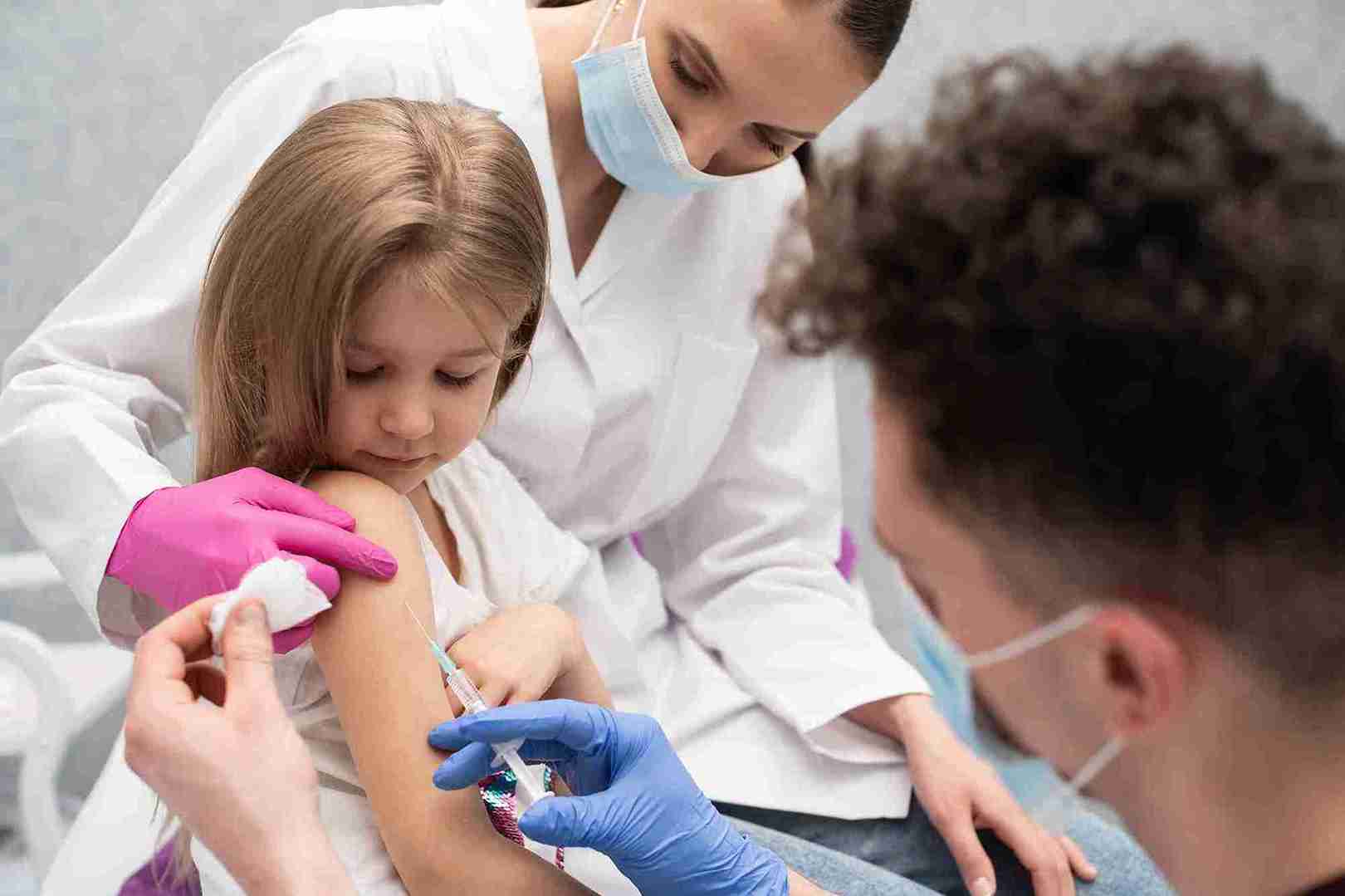
Not all paediatric blood disorders can be prevented, particularly inherited conditions. However, genetic counselling can help families understand inherited risks. Healthy nutrition, vaccinations, routine health check-ups, infection prevention, and early diagnosis can reduce complications and support better outcomes.
Parents should seek medical evaluation if a child develops persistent fever, frequent infections, severe fatigue, unexplained bruising, bleeding that does not stop, unusually pale skin, swollen lymph nodes, recurrent nosebleeds, or delayed growth. Urgent assessment is particularly important when symptoms are sudden or severe.
Cloudnine provides specialised paediatric care for children with suspected or diagnosed blood disorders. Its paediatricians and specialists can assess symptoms, recommend appropriate blood investigations, interpret test results, and develop personalised treatment plans. Early evaluation can help identify the underlying condition and ensure children receive timely medical support.
Blood disorders can range from common nutritional problems such as iron deficiency anaemia to inherited conditions and serious diseases requiring specialised treatment. Recognising warning signs and seeking medical advice early can make diagnosis and management more effective. With appropriate treatment and regular follow-up, many children with blood disorders can continue to grow, learn, and lead active lives.

Want to consult the Best Pediatrician in India? Please find the links below

Common childhood conditions include iron deficiency anaemia, inherited disorders such as thalassemia, and platelet disorders such as ITP. The frequency varies by age, population, and region.
A bleeding disorder is a condition that prevents blood from clotting normally. Haemophilia and von Willebrand disease are common inherited examples.
Several rare blood disorders exist, including certain inherited bone marrow failure syndromes and rare clotting or red blood cell disorders. Their diagnosis usually requires specialised testing.
Non-cancerous disorders include iron deficiency anaemia, thalassemia, sickle cell disease, ITP, haemophilia, and von Willebrand disease. They can still require long-term medical care depending on their severity.







 Best Gynecologists in Bellandur Best Gynecologists in Electronic City Best Gynecologists in HRBR LayoutBest Gynecologists in Jayanagar Best Gynecologists in Kanakapura RoadBest Gynecologists in Malleswaram Best Gynecologists in Nagarbhavi Best Gynecologists in Old Airport RoadBest Gynecologists in Sahakarnagar Best Gynecologists in Sarjapur RoadBest Gynecologists in ThanisandraBest Gynecologists in Varthur RoadBest Gynecologists in Whitefield Best Gynecologists in Industrial Area Phase IIBest Gynecologists in OMRBest Gynecologists in T NagarBest Gynecologists in New Industrial TownBest Gynecologists in IndirapuramBest Gynecologists in Golf Course RoadBest Gynecologists in Sector 14Best Gynecologists in Sector 47Best Gynecologists in Banjara HillsBest Gynecologists in GachibowliBest Gynecologists in Hitech CityBest Gynecologists in KompallyBest Gynecologists in Jawahar NagarBest Gynecologists in Gomti NagarBest Gynecologists in Phase 3, Sector 58Best Gynecologists in MaladBest Gynecologists in NerulBest Gynecologists in VashiBest Gynecologists in Kailash ColonyBest Gynecologists in PatparganjBest Gynecologists in Punjabi BaghBest Gynecologists in RohiniBest Gynecologists in VikaspuriBest Gynecologists in Gaur CityBest Gynecologists in Pari ChowkBest Gynecologists in Sector 51Best Gynecologists in Sector 5 Swastik ViharBest Gynecologists in Kalyani NagarBest Gynecologists in SB RoadBest Gynecologists in Pimple SaudagarBest Pediatricians in BellandurBest Pediatricians in Electronic CityBest Pediatricians in HRBR LayoutBest Pediatricians in JayanagarBest Pediatricians in Kanakapura RoadBest Pediatricians in MalleswaramBest Pediatricians in NagarbhaviBest Pediatricians in Old Airport RoadBest Pediatricians in SahakarnagarBest Pediatricians in Sarjapur RoadBest Pediatricians in ThanisandraBest Pediatricians in Varthur RoadBest Pediatricians in WhitefieldBest Pediatricians in Industrial Area Phase IIBest Pediatricians in OMRBest Pediatricians in T NagarBest Pediatricians in New Industrial TownshipBest Pediatricians in IndirapuramBest Pediatricians in Golf Course RoadBest Pediatricians in Sector 14Best Pediatricians in Sector 47Best Pediatricians in Hitech CityBest Pediatricians in Banjara HillsBest Pediatricians in GachibowliBest Pediatricians in KompallyBest Pediatricians in Jawahar NagarBest Pediatricians in Gomti NagarBest Pediatricians in Phase 3, Sector 58Best Pediatricians in MaladBest Pediatricians in NerulBest Pediatricians in VashiBest Pediatricians in Kailash ColonyBest Pediatricians in PatparganjBest Pediatricians in Punjabi BaghBest Pediatricians in RohiniBest Pediatricians in VikaspuriBest Pediatricians in Gaur CityBest Pediatricians in Pari ChowkBest Pediatricians in Sector 51Best Pediatricians in Sector 5 Swastik ViharBest Pediatricians in Kalyani NagarBest Pediatricians in SB RoadBest Pediatricians in Pimple Saudagar


