
Typhoid fever is a bacterial infection that can cause prolonged fever, digestive problems, weakness, and other symptoms. During pregnancy, an infection deserves prompt attention because illness, dehydration, and high fever can affect both the pregnant woman and developing baby.
Typhoid in pregnancy is treatable, but delaying diagnosis or treatment can increase the risk of complications. Early medical evaluation allows the infection to be confirmed and appropriate antibiotics to be started. This article explains the causes, symptoms of typhoid in pregnancy, diagnosis, treatment, possible effects on the baby, prevention, and when urgent medical care is needed.

Typhoid fever is an infection caused by the bacteria Salmonella Typhi. Typhoid is typically acquired through consuming food or drinking water that contains these bacteria. Factors such as poor hygiene and unhygienic food preparation may contribute to the transmission of typhoid fever. Women who are pregnant should not disregard a fever or any other symptoms they might have, especially if they have had contact with food or water sources believed to be contaminated. Proper treatment should be sought to avoid the condition from worsening.
Typhoid fever, left untreated, can result in conditions such as dehydration, fever, gastrointestinal problems, and weakness. The occurrence of severe cases in pregnant women can potentially cause complications to pregnancy as well. However, a proper diagnosis and pregnancy typhoid treatment can minimise these risks.
Most women who get proper treatment recover from the infection; their recovery depends on the severity of the infection.
The signs and symptoms of typhoid in pregnancy may develop gradually and may be mistaken for other infections. The symptoms could be:
Persistent fever while pregnant should always be checked out by a medical practitioner as opposed to treating it as a common symptom associated with pregnancy.
Typhoid infection mainly results from ingestion of contaminated food and/or water. Other causes include poor sanitary practices, lack of proper hand washing techniques and direct exposure to the bacteria from another patient.

Risk factors could include travelling to areas where typhoid is prevalent, ingesting food and water of uncertain quality, poor sanitary practices, and lack of proper sanitation facilities. It is important to note that pregnancy does not cause typhoid.
The physician takes into account your symptoms, medical history, exposure, and physical findings. Blood culture is typically done to confirm Salmonella Typhi. Stool or urine cultures may be necessary at times. A CBC test along with some other tests can provide more information regarding your condition.
Typhoid in pregnant women is treated with antibiotics chosen by the doctor depending upon the safety in pregnancy, drug resistance in that region, and the infection itself. Take antibiotics only under the guidance of the physician and complete the course even if the symptoms subside after a few days.
Sufficient fluid intake is required since typhoid infection in pregnancy causes dehydration due to fever, vomiting, and diarrhoea. Fever management along with proper diet and enough rest may be advised by your physician. In case food intake is difficult, frequent small meals should be taken.
Hospital care may be necessary when infection is severe or there is significant dehydration, persistent vomiting, complications, or concern about the wellbeing of the mother or baby. In hospital, both can be monitored more closely.
Severe or untreated infection may increase the risk of complications such as preterm labour, low birth weight, and fetal distress. In severe cases, miscarriage or stillbirth can occur, although these outcomes are uncommon with timely treatment. Transmission to the newborn is also possible but rare.
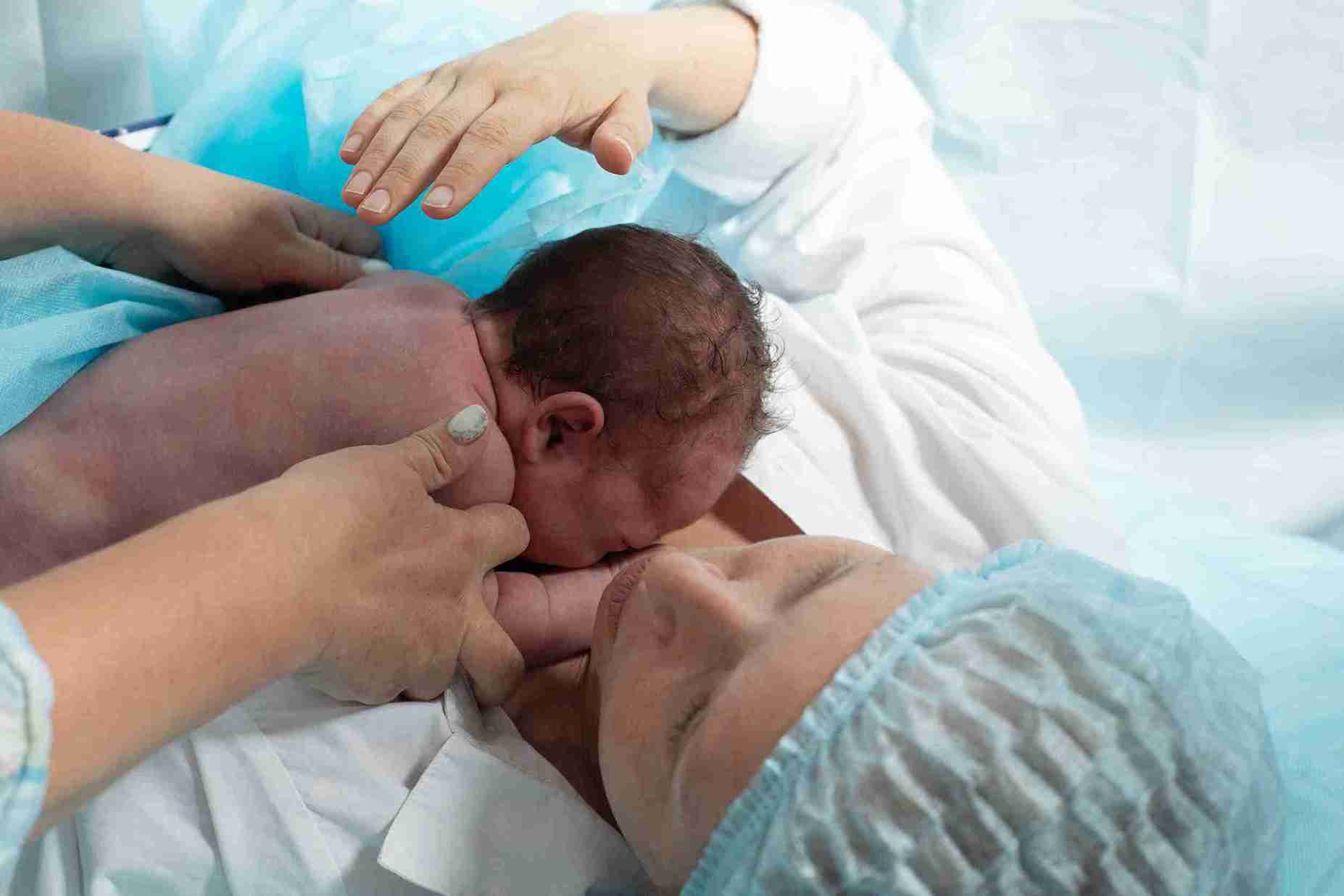
Reduce your risk by drinking safe water, washing your hands regularly, eating thoroughly cooked food, avoiding unsafe street food, and following good sanitation practices. Take extra care with food and water when travelling. Typhoid vaccination may be appropriate before pregnancy or for certain travellers; discuss vaccination with your doctor based on your individual circumstances.
After treatment, attend recommended follow-up appointments and complete the full medication course. Focus on rebuilding your nutrition and hydration, and follow your obstetrician's advice about monitoring fetal growth or other pregnancy assessments. Report any returning fever, digestive symptoms, or worsening weakness rather than assuming the infection has completely resolved.
Seek urgent medical care for persistent high fever, severe dehydration, ongoing vomiting, reduced fetal movements, severe abdominal pain, vaginal bleeding, signs of preterm labour, difficulty breathing, confusion, or extreme weakness. These symptoms may indicate severe infection or another pregnancy complication requiring immediate assessment.
At Cloudnine, obstetricians and multidisciplinary specialists work together to manage infections during pregnancy while keeping both maternal and fetal wellbeing in focus. Personalised assessment, appropriate diagnostic testing, pregnancy-specific treatment planning, and access to specialised maternity and neonatal care allow complications to be identified and managed promptly when needed.
Typhoid in pregnancy requires timely medical attention, but early diagnosis and appropriate treatment can help support a healthy recovery. Avoid self-medication, maintain good hydration, follow food and water safety measures, and attend all recommended pregnancy check-ups. If you develop a persistent fever or concerning symptoms, contact your obstetrician promptly.

Want to consult the best gynecologists in India? Please find the links below.
Want to consult the best Maternity Packages in India? Please find the links below.

Yes, transmission to the baby is possible, particularly with severe or untreated infection, but it is uncommon when typhoid is diagnosed and treated appropriately.
The appropriate antibiotic depends on pregnancy stage, bacterial sensitivity, and local resistance patterns. Your doctor will select an option considered suitable during pregnancy.
Severe or untreated infection can increase risks such as fetal distress, preterm birth, and low birth weight. Prompt treatment helps reduce these risks.
In many cases, yes. Previous typhoid infection does not automatically prevent vaginal delivery. Your obstetrician will recommend the safest delivery plan based on your recovery and pregnancy.







 Best Gynecologists in Bellandur Best Gynecologists in Electronic City Best Gynecologists in HRBR LayoutBest Gynecologists in Jayanagar Best Gynecologists in Kanakapura RoadBest Gynecologists in Malleswaram Best Gynecologists in Nagarbhavi Best Gynecologists in Old Airport RoadBest Gynecologists in Sahakarnagar Best Gynecologists in Sarjapur RoadBest Gynecologists in ThanisandraBest Gynecologists in Varthur RoadBest Gynecologists in Whitefield Best Gynecologists in Industrial Area Phase IIBest Gynecologists in OMRBest Gynecologists in T NagarBest Gynecologists in New Industrial TownBest Gynecologists in IndirapuramBest Gynecologists in Golf Course RoadBest Gynecologists in Sector 14Best Gynecologists in Sector 47Best Gynecologists in Banjara HillsBest Gynecologists in GachibowliBest Gynecologists in Hitech CityBest Gynecologists in KompallyBest Gynecologists in Gomti NagarBest Gynecologists in MaladBest Gynecologists in NerulBest Gynecologists in VashiBest Gynecologists in Kailash ColonyBest Gynecologists in PatparganjBest Gynecologists in Punjabi BaghBest Gynecologists in VikaspuriBest Gynecologists in Gaur CityBest Gynecologists in Pari ChowkBest Gynecologists in Sector 51Best Gynecologists in Sector 5 Swastik ViharBest Gynecologists in Kalyani NagarBest Gynecologists in SB RoadBest Gynecologists in Pimple SaudagarBest Pediatricians in BellandurBest Pediatricians in Electronic CityBest Pediatricians in HRBR LayoutBest Pediatricians in JayanagarBest Pediatricians in Kanakapura RoadBest Pediatricians in MalleswaramBest Pediatricians in NagarbhaviBest Pediatricians in Old Airport RoadBest Pediatricians in SahakarnagarBest Pediatricians in Sarjapur RoadBest Pediatricians in ThanisandraBest Pediatricians in Varthur RoadBest Pediatricians in WhitefieldBest Pediatricians in Industrial Area Phase IIBest Pediatricians in OMRBest Pediatricians in T NagarBest Pediatricians in New Industrial TownshipBest Pediatricians in IndirapuramBest Pediatricians in Golf Course RoadBest Pediatricians in Sector 14Best Pediatricians in Sector 47Best Pediatricians in Hitech CityBest Pediatricians in Banjara HillsBest Pediatricians in GachibowliBest Pediatricians in KompallyBest Pediatricians in Gomti NagarBest Pediatricians in MaladBest Pediatricians in NerulBest Pediatricians in VashiBest Pediatricians in Kailash ColonyBest Pediatricians in PatparganjBest Pediatricians in Punjabi BaghBest Pediatricians in VikaspuriBest Pediatricians in Gaur CityBest Pediatricians in Pari ChowkBest Pediatricians in Sector 51Best Pediatricians in Sector 5 Swastik ViharBest Pediatricians in Kalyani NagarBest Pediatricians in SB RoadBest Pediatricians in Pimple Saudagar


