
Couples trying to conceive often undergo several fertility tests, and it is common to wonder can follicular study confirm pregnancy. While follicular monitoring plays an important role in tracking ovulation and identifying the fertile window, it is not a test used to diagnose pregnancy. Instead, it helps doctors understand when ovulation is likely to occur and guides fertility treatment or timed conception. Pregnancy can only be confirmed through appropriate tests after implantation has occurred. This article explains how a follicular study works, what it can reveal, when to take a pregnancy test afterwards, and the next steps for couples trying to conceive.

A follicular study involves a series of vaginal ultrasounds conducted throughout the menstrual cycle in order to monitor the growth and development of the follicles in the ovaries. A follicular study is often suggested when pregnancy is planned by evaluating fertility, timing intercourse, or using assisted reproductive technologies such as ovulation induction, intrauterine insemination (IUI), or in vitro fertilisation (IVF).
Monitoring starts at an early stage of the menstrual cycle, and ultrasounds are done repeatedly until ovulation is detected.
This information helps identify the most fertile window.
No, a follicular study cannot be used for checking pregnancy status. If you want to know if a follicular study confirms pregnancy, then no, it doesn’t.
It is a study that helps to track ovulation but cannot track fertilisation, implantation or hCG hormone levels. As soon as ovulation occurs, the study ends since the goal has already been achieved.
You need:
● Blood beta-hCG test
● An ultrasound performed at the appropriate stage of pregnancy
While a follicular study for pregnancy is helpful in optimising the timing of conception, it is not a pregnancy-confirmation test and cannot confirm whether implantation has occurred.
A follicular study provides valuable information about fertility, including:
● Number of ovarian follicles
● Follicle size
● Dominant follicle development
● Response to fertility medications
● Whether ovulation has occurred
These findings help doctors personalise fertility treatment.
Your physician may suggest you undergo a follicular study in case of:
● Infertility problems
● Ovulation irregularities
● Polyendocrine Metabolic Ovarian Syndrome (earlier known as PCOS)
● Fertility treatment like IUI or IVF
● Medication-based ovulation induction
● Need to identify the fertile phase
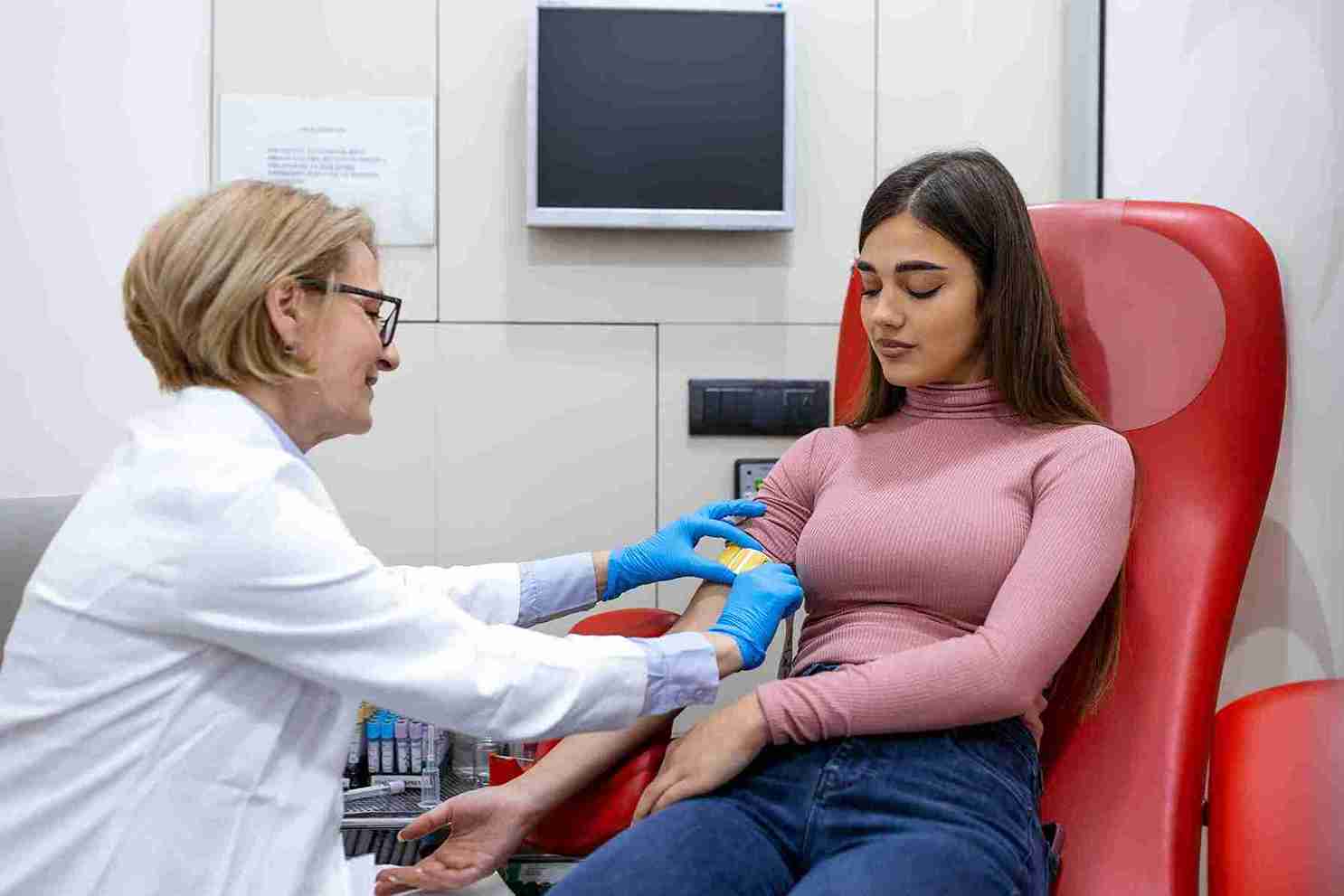
There are many questions asked by couples after follicular study when to take pregnancy test? One must understand that the pregnancy test detects hCG hormone and not ovulation.
Testing immediately after ovulation is usually too early because implantation takes time. Your doctor will advise the appropriate time for testing, which is generally after sufficient time has passed following ovulation or after a missed period. During fertility treatment cycles, including IUI or IVF, follow the testing schedule provided by your fertility clinic.
If you're unsure after follicular study when to take pregnancy test, always follow your treating doctor's recommendations rather than testing too early.
Although some people refer to it as a follicle test for pregnancy, a follicular study and a pregnancy test serve different purposes.
A follicle test for pregnancy is therefore not the correct term, as follicular monitoring cannot diagnose pregnancy.
When ovulation is proven, the following can be recommended:
● Timed intercourse
● Scheduling IUI procedure
● Embryo transfer in case of IVF
● Luteal phase support when prescribed
● Waiting for pregnancy testing
● Follow-up appointments
The next steps depend on your individual fertility treatment plan.
Yes. Pregnancy is possible if ovulation occurs and fertilisation and implantation are successful. Follicular monitoring helps identify the most fertile days but cannot guarantee conception
Also, there are the following factors that influence pregnancy:
● Quality of sperm
● Endometrium quality
● Mother’s age
With follicular study, you will not be able to:
● Confirm fertilisation
● Check implantation
● Determine pregnancy
● Assess embryo development
Further tests will depend on your fertility assessment.
Seek specialist advice if you have:
● Pregnancy has not occurred after several monitored cycles
● PMOS (PCOS)
● Endometriosis
● Male factor infertility
● Recurrent miscarriage
● Age above 35 years with difficulty conceiving
● Previous unsuccessful fertility treatments
At Cloudnine, fertility specialists use advanced ultrasound monitoring, hormonal evaluation, and personalised treatment plans to optimise your chances of conception. Whether you need follicular monitoring, ovulation induction, IUI, or IVF, the team provides evidence-based fertility care with continuous guidance throughout your journey.

A follicular study is a valuable fertility tool that helps identify ovulation and the most fertile time to conceive, but it cannot confirm pregnancy. Pregnancy can only be diagnosed through hCG testing and ultrasound at the appropriate stage. Working closely with your fertility specialist ensures the right investigations and timely guidance throughout your conception journey.
Want to consult the best gynecologists in India? Please find the links below.
Want to consult the best Maternity Packages in India? Please find the links below.

No. It is usually performed using a transvaginal ultrasound and causes only mild, temporary discomfort for most women.
The timing depends on your menstrual cycle and your doctor's advice, with monitoring typically starting early in the cycle.
It can identify multiple ovarian follicles suggestive of PCOS, but diagnosis also considers symptoms, hormone tests, and other findings.
Normal findings include healthy follicle growth, timely ovulation, and an endometrium that develops appropriately for the stage of the menstrual cycle.







 Best Gynecologists in Bellandur Best Gynecologists in Electronic City Best Gynecologists in HRBR LayoutBest Gynecologists in Jayanagar Best Gynecologists in Kanakapura RoadBest Gynecologists in Malleswaram Best Gynecologists in Nagarbhavi Best Gynecologists in Old Airport RoadBest Gynecologists in Sahakarnagar Best Gynecologists in Sarjapur RoadBest Gynecologists in ThanisandraBest Gynecologists in Varthur RoadBest Gynecologists in Whitefield Best Gynecologists in Industrial Area Phase IIBest Gynecologists in OMRBest Gynecologists in T NagarBest Gynecologists in New Industrial TownBest Gynecologists in IndirapuramBest Gynecologists in Golf Course RoadBest Gynecologists in Sector 14Best Gynecologists in Sector 47Best Gynecologists in Banjara HillsBest Gynecologists in GachibowliBest Gynecologists in Hitech CityBest Gynecologists in KompallyBest Gynecologists in Gomti NagarBest Gynecologists in MaladBest Gynecologists in NerulBest Gynecologists in VashiBest Gynecologists in Kailash ColonyBest Gynecologists in PatparganjBest Gynecologists in Punjabi BaghBest Gynecologists in VikaspuriBest Gynecologists in Gaur CityBest Gynecologists in Pari ChowkBest Gynecologists in Sector 51Best Gynecologists in Sector 5 Swastik ViharBest Gynecologists in Kalyani NagarBest Gynecologists in SB RoadBest Gynecologists in Pimple SaudagarBest Pediatricians in BellandurBest Pediatricians in Electronic CityBest Pediatricians in HRBR LayoutBest Pediatricians in JayanagarBest Pediatricians in Kanakapura RoadBest Pediatricians in MalleswaramBest Pediatricians in NagarbhaviBest Pediatricians in Old Airport RoadBest Pediatricians in SahakarnagarBest Pediatricians in Sarjapur RoadBest Pediatricians in ThanisandraBest Pediatricians in Varthur RoadBest Pediatricians in WhitefieldBest Pediatricians in Industrial Area Phase IIBest Pediatricians in OMRBest Pediatricians in T NagarBest Pediatricians in New Industrial TownshipBest Pediatricians in IndirapuramBest Pediatricians in Golf Course RoadBest Pediatricians in Sector 14Best Pediatricians in Sector 47Best Pediatricians in Hitech CityBest Pediatricians in Banjara HillsBest Pediatricians in GachibowliBest Pediatricians in KompallyBest Pediatricians in Gomti NagarBest Pediatricians in MaladBest Pediatricians in NerulBest Pediatricians in VashiBest Pediatricians in Kailash ColonyBest Pediatricians in PatparganjBest Pediatricians in Punjabi BaghBest Pediatricians in VikaspuriBest Pediatricians in Gaur CityBest Pediatricians in Pari ChowkBest Pediatricians in Sector 51Best Pediatricians in Sector 5 Swastik ViharBest Pediatricians in Kalyani NagarBest Pediatricians in SB RoadBest Pediatricians in Pimple Saudagar


