Recurring tummy aches, constipation, or bloating are concerns that many parents encounter as their child grows up. In most cases, these symptoms are temporary and improve with simple changes diet or routine. However, if digestive problems keep returning or begin to affect your child's apin petite, comfort, or daily activities, it's worth paying closer attention.
Gut health in children refers to how well the digestive system works, including digestion, nutrient absorption and comfortable, regular bowel movements. Everyday food choices and healthy habits play an important role in supporting these functions.
Occasional digestive symptoms are common during childhood and do not necessarily indicate an underlying health problem. However, persistent or recurring symptoms deserve attention. In this article, let's explore why gut health matters, the signs of poor gut health in children, foods that support healthy digestion and simple daily habits that help children maintain good digestive health.
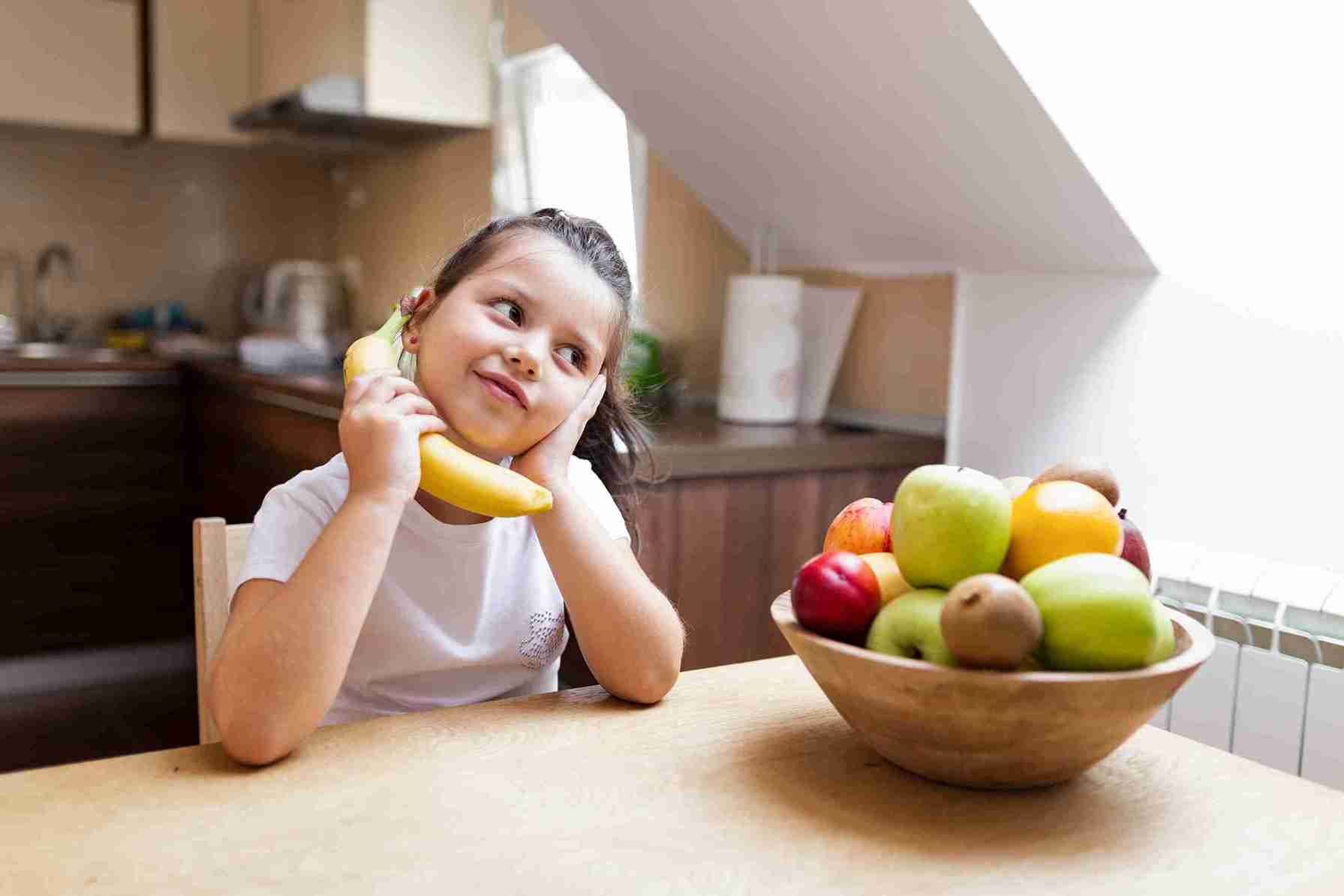
A healthy digestive system does much more than process food. It helps the body absorb essential nutrients needed for growth, supports regular bowel function and contributes to a child's overall well-being. The digestive system is also home to millions of beneficial microorganisms, called gut bacteria, which are a normal part of healthy digestion. A balanced diet and healthy daily habits help support this natural environment.
You don't need costly products or restrictive diets to support gut health. For most children, eating a variety of nutritious foods and following healthy everyday routines are the most effective ways to encourage good digestive health.
Digestive symptoms can have many causes, and not every stomach ache or episode of constipation indicates poor gut health. However, if certain symptoms occur frequently or persist over time, they may warrant further attention.
Changes in how often your child passes stools or in the consistency of their stools may be one of the first signs to notice.
These may include:
● Frequent constipation
● Recurrent diarrhoea
● Alternating between constipation and diarrhoea
● Difficulty passing stools
Children may also experience symptoms related to digestion, such as:
● Frequent tummy aches
● Bloating
● Feeling unusually full after eating small amounts
In some children, digestive problems may also be associated with:
● Reduced appetite
● Ongoing digestive complaints without an obvious cause
● Avoiding meals because eating causes discomfort
If these signs persist, worsen, or begin to affect your child's growth, daily activities, or overall well-being, it's important to seek medical advice.
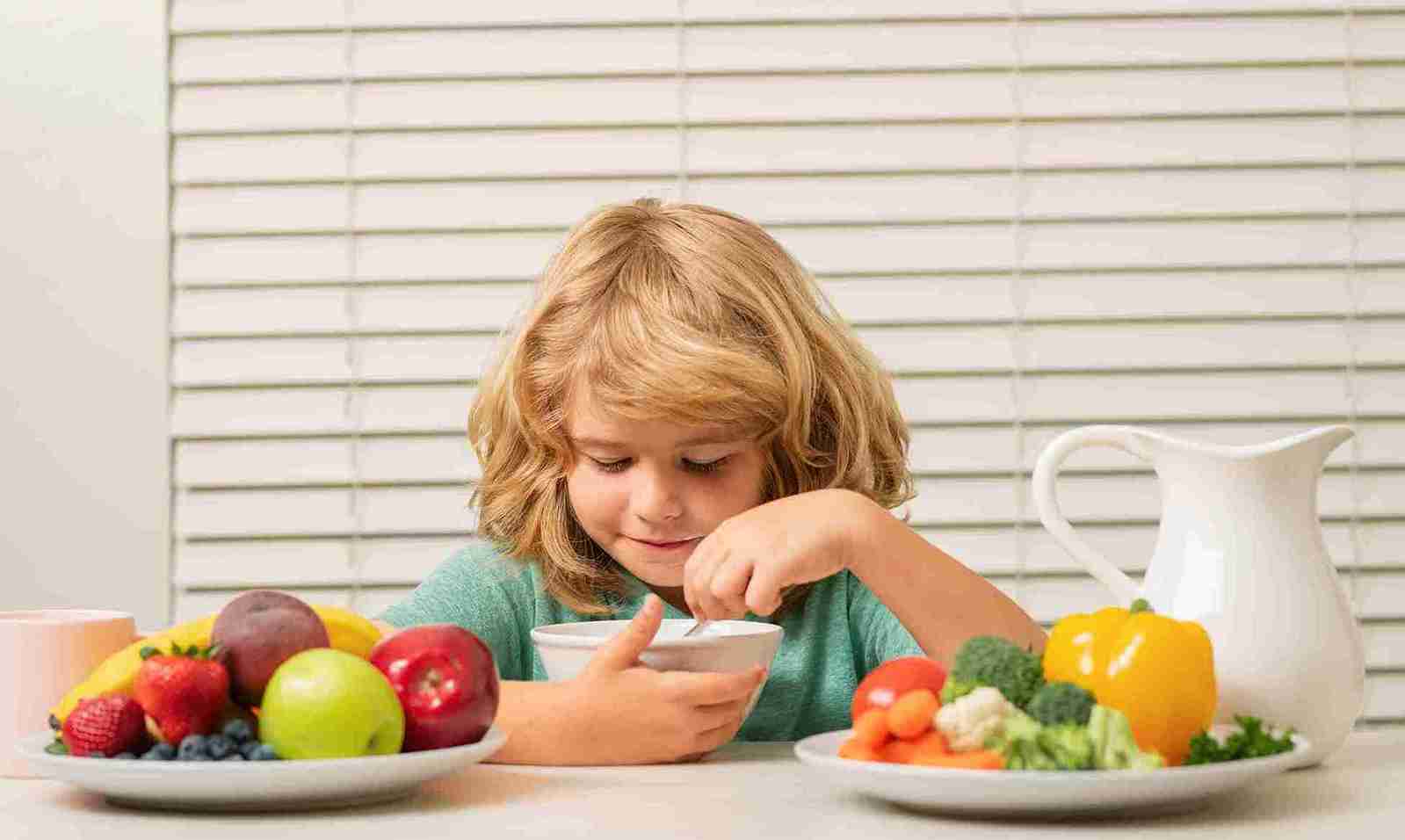
A nutritious diet is one of the best ways to support a healthy gut for kids. Rather than focusing on one "superfood", aim to include a variety of foods, including vegetables and fruits, that provide fibre and other nutrients that help keep the digestive system working well.
Fibre helps support regular bowel movements and contributes to healthy digestion. Encourage your child to eat a variety of:
● Seasonal fruits such as apples, pears and guava.
● Vegetables, including carrots, beans and green leafy vegetables.
● Whole grains such as oats, whole wheat and brown rice.
● Pulses, beans and lentils, including dal and chickpeas.
Including a variety of fibre-rich foods throughout the week is more beneficial than relying on just one or two staple foods.
Some fermented foods naturally contain beneficial bacteria and can be included in a balanced diet.
Examples include:
● Curd
● Yoghurt
● Buttermilk (where age-appropriate)
These foods can be enjoyed regularly as part of balanced meals or snacks, unless your child's paediatrician advises otherwise.
Certain foods nourish the beneficial bacteria that naturally live in the digestive system.
These include:
● Oats
● Bananas
● Onions
● Garlic
Including these foods regularly, alongside plenty of fruits, vegetables and whole grains, helps create a varied eating pattern that supports digestive health.
Good digestive health isn't determined by food alone. Everyday habits also play an important role in keeping the digestive system functioning well.
Simple habits that support a healthy gut for kids include:
● Eating meals at regular times each day.
● Drinking enough water throughout the day.
● Staying physically active through play, sports or outdoor activities.
● Encouraging children to use the toilet when they feel the urge, rather than delaying bowel movements.
● Getting enough sleep each night.
Antibiotics should be used only when prescribed by a healthcare professional, as unnecessary use may temporarily disrupt the balance of beneficial gut bacteria.
These everyday habits, together with a healthy eating pattern, help support healthy digestion and comfortable bowel habits over time.
Occasional constipation, diarrhoea or tummy discomfort are common during childhood and often improve with simple dietary or lifestyle changes. However, persistent digestive symptoms should not be ignored.
Speak with a paediatrician if your child:
● Has constipation or diarrhoea that continues or keeps returning.
● Has blood in their stools.
● Experiences severe or persistent abdominal pain.
● Vomits repeatedly along with digestive symptoms.
● Has poor weight gain or unexplained weight loss.
● Develops ongoing digestive problems that interfere with eating, school or everyday activities.
A medical assessment can help identify the underlying cause and guide appropriate treatment if needed.

Supporting good digestion doesn't require complicated diets or expensive supplements. For most children, healthy gut habits are built through everyday choices such as eating a variety of nutritious foods, drinking enough water, staying active and following regular meal routines.
Remember that every child is different. Some may occasionally experience constipation, diarrhoea or tummy discomfort, and these episodes do not necessarily indicate poor gut health. However, if digestive symptoms are persistent, recurrent, or begin to affect your child's growth or daily life, it's important to seek medical advice.
Encouraging healthy eating habits from an early age can help children develop a positive relationship with food while supporting their digestive health as they grow.
Want to consult the Best Pediatrician in India? Please find the links below

Persistent constipation, recurrent diarrhoea, frequent tummy aches, bloating, excessive gas or ongoing changes in bowel habits may indicate that your child's digestive health needs attention. These symptoms can have many causes, so it's best to consult a paediatrician if they persist or worsen.
A varied diet helps support healthy gut bacteria. Fibre-rich foods such as fruits, vegetables, whole grains, beans and lentils, along with fermented foods like curd and yoghurt, can be included regularly as part of a balanced diet. Foods such as oats, bananas, onions and garlic also help support the beneficial bacteria naturally present in the digestive system.
Naturally fermented foods such as curd and yoghurt contain beneficial bacteria and can be included in a child's diet where appropriate. Focusing on individual foods, aim to provide a varied, nutritious diet that supports overall digestive health.
The digestive system and the brain communicate through complex pathways, and research continues to explore this relationship. However, a child's mood and behaviour are influenced by many factors, including sleep, nutrition, physical health, emotions and their environment. Gut health is one part of overall wellbeing and should not be viewed as the sole cause of behavioural or emotional changes.







 Best Gynecologists in Bellandur Best Gynecologists in Electronic City Best Gynecologists in HRBR LayoutBest Gynecologists in Jayanagar Best Gynecologists in Kanakapura RoadBest Gynecologists in Malleswaram Best Gynecologists in Nagarbhavi Best Gynecologists in Old Airport RoadBest Gynecologists in Sahakarnagar Best Gynecologists in Sarjapur RoadBest Gynecologists in ThanisandraBest Gynecologists in Varthur RoadBest Gynecologists in Whitefield Best Gynecologists in Industrial Area Phase IIBest Gynecologists in OMRBest Gynecologists in T NagarBest Gynecologists in New Industrial TownBest Gynecologists in IndirapuramBest Gynecologists in Golf Course RoadBest Gynecologists in Sector 14Best Gynecologists in Sector 47Best Gynecologists in Banjara HillsBest Gynecologists in GachibowliBest Gynecologists in Hitech CityBest Gynecologists in KompallyBest Gynecologists in Gomti NagarBest Gynecologists in MaladBest Gynecologists in NerulBest Gynecologists in VashiBest Gynecologists in Kailash ColonyBest Gynecologists in PatparganjBest Gynecologists in Punjabi BaghBest Gynecologists in VikaspuriBest Gynecologists in Gaur CityBest Gynecologists in Pari ChowkBest Gynecologists in Sector 51Best Gynecologists in Sector 5 Swastik ViharBest Gynecologists in Kalyani NagarBest Gynecologists in SB RoadBest Gynecologists in Pimple SaudagarBest Pediatricians in BellandurBest Pediatricians in Electronic CityBest Pediatricians in HRBR LayoutBest Pediatricians in JayanagarBest Pediatricians in Kanakapura RoadBest Pediatricians in MalleswaramBest Pediatricians in NagarbhaviBest Pediatricians in Old Airport RoadBest Pediatricians in SahakarnagarBest Pediatricians in Sarjapur RoadBest Pediatricians in ThanisandraBest Pediatricians in Varthur RoadBest Pediatricians in WhitefieldBest Pediatricians in Industrial Area Phase IIBest Pediatricians in OMRBest Pediatricians in T NagarBest Pediatricians in New Industrial TownshipBest Pediatricians in IndirapuramBest Pediatricians in Golf Course RoadBest Pediatricians in Sector 14Best Pediatricians in Sector 47Best Pediatricians in Hitech CityBest Pediatricians in Banjara HillsBest Pediatricians in GachibowliBest Pediatricians in KompallyBest Pediatricians in Gomti NagarBest Pediatricians in MaladBest Pediatricians in NerulBest Pediatricians in VashiBest Pediatricians in Kailash ColonyBest Pediatricians in PatparganjBest Pediatricians in Punjabi BaghBest Pediatricians in VikaspuriBest Pediatricians in Gaur CityBest Pediatricians in Pari ChowkBest Pediatricians in Sector 51Best Pediatricians in Sector 5 Swastik ViharBest Pediatricians in Kalyani NagarBest Pediatricians in SB RoadBest Pediatricians in Pimple Saudagar