
Trisomy 21 screening reports can be confusing because they often present results as ratios such as 1:250 or 1:1,000 rather than a simple “normal” or “abnormal” value. It is important to remember that these tests estimate the risk of Down syndrome; they do not confirm whether a baby has the condition. Understanding the risk ratio, screening cut-off, and follow-up options can make the report easier to interpret.

Trisomy 21, also known as Down syndrome, is an anomaly characterised by the presence of an extra copy of chromosome 21. This syndrome might negatively influence physical and mental development as well as overall health.
Trisomy 21 screening during pregnancy is conducted to determine the risk of having a baby with Trisomy 21. Screening may be conducted either during the first trimester or at any other time, depending on the specific test.
There is no normal value of Trisomy 21; instead, results are usually expressed as a probability or risk ratio.
The answer to what is trisomy 21 risk normal range depends on the lab report reference. A report generally categorises results as lower or higher risk according to a laboratory's established reference point.
Usually, a lab interprets the results as low- or high-risk based on its established reference range. The term low-risk indicates a lower probability, and 'high-risk' indicates that further evaluation may be suggested.
For instance, the result of 1:1,000 is lower in probability compared to 1:100. Your physician must take into account your age, ultrasonography results, and screening results.
When a report uses 1:250 as its reference point, trisomy 21 cut off 1:250 means that the laboratory is using this ratio to separate two risk categories. A result of 1:250 means an estimated probability of 1 in 250, while a result such as 1:500 represents a lower estimated risk.
Depending on the laboratory's reporting system, a risk higher than the selected cut-off may be classified as screen-positive or high-risk, while a lower risk may be classified as screen-negative or low-risk. Always check the interpretation provided on your specific report.
This means that the risk of Down syndrome, according to the screening test calculation, is rather low. The result gives assurance, but does not exclude the presence of Down syndrome since screening tests do not always identify pregnancies affected by this condition.
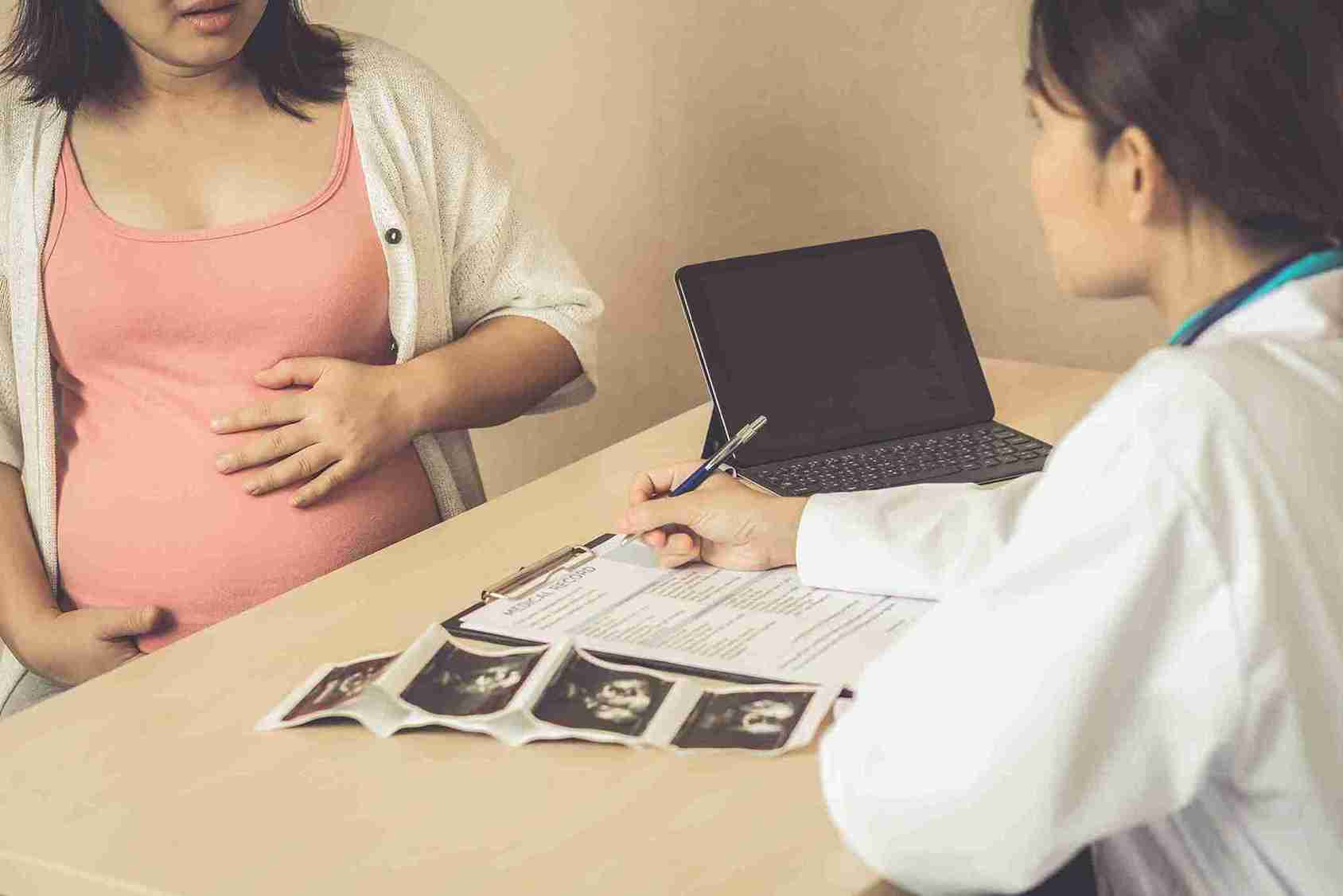
Trisomy 21 risk cut-off is the value used by the laboratory for screening result classification. Some common values are ratios like 1:250 or 1:270, but they may vary from laboratory to laboratory. Therefore, the result cannot be assessed without taking into account the reference range, which is given in the report.
The risk of Down syndrome may be determined based on the following factors:
● Maternal age
● Measurement of Nuchal Translucency (NT)
● Double Marker Test results
● Ultrasound findings
Some screening approaches may also incorporate additional biochemical markers or cell-free DNA testing. The final ratio is therefore a calculated estimate rather than a direct measurement of the baby's chromosomes.
No. A high-risk outcome indicates only a high likelihood of Trisomy 21 in the pregnancy and requires further assessment.
Screening tests estimate probability, whereas diagnostic tests examine fetal genetic material to provide a much more definitive answer. Chorionic villus sampling (CVS) and amniocentesis are diagnostic procedures that can be offered when clinically appropriate. Because these procedures are invasive and carry some risks, your obstetrician or genetic counsellor can explain whether one is suitable for you.
You should continue normal prenatal care and have all necessary ultrasound and antenatal checks. In case the report causes any worries, discuss it with your obstetrician instead of interpreting it yourself by ratio.
Do not panic. Discuss the report with your obstetrician and think about genetic counseling. Based on the screening procedure, gestation period and other factors, your doctor might suggest you additional screenings or diagnostic tests.
Cloudnine supports expectant parents through prenatal screening and genetic-risk assessment with experienced obstetricians and specialists. The team can help explain screening reports, review ultrasound and laboratory findings, discuss available follow-up tests, and provide personalised guidance so parents can make informed decisions about their pregnancy.

Understanding a Trisomy 21 report becomes easier when you remember that it provides a risk estimate, not a diagnosis. Ratios such as 1:250 need to be interpreted according to the laboratory's cut-off and alongside other pregnancy findings. Whether your result is low or high risk, discussing it with your obstetrician can help you understand what it means and what, if anything, should happen next.
Want to consult the best gynecologists in India? Please find the links below.
Want to consult the best Maternity Packages in India? Please find the links below.

A lower-risk result is generally more reassuring, but there is no single number that guarantees the absence of Down syndrome. Your report should be interpreted according to the laboratory's reference range.
In general, a ratio with a larger denominator, such as 1:1,000, represents a lower estimated probability than 1:100. The laboratory's stated cut-off should always be considered.
Down syndrome can affect development and may be associated with certain health conditions, but its effects vary considerably between individuals. Appropriate medical, developmental, and educational support can improve quality of life.
Risk depends on factors including maternal age, NT measurement, biochemical markers, and gestational age. First-trimester screening estimates risk rather than providing a definitive diagnosis.







 Best Gynecologists in Bellandur Best Gynecologists in Electronic City Best Gynecologists in HRBR LayoutBest Gynecologists in Jayanagar Best Gynecologists in Kanakapura RoadBest Gynecologists in Malleswaram Best Gynecologists in Nagarbhavi Best Gynecologists in Old Airport RoadBest Gynecologists in Sahakarnagar Best Gynecologists in Sarjapur RoadBest Gynecologists in ThanisandraBest Gynecologists in Varthur RoadBest Gynecologists in Whitefield Best Gynecologists in Industrial Area Phase IIBest Gynecologists in OMRBest Gynecologists in T NagarBest Gynecologists in New Industrial TownBest Gynecologists in IndirapuramBest Gynecologists in Golf Course RoadBest Gynecologists in Sector 14Best Gynecologists in Sector 47Best Gynecologists in Banjara HillsBest Gynecologists in GachibowliBest Gynecologists in Hitech CityBest Gynecologists in KompallyBest Gynecologists in Gomti NagarBest Gynecologists in MaladBest Gynecologists in NerulBest Gynecologists in VashiBest Gynecologists in Kailash ColonyBest Gynecologists in PatparganjBest Gynecologists in Punjabi BaghBest Gynecologists in VikaspuriBest Gynecologists in Gaur CityBest Gynecologists in Pari ChowkBest Gynecologists in Sector 51Best Gynecologists in Sector 5 Swastik ViharBest Gynecologists in Kalyani NagarBest Gynecologists in SB RoadBest Gynecologists in Pimple SaudagarBest Pediatricians in BellandurBest Pediatricians in Electronic CityBest Pediatricians in HRBR LayoutBest Pediatricians in JayanagarBest Pediatricians in Kanakapura RoadBest Pediatricians in MalleswaramBest Pediatricians in NagarbhaviBest Pediatricians in Old Airport RoadBest Pediatricians in SahakarnagarBest Pediatricians in Sarjapur RoadBest Pediatricians in ThanisandraBest Pediatricians in Varthur RoadBest Pediatricians in WhitefieldBest Pediatricians in Industrial Area Phase IIBest Pediatricians in OMRBest Pediatricians in T NagarBest Pediatricians in New Industrial TownshipBest Pediatricians in IndirapuramBest Pediatricians in Golf Course RoadBest Pediatricians in Sector 14Best Pediatricians in Sector 47Best Pediatricians in Hitech CityBest Pediatricians in Banjara HillsBest Pediatricians in GachibowliBest Pediatricians in KompallyBest Pediatricians in Gomti NagarBest Pediatricians in MaladBest Pediatricians in NerulBest Pediatricians in VashiBest Pediatricians in Kailash ColonyBest Pediatricians in PatparganjBest Pediatricians in Punjabi BaghBest Pediatricians in VikaspuriBest Pediatricians in Gaur CityBest Pediatricians in Pari ChowkBest Pediatricians in Sector 51Best Pediatricians in Sector 5 Swastik ViharBest Pediatricians in Kalyani NagarBest Pediatricians in SB RoadBest Pediatricians in Pimple Saudagar


