
Pregnancy confirmation often begins with detecting a hormone called human chorionic gonadotropin (hCG). One of the most accurate ways to measure this hormone is through a beta hCG test, a blood test commonly recommended during early pregnancy. Unlike many home pregnancy kits, this test can detect pregnancy at a much earlier stage and provide exact hormone levels.
Doctors may use beta hCG for pregnancy confirmation, monitoring pregnancy progression, or evaluating certain pregnancy-related complications. Since hCG levels change rapidly during the first few weeks, understanding the test and its results can help women feel more informed during early pregnancy.
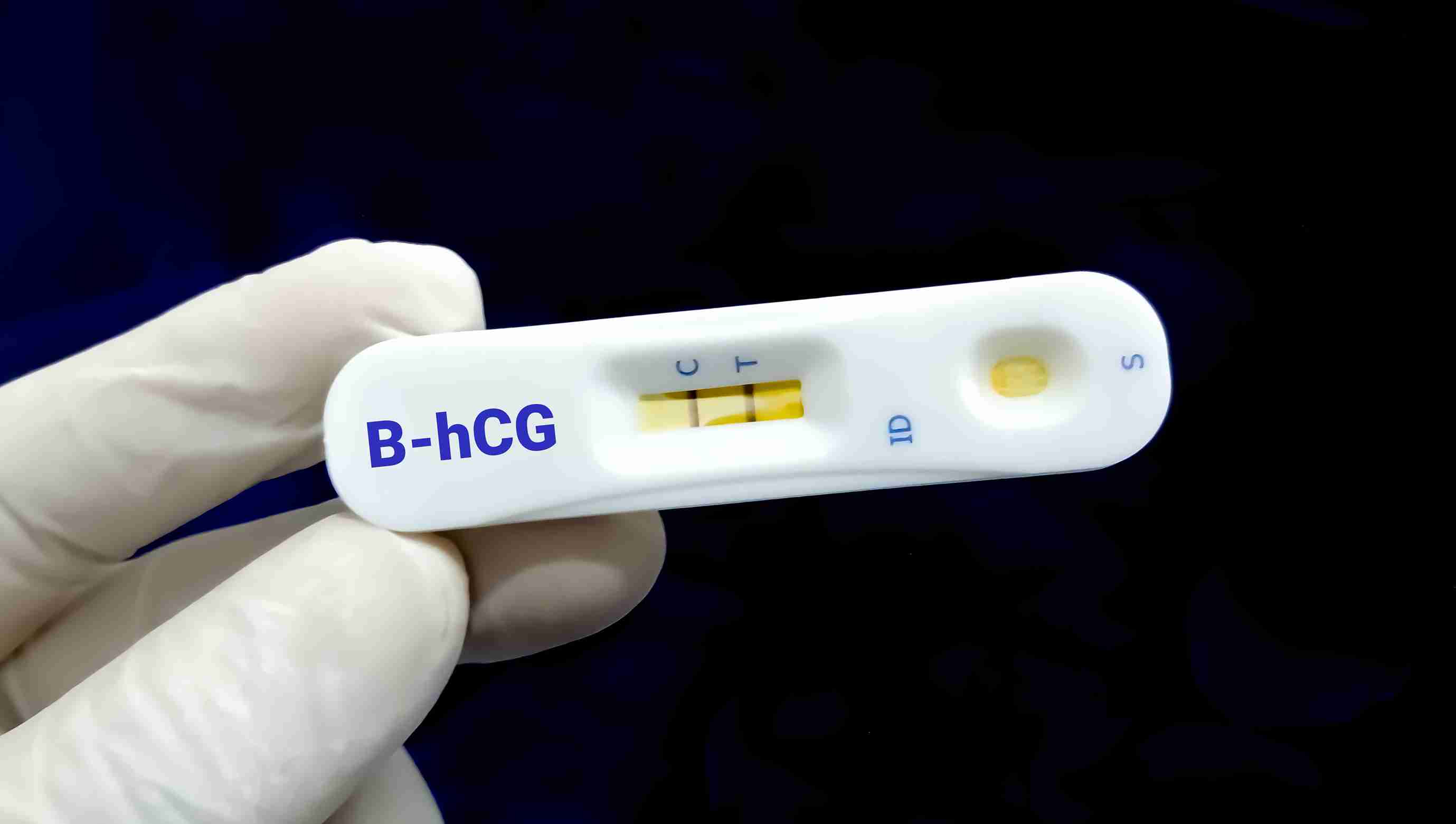
Beta hCG test is a medical test done on a blood sample. This test aims to detect and quantify the levels of hCG hormone in your blood. The name 'beta hCG' refers to the fact that it measures precisely the levels of hCG in the body compared to qualitative results offered by most other tests. This test is commonly used to detect and monitor pregnancy, especially during the early weeks.
HCG hormone, or human chorionic gonadotropin, is the hormone produced when an egg gets implanted inside your uterus. Its main task is to maintain hormone production in order to support the early stages of pregnancy.
During the first trimester, the concentration of this hormone increases quickly; that's why it is used widely to detect pregnancy.
The beta hCG test is much more sensitive than a home pregnancy test done using urine samples. While urine tests detect whether hCG is present, blood tests can measure the exact amount of hormone in the body. This means a beta hCG for pregnancy test may detect pregnancy earlier than many home kits, sometimes even before a missed period.
There are various medical reasons behind taking this test. These include:
This is one of the most frequent indications for doing the test. Blood tests are very sensitive and, therefore, can determine pregnancy very early on.
Doctors sometimes repeat the test after 48–72 hours to check whether hormone levels are increasing appropriately. Monitoring hCG trends can provide useful information about pregnancy progression.
Tests can also help to assess complications like:
Single test results cannot confirm the complication, though. It takes several tests to achieve better results.
In the case of IVF or other fertility treatment methods, women will have to undergo beta hCG for pregnancy test to assess pregnancy development.
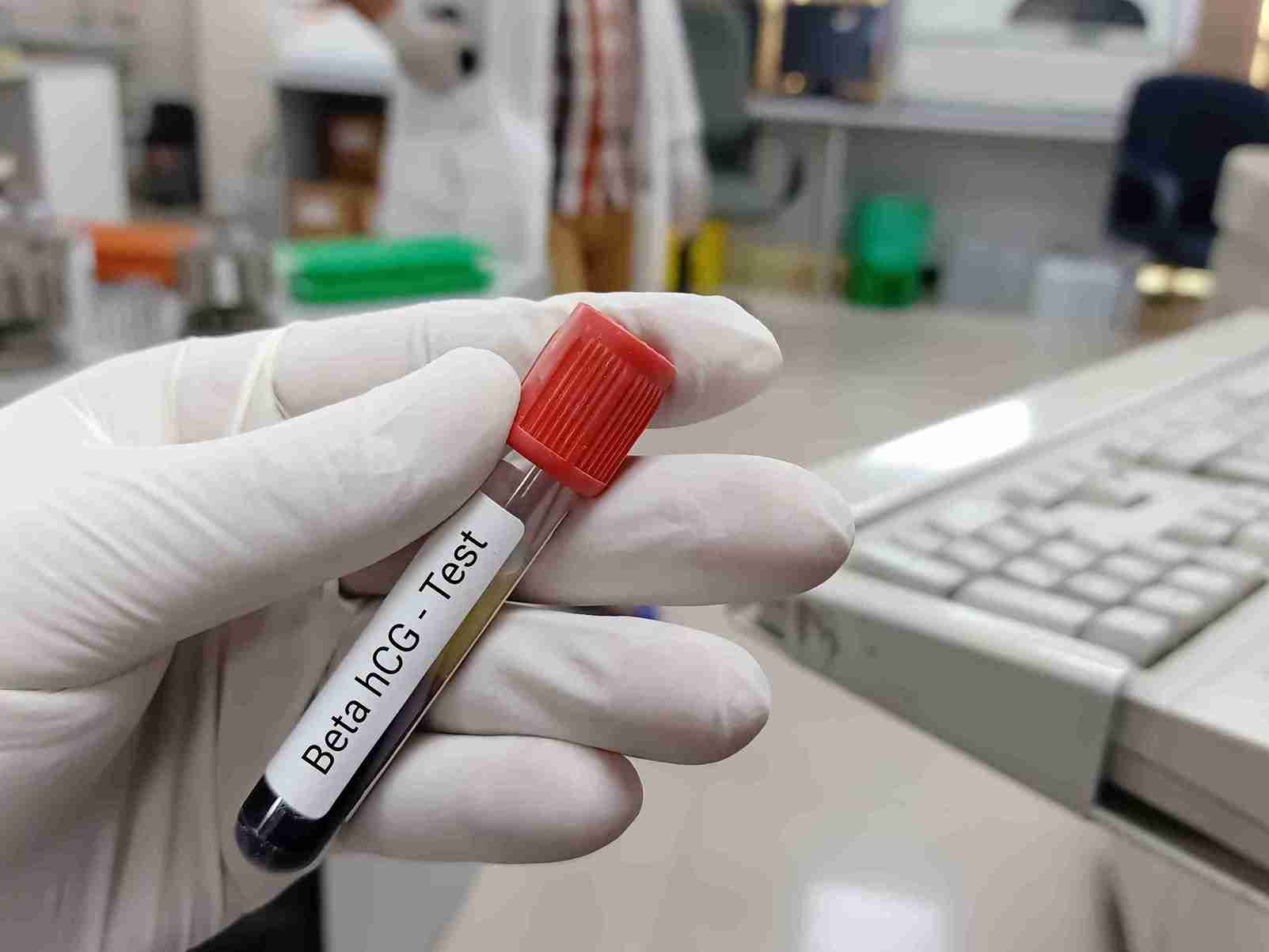
It is an uncomplicated procedure which requires drawing blood from a vein, usually from the arm. This is normally done by collecting a small amount of blood and then sending it laboratory for analysis.
In most cases, no special preparation or fasting is required.
Doctors often recommend taking the test after a missed period for more accurate results. Testing too early may require repeat testing because hormone levels may still be low.
The time taken to receive your test results can vary depending on the laboratory. However, in most cases, results are available on the same day or shortly afterwards.
There is no single “normal” hCG value during pregnancy. Levels can vary widely between women and pregnancies. Doctors usually focus more on how the levels change over time rather than on one single number.
Below are approximate ranges of b hCG levels in pregnancy:
These values represent approximate beta hCG normal range patterns and may differ between individuals.
hCG levels may vary because of:

Low beta hCG levels may occur due to:
Doctors often recommend repeat testing to monitor trends.
High beta hCG levels may be linked to:
Further testing or ultrasound evaluation may be needed for confirmation.
Doctors frequently repeat beta hCG test results after a few days to evaluate whether the hormone is increasing appropriately. Rising levels are often more important than the starting number.
During early pregnancy, hCG levels generally rise rapidly. This rise supports the developing pregnancy and helps maintain hormonal balance.
In many healthy pregnancies, hCG levels increase significantly every 48–72 hours during the first few weeks. However, every pregnancy is different, and the exact rate may vary. hCG levels usually peak during the first trimester, around 8–11 weeks of pregnancy, before gradually decreasing later.
Even though this method is highly reliable, there are instances when the results might be erroneous.
Reasons for Obtaining False Positive Results:
Reasons for Obtaining False Negative Results
Doctors may recommend repeat testing or ultrasound confirmation if needed.
%20Why%20It%20Happens.jpg)
A doctor should be seen in case of:
Expert medical opinion is vital to interpret test results correctly.
At Cloudnine, women receive comprehensive support throughout pregnancy, from early diagnosis to advanced prenatal care. Experienced obstetricians and fetal medicine specialists help interpret beta hCG test results in the context of ultrasound findings, symptoms, and overall pregnancy health. The hospital also offers support for high-risk pregnancies, fertility treatments, and early pregnancy monitoring, ensuring timely medical guidance when needed.
Beta hCG tests are an effective means of diagnosing and measuring pregnancy progress. This test is able to detect pregnancy at an early stage compared to other at-home tests. However, besides identifying whether a pregnancy exists, a beta hCG test is used by medical professionals to determine pregnancy progress because hormone levels may differ from one woman to another. If you have concerns about your hCG levels or pregnancy symptoms, consulting a healthcare professional can provide clarity and reassurance.

Want to consult the best gynecologists in India? Please find the links below.
Want to consult the best Maternity Packages in India? Please find the links below.

A beta hCG level above 5 mIU/mL may indicate pregnancy, but levels vary depending on how early the pregnancy is.
Low levels may indicate very early pregnancy, incorrect dating, or possible complications. Repeat testing is often recommended.
Yes. Some pregnancies begin with lower hCG levels and still progress normally. Doctors usually monitor how the levels rise over time.
In many early pregnancies, hCG levels tend to rise significantly every 48–72 hours, although the exact increase may differ between individuals.







 Best Gynecologists in Bellandur Best Gynecologists in Electronic City Best Gynecologists in HRBR LayoutBest Gynecologists in Jayanagar Best Gynecologists in Kanakapura RoadBest Gynecologists in Malleswaram Best Gynecologists in Nagarbhavi Best Gynecologists in Old Airport RoadBest Gynecologists in Sahakarnagar Best Gynecologists in Sarjapur RoadBest Gynecologists in ThanisandraBest Gynecologists in Varthur RoadBest Gynecologists in Whitefield Best Gynecologists in Industrial Area Phase IIBest Gynecologists in OMRBest Gynecologists in T NagarBest Gynecologists in New Industrial TownBest Gynecologists in IndirapuramBest Gynecologists in Golf Course RoadBest Gynecologists in Sector 14Best Gynecologists in Sector 47Best Gynecologists in Banjara HillsBest Gynecologists in GachibowliBest Gynecologists in Hitech CityBest Gynecologists in KompallyBest Gynecologists in Gomti NagarBest Gynecologists in MaladBest Gynecologists in NerulBest Gynecologists in VashiBest Gynecologists in Kailash ColonyBest Gynecologists in PatparganjBest Gynecologists in Punjabi BaghBest Gynecologists in VikaspuriBest Gynecologists in Gaur CityBest Gynecologists in Pari ChowkBest Gynecologists in Sector 51Best Gynecologists in Sector 5 Swastik ViharBest Gynecologists in Kalyani NagarBest Gynecologists in SB RoadBest Gynecologists in Pimple SaudagarBest Pediatricians in BellandurBest Pediatricians in Electronic CityBest Pediatricians in HRBR LayoutBest Pediatricians in JayanagarBest Pediatricians in Kanakapura RoadBest Pediatricians in MalleswaramBest Pediatricians in NagarbhaviBest Pediatricians in Old Airport RoadBest Pediatricians in SahakarnagarBest Pediatricians in Sarjapur RoadBest Pediatricians in ThanisandraBest Pediatricians in Varthur RoadBest Pediatricians in WhitefieldBest Pediatricians in Industrial Area Phase IIBest Pediatricians in OMRBest Pediatricians in T NagarBest Pediatricians in New Industrial TownshipBest Pediatricians in IndirapuramBest Pediatricians in Golf Course RoadBest Pediatricians in Sector 14Best Pediatricians in Sector 47Best Pediatricians in Hitech CityBest Pediatricians in Banjara HillsBest Pediatricians in GachibowliBest Pediatricians in KompallyBest Pediatricians in Gomti NagarBest Pediatricians in MaladBest Pediatricians in NerulBest Pediatricians in VashiBest Pediatricians in Kailash ColonyBest Pediatricians in PatparganjBest Pediatricians in Punjabi BaghBest Pediatricians in VikaspuriBest Pediatricians in Gaur CityBest Pediatricians in Pari ChowkBest Pediatricians in Sector 51Best Pediatricians in Sector 5 Swastik ViharBest Pediatricians in Kalyani NagarBest Pediatricians in SB RoadBest Pediatricians in Pimple Saudagar


