
A single intrauterine gestational sac is one of the earliest signs of pregnancy seen on an ultrasound. It indicates that the pregnancy is developing inside the uterus rather than outside it, making it an important finding during early prenatal evaluation. Seeing a single intrauterine gestation can be reassuring, but it is only the first step in assessing how the pregnancy is progressing. As the weeks pass, additional structures such as the yolk sac, fetal pole, and heartbeat should become visible. This article explains what a gestational sac is, when it can be seen on an ultrasound, what to expect week by week, and when follow-up or further evaluation may be needed.
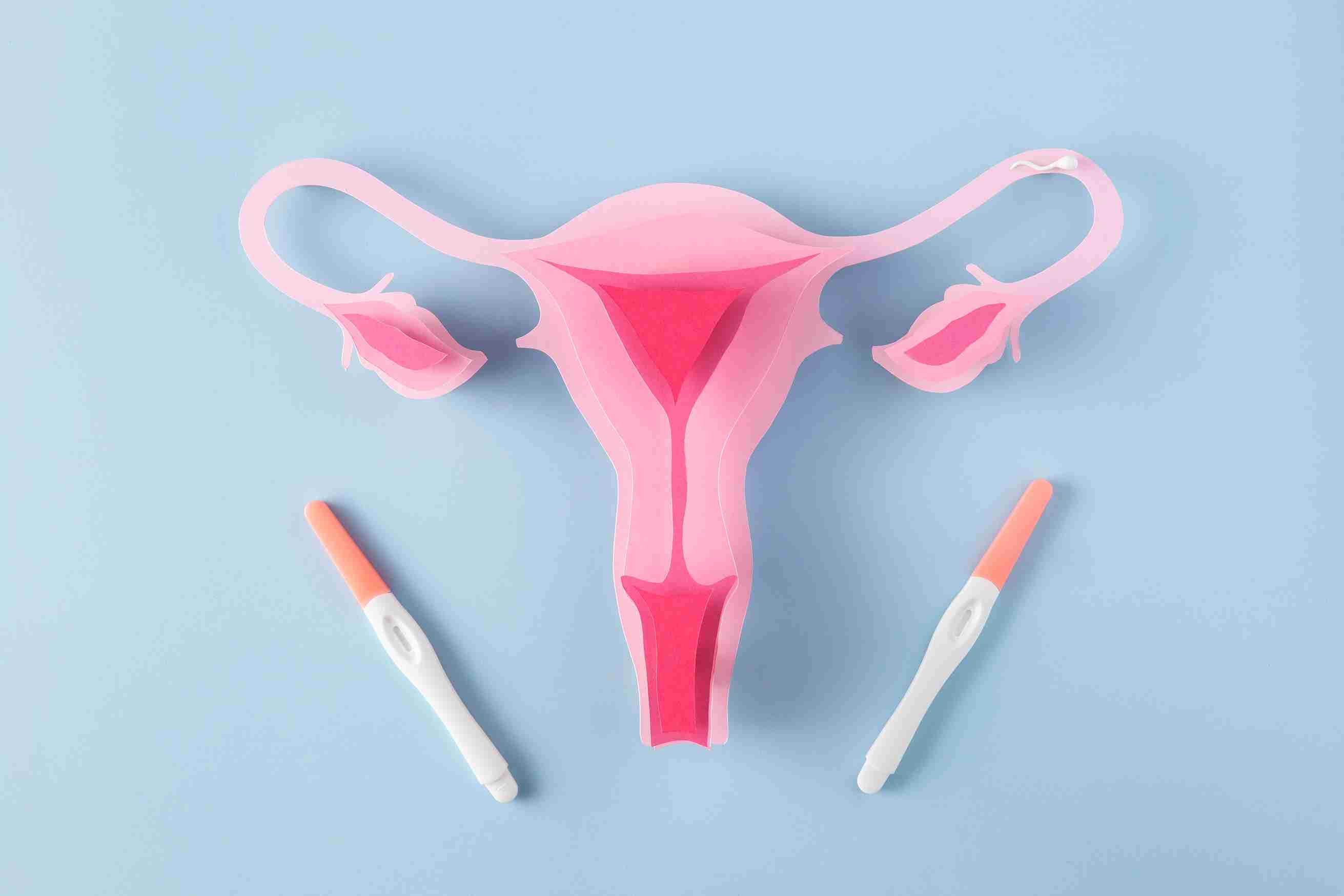
The gestational sac is the first structure to form in the uterus after implantation. The gestational sac protects the growing fetus in the early stages of pregnancy.
A single intrauterine gestational sac confirms that the pregnancy is located inside the uterus, helping doctors distinguish it from an ectopic pregnancy. At this stage, the embryo may not yet be visible, which is why follow-up scans are often recommended.
The definition of single intrauterine gestation is that there is only one pregnancy developing in the uterus.
It is important to remember that:
● A gestational sac is a structure that can be detected on an ultrasound image; a singleton pregnancy is a single developing fetus.
● A twin pregnancy has either two gestational sacs or one sac with two developing embryos, depending on the type of twins.
● Intrauterine pregnancies develop inside the uterus, while ectopic pregnancies develop outside the uterus and need emergency treatment.
The single intrauterine gestation is a normal finding on early ultrasounds.
A gestational sac can be normally visualised between four and five weeks of pregnancy.
An ultrasound examination through the transvaginal route is able to visualise early pregnancy earlier than an abdominal scan due to clearer visualisation. This is dependent on:
● Date of ovulation
● Timing of implantation
● Pregnancy dating
● Ultrasound technique
The scan may miss the gestational sac if the scan was done too early.
If the scan is performed too early, the gestational sac may not yet be visible.
Yes. A single intrauterine gestational sac is generally considered a normal and reassuring finding in early pregnancy. It confirms that implantation has occurred inside the uterus.
However, one ultrasound alone cannot confirm whether the pregnancy is developing normally. Follow-up scans are important to monitor the appearance of the yolk sac, embryo, and heartbeat.
Seeing only the gestational sac is often normal if the pregnancy is very early.
Possible reasons include:
● The scan was performed before the embryo became visible
● Ovulation occurred later than expected
● Pregnancy dates may be incorrect
In these situations, doctors usually recommend repeating the ultrasound after a short interval. If development does not progress as expected, further evaluation may be required to assess the pregnancy.
Not every absence of the yolk sac or fetal pole signifies a problem. Sometimes, it means that the pregnancy is simply too early, and these elements will develop in the next few days. In cases of uncertainty, doctors avoid making conclusions based on a single early scan and instead recommend repeat imaging before confirming the diagnosis.
A healthy gestational sac should look like this:
● Smooth and rounded
● Centred in the uterus
● Gradual development
● Normal appearance on ultrasound examination
All these characteristics will be interpreted by your doctor together with other factors.
Even if there is only one intrauterine pregnancy, complications can still arise.
Such complications may be:
● Empty gestational sac
● Retarded fetal growth
● Early pregnancy loss
● Very rarely, heterotopic pregnancy
With monitoring, complications can be detected earlier.
After identifying the presence of a gestational sac, your doctor will most likely advise you to:
● Have another ultrasound scan
● Follow the progress of the pregnancy
● Go for regular antenatal visits
● Get blood tests done
● Take care of yourself as per the guidelines for pregnancy
Seek medical attention if you experience:
● Heavy vaginal bleeding
● Dizziness or fainting
● Persistent spotting
● Severe cramping
● No progression on follow-up ultrasound
Prompt evaluation helps identify any complications early.
At Cloudnine, experienced obstetricians provide comprehensive early pregnancy assessment using advanced ultrasound technology and personalised care. From confirming an intrauterine pregnancy to monitoring early fetal development, the team offers timely guidance, accurate diagnosis, and continued support throughout every stage of pregnancy.

A single intrauterine gestational sac is one of the earliest and most reassuring signs of a pregnancy developing inside the uterus. However, early pregnancy changes occur rapidly, and follow-up scans are essential to confirm normal development. Regular prenatal care and timely medical evaluation help ensure the healthiest possible start for both mother and baby.
Want to consult the best gynecologists in India? Please find the links below.
Want to consult the best Maternity Packages in India? Please find the links below.

Yes. An intrauterine pregnancy develops inside the uterus and is the normal location for a pregnancy.
The size varies depending on the exact stage of pregnancy and is interpreted alongside other ultrasound findings.
Usually, yes. However, in some identical twin pregnancies, twins may share a single gestational sac, so follow-up scans are important
An empty sac pregnancy, also called a blighted ovum, occurs when a gestational sac develops but an embryo does not. Repeat ultrasound is needed to confirm the diagnosis.







 Best Gynecologists in Bellandur Best Gynecologists in Electronic City Best Gynecologists in HRBR LayoutBest Gynecologists in Jayanagar Best Gynecologists in Kanakapura RoadBest Gynecologists in Malleswaram Best Gynecologists in Nagarbhavi Best Gynecologists in Old Airport RoadBest Gynecologists in Sahakarnagar Best Gynecologists in Sarjapur RoadBest Gynecologists in ThanisandraBest Gynecologists in Varthur RoadBest Gynecologists in Whitefield Best Gynecologists in Industrial Area Phase IIBest Gynecologists in OMRBest Gynecologists in T NagarBest Gynecologists in New Industrial TownBest Gynecologists in IndirapuramBest Gynecologists in Golf Course RoadBest Gynecologists in Sector 14Best Gynecologists in Sector 47Best Gynecologists in Banjara HillsBest Gynecologists in GachibowliBest Gynecologists in Hitech CityBest Gynecologists in KompallyBest Gynecologists in Gomti NagarBest Gynecologists in MaladBest Gynecologists in NerulBest Gynecologists in VashiBest Gynecologists in Kailash ColonyBest Gynecologists in PatparganjBest Gynecologists in Punjabi BaghBest Gynecologists in VikaspuriBest Gynecologists in Gaur CityBest Gynecologists in Pari ChowkBest Gynecologists in Sector 51Best Gynecologists in Sector 5 Swastik ViharBest Gynecologists in Kalyani NagarBest Gynecologists in SB RoadBest Gynecologists in Pimple SaudagarBest Pediatricians in BellandurBest Pediatricians in Electronic CityBest Pediatricians in HRBR LayoutBest Pediatricians in JayanagarBest Pediatricians in Kanakapura RoadBest Pediatricians in MalleswaramBest Pediatricians in NagarbhaviBest Pediatricians in Old Airport RoadBest Pediatricians in SahakarnagarBest Pediatricians in Sarjapur RoadBest Pediatricians in ThanisandraBest Pediatricians in Varthur RoadBest Pediatricians in WhitefieldBest Pediatricians in Industrial Area Phase IIBest Pediatricians in OMRBest Pediatricians in T NagarBest Pediatricians in New Industrial TownshipBest Pediatricians in IndirapuramBest Pediatricians in Golf Course RoadBest Pediatricians in Sector 14Best Pediatricians in Sector 47Best Pediatricians in Hitech CityBest Pediatricians in Banjara HillsBest Pediatricians in GachibowliBest Pediatricians in KompallyBest Pediatricians in Gomti NagarBest Pediatricians in MaladBest Pediatricians in NerulBest Pediatricians in VashiBest Pediatricians in Kailash ColonyBest Pediatricians in PatparganjBest Pediatricians in Punjabi BaghBest Pediatricians in VikaspuriBest Pediatricians in Gaur CityBest Pediatricians in Pari ChowkBest Pediatricians in Sector 51Best Pediatricians in Sector 5 Swastik ViharBest Pediatricians in Kalyani NagarBest Pediatricians in SB RoadBest Pediatricians in Pimple Saudagar


