





High blood pressure during pregnancy is not something that you should take lightly. In the case where it causes preeclampsia, it can become a very dangerous complication of pregnancy for both the mother and fetus. Pregnancy-induced hypertension symptoms cover a spectrum of conditions. At one end is gestational hypertension, raised blood pressure after 20 weeks without other complications. At the more serious end is preeclampsia, where signs of organ involvement accompany high blood pressure. Understanding the difference, knowing the warning signs, and knowing when to act can prevent a manageable condition from becoming a crisis.
%20Warning%20Signs.jpg)
Blood pressure is considered high in pregnancy when readings are consistently at or above 140/90 mmHg. In pregnancy, this is significant because elevated blood pressure was not present before 20 weeks; it is a direct result of pregnancy.
Normal blood pressure is actually slightly lower in the first and second trimesters than outside pregnancy. So a reading that might seem acceptable in a non-pregnant person can be meaningful in a pregnant woman. There are different types:
Preeclampsia often develops without dramatic symptoms. Blood pressure can rise significantly even when the woman feels relatively well, which is exactly why it is checked at every antenatal visit.
Preeclampsia warning signs that need same-day medical assessment:
Any one of these warrants a call to the doctor or a visit to the hospital. Do not wait to see if it settles.
Some women are at higher risk of developing preeclampsia than others. Knowing your risk status helps both you and your doctor plan appropriate monitoring from early in the pregnancy.
Increased risk factors are:
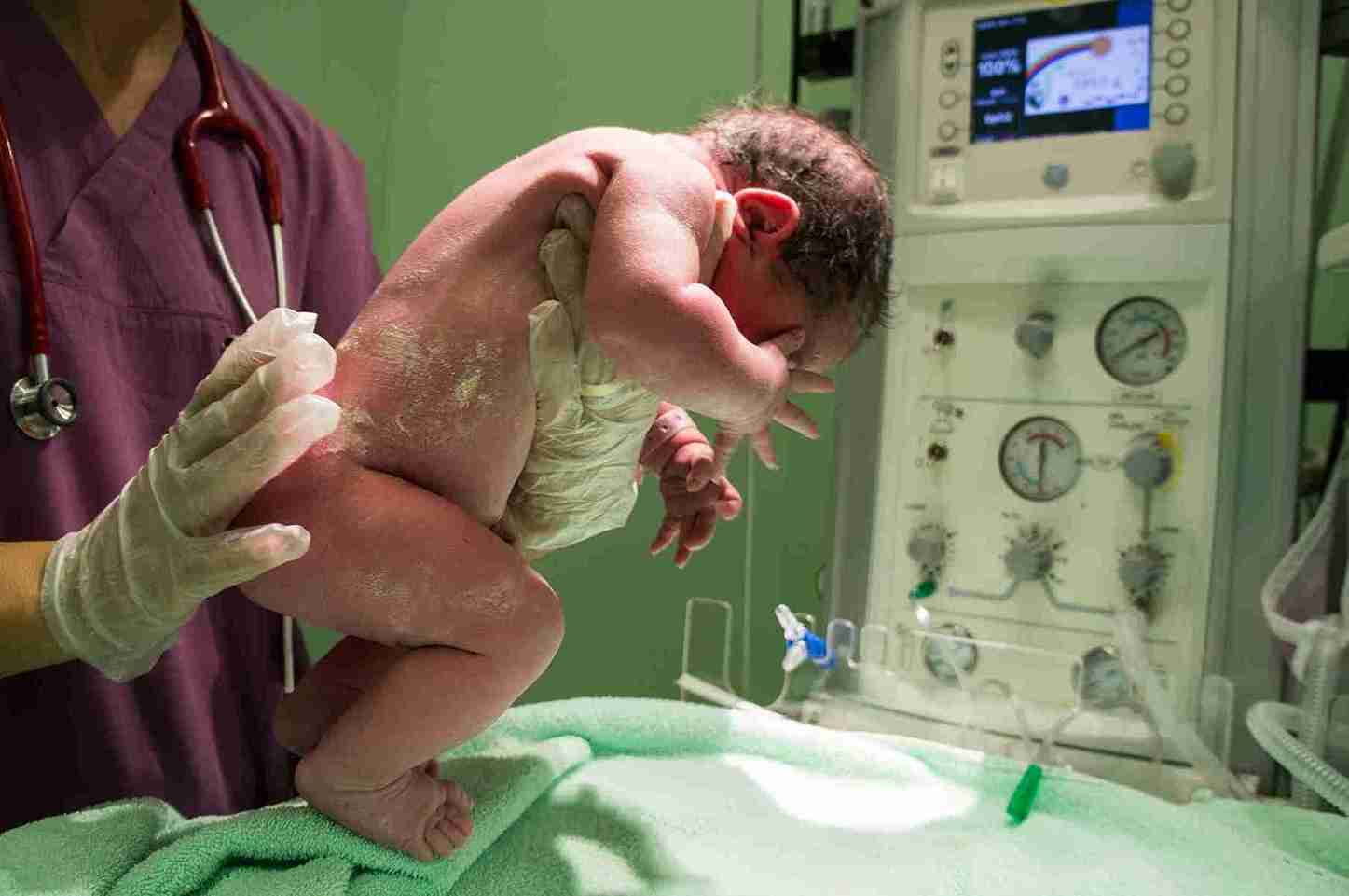
Preeclampsia mainly affects the baby through its effects on the placenta. Preeclampsia is characterised by poor development of blood vessels of the placenta, hence the poor supply of nutrients and oxygen to the baby. Effects of preeclampsia on the foetus include:
Managing high blood pressure during pregnancy starts with regular monitoring; at every antenatal visit and, for higher-risk women, at home between visits. A reliable digital blood pressure monitor is a worthwhile investment for any pregnant woman with hypertension or preeclampsia risk.
Delivery is the only cure for preeclampsia; treatment before that focuses on managing blood pressure and buying time for the baby. In mild cases occurring before 37 weeks – observation and drug therapy; in severe cases occurring after 34 weeks – delivery. Cases occurring before 34 weeks – steroid therapy for foetus. Magnesium sulphate prevents seizures in severe cases. Blood pressure often stays elevated for weeks postpartum.
Preeclampsia is serious, but it is manageable when caught and monitored appropriately. Regular antenatal check-ups exist precisely to find it before symptoms become severe. Know the warning signs, attend every appointment, take blood pressure medication as prescribed, and do not ignore symptoms that feel different. Early action makes a significant difference to outcomes for both mother and baby.

Want to consult the best gynecologists in India? Please find the links below.
Want to consult the best Maternity Packages in India? Please find the links below.

Pregnancy-induced hypertension symptoms range from a raised blood pressure reading with no other symptoms found only on routine antenatal check to the full picture of preeclampsia with severe headache, visual changes, facial swelling, upper abdominal pain, and reduced urine output. Many women with elevated blood pressure feel well, which is exactly why blood pressure is checked at every antenatal visit. Symptoms that appear suddenly or are severe need same-day medical assessment.
Yes. Preeclampsia affects placental blood flow, which reduces the oxygen and nutrients reaching the baby. This can cause intrauterine growth restriction, reduced amniotic fluid, and in severe cases, placental abruption. It also often leads to early delivery to protect the mother, meaning the baby may be born prematurely. Careful monitoring of foetal growth and wellbeing through ultrasound and Doppler studies is a central part of managing preeclampsia.
Women at higher risk include those pregnant for the first time, those with a history of preeclampsia, women carrying twins, Women with pre-pregnancy hypertension, kidney disease, diabetes, or autoimmune disorders, those over 35 or under 20, women with obesity, and those with a family history of the condition. Doctors often recommend low-dose aspirin from 12 to 16 weeks for women with several risk factors, as a preventive measure.
Preeclampsia treatment depends on severity and gestational age. Mild cases are managed with blood pressure medication, close monitoring, and a planned delivery near term. Severe preeclampsia often requires hospital admission, magnesium sulphate to prevent seizures, and early delivery, sometimes before 34 weeks if the mother's condition demands it. After delivery, blood pressure monitoring and medication continue until readings normalise, which usually happens within six to twelve weeks postpartum.


 Best Gynecologists in Bellandur Best Gynecologists in Electronic City Best Gynecologists in HRBR LayoutBest Gynecologists in Jayanagar Best Gynecologists in Kanakapura RoadBest Gynecologists in Malleswaram Best Gynecologists in Nagarbhavi Best Gynecologists in Old Airport RoadBest Gynecologists in Sahakarnagar Best Gynecologists in Sarjapur RoadBest Gynecologists in ThanisandraBest Gynecologists in Varthur RoadBest Gynecologists in Whitefield Best Gynecologists in Industrial Area Phase IIBest Gynecologists in OMRBest Gynecologists in T NagarBest Gynecologists in New Industrial TownBest Gynecologists in IndirapuramBest Gynecologists in Golf Course RoadBest Gynecologists in Sector 14Best Gynecologists in Sector 47Best Gynecologists in Banjara HillsBest Gynecologists in GachibowliBest Gynecologists in Hitech CityBest Gynecologists in KompallyBest Gynecologists in Jawahar NagarBest Gynecologists in Gomti NagarBest Gynecologists in Phase 3, Sector 58Best Gynecologists in MaladBest Gynecologists in NerulBest Gynecologists in VashiBest Gynecologists in Kailash ColonyBest Gynecologists in PatparganjBest Gynecologists in Punjabi BaghBest Gynecologists in RohiniBest Gynecologists in VikaspuriBest Gynecologists in Gaur CityBest Gynecologists in Pari ChowkBest Gynecologists in Sector 51Best Gynecologists in Sector 5 Swastik ViharBest Gynecologists in Kalyani NagarBest Gynecologists in SB RoadBest Gynecologists in Pimple SaudagarBest Pediatricians in BellandurBest Pediatricians in Electronic CityBest Pediatricians in HRBR LayoutBest Pediatricians in JayanagarBest Pediatricians in Kanakapura RoadBest Pediatricians in MalleswaramBest Pediatricians in NagarbhaviBest Pediatricians in Old Airport RoadBest Pediatricians in SahakarnagarBest Pediatricians in Sarjapur RoadBest Pediatricians in ThanisandraBest Pediatricians in Varthur RoadBest Pediatricians in WhitefieldBest Pediatricians in Industrial Area Phase IIBest Pediatricians in OMRBest Pediatricians in T NagarBest Pediatricians in New Industrial TownshipBest Pediatricians in IndirapuramBest Pediatricians in Golf Course RoadBest Pediatricians in Sector 14Best Pediatricians in Sector 47Best Pediatricians in Hitech CityBest Pediatricians in Banjara HillsBest Pediatricians in GachibowliBest Pediatricians in KompallyBest Pediatricians in Jawahar NagarBest Pediatricians in Gomti NagarBest Pediatricians in Phase 3, Sector 58Best Pediatricians in MaladBest Pediatricians in NerulBest Pediatricians in VashiBest Pediatricians in Kailash ColonyBest Pediatricians in PatparganjBest Pediatricians in Punjabi BaghBest Pediatricians in RohiniBest Pediatricians in VikaspuriBest Pediatricians in Gaur CityBest Pediatricians in Pari ChowkBest Pediatricians in Sector 51Best Pediatricians in Sector 5 Swastik ViharBest Pediatricians in Kalyani NagarBest Pediatricians in SB RoadBest Pediatricians in Pimple Saudagar


