
For many girls, the first few years after their periods begin come with new experiences: cramps, mood changes, bloating and wondering whether what they're feeling is normal. While some discomfort during menstruation is common, severe pain or symptoms that interfere with everyday life shouldn't simply be accepted as part of growing up.
Knowing the difference between expected menstrual changes and symptoms that need medical attention can help parents support their teenagers with confidence. Whether it's period pain in teenagers, changing moods before a period or concerns about heavy bleeding, recognising what's normal is the first step towards ensuring your teen's health and wellbeing.
This article explains common PMS symptoms in teens, what causes menstrual cramps in teenage girls, practical ways to ease discomfort and when it's time to consult a paediatrician.
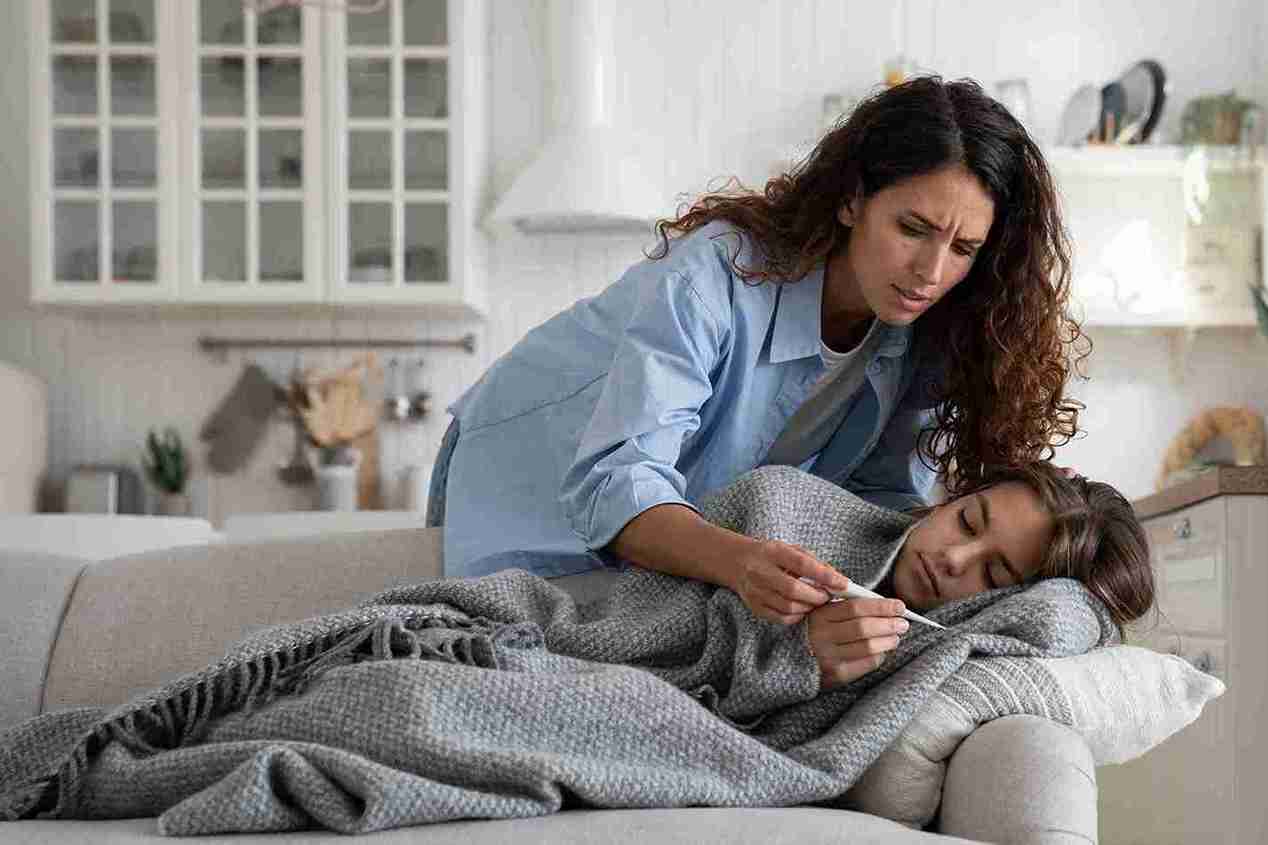
It takes a little time for the menstrual cycle to settle after a girl's first period. During the first few years, it's common for cycles to be irregular as the body adjusts to changing hormone levels. Some months may bring longer or shorter cycles, and the amount of bleeding can also vary.
Along with these changes, many teenagers experience mild cramps, bloating or mood changes around the time of their period. These symptoms are usually a normal part of adolescence and often become more predictable as menstrual cycles mature. Learning what to expect can help teenagers feel more prepared and make it easier for parents to recognise when symptoms fall outside the usual pattern.
Period pain in teenagers is usually caused by the uterus contracting to help shed its lining during menstruation. For some girls, these cramps are mild to manageable and settle after simple self-care measures. Usually, cramps begin shortly before or around the time the period starts and are most noticeable during the first one or two days of bleeding. As the period progresses, the discomfort usually eases.
In addition to menstrual cramps in teenage girls, it's also common to experience:
Mild lower back pain.
Tiredness or fatigue.
Nausea.
A feeling of heaviness or discomfort in the lower abdomen.
Although these symptoms can be uncomfortable, they shouldn't prevent teenagers from attending school, participating in sports or carrying out their usual daily activities. When pain regularly disrupts everyday life, it's worth discussing with a paediatrician.
Many teenagers notice physical or emotional changes in the days leading up to their period. These are known as PMS symptoms in teens (Premenstrual Syndrome) and are caused by the natural hormonal changes that occur during the menstrual cycle.
Some of the PMS symptoms are:
Physical symptoms
Bloating
Breast tenderness
Headaches
Fatigue
Food cravings.
Emotional symptoms
Mood swings
Irritability
Feeling more emotional than usual
Difficulty concentrating
In most cases, these symptoms are mild and improve once their period begins. But if mood changes are severe, persist throughout the month or begin affecting school, relationships or daily activities, they shouldn't automatically be attributed to PMS. A paediatrician can help determine whether further assessment or support is needed.
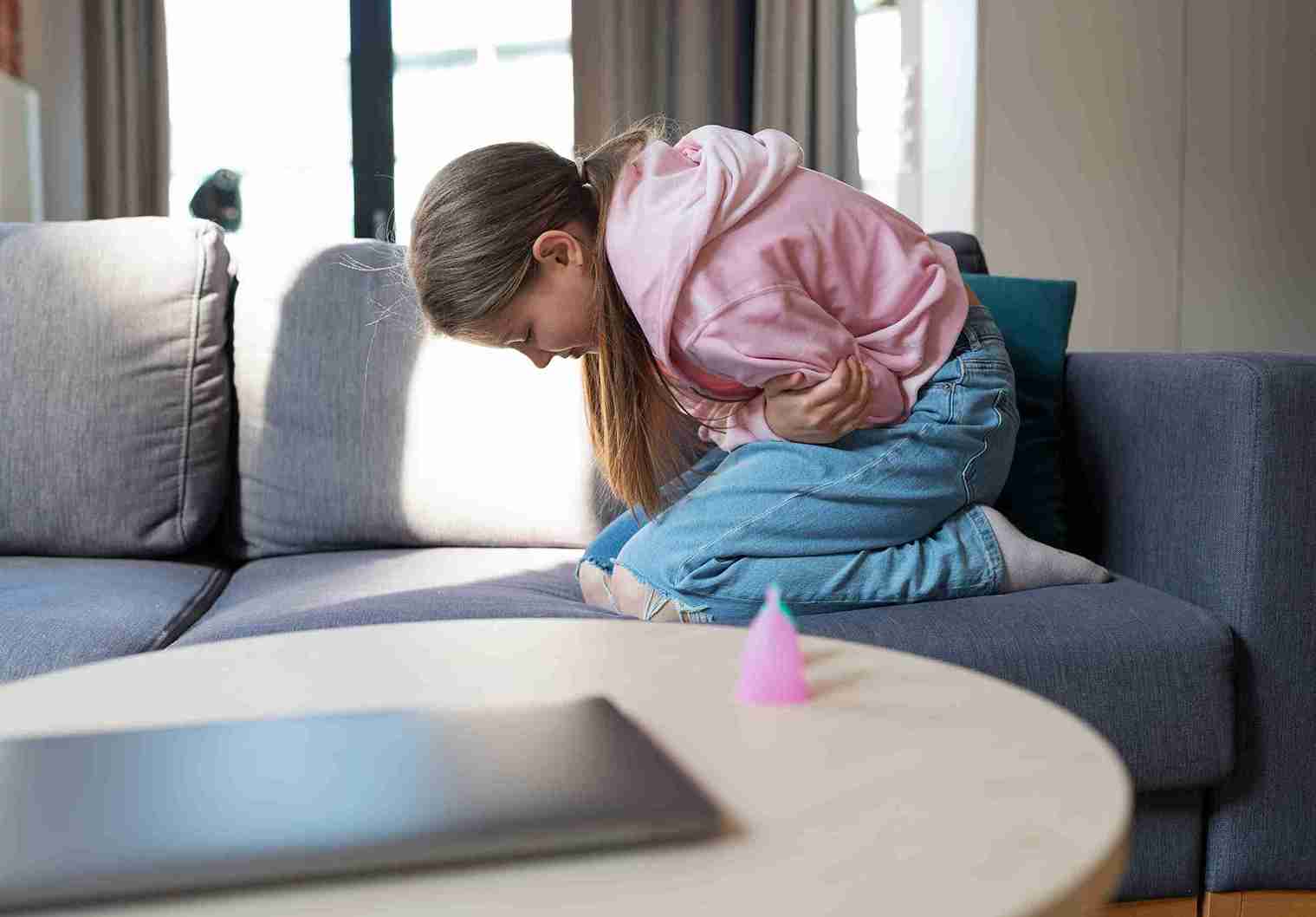
Though mild to moderate cramps are common, one should not consider painful periods in adolescents as normal if they are interfering with everyday life. Persistent or severe symptoms deserve a medical assessment to identify the cause and discuss appropriate management.
Schedule an appointment if your teen:
Frequently misses school because of period pain.
Finds it difficult to participate in sports or normal daily activities.
Experiences vomiting or faints during their period.
Has very heavy menstrual bleeding or periods that last unusually long.
Notices that the pain is becoming more severe over time.
Experiences pelvic pain even when they are not having a period.
Most period pain is not caused by a serious medical condition. However, persistent or severe symptoms may occasionally be associated with conditions such as endometriosis or ovarian cysts. An evaluation by a paediatrician can help identify the cause, rule out underlying conditions and recommend the most appropriate treatment.
Most period pain in teenagers can be managed safely with simple measures at home. Encouraging healthy habits and providing reassurance can often make a noticeable difference.
Your teen may find relief by:
Applying a warm heating pad or hot water bottle to the lower abdomen.
Engaging in gentle physical activity, like walking or stretching.
Drinking enough water and eating balanced meals.
Getting adequate sleep and rest.
Managing stress through relaxation techniques or enjoyable activities.
If pain continues despite these measures, avoid giving medicines without medical advice. A paediatrician can recommend safe and appropriate options based on your teenager's age, symptoms and medical history.
If you keep a simple record of your teenager's menstrual cycle, it helps identify patterns, and you can schedule medical consultations based on that.
Consider tracking:
The start and end date of each period
Pain severity during each cycle
Menstrual flow (light, moderate or heavy)
School days or activities missed because of symptoms
Any medicines or home remedies used
PMS symptoms, such as mood changes or bloating
Whether symptoms affect sports, sleep or daily routines.
Over time, this symptom diary can help you and your paediatrician better understand what's typical for your teen and recognise any changes that may need further evaluation.
Starting conversations about periods early can help teenagers feel more confident and comfortable discussing their health. When they know that menstrual symptoms are a normal part of growing up but that severe pain isn't something they have to simply endure, they're more likely to seek help when needed.
Parents can support their teenager by:
Encouraging open, judgement-free conversations about periods.
Reassuring them that every menstrual cycle is unique.
Promoting healthy habits such as regular exercise, balanced nutrition and adequate sleep.
Helping them track their menstrual cycle and symptoms.
Seeking medical advice if symptoms change or become difficult to manage.
Supporting menstrual health isn't just about managing periods; it's about helping teenagers understand their bodies, recognise when something doesn't feel right and build confidence in looking after their overall wellbeing.

The first few years of menstruation can involve new experiences and plenty of questions. While period pain in teenagers, mild cramps and PMS symptoms in teens are often a normal part of adolescence, they shouldn't prevent your teenager from enjoying school, sports or everyday activities.
Understanding what's expected, recognising when symptoms become more severe and seeking timely medical advice can make a significant difference to your teenager's comfort and quality of life. If painful periods in adolescents are becoming increasingly severe or affecting daily life, a paediatrician can help identify the cause and recommend appropriate care.
With the right support, reassurance and guidance, teenagers can learn to manage their menstrual health confidently and develop healthy habits that benefit them well into adulthood.
Want to consult the Best Pediatrician in India? Please find the links below

Mild to moderate menstrual cramps are common, especially during the first one or two days of a period. However, severe pain that regularly causes your teenager to miss school, avoid daily activities or requires frequent pain relief should be assessed by a paediatrician to rule out underlying causes.
Common PMS symptoms in teens include bloating, breast tenderness, headaches, fatigue, mood swings, irritability and food cravings. These symptoms usually appear a few days before a period and improve once menstruation begins.
It's a good idea to seek medical advice if your teenager has severe or worsening period pain, very heavy bleeding, faints or vomits during periods, experiences pelvic pain between periods or if menstrual symptoms are affecting school, sports or everyday life.
Many teenagers find relief through simple measures such as using a heating pad, staying gently active, getting enough rest, drinking plenty of water and maintaining a balanced diet. If these measures don't help or the pain is severe, consult a paediatrician before giving medicines, so your teenager receives safe and appropriate treatment.







 Best Gynecologists in Bellandur Best Gynecologists in Electronic City Best Gynecologists in HRBR LayoutBest Gynecologists in Jayanagar Best Gynecologists in Kanakapura RoadBest Gynecologists in Malleswaram Best Gynecologists in Nagarbhavi Best Gynecologists in Old Airport RoadBest Gynecologists in Sahakarnagar Best Gynecologists in Sarjapur RoadBest Gynecologists in ThanisandraBest Gynecologists in Varthur RoadBest Gynecologists in Whitefield Best Gynecologists in Industrial Area Phase IIBest Gynecologists in OMRBest Gynecologists in T NagarBest Gynecologists in New Industrial TownBest Gynecologists in IndirapuramBest Gynecologists in Golf Course RoadBest Gynecologists in Sector 14Best Gynecologists in Sector 47Best Gynecologists in Banjara HillsBest Gynecologists in GachibowliBest Gynecologists in Hitech CityBest Gynecologists in KompallyBest Gynecologists in Gomti NagarBest Gynecologists in MaladBest Gynecologists in NerulBest Gynecologists in VashiBest Gynecologists in Kailash ColonyBest Gynecologists in PatparganjBest Gynecologists in Punjabi BaghBest Gynecologists in VikaspuriBest Gynecologists in Gaur CityBest Gynecologists in Pari ChowkBest Gynecologists in Sector 51Best Gynecologists in Sector 5 Swastik ViharBest Gynecologists in Kalyani NagarBest Gynecologists in SB RoadBest Gynecologists in Pimple SaudagarBest Pediatricians in BellandurBest Pediatricians in Electronic CityBest Pediatricians in HRBR LayoutBest Pediatricians in JayanagarBest Pediatricians in Kanakapura RoadBest Pediatricians in MalleswaramBest Pediatricians in NagarbhaviBest Pediatricians in Old Airport RoadBest Pediatricians in SahakarnagarBest Pediatricians in Sarjapur RoadBest Pediatricians in ThanisandraBest Pediatricians in Varthur RoadBest Pediatricians in WhitefieldBest Pediatricians in Industrial Area Phase IIBest Pediatricians in OMRBest Pediatricians in T NagarBest Pediatricians in New Industrial TownshipBest Pediatricians in IndirapuramBest Pediatricians in Golf Course RoadBest Pediatricians in Sector 14Best Pediatricians in Sector 47Best Pediatricians in Hitech CityBest Pediatricians in Banjara HillsBest Pediatricians in GachibowliBest Pediatricians in KompallyBest Pediatricians in Gomti NagarBest Pediatricians in MaladBest Pediatricians in NerulBest Pediatricians in VashiBest Pediatricians in Kailash ColonyBest Pediatricians in PatparganjBest Pediatricians in Punjabi BaghBest Pediatricians in VikaspuriBest Pediatricians in Gaur CityBest Pediatricians in Pari ChowkBest Pediatricians in Sector 51Best Pediatricians in Sector 5 Swastik ViharBest Pediatricians in Kalyani NagarBest Pediatricians in SB RoadBest Pediatricians in Pimple Saudagar


