
Children's skin is not only thinner but also more sensitive and less protective than adults'. It reacts easily to various factors such as heat, allergens, infections, and irritants. For parents, navigating these skin changes can feel overwhelming, especially when one rash looks very much like another.
Most common skin problems in children are not dangerous, but some need medical treatment and a few spread easily to others. Knowing which is which and when to take the child to a doctor saves a lot of unnecessary anxiety and delays in appropriate care.
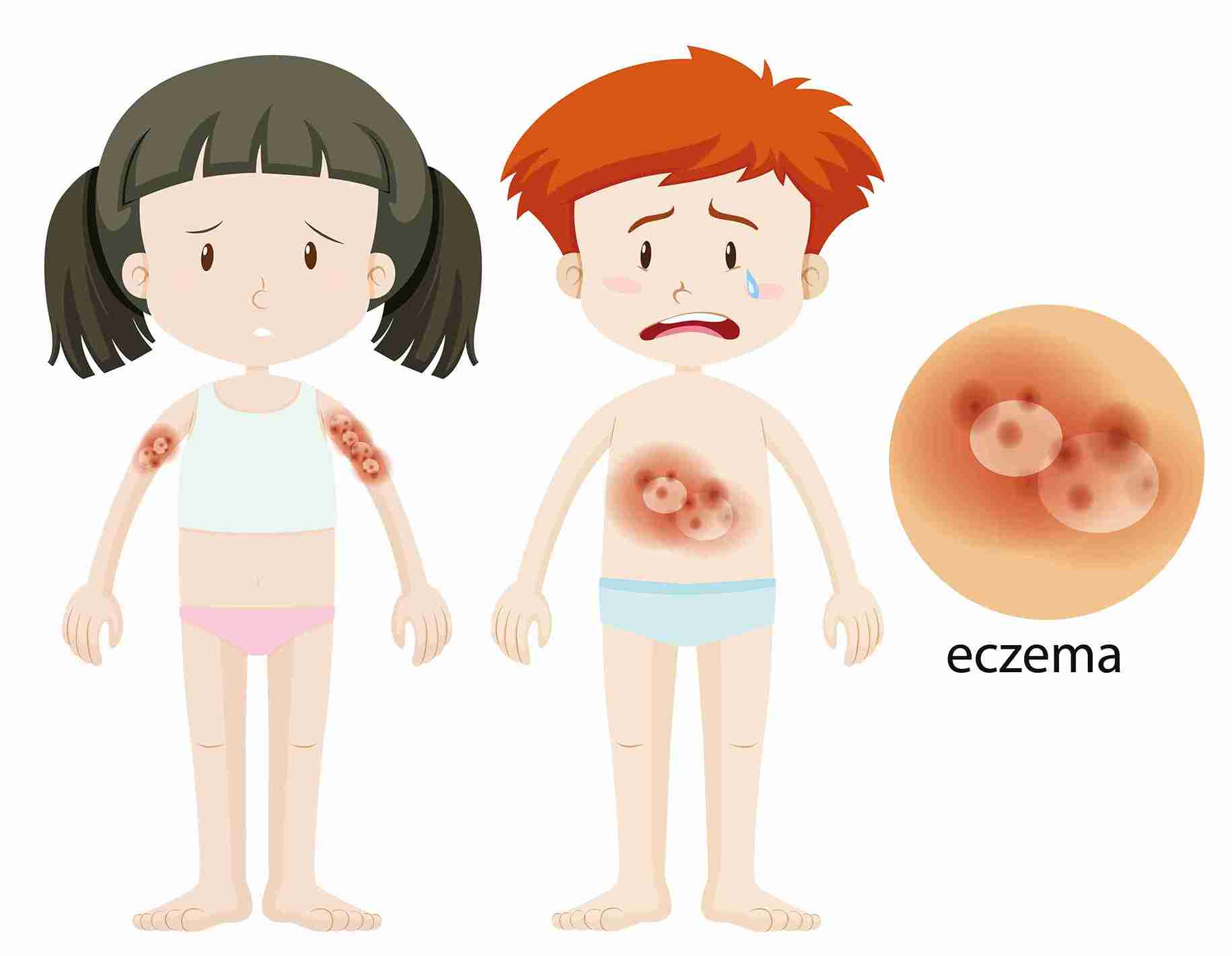
Eczema is a skin condition that affects a significant number of children, particularly those with a family history of asthma or allergies. It causes itchy, dry, and red patches that flare and settle in cycles. In young babies, it typically appears on the forehead and cheeks. In older children, it tends to settle in the folds such as behind the knees, inside the elbows, around the wrists, and at the ankles.
The itch is the main problem. Children scratch, breaking the skin, increasing infection risk and making the patch worse. This itch-scratch cycle is what drives the chronic nature of eczema.
Many childhood skin rashes causes start due to viral infections and come with a rash. These are:
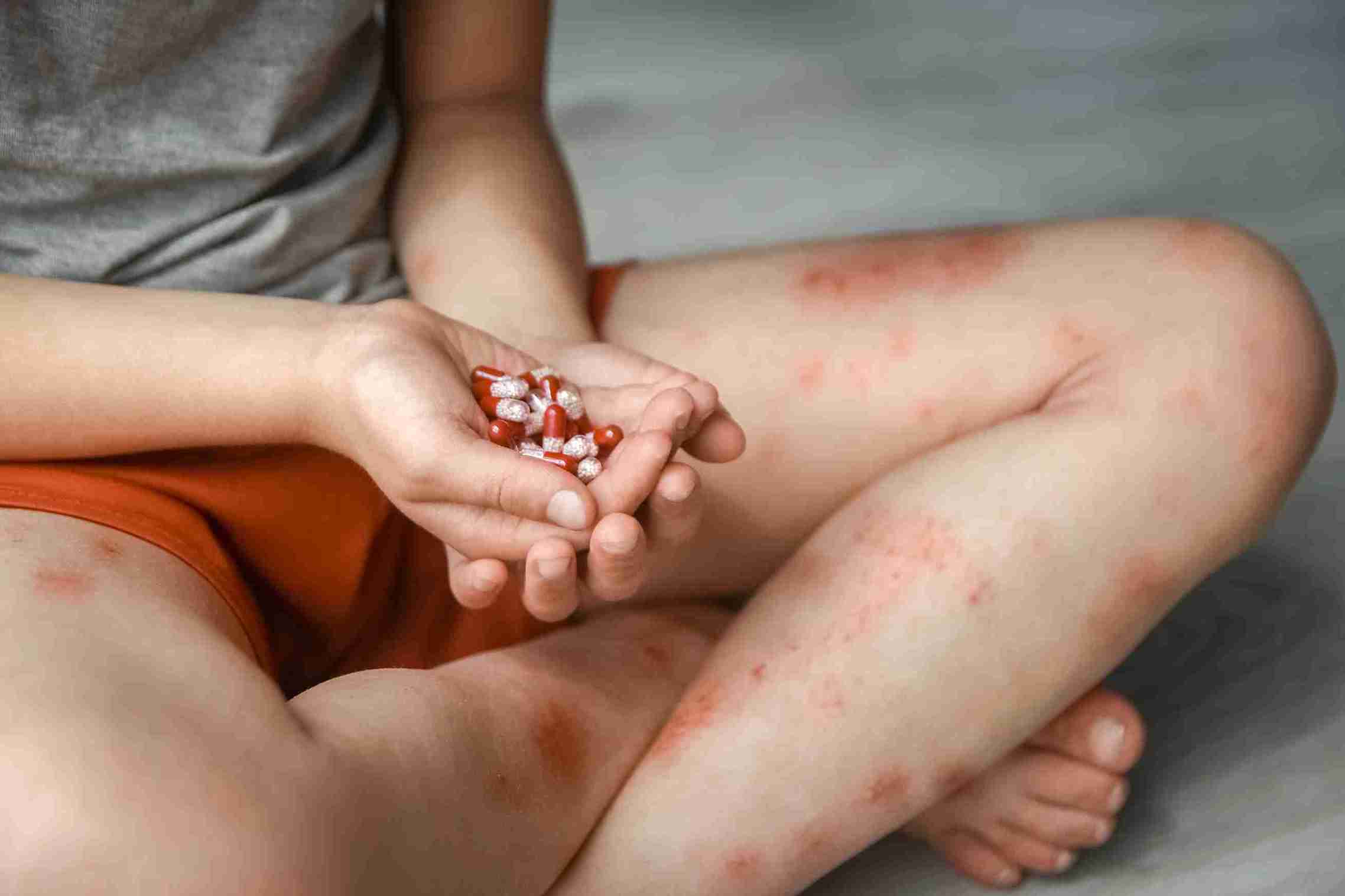
Ringworm (tinea) is not a worm at all, but a fungal infection that causes a circular, scaly, itchy patch on the skin. In children, it is extremely common due to the hot, humid climate and the sharing of clothing or towels. It spreads easily between children in school settings.
Antifungal creams like clotrimazole or miconazole are applied twice daily for two to four weeks and are effective. Keep the area dry and avoid sharing towels. Do not apply over-the-counter combination steroid-antibiotic-antifungal creams without a doctor's advice; these often contain potent steroids not appropriate for children's skin and can make fungal infections worse.
Tinea capitis is ringworm of the scalp. It causes scaly patches with hair loss. Needs oral antifungal medication, not just topical cream.
Impetigo is a superficial bacterial skin infection that is extremely common in children, especially in summer. It causes honey-coloured crusted sores, usually around the nose, mouth, and on the face. It is highly contagious; children should not go to school while the sores are present and weeping.
Treatment is antibiotic cream (mupirocin) for mild cases and oral antibiotics for widespread infection. Keep the sores clean, avoid touching them, and wash hands frequently.
Boils and folliculitis: bacterial infection of the hair follicles, common in children in hot and humid conditions. A painful red lump that may come to a head. Warm compresses help. Boils that are large or occur frequently need medical intervention.
.jpg)
Prickly heat (miliaria) is extremely common in children during summer and in hot, humid conditions. Tiny red bumps or blisters appear in skin folds like the neck, armpits, groin, and back. It happens when sweat glands become blocked.
Management is simple: Keep the child cool, dress them in loose cotton clothing, bathe with cool water, and avoid synthetic fabrics. It clears on its own within a few days once the child is in a cooler environment.
Most childhood skin rashes are harmless and resolve on their own with basic care. Eczema needs consistent, long-term management—infections like bacterial, viral, and fungal need appropriate treatment and attention to preventing spread. When the rash comes with fever, significant spread, or a very unwell child, it should be assessed the same day. For everything else, a paediatrician appointment within a few days is appropriate.

Want to consult the Best Pediatrician in India? Please find the links below

Eczema in children treatment starts with consistent moisturising, at least twice daily with a fragrance-free, thick cream and avoiding known triggers like dust, synthetic clothing, and harsh soaps. Mild topical steroid creams are prescribed for flares and are safe when used as directed. Keeping nails short reduces scratching damage. Severe or frequently infected eczema needs assessment by a paediatric dermatologist for a stronger management plan.
Some are impetigo, chickenpox, hand, foot and mouth disease, ringworm, and measles; all spread easily between children. Children with these infections should be kept home from school until they are no longer contagious, usually until blisters have crusted (chickenpox), sores have healed (impetigo), or the doctor confirms it is safe to return. Eczema and prickly heat are not contagious. Contact dermatitis and hives are also not infectious.
Common skin problems in children include eczema (atopic dermatitis), prickly heat, impetigo, ringworm, chickenpox, hand, foot and mouth disease, urticaria (hives), contact dermatitis, and roseola. Fungal infections and bacterial skin infections are particularly common due to the hot and humid climate. Many of these conditions look similar to each other, which is why a doctor's assessment matters when the diagnosis is not clear.
Seek same-day medical attention if the rash comes with high fever, rapid spreading, swelling of the face or throat, difficulty breathing, significant pain, pus or weeping sores, or a very unwell child. Childhood skin rash causes vary widely; most are mild, but some indicate a serious infection or allergic reaction. A rash that has not improved after two weeks, or eczema that is frequently getting infected, also needs a paediatrician review.







 Best Gynecologists in Bellandur Best Gynecologists in Electronic City Best Gynecologists in HRBR LayoutBest Gynecologists in Jayanagar Best Gynecologists in Kanakapura RoadBest Gynecologists in Malleswaram Best Gynecologists in Nagarbhavi Best Gynecologists in Old Airport RoadBest Gynecologists in Sahakarnagar Best Gynecologists in Sarjapur RoadBest Gynecologists in ThanisandraBest Gynecologists in Varthur RoadBest Gynecologists in Whitefield Best Gynecologists in Industrial Area Phase IIBest Gynecologists in OMRBest Gynecologists in T NagarBest Gynecologists in New Industrial TownBest Gynecologists in IndirapuramBest Gynecologists in Golf Course RoadBest Gynecologists in Sector 14Best Gynecologists in Sector 47Best Gynecologists in Banjara HillsBest Gynecologists in GachibowliBest Gynecologists in Hitech CityBest Gynecologists in KompallyBest Gynecologists in Gomti NagarBest Gynecologists in MaladBest Gynecologists in NerulBest Gynecologists in VashiBest Gynecologists in Kailash ColonyBest Gynecologists in PatparganjBest Gynecologists in Punjabi BaghBest Gynecologists in VikaspuriBest Gynecologists in Gaur CityBest Gynecologists in Pari ChowkBest Gynecologists in Sector 51Best Gynecologists in Sector 5 Swastik ViharBest Gynecologists in Kalyani NagarBest Gynecologists in SB RoadBest Gynecologists in Pimple SaudagarBest Pediatricians in BellandurBest Pediatricians in Electronic CityBest Pediatricians in HRBR LayoutBest Pediatricians in JayanagarBest Pediatricians in Kanakapura RoadBest Pediatricians in MalleswaramBest Pediatricians in NagarbhaviBest Pediatricians in Old Airport RoadBest Pediatricians in SahakarnagarBest Pediatricians in Sarjapur RoadBest Pediatricians in ThanisandraBest Pediatricians in Varthur RoadBest Pediatricians in WhitefieldBest Pediatricians in Industrial Area Phase IIBest Pediatricians in OMRBest Pediatricians in T NagarBest Pediatricians in New Industrial TownshipBest Pediatricians in IndirapuramBest Pediatricians in Golf Course RoadBest Pediatricians in Sector 14Best Pediatricians in Sector 47Best Pediatricians in Hitech CityBest Pediatricians in Banjara HillsBest Pediatricians in GachibowliBest Pediatricians in KompallyBest Pediatricians in Gomti NagarBest Pediatricians in MaladBest Pediatricians in NerulBest Pediatricians in VashiBest Pediatricians in Kailash ColonyBest Pediatricians in PatparganjBest Pediatricians in Punjabi BaghBest Pediatricians in VikaspuriBest Pediatricians in Gaur CityBest Pediatricians in Pari ChowkBest Pediatricians in Sector 51Best Pediatricians in Sector 5 Swastik ViharBest Pediatricians in Kalyani NagarBest Pediatricians in SB RoadBest Pediatricians in Pimple Saudagar


