

When Rohan and Shweta Rao got married in 2015, they planned on starting a family right away. They’d known each other since they were teens and they’d always dreamt of raising children together. As they settled into the ways of marriage, juggling love, life and career, they were excited about what the future held. Shweta had always associated her period with abdominal pain; excruciating cramps that rendered her crippled for days each month. She had grown used to the monthly bouts of pain and hadn’t considered that they could be anything out of the ordinary. It was only when months of unsuccessful attempts at conceiving had passed, that Shweta Googled her symptoms.
“Severe menstrual pain causes,” she typed into the search bar, hoping that the disparate farrago of terms would produce answers. They did. She received a digital diagnosis. Endometriosis: uterine tissue that appears outside the uterus, Google suggested.
But Shweta wasn’t convinced. She decided to meet a doctor to seek an investigation. After all, if endometriosis was affecting her fertility potential, there had to be a way around it. And she was determined to find out.
Click here to Consult The Best Pregnancy Doctors in Bengaluru
In August 2016, Shweta was formally diagnosed with endometriosis, a disorder that involves the growth of uterine tissue outside the uterus. Endometriosis can affect an array of organs, including the ovaries, fallopian tubes and pelvis. In a rare selection of cases, endometriosis spreads beyond the pelvic cavity. A woman with endometriosis goes through the same menstrual rhythms as a woman without the condition. Tissue outside the uterus thickens, collapses and bleeds with every menstrual cycle.
However, since this tissue has no way of escaping the pelvic area. It remains constrained, irritating surrounding tissue and sometimes causing scarring and clumping. The most obvious symptom of endometriosis is severe pain. The condition can also impair fertility like it did in Shweta. However, with the advent of modern fertility treatments, there are various workarounds that enable conception and healthy pregnancy.
There isn’t a clear-cut explanation as to why endometriosis occurs in some women. However, there are some factors that are known to play a role:
Endometriosis may result in the following symptoms:
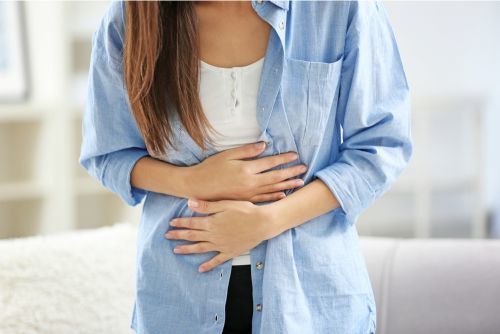
Endometriosis can cause physical, emotional and psychological setbacks in women diagnosed with the condition. Surgery is most often looked at as a last resort, but there are other measures that can be adopted to alleviate the effects of the condition.
You Would Also Like To Read: Finding The End In Endometriosis Causes Symptoms

Endometriosis, while associated with physical pain, can affect women emotionally just as much when it comes to fertility. Endometriosis derails the healthy growth of intrauterine tissue, preventing the formation of a conducive environment for a growing embryo. Here are some things to keep in mind.
With careful management, the effects of endometriosis can be minimized and managed. Don’t let endometriosis get the better of you. Seek a treatment plan on Cloudnine to help you win back moments you’ve lost to the condition. Begin today.
Must Read: Conquering Endometriosis - How To Rise Above The Condition
Want to consult the best gynecologists in India? Please find the links below.
Want to consult the best Maternity Packages in India? Please find the links below.

The exact cause of endometriosis is still unknown, but it can be due to a combination of factors. The main cause of endometriosis is retrograde menstruation. Other potential causes of endometriosis are genetics, hormonal imbalance and immune system dysfunction.
Endometritis, an inflammation of the uterine lining, is primarily caused by bacterial infections. Escherichia coli, Streptococcus and Staphylococcus are the common bacteria that reach the uterus through the vagina, causing endometritis. Other typical causes of endometritis are STIs and gynaecological procedures.
There is no single best treatment for endometriosis as the treatment depends on factors like age, symptoms, severity of the condition and plans for pregnancy. Medical treatments like hormonal medication may help manage the symptoms. Surgical options like laparoscopic excision surgery remove the lesions and scar tissue. Hysterectomy is suggested if the woman has no future pregnancy plans.
Endometriosis is chronic and progressive, making it impossible to stop its growth completely. Medical treatments like hormonal therapies may suppress the growth of endometrial tissue, but do not stop its growth. Laparoscopy surgery can remove endometrial lesions, but there is a chance of regrowth of endometrial tissue.







 Best Gynecologists in Bellandur Best Gynecologists in Electronic City Best Gynecologists in HRBR LayoutBest Gynecologists in Jayanagar Best Gynecologists in Kanakapura RoadBest Gynecologists in Malleswaram Best Gynecologists in Nagarbhavi Best Gynecologists in Old Airport RoadBest Gynecologists in Sahakarnagar Best Gynecologists in Sarjapur RoadBest Gynecologists in ThanisandraBest Gynecologists in Varthur RoadBest Gynecologists in Whitefield Best Gynecologists in Industrial Area Phase IIBest Gynecologists in OMRBest Gynecologists in T NagarBest Gynecologists in New Industrial TownBest Gynecologists in IndirapuramBest Gynecologists in Golf Course RoadBest Gynecologists in Sector 14Best Gynecologists in Sector 47Best Gynecologists in Banjara HillsBest Gynecologists in GachibowliBest Gynecologists in Hitech CityBest Gynecologists in KompallyBest Gynecologists in Jawahar NagarBest Gynecologists in Gomti NagarBest Gynecologists in Phase 3, Sector 58Best Gynecologists in MaladBest Gynecologists in NerulBest Gynecologists in VashiBest Gynecologists in Kailash ColonyBest Gynecologists in PatparganjBest Gynecologists in Punjabi BaghBest Gynecologists in RohiniBest Gynecologists in VikaspuriBest Gynecologists in Gaur CityBest Gynecologists in Pari ChowkBest Gynecologists in Sector 51Best Gynecologists in Sector 5 Swastik ViharBest Gynecologists in Kalyani NagarBest Gynecologists in SB RoadBest Gynecologists in Pimple SaudagarBest Pediatricians in BellandurBest Pediatricians in Electronic CityBest Pediatricians in HRBR LayoutBest Pediatricians in JayanagarBest Pediatricians in Kanakapura RoadBest Pediatricians in MalleswaramBest Pediatricians in NagarbhaviBest Pediatricians in Old Airport RoadBest Pediatricians in SahakarnagarBest Pediatricians in Sarjapur RoadBest Pediatricians in ThanisandraBest Pediatricians in Varthur RoadBest Pediatricians in WhitefieldBest Pediatricians in Industrial Area Phase IIBest Pediatricians in OMRBest Pediatricians in T NagarBest Pediatricians in New Industrial TownshipBest Pediatricians in IndirapuramBest Pediatricians in Golf Course RoadBest Pediatricians in Sector 14Best Pediatricians in Sector 47Best Pediatricians in Hitech CityBest Pediatricians in Banjara HillsBest Pediatricians in GachibowliBest Pediatricians in KompallyBest Pediatricians in Jawahar NagarBest Pediatricians in Gomti NagarBest Pediatricians in Phase 3, Sector 58Best Pediatricians in MaladBest Pediatricians in NerulBest Pediatricians in VashiBest Pediatricians in Kailash ColonyBest Pediatricians in PatparganjBest Pediatricians in Punjabi BaghBest Pediatricians in RohiniBest Pediatricians in VikaspuriBest Pediatricians in Gaur CityBest Pediatricians in Pari ChowkBest Pediatricians in Sector 51Best Pediatricians in Sector 5 Swastik ViharBest Pediatricians in Kalyani NagarBest Pediatricians in SB RoadBest Pediatricians in Pimple Saudagar


