





A high fever during the monsoon season can leave any parent worried. While many childhood fevers are caused by common viral infections, dengue is one illness that deserves extra attention because a child's condition can sometimes change quickly over the next few days.
The good news is that dengue in children is treatable, and most children recover completely with timely medical care, adequate fluids and close monitoring. The key is recognising the early symptoms, knowing which warning signs should never be ignored and understanding when it's time to visit the hospital.
If you live in Bangalore, where dengue cases tend to rise during and after the rainy season, being aware of these signs can help you act promptly if your child falls ill.

Dengue is a viral infection spread through the bite of an infected Aedes mosquito. Children of all ages can get dengue, although the illness may affect each child differently.
Dengue fever in kids often begins suddenly with a high fever and may initially look like any other viral illness. That's why it isn't always easy to recognise in the first day or two. Most children recover without complications, but a small number can develop severe dengue, making early medical evaluation and regular follow-up important whenever dengue is suspected.
The first signs of dengue can look similar to a common viral fever, which is why parents often don't realise it's dengue straight away. As the illness progresses, the symptoms usually become more noticeable.
Common dengue symptoms in children include:
Sudden high fever.
Severe headache.
Pain behind the eyes.
Muscle and joint pain.
Extreme tiredness or weakness.
Loss of appetite.
Skin rash, which may appear a few days after the fever begins.
Not every child will have all these symptoms. Some may simply seem unusually tired or refuse food and fluids, while others may complain of body aches despite appearing otherwise well.
In the early stages, dengue and a common viral fever can appear very similar. That's why it's difficult and often impossible to tell the difference at home based on symptoms alone.
Rather than trying to diagnose dengue yourself, it's safer to consult your paediatrician if your child has a high fever, especially during the dengue season or if symptoms seem unusual.
One of the most confusing aspects of dengue is that a child may appear to be improving just as the illness is entering its most critical stage. As the fever starts coming down, many parents naturally assume the infection is getting better. In some children, however, this is when severe dengue can begin to develop.
Seek medical attention immediately if your child develops any of these warning signs:
Severe or persistent abdominal pain.
Repeated vomiting.
Unusual drowsiness, irritability or difficulty waking up.
Bleeding from the gums or nose.
Blood in the vomit or stools.
Cold, clammy hands and feet.
Refusing fluids or passing very little urine.
These symptoms don't necessarily mean your child has severe dengue, but they do require prompt medical evaluation. Early treatment can help prevent complications and support a smoother recovery.
Dengue usually follows a predictable pattern, although every child is different.
Days 1-3: The fever phase, when high temperature, body aches and other early symptoms are most noticeable.
Days 4-6: The critical phase for some children. Even if the fever begins to settle, this is when warning signs may appear, and close monitoring becomes especially important.
After Day 6: Most children who remain stable during the critical phase gradually begin to recover and regain their energy.
This is why your doctor may ask you to stay alert even after the fever has reduced. Improvement in temperature doesn't always mean the illness is over.
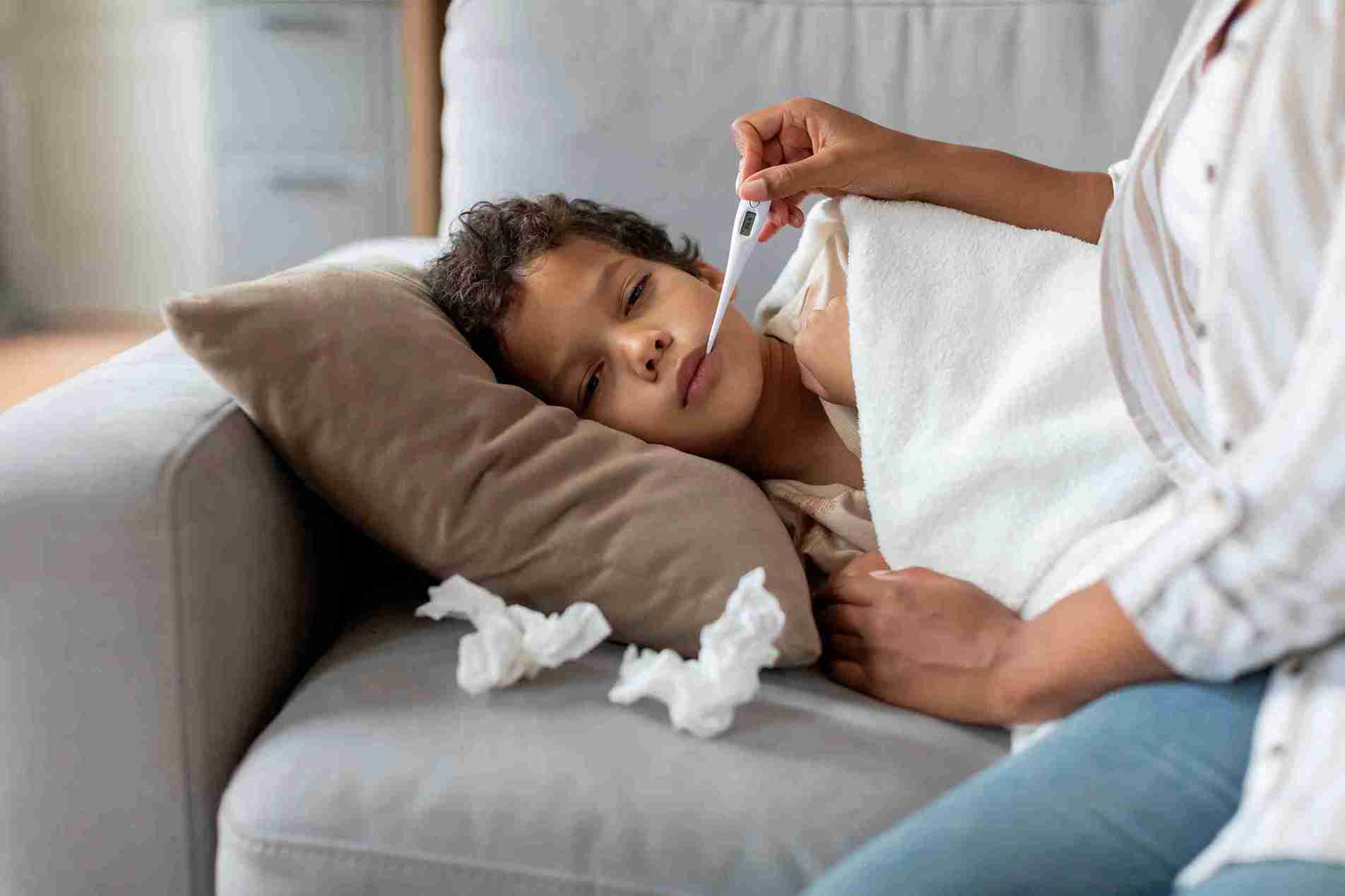
If you think your child may have dengue, it's best not to wait for the symptoms to become severe. An early medical evaluation can help confirm the diagnosis, guide treatment and identify children who need closer monitoring.
While waiting to see your doctor:
Encourage plenty of fluids, such as water, ORS or other drinks recommended by your paediatrician.
Help control the fever with paracetamol, if advised by your doctor.
Avoid giving ibuprofen, diclofenac or aspirin unless specifically prescribed, as these medicines can increase the risk of bleeding in dengue.
Allow your child to rest and avoid strenuous activity.
Keep an eye on their symptoms, especially if the fever starts coming down.
Many parents assume that once the fever improves, the illness is over. With dengue, continued observation over the next couple of days is just as important as managing the fever itself.
Not every child with dengue needs to be admitted to the hospital. Many children with mild dengue recover safely at home with adequate fluids, rest and regular follow-up as advised by their doctor.
Hospital care may be recommended if your child:
Shows any warning signs of severe dengue.
Is unable to drink enough fluids because of repeated vomiting.
Has signs of dehydration.
Appears unusually sleepy, weak or difficult to wake.
Has breathing difficulties or significant bleeding.
Needs closer monitoring because of blood test results or their overall condition.
Your paediatrician will decide the most appropriate place of care after assessing your child's symptoms, examination findings and overall clinical condition.
Dengue treatment for children focuses on supporting the body while it fights the infection. There is no specific antiviral medicine for dengue, so treatment is aimed at preventing dehydration, relieving symptoms and identifying complications early.
Depending on your child's condition, management may include:
Regular monitoring by your doctor.
Paracetamol to reduce fever and improve comfort.
Plenty of oral fluids or intravenous fluids, if required.
Blood tests to monitor recovery when advised.
Hospital care for children who develop warning signs or severe dengue.
Many parents worry most about platelet counts. While these are monitored during dengue, they are only one part of the overall picture. Doctors also consider your child's hydration, activity level, blood pressure, warning signs and blood test trends before deciding on the best course of treatment.
Once your child has been assessed by a doctor and is recovering at home, the focus shifts to keeping them comfortable and watching for any changes. Recovery is usually gradual, so don't worry if your child isn't back to their usual energetic self immediately.
During recovery, you can help by:
Encouraging frequent sips of water, ORS, soups or other fluids recommended by your doctor.
Offering small, light meals as your child's appetite returns.
Making sure they get plenty of rest and avoid strenuous physical activity.
Monitoring urine output, as passing urine regularly is a good sign that your child is staying hydrated.
Continuing to watch for warning signs, even if the fever has settled.
Attending follow-up appointments and blood tests, if your doctor recommends them.
Most children start feeling better over the following days, but it's important not to rush them back to school or sports until they have recovered fully and your doctor is happy with their progress.
The best way to protect children from dengue is to reduce mosquito bites and prevent mosquitoes from breeding around the home.
Simple preventive measures include:
Dressing your child in full-sleeved clothing and long trousers, especially during the day when Aedes mosquitoes are most active.
Using child-safe mosquito repellents as recommended for your child's age.
Installing window screens or using mosquito nets where appropriate.
Emptying or covering containers that collect stagnant water, such as buckets, flower pots and coolers.
Keeping your home and surroundings clean to reduce mosquito breeding sites.
During the monsoon season in Bangalore, it's worth being extra cautious, as mosquito populations tend to increase after periods of rain.

Hearing that your child may have dengue can be unsettling, but most children recover completely with timely medical care, good hydration and careful monitoring.
The most important thing is not to judge recovery by the fever alone. Knowing the dengue symptoms in children, recognising the warning signs of severe illness and seeking medical advice early can make a significant difference. If your child develops a high fever during the dengue season or you're concerned about dengue in children, don't hesitate to consult your paediatrician for guidance.

Early dengue symptoms in children usually include a sudden high fever, headache, body aches, tiredness, nausea and poor appetite. Some children may also develop a rash or vomit. Because these symptoms can resemble other viral illnesses, it's important to seek medical advice if dengue is suspected.
Warning signs of severe dengue include severe abdominal pain, repeated vomiting, unusual drowsiness, bleeding from the gums or nose, difficulty breathing and passing very little urine. These symptoms often appear around the time the fever begins to settle and need immediate medical attention.
A child may need hospital care if they develop warning signs, become dehydrated, are unable to drink enough fluids or require closer monitoring. Your doctor will decide whether admission is necessary based on your child's symptoms, examination and blood test results rather than a single finding alone.
The best way to prevent dengue is to protect children from mosquito bites and reduce mosquito breeding around the home. Using child-safe mosquito repellents, dressing children in protective clothing and removing stagnant water from the surroundings can significantly lower the risk of infection.


 Best Gynecologists in Bellandur Best Gynecologists in Electronic City Best Gynecologists in HRBR LayoutBest Gynecologists in Jayanagar Best Gynecologists in Kanakapura RoadBest Gynecologists in Malleswaram Best Gynecologists in Nagarbhavi Best Gynecologists in Old Airport RoadBest Gynecologists in Sahakarnagar Best Gynecologists in Sarjapur RoadBest Gynecologists in ThanisandraBest Gynecologists in Varthur RoadBest Gynecologists in Whitefield Best Gynecologists in Industrial Area Phase IIBest Gynecologists in OMRBest Gynecologists in T NagarBest Gynecologists in New Industrial TownBest Gynecologists in IndirapuramBest Gynecologists in Golf Course RoadBest Gynecologists in Sector 14Best Gynecologists in Sector 47Best Gynecologists in Banjara HillsBest Gynecologists in GachibowliBest Gynecologists in Hitech CityBest Gynecologists in KompallyBest Gynecologists in Gomti NagarBest Gynecologists in MaladBest Gynecologists in NerulBest Gynecologists in VashiBest Gynecologists in Kailash ColonyBest Gynecologists in PatparganjBest Gynecologists in Punjabi BaghBest Gynecologists in VikaspuriBest Gynecologists in Gaur CityBest Gynecologists in Pari ChowkBest Gynecologists in Sector 51Best Gynecologists in Sector 5 Swastik ViharBest Gynecologists in Kalyani NagarBest Gynecologists in SB RoadBest Gynecologists in Pimple SaudagarBest Pediatricians in BellandurBest Pediatricians in Electronic CityBest Pediatricians in HRBR LayoutBest Pediatricians in JayanagarBest Pediatricians in Kanakapura RoadBest Pediatricians in MalleswaramBest Pediatricians in NagarbhaviBest Pediatricians in Old Airport RoadBest Pediatricians in SahakarnagarBest Pediatricians in Sarjapur RoadBest Pediatricians in ThanisandraBest Pediatricians in Varthur RoadBest Pediatricians in WhitefieldBest Pediatricians in Industrial Area Phase IIBest Pediatricians in OMRBest Pediatricians in T NagarBest Pediatricians in New Industrial TownshipBest Pediatricians in IndirapuramBest Pediatricians in Golf Course RoadBest Pediatricians in Sector 14Best Pediatricians in Sector 47Best Pediatricians in Hitech CityBest Pediatricians in Banjara HillsBest Pediatricians in GachibowliBest Pediatricians in KompallyBest Pediatricians in Gomti NagarBest Pediatricians in MaladBest Pediatricians in NerulBest Pediatricians in VashiBest Pediatricians in Kailash ColonyBest Pediatricians in PatparganjBest Pediatricians in Punjabi BaghBest Pediatricians in VikaspuriBest Pediatricians in Gaur CityBest Pediatricians in Pari ChowkBest Pediatricians in Sector 51Best Pediatricians in Sector 5 Swastik ViharBest Pediatricians in Kalyani NagarBest Pediatricians in SB RoadBest Pediatricians in Pimple Saudagar


