


Pelvic inflammatory disease is one of those conditions that many women have heard of, but fewer understand clearly. It is common, it is serious, and this is the part that catches many women off guard: it does not always hurt.
Pelvic inflammatory disease (PID) is an infection of the female reproductive organs — the uterus, fallopian tubes, and ovaries. It is one of the most common causes of preventable infertility in women. Yet it is frequently diagnosed late, inadequately treated, or missed entirely because the symptoms are mild enough to be dismissed.
Understanding what PID is, how it develops, what it feels like, and why early treatment matters so much can genuinely change outcomes for both fertility and long-term health.
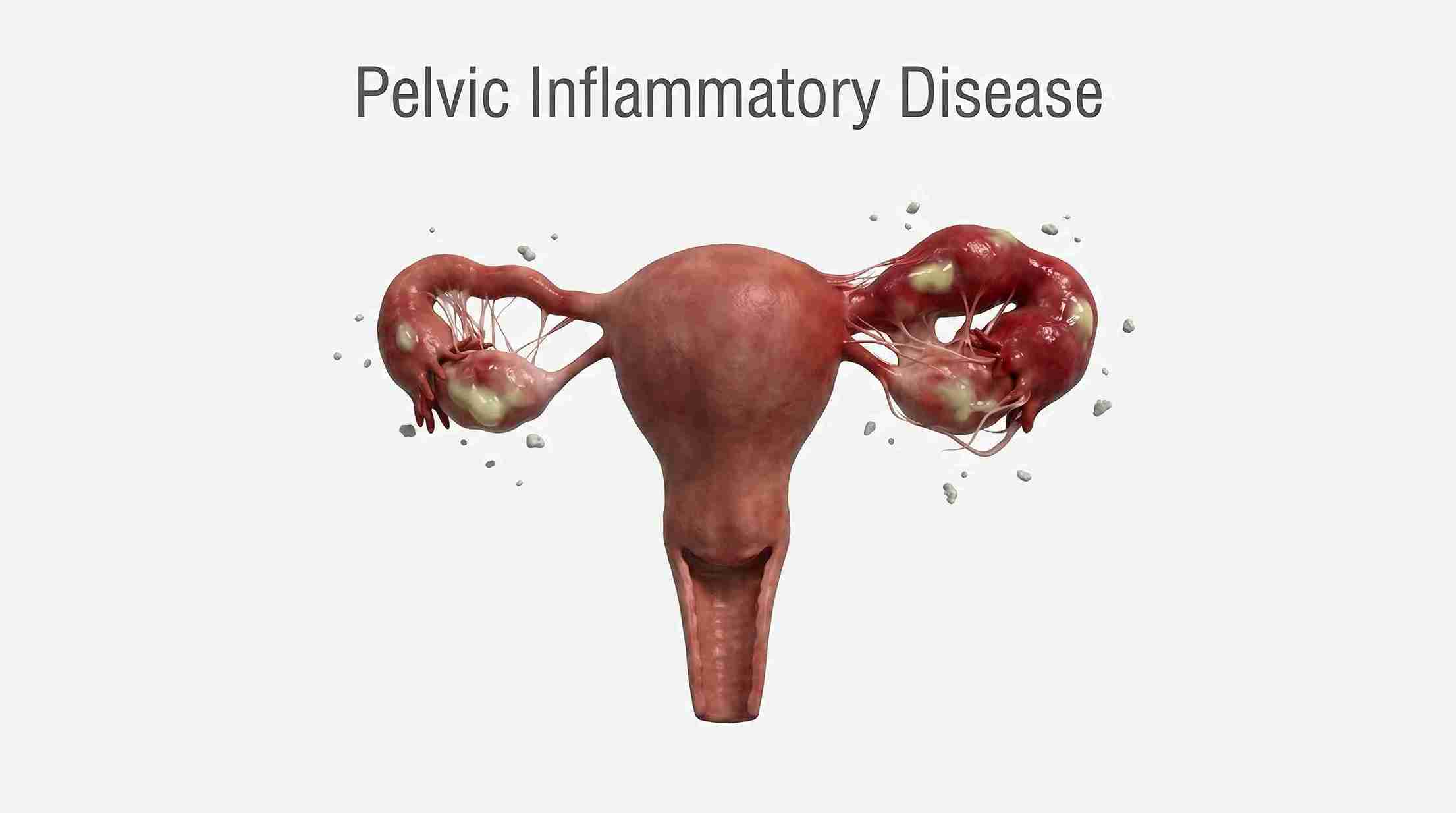
PID develops when bacteria from the vagina or cervix travel upward into the uterus, fallopian tubes, and ovaries. This upward spread of bacteria causes infection and inflammation in the upper reproductive tract.
The most common triggers are sexually transmitted infections, with chlamydia and gonorrhoea being the most frequent causes worldwide. However, PID can also develop after procedures that open the cervix, such as IUD insertion, a termination of pregnancy, or hysteroscopy, which can allow bacteria that are normally present in the vagina to enter the upper reproductive tract.
One of the reasons pelvic inflammatory disease symptoms are so frequently missed is that its symptoms vary enormously from completely absent to severe.
When not treated, or if the infection is very aggressive, the symptoms progress to:
This stage of severity indicates a serious infection which might have caused an abscess formation in or around the ovary or fallopian tubes. This requires hospitalisation.

There is no single test that confirms PID. Diagnosis is clinical, based on a combination of history, physical examination, and investigations.
A gynaecologist examining a woman with PID typically finds:
Laparoscopy is a camera procedure performed under general anaesthesia; it is the definitive investigation but is reserved for uncertain cases or when an abscess is suspected.
PID is treated with antibiotics. Treatment should start as soon as PID is suspected, before swab results are back, because early treatment significantly reduces the risk of long-term damage. The antibiotic regimen needs to cover a range of organisms, including chlamydia, gonorrhoea, and other bacteria. A typical course is 14 days. The full course must be completed even if symptoms resolve early. Stopping antibiotics early is one of the most common reasons PID recurs.
PID in women that is not treated or not treated adequately causes permanent damage to the reproductive organs.
There is no guaranteed way to prevent PID entirely, but the risk can be reduced:
PID is common, preventable in many cases, and treatable but only if it is identified and treated promptly and completely. The damage it causes to the fallopian tubes is silent and cumulative, and by the time infertility becomes apparent, reversing that damage is often not possible. If you have any of the symptoms described, see a gynaecologist. If you are at risk and have no symptoms, regular STI testing is the most reliable way to catch it early.

Want to consult the Best Gynecologists in India? Please find the links below.
Want to consult the Best Maternity Packages in India? Please find the links below.

The first sign of PID symptoms is often a dull ache or cramp in the lower abdomen, which many women mistake for period pain. Unusual vaginal discharge with an unpleasant smell is another early indicator. However, pelvic inflammatory disease frequently causes no early symptoms at all, particularly when caused by chlamydia, which is why it is often found late. Any change in discharge alongside pelvic discomfort warrants a gynaecologist assessment.
No. PID in women does not resolve without antibiotics. The infection continues to cause inflammation and damage to the fallopian tubes even when symptoms are mild or absent. Waiting for it to improve on its own allows scarring to accumulate, permanently affecting fertility and raising the risk of chronic pelvic pain and ectopic pregnancy. Prompt antibiotic treatment is always needed. The full course must be completed even when symptoms ease.
Yes. PID is one of the most common preventable causes of infertility in women. Each episode of untreated or inadequately treated infection causes scarring in the fallopian tubes. A single episode causes significant tubal damage in roughly 10-15% of women. After three episodes, this rises to 50-60%.
PID pain is usually felt as a dull, constant ache in the lower abdomen, often on both sides, that may be mild enough to pass off as period pain. It can worsen during sex, particularly with deep penetration. In more severe cases, it becomes a sharper, significant pain that worsens with movement or pressure on the abdomen. Pain during urination is also sometimes reported. The mildness of the pain in early PID is exactly why it is so often missed.


 Best Gynecologists in Bellandur Best Gynecologists in Electronic City Best Gynecologists in HRBR LayoutBest Gynecologists in Jayanagar Best Gynecologists in Kanakapura RoadBest Gynecologists in Malleswaram Best Gynecologists in Nagarbhavi Best Gynecologists in Old Airport RoadBest Gynecologists in Sahakarnagar Best Gynecologists in Sarjapur RoadBest Gynecologists in ThanisandraBest Gynecologists in Varthur RoadBest Gynecologists in Whitefield Best Gynecologists in Industrial Area Phase IIBest Gynecologists in OMRBest Gynecologists in T NagarBest Gynecologists in New Industrial TownBest Gynecologists in IndirapuramBest Gynecologists in Golf Course RoadBest Gynecologists in Sector 14Best Gynecologists in Sector 47Best Gynecologists in Banjara HillsBest Gynecologists in GachibowliBest Gynecologists in Hitech CityBest Gynecologists in KompallyBest Gynecologists in Gomti NagarBest Gynecologists in MaladBest Gynecologists in NerulBest Gynecologists in VashiBest Gynecologists in Kailash ColonyBest Gynecologists in PatparganjBest Gynecologists in Punjabi BaghBest Gynecologists in VikaspuriBest Gynecologists in Gaur CityBest Gynecologists in Pari ChowkBest Gynecologists in Sector 51Best Gynecologists in Sector 5 Swastik ViharBest Gynecologists in Kalyani NagarBest Gynecologists in SB RoadBest Gynecologists in Pimple SaudagarBest Pediatricians in BellandurBest Pediatricians in Electronic CityBest Pediatricians in HRBR LayoutBest Pediatricians in JayanagarBest Pediatricians in Kanakapura RoadBest Pediatricians in MalleswaramBest Pediatricians in NagarbhaviBest Pediatricians in Old Airport RoadBest Pediatricians in SahakarnagarBest Pediatricians in Sarjapur RoadBest Pediatricians in ThanisandraBest Pediatricians in Varthur RoadBest Pediatricians in WhitefieldBest Pediatricians in Industrial Area Phase IIBest Pediatricians in OMRBest Pediatricians in T NagarBest Pediatricians in New Industrial TownshipBest Pediatricians in IndirapuramBest Pediatricians in Golf Course RoadBest Pediatricians in Sector 14Best Pediatricians in Sector 47Best Pediatricians in Hitech CityBest Pediatricians in Banjara HillsBest Pediatricians in GachibowliBest Pediatricians in KompallyBest Pediatricians in Gomti NagarBest Pediatricians in MaladBest Pediatricians in NerulBest Pediatricians in VashiBest Pediatricians in Kailash ColonyBest Pediatricians in PatparganjBest Pediatricians in Punjabi BaghBest Pediatricians in VikaspuriBest Pediatricians in Gaur CityBest Pediatricians in Pari ChowkBest Pediatricians in Sector 51Best Pediatricians in Sector 5 Swastik ViharBest Pediatricians in Kalyani NagarBest Pediatricians in SB RoadBest Pediatricians in Pimple Saudagar