





It may be an ordinary day when you suddenly notice that your usually active toddler has gone quiet. The child who was following you around asking for a favourite snack now refuses even something they usually enjoy. You touch their forehead, and they feel unusually warm. A quick check with the thermometer confirms it: your toddler has a fever.
Seeing the temperature reach 102°F can naturally make you concerned. However, the temperature reading is just one aspect of assessing your child's overall well-being. Their behaviour, comfort and overall condition matter too.
This guide focuses specifically on toddlers aged 1-3 years. Fever in younger babies, particularly newborns and young infants, needs a different medical assessment. Here, we explain what a 102°F fever may mean, what you can do at home and when it is time to seek medical attention.
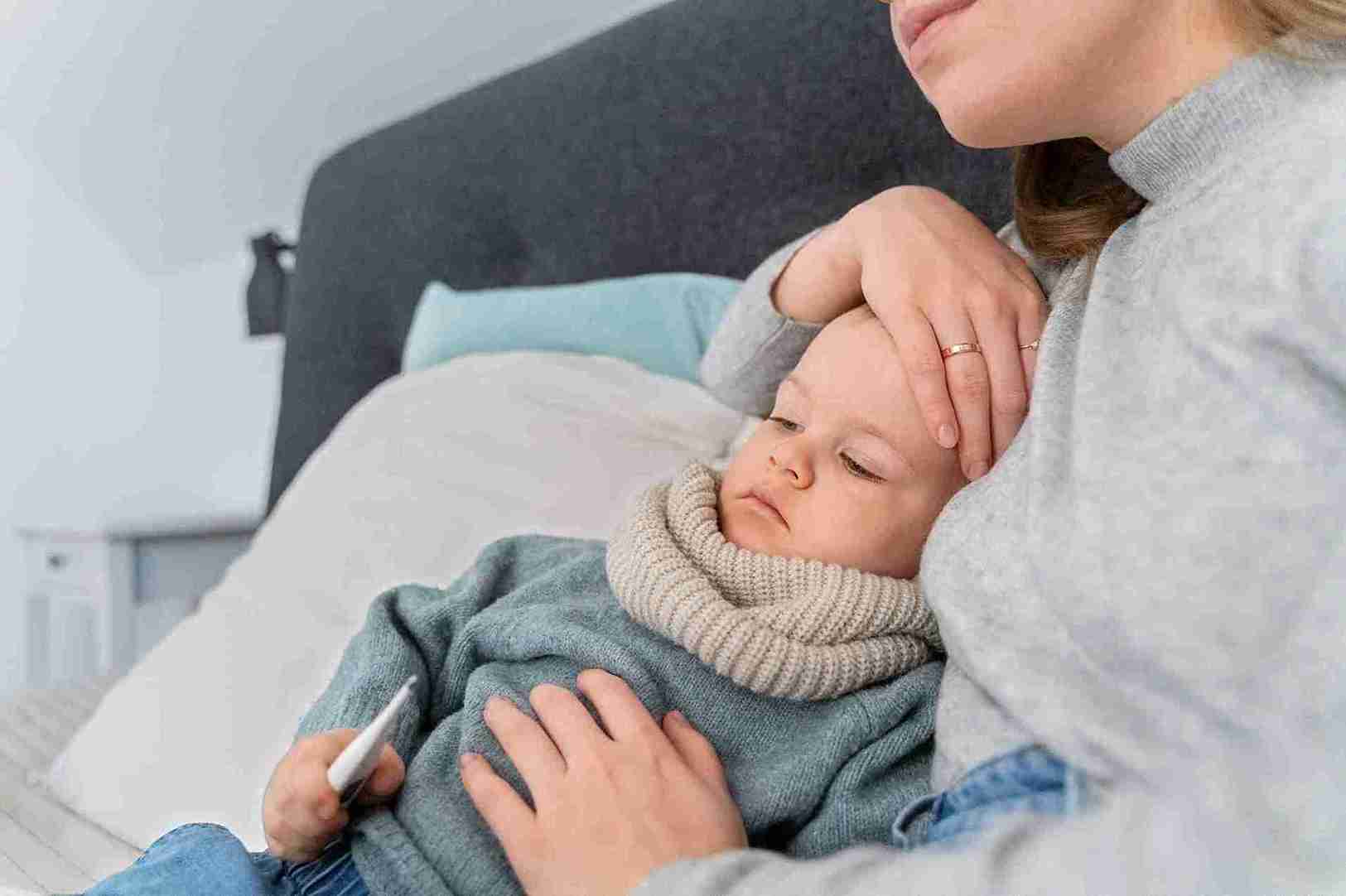
If your toddler's temperature is around 102°F (38.9°C), start by assessing their overall condition and behavior.
Use a digital thermometer and follow the manufacturer's instructions. If the reading seems off or doesn't reflect your child's condition, consider retaking the temperature for confirmation.
Notice whether your child is alert and interacting when awake. Also observe whether your child’s fluid intake and urine output are as usual.
Encourage your toddler to drink to help maintain hydration. Small, frequent amounts may be easier if they do not feel like drinking much at once.
Keep your toddler comfortably dressed and allow them to rest. While some believe that wrapping a child in extra layers can help “sweat out” a fever, this is not recommended.
Some changes need medical assessment. The warning signs to watch for are covered below.
A 102°F fever in toddlers is commonly seen when the immune system is responding to an infection, particularly a viral infection. The temperature can vary during an illness and may rise or fall at different times of the day.
Rather than treating 102°F as a specific danger point, consider the reading together with how your toddler is coping with the illness. Some toddlers may remain active and responsive, while others may feel tired or uncomfortable.
It can be tempting to check the thermometer frequently when your toddler has a fever. However, how your child is doing between temperature checks can often tell you more about how they are coping.
Pay attention to questions such as:
● Is your toddler alert and interacting normally when awake?
● Are they able and willing to drink?
● Are they urinating normally?
● Are they breathing comfortably?
● Do they become more comfortable or responsive as the fever settles?
You know your child's behaviour best. A noticeable change from how they normally interact or respond can be more informative than repeatedly checking the thermometer.
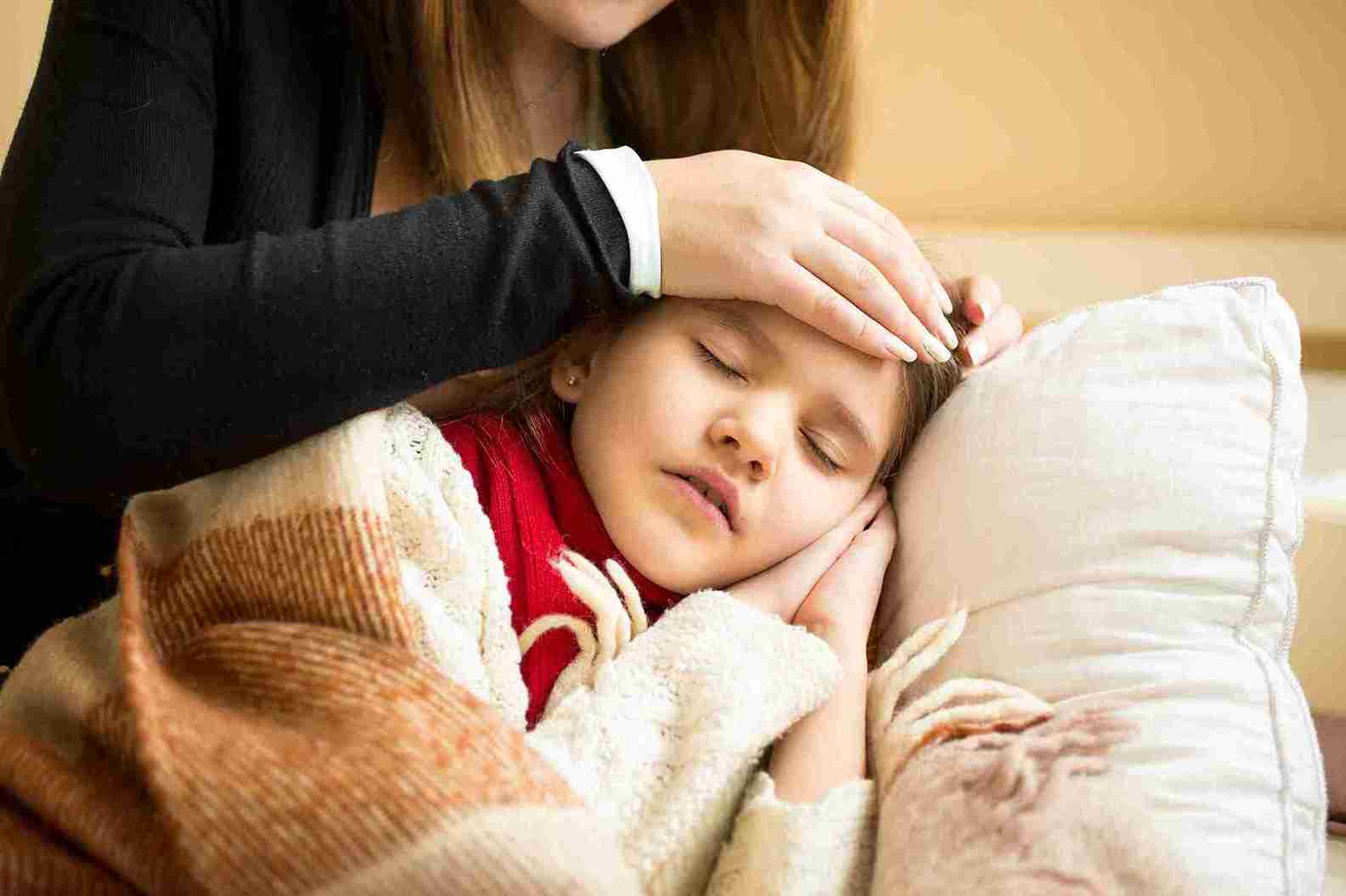
With a high fever in toddlers, it’s not just the temperature that matters when deciding whether medical care is needed. Seek prompt medical attention if your toddler:
● Has difficulty breathing.
● Is unusually drowsy, unresponsive or difficult to wake.
● Has a seizure.
● Develops a stiff neck.
● Has a rash that does not fade on gentle pressure.
● Shows signs of dehydration.
● Has persistent vomiting.
● Has severe or worsening pain.
● Appears increasingly unwell.
You should also speak to your paediatrician if the fever persists, keeps recurring, or you are concerned about your child's recovery. There is no set timeframe that determines whether a toddler needs medical care; the cause of the fever and your child’s overall condition also matter.
Fever treatment for toddlers does not always mean bringing the temperature back to normal. Fever medicine is generally considered when a child is distressed or uncomfortable, not only because the thermometer shows 102°F.
If fever medicine is needed for discomfort, use only medicines suitable for your child and follow the recommended instructions or your paediatrician's advice. This is discussed in detail below.
Paracetamol or ibuprofen may be considered for a distressed or uncomfortable toddler with a fever. Which medicine is appropriate depends on your child's age, health, and individual circumstances. Do not routinely alternate paracetamol and ibuprofen unless a healthcare professional has advised you to do so. Alternating medicines without clear guidance can make it easier to give the wrong dose or give medicine too soon.
Check with your pediatrician to be sure you’re giving the right medicine and the correct dose for your toddler.
It is common for a fever to fall and then rise again during an illness. If fever medicine has been given, the temperature may rise again as its effect wears off. Don’t worry, this doesn’t always mean your child’s illness is getting worse.
A fever may not go away completely within a day or two and can come and go during an illness. Continue the dosage as discussed with your paediatrician during the consultation. Another visit may be needed if there is no improvement or if your toddler’s symptoms worsen.
When your toddler has a fever, avoid trying to lower the temperature quickly with methods that may cause discomfort or be unsafe.
● Do not use ice-cold baths or cold sponging to bring the fever down.
● Do not overdress or wrap your toddler in heavy blankets.
● Do not give fever medicine more often than recommended.
● Do not give antibiotics unless they have been prescribed for your child.
If you are unsure about a home remedy or medicine, check with your paediatrician. If your toddler needs urgent medical attention, seek prompt medical care rather than waiting for an appointment with your regular doctor.

Most fevers improve as the underlying illness resolves. Use the steps above to guide your toddler's care, and refer back to the warning signs if their condition changes. Knowing when home care is appropriate and when to seek medical advice can help you respond to a fever with greater confidence.

A fever above 102°F is not necessarily dangerous on its own. The temperature should be taken into consideration along with your toddler’s overall condition and any other symptoms. If you are concerned about how your child is doing, speak to your paediatrician.
Seek medical attention if your toddler develops any of the warning signs discussed above, appears increasingly unwell or is not recovering as expected. If you’re ever unsure about whether your child needs to see a doctor, it’s always okay to call your pediatrician and ask.
Do not routinely alternate paracetamol and ibuprofen unless advised by a healthcare professional. Using both without clear guidance can increase the chance of dosing errors.
Focus on keeping your toddler comfortable, offering fluids and allowing them to rest. Fever medicine can be used when appropriate for discomfort, following the product instructions or your paediatrician's advice. You do not need to bring the temperature down to a particular number.


 Best Gynecologists in Bellandur Best Gynecologists in Electronic City Best Gynecologists in HRBR LayoutBest Gynecologists in Jayanagar Best Gynecologists in Kanakapura RoadBest Gynecologists in Malleswaram Best Gynecologists in Nagarbhavi Best Gynecologists in Old Airport RoadBest Gynecologists in Sahakarnagar Best Gynecologists in Sarjapur RoadBest Gynecologists in ThanisandraBest Gynecologists in Varthur RoadBest Gynecologists in Whitefield Best Gynecologists in Industrial Area Phase IIBest Gynecologists in OMRBest Gynecologists in T NagarBest Gynecologists in New Industrial TownBest Gynecologists in IndirapuramBest Gynecologists in Golf Course RoadBest Gynecologists in Sector 14Best Gynecologists in Sector 47Best Gynecologists in Banjara HillsBest Gynecologists in GachibowliBest Gynecologists in Hitech CityBest Gynecologists in KompallyBest Gynecologists in Gomti NagarBest Gynecologists in MaladBest Gynecologists in NerulBest Gynecologists in VashiBest Gynecologists in Kailash ColonyBest Gynecologists in PatparganjBest Gynecologists in Punjabi BaghBest Gynecologists in VikaspuriBest Gynecologists in Gaur CityBest Gynecologists in Pari ChowkBest Gynecologists in Sector 51Best Gynecologists in Sector 5 Swastik ViharBest Gynecologists in Kalyani NagarBest Gynecologists in SB RoadBest Gynecologists in Pimple SaudagarBest Pediatricians in BellandurBest Pediatricians in Electronic CityBest Pediatricians in HRBR LayoutBest Pediatricians in JayanagarBest Pediatricians in Kanakapura RoadBest Pediatricians in MalleswaramBest Pediatricians in NagarbhaviBest Pediatricians in Old Airport RoadBest Pediatricians in SahakarnagarBest Pediatricians in Sarjapur RoadBest Pediatricians in ThanisandraBest Pediatricians in Varthur RoadBest Pediatricians in WhitefieldBest Pediatricians in Industrial Area Phase IIBest Pediatricians in OMRBest Pediatricians in T NagarBest Pediatricians in New Industrial TownshipBest Pediatricians in IndirapuramBest Pediatricians in Golf Course RoadBest Pediatricians in Sector 14Best Pediatricians in Sector 47Best Pediatricians in Hitech CityBest Pediatricians in Banjara HillsBest Pediatricians in GachibowliBest Pediatricians in KompallyBest Pediatricians in Gomti NagarBest Pediatricians in MaladBest Pediatricians in NerulBest Pediatricians in VashiBest Pediatricians in Kailash ColonyBest Pediatricians in PatparganjBest Pediatricians in Punjabi BaghBest Pediatricians in VikaspuriBest Pediatricians in Gaur CityBest Pediatricians in Pari ChowkBest Pediatricians in Sector 51Best Pediatricians in Sector 5 Swastik ViharBest Pediatricians in Kalyani NagarBest Pediatricians in SB RoadBest Pediatricians in Pimple Saudagar


