
Children rely on healthy vision every day to read, learn, play, participate in sports and explore the world around them. Since children often assume everyone sees the way they do, many of them don't realise they have a vision problem and may not tell their parents that something is wrong.
Instead, the first signs may appear in everyday behaviours, such as squinting while reading, sitting very close to the television, rubbing their eyes frequently or struggling to see the classroom board. These subtle changes can sometimes affect learning, confidence and participation in daily activities.
Recognising vision problems in children early can help prevent unnecessary difficulties at school and support healthy visual development. This article explains common signs of poor eyesight in children, discusses eye problems in children, and outlines when it's time to arrange an eye examination.
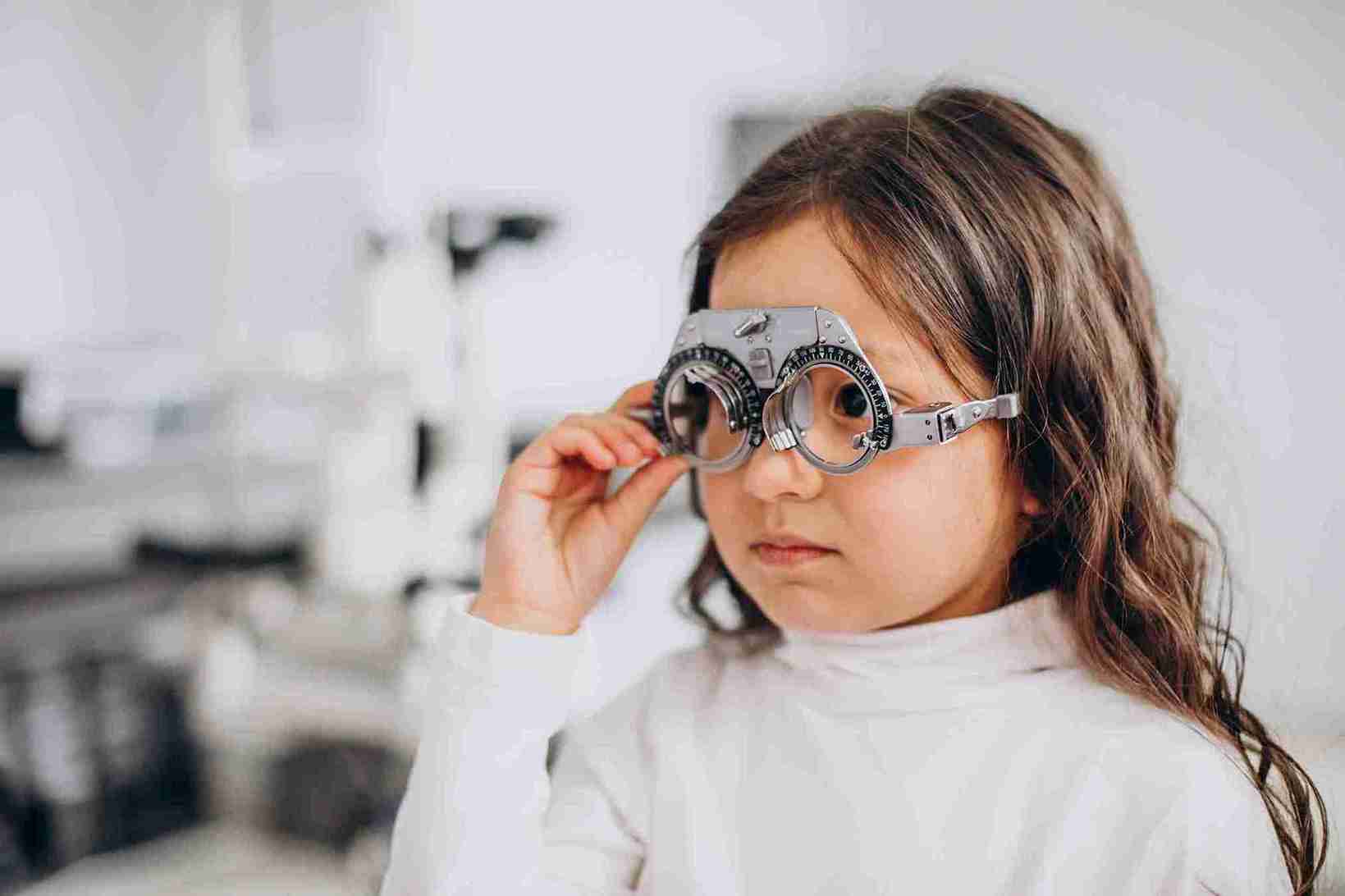
Every parent wishes for their child’s good vision, which is essential for a child's learning, development and overall wellbeing. From recognising letters and reading books to catching a ball or navigating the classroom, children depend on clear vision throughout the day.
Healthy eyesight also plays an important role in concentration, confidence and academic performance. When vision problems go unnoticed, children may find certain activities more difficult without understanding why. They may avoid reading, lose focus during homework or become frustrated with schoolwork, even though the underlying issue is their eyesight rather than their ability to learn.
Prioritising child eye health and recognising early signs of vision problems can help children receive timely support, allowing them to learn, play and participate confidently in everyday activities.
Children may not realise they have a vision problem
Many children assume everyone sees the world the way they do. As a result, they may not complain about blurry vision, which makes parental observations, teacher feedback and routine eye examinations important.
We cannot say that the signs of poor eyesight in children are always obvious. Rather than complaining about blurry vision, children often adapt their behaviour to cope with what they can or cannot see. Paying attention to these everyday habits can help parents identify concerns early.
Squinting means narrowing the eyes to see more clearly and may be a sign of a vision problem. This is different from a squint (strabismus), where the eyes do not align properly and may look in different directions.
In some cases of vision problems, children may also appear distracted or lose concentration during lessons simply because they are finding it difficult to see clearly. If these signs persist, it's worth arranging for an eye examination.
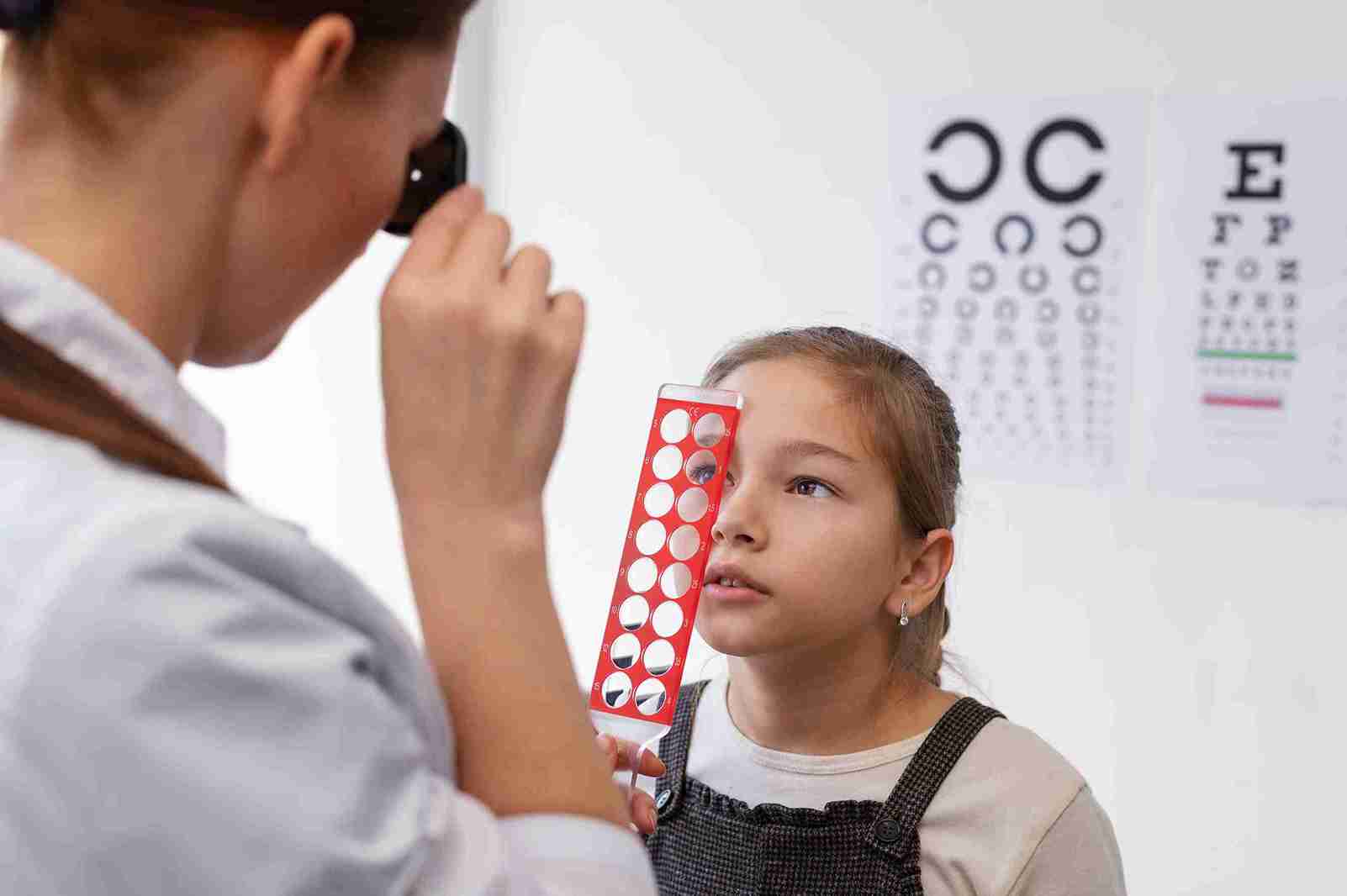
If you've noticed persistent changes in your child's vision or behaviour, it's a good idea to arrange a comprehensive eye examination. Early assessment can identify problems before they begin affecting learning, confidence or day-to-day activities.
If you've noticed persistent changes in your child's vision or behaviour, it's a good idea to arrange a comprehensive eye examination. While occasional eye rubbing or difficulty concentrating may not always indicate a vision problem, persistent or recurring symptoms should be assessed by an eye care professional.
An eye examination is also recommended if:
Early assessment can identify problems before they begin affecting learning, confidence or day-to-day activities.
Some children adapt so well to changes in their vision that they may not realise anything is wrong. Routine vision screening and timely eye examinations can help detect problems early, allowing appropriate treatment to begin before vision affects learning or daily activities.
Not all children with vision problems complain about their eyesight. Some adapt so well that the signs are easy to miss. Routine vision screening and recommended eye examinations can help detect problems early, even when there are no obvious symptoms, allowing appropriate treatment to begin as soon as possible.
Some of the common eye problems in children can often be managed successfully when identified early. An eye examination helps determine the cause of vision changes and the most appropriate treatment.
The most common vision problems in children include short-sightedness (myopia), long-sightedness (hyperopia) and astigmatism. They affect how clearly a child sees objects at different distances and are often corrected with prescription glasses.
Amblyopia, commonly known as lazy eye, occurs when vision develops poorly in one eye during early childhood. Early diagnosis and treatment are important to help improve vision while the visual system is still developing.
A squint or strabismus, is an eye alignment problem where the eyes do not look in the same direction at the same time. It is different from squinting to see more clearly and should be assessed by an eye specialist.
Some children have difficulty coordinating how their eyes work together or maintaining focus while reading or doing close-up tasks. These problems may lead to eye strain, headaches or difficulty concentrating during schoolwork.
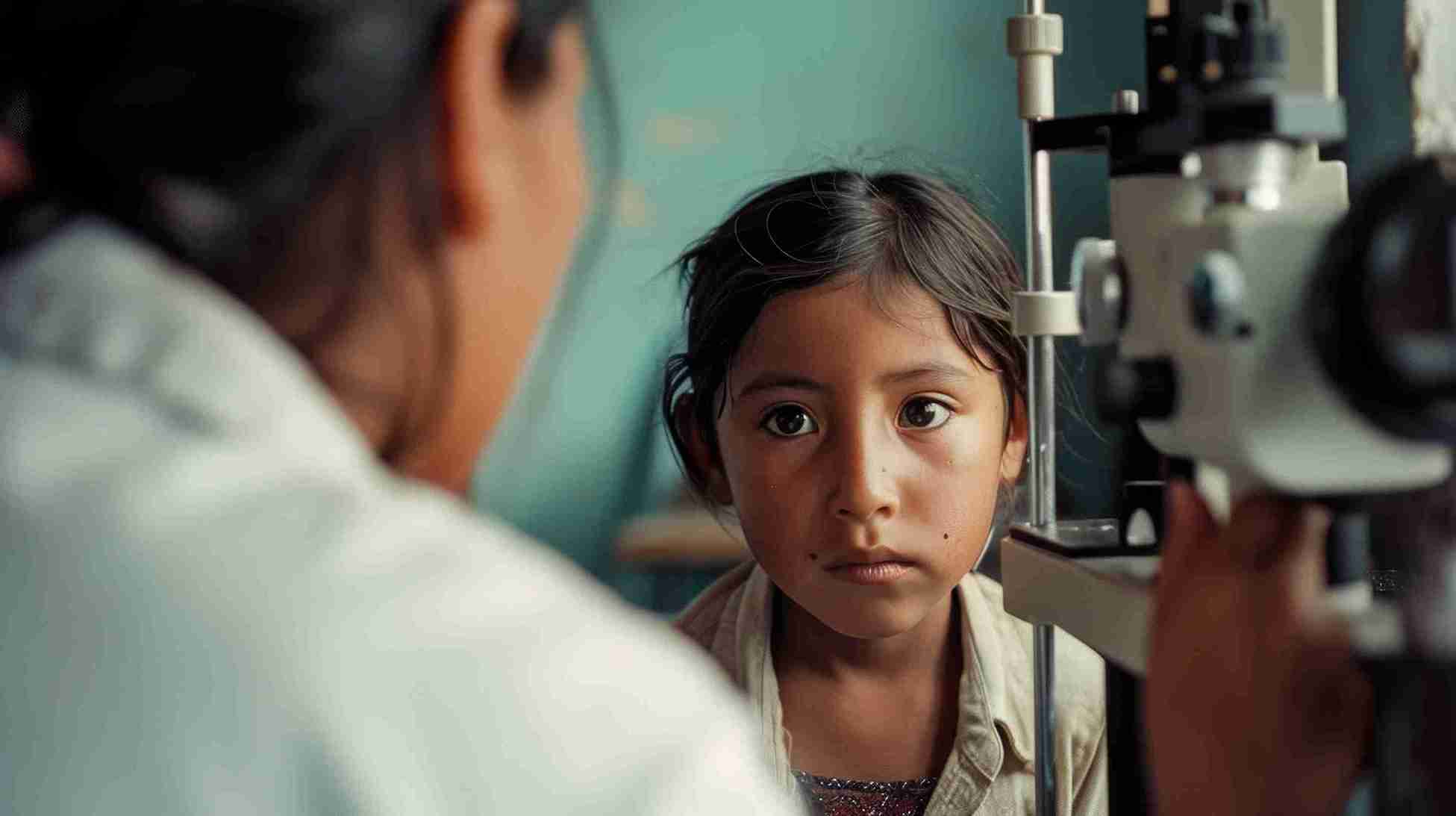
The management of vision problems in children depends on the underlying cause and the child's individual needs. Following a comprehensive eye examination, the eye care professional will recommend the most appropriate treatment or follow-up.
Management may include:
Early treatment often helps children see more clearly, participate confidently in school and enjoy everyday activities without unnecessary visual difficulties.
Simple everyday habits can help support child eye health and encourage good visual development as children grow.
Parents can help by:
As children grow older, encourage them to tell you if they notice blurry vision, headaches while reading, double vision or difficulty seeing distant objects. Open conversations about eye health can help identify problems early and ensure they receive timely care.
Healthy vision plays an important role in a child's learning, confidence and everyday experiences. While some vision problems in children develop gradually and may not cause obvious complaints, recognising the signs of poor eyesight in children early allows timely assessment and appropriate treatment.
When you see your child squinting, struggling to see clearly or showing changes in their reading or classroom performance, it's worth arranging an eye examination. Many eye problems in children can be managed effectively when identified early, helping children see clearly, participate fully in school and enjoy the activities they love.
With regular eye checks, healthy daily habits and prompt attention to any concerns, you can help protect your child's vision and support their development for years to come.

Want to consult the best pediatrician in India? Please find the links below

Children may squint to make objects appear clearer, which can be a sign of a vision problem such as a refractive error. However, occasional squinting doesn't always indicate poor eyesight. If it happens frequently or is accompanied by headaches, blurred vision or difficulty seeing distant objects, an eye examination is recommended.
Some vision changes might get better as kids grow. Many problems like refractive errors usually need checking or care. Regular eye exams help make sure any changes in vision are found and handled well.
Lazy eye, or amblyopia, occurs when one eye develops weaker vision than the other during early childhood. Treatment depends on the cause and may include prescription glasses, patching the stronger eye or other therapies recommended by an eye specialist. Early treatment generally leads to better outcomes.
Your child may benefit from glasses if they frequently squint, sit very close to the television, complain of blurred vision, struggle to see the classroom board or experience headaches after reading. A comprehensive eye examination is the best way to determine whether glasses are needed.







 Best Gynecologists in Bellandur Best Gynecologists in Electronic City Best Gynecologists in HRBR LayoutBest Gynecologists in Jayanagar Best Gynecologists in Kanakapura RoadBest Gynecologists in Malleswaram Best Gynecologists in Nagarbhavi Best Gynecologists in Old Airport RoadBest Gynecologists in Sahakarnagar Best Gynecologists in Sarjapur RoadBest Gynecologists in ThanisandraBest Gynecologists in Varthur RoadBest Gynecologists in Whitefield Best Gynecologists in Industrial Area Phase IIBest Gynecologists in OMRBest Gynecologists in T NagarBest Gynecologists in New Industrial TownBest Gynecologists in IndirapuramBest Gynecologists in Golf Course RoadBest Gynecologists in Sector 14Best Gynecologists in Sector 47Best Gynecologists in Banjara HillsBest Gynecologists in GachibowliBest Gynecologists in Hitech CityBest Gynecologists in KompallyBest Gynecologists in Gomti NagarBest Gynecologists in MaladBest Gynecologists in NerulBest Gynecologists in VashiBest Gynecologists in Kailash ColonyBest Gynecologists in PatparganjBest Gynecologists in Punjabi BaghBest Gynecologists in VikaspuriBest Gynecologists in Gaur CityBest Gynecologists in Pari ChowkBest Gynecologists in Sector 51Best Gynecologists in Sector 5 Swastik ViharBest Gynecologists in Kalyani NagarBest Gynecologists in SB RoadBest Gynecologists in Pimple SaudagarBest Pediatricians in BellandurBest Pediatricians in Electronic CityBest Pediatricians in HRBR LayoutBest Pediatricians in JayanagarBest Pediatricians in Kanakapura RoadBest Pediatricians in MalleswaramBest Pediatricians in NagarbhaviBest Pediatricians in Old Airport RoadBest Pediatricians in SahakarnagarBest Pediatricians in Sarjapur RoadBest Pediatricians in ThanisandraBest Pediatricians in Varthur RoadBest Pediatricians in WhitefieldBest Pediatricians in Industrial Area Phase IIBest Pediatricians in OMRBest Pediatricians in T NagarBest Pediatricians in New Industrial TownshipBest Pediatricians in IndirapuramBest Pediatricians in Golf Course RoadBest Pediatricians in Sector 14Best Pediatricians in Sector 47Best Pediatricians in Hitech CityBest Pediatricians in Banjara HillsBest Pediatricians in GachibowliBest Pediatricians in KompallyBest Pediatricians in Gomti NagarBest Pediatricians in MaladBest Pediatricians in NerulBest Pediatricians in VashiBest Pediatricians in Kailash ColonyBest Pediatricians in PatparganjBest Pediatricians in Punjabi BaghBest Pediatricians in VikaspuriBest Pediatricians in Gaur CityBest Pediatricians in Pari ChowkBest Pediatricians in Sector 51Best Pediatricians in Sector 5 Swastik ViharBest Pediatricians in Kalyani NagarBest Pediatricians in SB RoadBest Pediatricians in Pimple Saudagar


