





Your child seems perfectly fine most of the time, but every now and then they develop a cough that won't go away. They may start wheezing after running around, wake up coughing at night or struggle to keep up with their friends during play. It's natural to wonder whether it's just another chest infection or something more.
Childhood asthma is one of the most common long-term health conditions in children. The reassuring news is that, with the right treatment and support, most children with asthma can enjoy school, sports and everyday activities just like their peers. This guide explains how to recognise asthma in children, understand the role of inhalers, identify common triggers and know when it's time to seek medical help.

Asthma is a long-term condition that affects the airways in the lungs. In children with asthma, these airways become inflamed and more sensitive than usual. When exposed to certain triggers, they can temporarily narrow, making it harder for air to move in and out of the lungs.
This narrowing can cause symptoms such as coughing, wheezing, chest tightness and difficulty breathing. The symptoms may come and go, and many children feel completely well between episodes. Although asthma cannot always be cured, it can usually be managed very effectively. With regular follow-up and the right treatment plan, most children lead active, healthy lives.
The asthma symptoms in children can vary from one child to another. Some children have symptoms only during exercise or when they catch a cold, while others experience them more frequently.
Common symptoms include:
A recurring cough, particularly at night or early morning.
Wheezing while breathing.
Shortness of breath while playing or exercising.
Chest tightness or discomfort.
Frequent coughing after laughing, running or active play.
A cough that lingers for weeks after a cold.
One reason asthma isn't always recognised early is that symptoms may not occur every day. Your child may seem completely well between episodes, making it easy to mistake asthma for repeated viral infections. If your child has recurring coughs, wheezing or breathlessness, it's worth discussing these symptoms with your paediatrician.
Children commonly develop coughs because of viral infections, especially during the school year. While most improve within a week or two, asthma-related symptoms often follow a different pattern.
A recurring cough alone doesn't hint at asthma. But if the cough repeatedly returns, is worse at night or is accompanied by wheezing or breathlessness, your child should be assessed by a healthcare professional.
Asthma triggers are different for every child. Knowing what triggers your child's symptoms can help reduce flare-ups while allowing them to continue enjoying everyday activities.
Common triggers include:
Viral infections such as colds
Dust mites
Pollen
Tobacco smoke
Air pollution
Exercise
Cold air
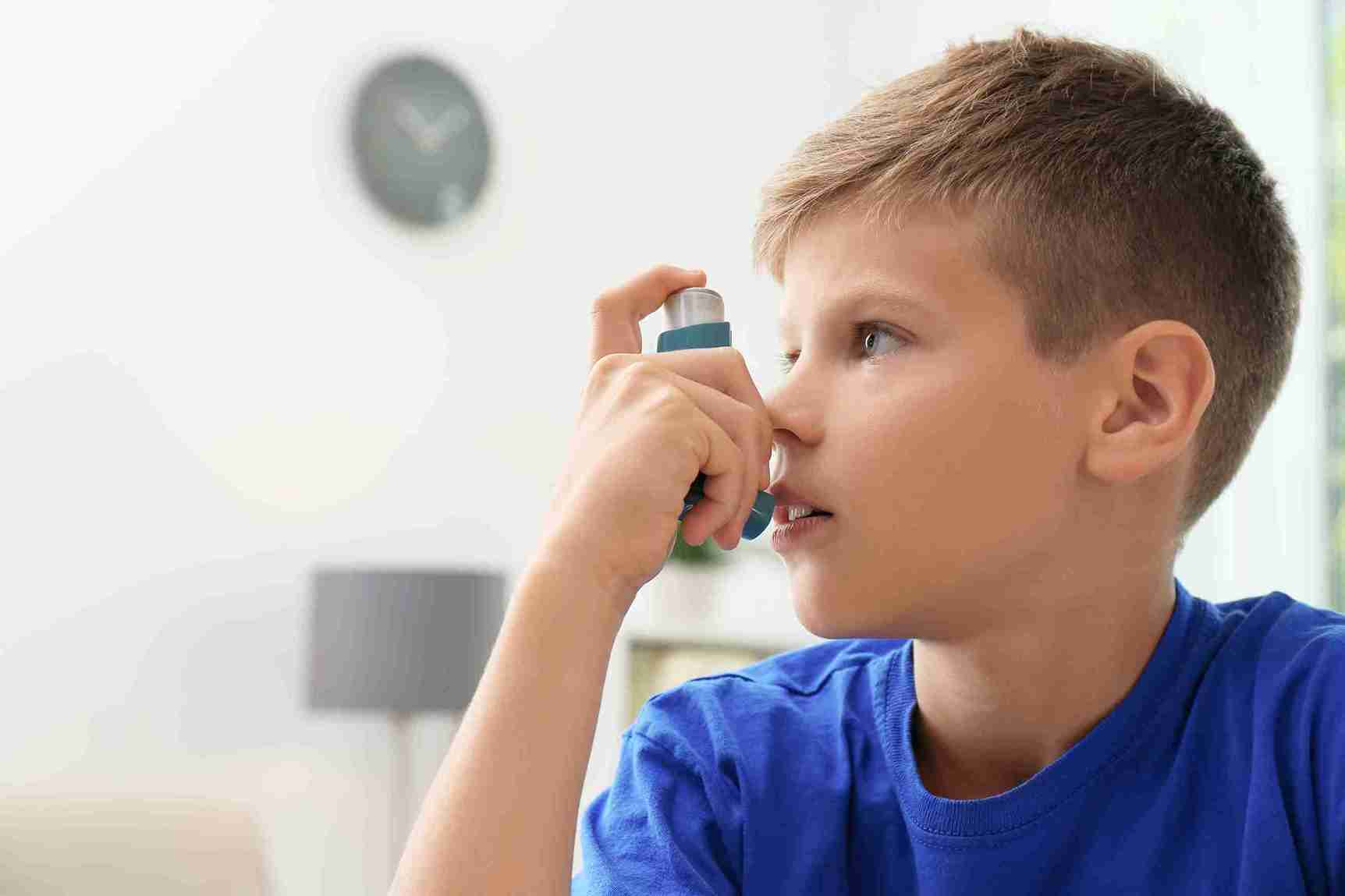
Not every child reacts to the same triggers. Over time, your doctor can help you identify your child's individual triggers and recommend practical ways to manage them without unnecessarily restricting normal activities.
Diagnosing asthma involves looking at the overall pattern of your child's symptoms rather than relying on a single test. Your doctor will ask when symptoms occur, how often they occur, and whether they are triggered by exercise, colds, or other factors.
The assessment may include:
A detailed medical history.
A physical examination.
Lung function tests, when appropriate for your child's age and ability.
Allergy testing in selected cases, if allergies are suspected to play a role.
Not every child needs extensive testing to begin assessment. In many cases, your doctor can make an initial diagnosis based on your child's symptoms, medical history and examination, with further tests recommended only if needed.
Many parents wonder why inhalers are recommended instead of syrups or tablets. The main advantage is that inhalers deliver the medicine directly to the lungs, where it is needed most. This allows the medicine to work quickly while using much smaller doses than medicines taken by mouth. Paediatricians may prescribe different types of inhalers depending on your child’s needs.
Some inhalers provide quick relief during asthma symptoms, while others are used regularly to reduce inflammation and help prevent future flare-ups. Using an inhaler correctly is just as important as using the right medicine. Your healthcare team will demonstrate the correct technique and may recommend a spacer device to help your child receive the full benefit of the treatment. Regular technique checks are also helpful, especially as children grow and become more independent in using their inhaler.
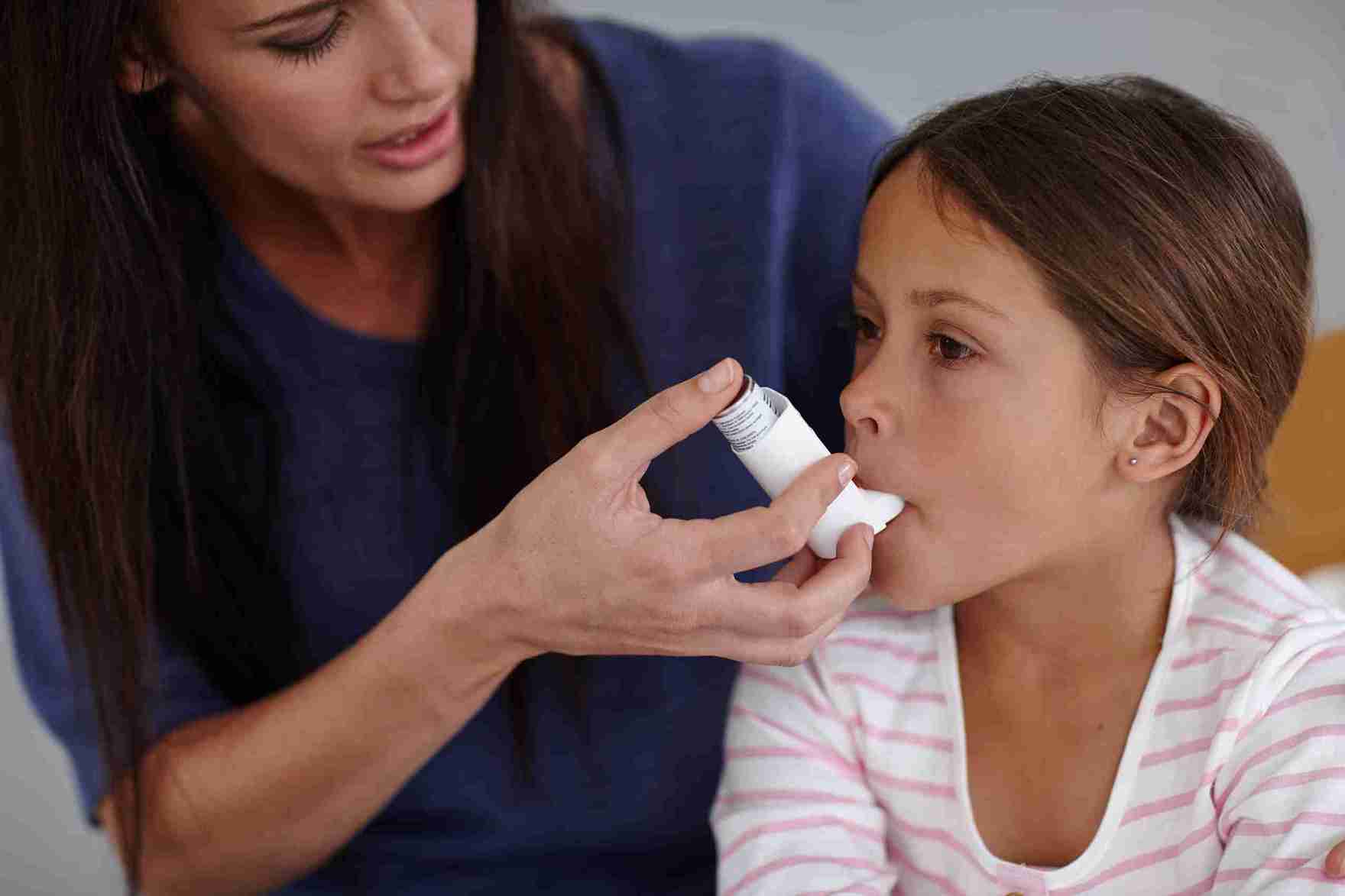
It's natural for parents to have questions about inhalers, especially when their child is prescribed one for the first time. Many worry about long-term use or whether the medicine is "too strong" for children.
The reassuring news is that asthma inhalers for kids have been studied extensively and are considered safe when used as prescribed. In fact, the risks of poorly controlled asthma, such as frequent flare-ups, missed school days and emergency visits, are often much greater than the risks associated with appropriate treatment. Different inhalers have different roles. Some provide quick relief during an asthma attack, while others are used every day to reduce inflammation and help prevent symptoms from developing. Your child's doctor will explain which inhaler to use, when to use it and how often.
An inhaler only works well when it's used correctly. That's why your healthcare team will demonstrate the proper technique and may recommend a spacer device. Regular technique checks are also useful to make sure your child continues to receive the full benefit of the medicine.
Most asthma symptoms improve with the treatment recommended by your doctor. However, some situations need prompt medical attention.
Seek urgent medical care if your child:
Is finding it difficult to breathe.
Cannot speak in full sentences because of breathlessness.
Has ribs pulling in while breathing.
Develops blue or grey lips or fingertips.
Doesn't improve after using their reliever inhaler as advised.
Has symptoms that continue to worsen despite treatment.
Acting early can help prevent a severe asthma attack and ensure your child receives the treatment they need without delay.
An asthma diagnosis doesn't mean your child has to miss out on the activities they enjoy. With good asthma control, most children can take part in school, sports and play just like their friends.
You can help your child manage asthma by:
Giving medicines exactly as prescribed.
Making sure they always know where their reliever inhaler is, if one has been prescribed.
Sharing their asthma action plan with teachers or caregivers.
Encouraging regular physical activity once their asthma is well controlled.
Attending follow-up appointments so the treatment plan can be reviewed as your child grows.
Helping children understand their condition in a positive, age-appropriate way also builds confidence.
Some children experience fewer asthma symptoms as they grow older, particularly if their asthma is mild. Others continue to have asthma into adolescence or adulthood, although the severity may change over time. Regular follow-ups are essential, even when symptoms seem to have improved.
Rather than stopping treatment on your own, always discuss any changes with your doctor. The treatment plan can be adjusted based on how well the asthma is controlled and your child's changing needs.

Asthma is a long-term condition, but it doesn't have to limit your child's life. With the right treatment, good inhaler technique and an understanding of their individual triggers, most children with asthma grow up leading active, healthy and confident lives.
Learning to recognise asthma symptoms in children, using inhalers correctly and seeking medical advice when symptoms change are the foundations of good asthma control. With regular follow-up and support from your healthcare team, your child can continue to enjoy school, sports and everyday adventures with confidence.
Want to consult the best pediatrician in India? Please find the links below

Common symptoms of asthma in children include a recurring cough, wheezing, shortness of breath, chest tightness and coughing during exercise or at night. These symptoms often come and go and may become more noticeable during colds or after exposure to certain triggers. If they keep returning, your child should be evaluated by a paediatrician.
Yes. When used as prescribed, asthma inhalers are considered safe for children and are an important part of asthma management. They deliver medicine directly to the lungs using much smaller doses than oral medicines. Your healthcare team will also ensure your child is using the inhaler correctly to achieve the best results.
Asthma attacks can be triggered by viral infections, dust mites, pollen, tobacco smoke, air pollution, exercise, cold air and other irritants. Every child has different triggers, so identifying the ones that affect your child is an important part of managing asthma effectively.
Some children experience fewer asthma symptoms as they grow older, while others continue to have asthma into adulthood. It's not possible to predict this with certainty, so regular medical follow-up is important. Your child's doctor can adjust their treatment plan as their symptoms and needs change.


 Best Gynecologists in Bellandur Best Gynecologists in Electronic City Best Gynecologists in HRBR LayoutBest Gynecologists in Jayanagar Best Gynecologists in Kanakapura RoadBest Gynecologists in Malleswaram Best Gynecologists in Nagarbhavi Best Gynecologists in Old Airport RoadBest Gynecologists in Sahakarnagar Best Gynecologists in Sarjapur RoadBest Gynecologists in ThanisandraBest Gynecologists in Varthur RoadBest Gynecologists in Whitefield Best Gynecologists in Industrial Area Phase IIBest Gynecologists in OMRBest Gynecologists in T NagarBest Gynecologists in New Industrial TownBest Gynecologists in IndirapuramBest Gynecologists in Golf Course RoadBest Gynecologists in Sector 14Best Gynecologists in Sector 47Best Gynecologists in Banjara HillsBest Gynecologists in GachibowliBest Gynecologists in Hitech CityBest Gynecologists in KompallyBest Gynecologists in Gomti NagarBest Gynecologists in MaladBest Gynecologists in NerulBest Gynecologists in VashiBest Gynecologists in Kailash ColonyBest Gynecologists in PatparganjBest Gynecologists in Punjabi BaghBest Gynecologists in VikaspuriBest Gynecologists in Gaur CityBest Gynecologists in Pari ChowkBest Gynecologists in Sector 51Best Gynecologists in Sector 5 Swastik ViharBest Gynecologists in Kalyani NagarBest Gynecologists in SB RoadBest Gynecologists in Pimple SaudagarBest Pediatricians in BellandurBest Pediatricians in Electronic CityBest Pediatricians in HRBR LayoutBest Pediatricians in JayanagarBest Pediatricians in Kanakapura RoadBest Pediatricians in MalleswaramBest Pediatricians in NagarbhaviBest Pediatricians in Old Airport RoadBest Pediatricians in SahakarnagarBest Pediatricians in Sarjapur RoadBest Pediatricians in ThanisandraBest Pediatricians in Varthur RoadBest Pediatricians in WhitefieldBest Pediatricians in Industrial Area Phase IIBest Pediatricians in OMRBest Pediatricians in T NagarBest Pediatricians in New Industrial TownshipBest Pediatricians in IndirapuramBest Pediatricians in Golf Course RoadBest Pediatricians in Sector 14Best Pediatricians in Sector 47Best Pediatricians in Hitech CityBest Pediatricians in Banjara HillsBest Pediatricians in GachibowliBest Pediatricians in KompallyBest Pediatricians in Gomti NagarBest Pediatricians in MaladBest Pediatricians in NerulBest Pediatricians in VashiBest Pediatricians in Kailash ColonyBest Pediatricians in PatparganjBest Pediatricians in Punjabi BaghBest Pediatricians in VikaspuriBest Pediatricians in Gaur CityBest Pediatricians in Pari ChowkBest Pediatricians in Sector 51Best Pediatricians in Sector 5 Swastik ViharBest Pediatricians in Kalyani NagarBest Pediatricians in SB RoadBest Pediatricians in Pimple Saudagar


