





A fever in a baby can be worrying, especially during periods when dengue cases are reported in Bangalore. But fever does not always mean dengue. Several common infections in babies can cause similar symptoms, which is why it is important to notice how your baby is feeding, behaving and responding along with the fever.
Dengue is a mosquito-borne viral infection that can affect people of any age, including babies. In infants, however, recognising it may be more difficult because they cannot tell you if they have a headache, body pain or other discomfort. Symptoms may also overlap with those of other childhood infections.
Most dengue infections are mild, but some can become more serious. Knowing what to watch for and seeking medical advice at the right time can help your baby receive appropriate care early.

Fever can be just one of the symptoms of dengue in babies. If your baby develops a fever along with poor feeding, unusual irritability, vomiting, a rash or a noticeable change in activity, speak to your paediatrician.
These symptoms can occur with dengue as well as many other infections. A clinical assessment and, when required, blood tests can help your doctor determine the cause.
Yes. Dengue fever in babies can occur when an infected Aedes mosquito bites an infant and transmits the dengue virus. The mosquitoes that spread dengue are mainly active during the day, although bites can occur at other times too. This makes mosquito protection important throughout the day, including when your baby is sleeping, playing or outdoors.
Dengue does not spread through routine contact such as holding, touching or caring for someone who has the infection. Preventing mosquito bites remains one of the most important ways to reduce your baby’s risk.
Dengue symptoms in infants can look similar to those of other common childhood infections. Since babies cannot tell you what they are feeling, changes in feeding, activity and behaviour can be important clues.
Symptoms may include:
● Fever
● Unusual irritability or fussiness
● Poor feeding
● Vomiting
● Rash
● Unusual sleepiness or reduced activity
Not every baby with dengue will have all these symptoms. If your baby has a fever and seems noticeably different from usual, speak to your paediatrician rather than trying to identify dengue based on symptoms alone.
Some symptoms need prompt medical assessment, particularly if your baby is becoming less responsive, feeding poorly or showing signs of dehydration.
Apart from what we discussed so far, seek immediate medical care if your baby also has:
● Unusual drowsiness, extreme irritability or difficulty waking
● Fewer wet nappies than usual
● Dry mouth or no tears when crying
● Bleeding from the nose or gums, or blood in vomit or stools
● Pale or cold skin, hands or feet
● Rapid or difficult breathing
Warning signs can sometimes appear as the fever begins to settle. Do not assume that your baby has fully recovered simply because the temperature has come down. If your baby’s condition worsens or you notice any of these signs, seek medical attention promptly.

Dengue cannot be confirmed from symptoms alone. Your paediatrician will examine your baby, ask about the symptoms and how long they have been present, and assess feeding, hydration and overall activity.
Blood tests may be recommended depending on your baby’s symptoms and the stage of illness. These can help confirm dengue and allow the doctor to monitor changes that may need closer attention. Not every baby with a fever needs a dengue test. Your paediatrician will decide whether testing is necessary based on the clinical assessment.
There is no specific antiviral medicine for dengue. Dengue treatment for babies mainly focuses on maintaining hydration, managing fever safely and watching closely for signs that the illness is becoming more serious.
Depending on your baby’s condition, care may include:
● Continuing breastfeeds or formula feeds as advised
● Giving fluids appropriate for your baby’s age
● Monitoring wet nappies and signs of dehydration
● Managing fever only with medicines recommended by your paediatrician
● Attending medical reviews when advised
Do not give any medicine to your baby without paediatric advice if dengue is suspected. Some medicines commonly used for pain or fever can increase the risk of bleeding in dengue and may not be appropriate for your baby.
Most babies with mild dengue can recover with appropriate supportive care and monitoring. If your baby’s condition worsens or requires closer monitoring, hospital care may be needed.
Babies can become dehydrated if fever, vomiting or poor feeding reduces their fluid intake. During dengue, keeping an eye on feeds and wet nappies can help you notice changes early.
If your baby is breastfed, continue breastfeeding frequently. If your baby takes formula or other age-appropriate fluids, follow your paediatrician’s advice on what and how much to offer. Do not give additional water or other fluids to a young baby unless your paediatrician recommends it.
Continue to watch your baby’s feeding and wet nappies for changes. If you are concerned that your baby is not getting enough fluids, seek medical advice promptly.
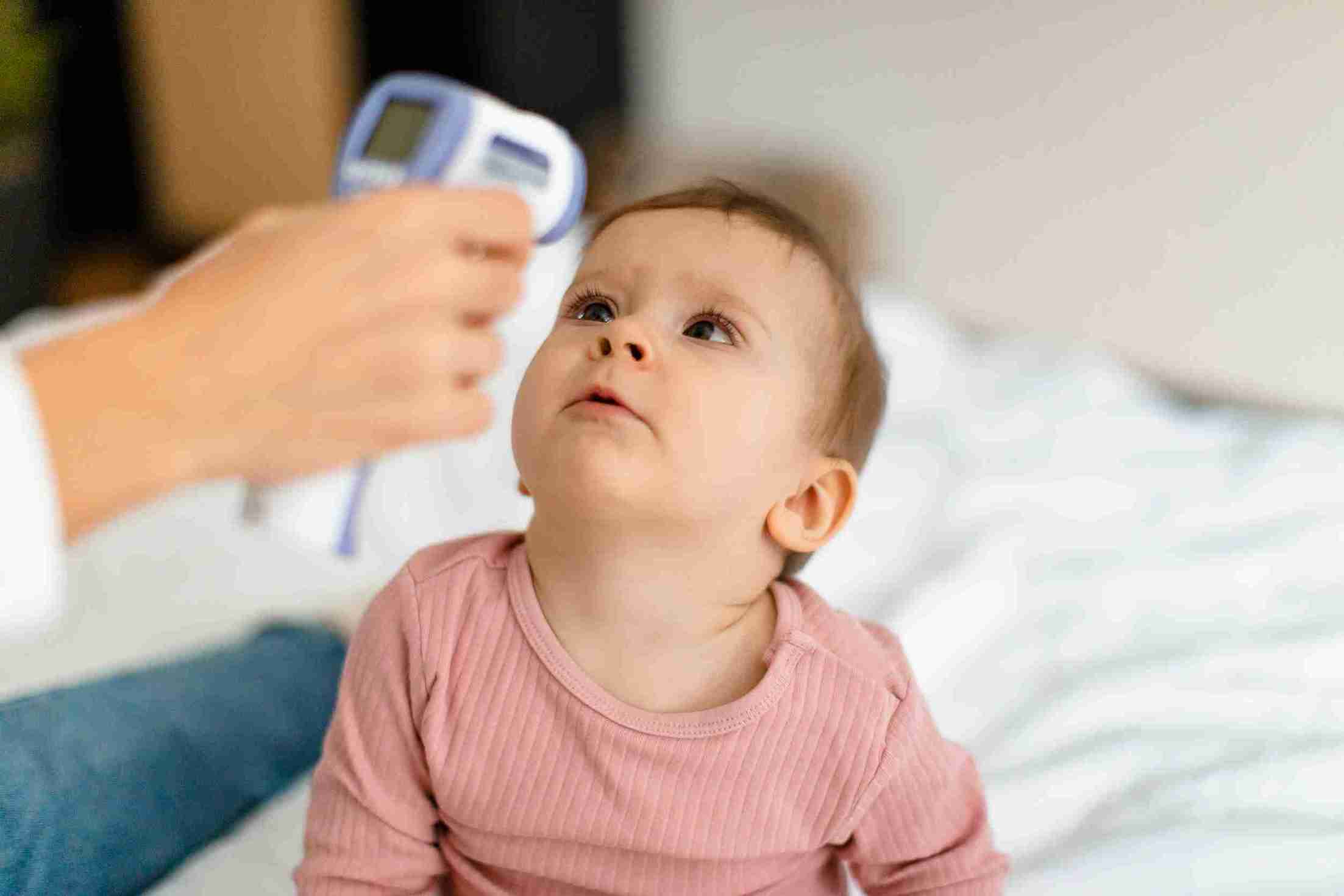
There is no single recovery timeline that applies to every baby. Dengue progresses through different phases, and how quickly a baby recovers depends on the severity of the infection and their overall condition.
A falling fever does not always mean the illness is over. In some cases, warning signs can develop around the time the fever begins to settle. Continue watching your baby’s feeding, activity, wet nappies and behaviour, and follow the monitoring or follow-up plan advised by your paediatrician.
As recovery progresses, your baby’s feeding and usual activity should gradually return. If your baby appears to be getting worse at any stage, seek medical attention rather than waiting for a particular number of days to pass.
Mosquito protection is especially important for babies. In Bangalore, where dengue can occur during and beyond the monsoon months, a few everyday precautions can help reduce exposure.
● Use mosquito netting over cots, prams and carriers, ensuring the net does not touch your baby’s face.
● Dress your baby in lightweight clothing that covers the arms and legs when practical.
● Use screens on windows and doors where possible.
● Empty standing water from buckets, plant trays, coolers and other containers around the home.
● Keep water-storage containers properly covered.
● Pay attention to mosquito protection during the daytime, too, as the mosquitoes that spread dengue are mainly active then.
Not every mosquito repellent is suitable for a baby. Recommendations vary according to the baby’s age and the product’s active ingredient. Check the product instructions carefully and speak to your paediatrician if you are unsure what is appropriate for your baby’s age. Never apply repellent to a baby’s hands, eyes, mouth, irritated skin or areas that may easily come into contact with the mouth.
For young infants, mosquito nets, protective clothing and reducing mosquito exposure around the home are particularly important.
A fever does not necessarily mean your baby has dengue. What matters is noticing whether it is accompanied by meaningful changes in feeding, activity, hydration or behaviour. Keep an eye on the warning signs discussed above and seek medical advice if your baby’s condition changes or concerns you. Timely assessment can help ensure your baby receives the care they need.


The first signs of dengue in babies may include fever, unusual irritability, poor feeding, vomiting, rash or reduced activity. These symptoms can also occur with other childhood infections, so dengue cannot be identified from symptoms alone. If your baby develops a fever and seems noticeably different from usual, speak to your paediatrician.
Seek immediate medical care if your baby has persistent vomiting, refuses feeds, becomes unusually sleepy or difficult to wake, has fewer wet nappies, develops bleeding, has difficulty breathing or shows signs of dehydration. Warning signs can sometimes develop as the fever begins to settle, so any noticeable worsening should be assessed promptly.
Yes. Most babies with dengue recover completely with appropriate care and monitoring. Recovery varies depending on the severity of the infection. Following your paediatrician’s advice, maintaining appropriate feeding and hydration, and watching for warning signs are important throughout the illness.
Use mosquito netting over your baby’s cot, pram or carrier, dress them in clothing that covers the arms and legs when practical, use window and door screens, and remove standing water around your home. If considering mosquito repellent, check whether the product is suitable for your baby’s age and follow the instructions carefully.


 Best Gynecologists in Bellandur Best Gynecologists in Electronic City Best Gynecologists in HRBR LayoutBest Gynecologists in Jayanagar Best Gynecologists in Kanakapura RoadBest Gynecologists in Malleswaram Best Gynecologists in Nagarbhavi Best Gynecologists in Old Airport RoadBest Gynecologists in Sahakarnagar Best Gynecologists in Sarjapur RoadBest Gynecologists in ThanisandraBest Gynecologists in Varthur RoadBest Gynecologists in Whitefield Best Gynecologists in Industrial Area Phase IIBest Gynecologists in OMRBest Gynecologists in T NagarBest Gynecologists in New Industrial TownBest Gynecologists in IndirapuramBest Gynecologists in Golf Course RoadBest Gynecologists in Sector 14Best Gynecologists in Sector 47Best Gynecologists in Banjara HillsBest Gynecologists in GachibowliBest Gynecologists in Hitech CityBest Gynecologists in KompallyBest Gynecologists in Gomti NagarBest Gynecologists in MaladBest Gynecologists in NerulBest Gynecologists in VashiBest Gynecologists in Kailash ColonyBest Gynecologists in PatparganjBest Gynecologists in Punjabi BaghBest Gynecologists in VikaspuriBest Gynecologists in Gaur CityBest Gynecologists in Pari ChowkBest Gynecologists in Sector 51Best Gynecologists in Sector 5 Swastik ViharBest Gynecologists in Kalyani NagarBest Gynecologists in SB RoadBest Gynecologists in Pimple SaudagarBest Pediatricians in BellandurBest Pediatricians in Electronic CityBest Pediatricians in HRBR LayoutBest Pediatricians in JayanagarBest Pediatricians in Kanakapura RoadBest Pediatricians in MalleswaramBest Pediatricians in NagarbhaviBest Pediatricians in Old Airport RoadBest Pediatricians in SahakarnagarBest Pediatricians in Sarjapur RoadBest Pediatricians in ThanisandraBest Pediatricians in Varthur RoadBest Pediatricians in WhitefieldBest Pediatricians in Industrial Area Phase IIBest Pediatricians in OMRBest Pediatricians in T NagarBest Pediatricians in New Industrial TownshipBest Pediatricians in IndirapuramBest Pediatricians in Golf Course RoadBest Pediatricians in Sector 14Best Pediatricians in Sector 47Best Pediatricians in Hitech CityBest Pediatricians in Banjara HillsBest Pediatricians in GachibowliBest Pediatricians in KompallyBest Pediatricians in Gomti NagarBest Pediatricians in MaladBest Pediatricians in NerulBest Pediatricians in VashiBest Pediatricians in Kailash ColonyBest Pediatricians in PatparganjBest Pediatricians in Punjabi BaghBest Pediatricians in VikaspuriBest Pediatricians in Gaur CityBest Pediatricians in Pari ChowkBest Pediatricians in Sector 51Best Pediatricians in Sector 5 Swastik ViharBest Pediatricians in Kalyani NagarBest Pediatricians in SB RoadBest Pediatricians in Pimple Saudagar


