





“Why do I need an inhaler when my friends don’t?”
Your child may ask this at home, before school or after someone notices their inhaler. At 6-9 years, children are old enough to notice these differences and ask questions, but complicated or frightening explanations can create unnecessary worry.
Talking openly about asthma in children can help your child understand what is happening and feel more comfortable asking for help. You don’t need to explain everything at once. Start with what they want to know, use words they understand and give them space to ask questions.

Before explaining asthma, ask what your child thinks it means. They may have formed their own ideas from symptoms, doctor visits or conversations they have heard.
Try asking: “What do you think happens when your asthma bothers you?”
Listen before correcting them. Their answer gives you a natural starting point to build on what they already understand.
Children this age do not need a detailed explanation of what happens inside the lungs. You can connect asthma to something your child already knows, such as how their breathing feels at times. Explain that the airways can become tight, which makes breathing harder, and that their medicine helps them breathe more comfortably.
That may be enough for now. If your child wants to know more, answer their questions as they come. There is no need to go into frightening possibilities or make them feel that something is wrong with their lungs.
Coughing, wheezing, chest tightness and shortness of breath are common asthma symptoms in children. Help your child become familiar with the signs they usually experience rather than asking them to watch for every possible symptom. The aim is simply to help them put what they are feeling into words, without making them constantly monitor every cough or change in breathing.
Dust, smoke, pollen, respiratory infections or weather changes may trigger asthma symptoms in some children. Instead of giving your child a long list of things to avoid, help them understand what affects their asthma. A simple question such as “Have you noticed when your asthma usually bothers you?” can make the conversation more relevant. Exercise can trigger symptoms in some children, but it should not automatically be considered harmful.
Asthma does not necessarily mean giving up running, sports or other activities your child enjoys. With appropriate asthma management in children, many can remain physically active. If symptoms regularly occur during or after exercise, discuss them with your child’s doctor so their asthma plan can account for physical activity.
Keep the message positive: “Asthma doesn’t mean you have to stop playing. We just need to know what helps you stay comfortable and active.”
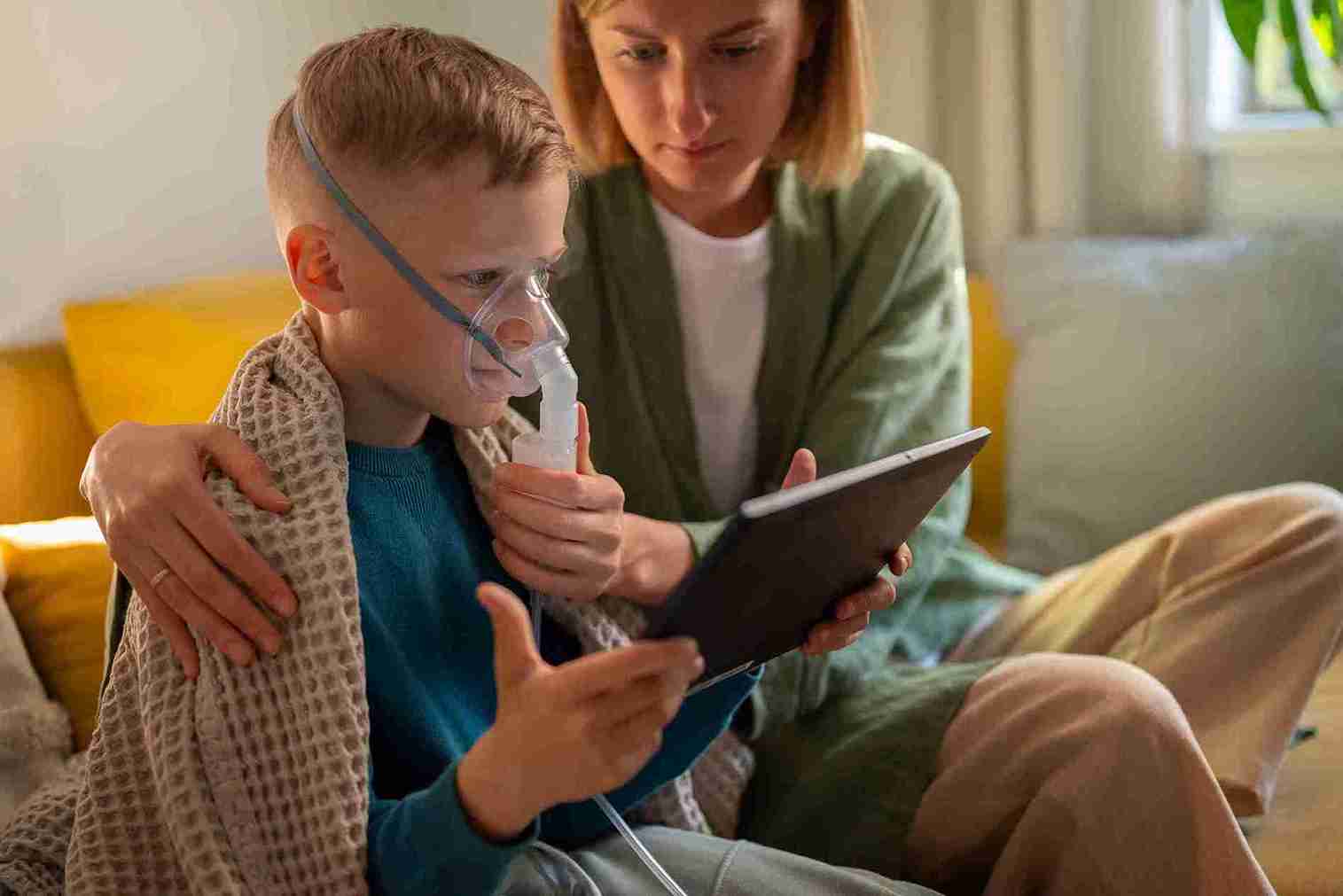
Some children are comfortable using an inhaler at home but feel awkward when friends are around. Rather than treating it as something unusual, explain its purpose simply: “Your inhaler is medicine that helps your breathing when you need it.”
Let your child practise using it at home, with the method recommended by their healthcare team. Regular practice can make using the inhaler feel more familiar. If they are reluctant to use it in front of others, ask them what they are uncomfortable with, rather than assuming they dislike the inhaler itself.
At 6-9 years, your child can begin participating in their asthma care. They can tell an adult when something feels wrong, know where their inhaler is kept and answer simple questions during doctor visits.
But managing asthma is still an adult responsibility. Involving your child should help them feel informed and capable, not responsible for preventing or handling an asthma episode alone.
Your child does not need to remember a long list of instructions. Tell them to notify an adult if they experience difficulty breathing. For parents, what happens next should follow your child's individual asthma action plan and the guidance provided by their doctor. This keeps the child informed without expecting them to make medical decisions themselves.
Ask your child, “Who would you tell if your asthma bothered you at school?” Knowing the answer can make situations away from home less uncertain. Relevant school staff should be aware of your child's asthma, and their medicines should be accessible in accordance with their care plan and school policy.
If your child feels embarrassed about classmates noticing, listen to what specifically worries them. By working with the school, you can find a solution that addresses their health needs without making them feel singled out.
Your child may feel frustrated about medicines, doctor visits, or simply having something their friends do not. Instead of immediately saying, “Don't worry,” ask what is bothering them. Sometimes, being heard is more reassuring than receiving another explanation. Answer their questions honestly and remind them that your family and healthcare team will help them manage asthma.
A six-year-old may be satisfied with a simple explanation of asthma. By eight or nine, they may start asking why they have it or whether it will go away.
You do not need to anticipate every question. Add more information as their understanding develops, and be honest when there is no simple answer. Asthma can also change as children grow, so avoid promising that they will “grow out of it”.

For a child aged 6-9 years, understanding asthma can develop gradually through everyday conversations. They do not need every detail at once; clear answers and reassurance can help asthma feel less confusing or frightening.
What matters is that your child feels comfortable talking about asthma, asking questions and knowing that it does not have to define their everyday life.

Use simple words and relate the explanation to what your child has experienced. Tell them that asthma can sometimes make breathing harder and that their medicines and care plan are there to help.
Asthma can change as children grow. Some may have fewer symptoms over time, while others continue to have asthma. Regular medical reviews help determine how your child's condition and care needs are changing.
Common triggers can include dust, smoke, pollen, respiratory infections, weather changes and certain allergens. Triggers vary between children, so identifying your child's own patterns is more useful than assuming every possible trigger affects them.
Make inhaler use feel like a normal part of looking after their health. Practising at home, answering questions without judgement and addressing any embarrassment they express can help build confidence.


 Best Gynecologists in Bellandur Best Gynecologists in Electronic City Best Gynecologists in HRBR LayoutBest Gynecologists in Jayanagar Best Gynecologists in Kanakapura RoadBest Gynecologists in Malleswaram Best Gynecologists in Nagarbhavi Best Gynecologists in Old Airport RoadBest Gynecologists in Sahakarnagar Best Gynecologists in Sarjapur RoadBest Gynecologists in ThanisandraBest Gynecologists in Varthur RoadBest Gynecologists in Whitefield Best Gynecologists in Industrial Area Phase IIBest Gynecologists in OMRBest Gynecologists in T NagarBest Gynecologists in New Industrial TownBest Gynecologists in IndirapuramBest Gynecologists in Golf Course RoadBest Gynecologists in Sector 14Best Gynecologists in Sector 47Best Gynecologists in Banjara HillsBest Gynecologists in GachibowliBest Gynecologists in Hitech CityBest Gynecologists in KompallyBest Gynecologists in Gomti NagarBest Gynecologists in MaladBest Gynecologists in NerulBest Gynecologists in VashiBest Gynecologists in Kailash ColonyBest Gynecologists in PatparganjBest Gynecologists in Punjabi BaghBest Gynecologists in VikaspuriBest Gynecologists in Gaur CityBest Gynecologists in Pari ChowkBest Gynecologists in Sector 51Best Gynecologists in Sector 5 Swastik ViharBest Gynecologists in Kalyani NagarBest Gynecologists in SB RoadBest Gynecologists in Pimple SaudagarBest Pediatricians in BellandurBest Pediatricians in Electronic CityBest Pediatricians in HRBR LayoutBest Pediatricians in JayanagarBest Pediatricians in Kanakapura RoadBest Pediatricians in MalleswaramBest Pediatricians in NagarbhaviBest Pediatricians in Old Airport RoadBest Pediatricians in SahakarnagarBest Pediatricians in Sarjapur RoadBest Pediatricians in ThanisandraBest Pediatricians in Varthur RoadBest Pediatricians in WhitefieldBest Pediatricians in Industrial Area Phase IIBest Pediatricians in OMRBest Pediatricians in T NagarBest Pediatricians in New Industrial TownshipBest Pediatricians in IndirapuramBest Pediatricians in Golf Course RoadBest Pediatricians in Sector 14Best Pediatricians in Sector 47Best Pediatricians in Hitech CityBest Pediatricians in Banjara HillsBest Pediatricians in GachibowliBest Pediatricians in KompallyBest Pediatricians in Gomti NagarBest Pediatricians in MaladBest Pediatricians in NerulBest Pediatricians in VashiBest Pediatricians in Kailash ColonyBest Pediatricians in PatparganjBest Pediatricians in Punjabi BaghBest Pediatricians in VikaspuriBest Pediatricians in Gaur CityBest Pediatricians in Pari ChowkBest Pediatricians in Sector 51Best Pediatricians in Sector 5 Swastik ViharBest Pediatricians in Kalyani NagarBest Pediatricians in SB RoadBest Pediatricians in Pimple Saudagar


