Pregnancy can make everyday food choices feel surprisingly complicated. A vegetable you have eaten for years may suddenly come with questions: Is it safe? Should it be cooked? Can it affect the baby? With so many pregnancy food myths around, it is easy to wonder which vegetables belong on your plate.
The simple answer is that most fresh vegetables are completely safe for pregnant women. In most cases, the question comes down to washing, cooking, and proper storage of vegetables rather than the product itself. Some foods, like raw sprouts, should be avoided, whereas individual dietary restrictions may apply based on your health.

If you are wondering about any vegetables to avoid during pregnancy, the answer is usually no for ordinary, properly prepared vegetables. Fresh vegetables can provide fibre, vitamins, minerals and other nutrients that support a balanced pregnancy diet. The main concern is food safety. Produce that has not been washed properly may carry soil, bacteria or other contaminants, while some raw foods have a higher risk of contamination.
Pregnancy is therefore not a reason to avoid vegetables during pregnancy altogether. Instead, focus on choosing fresh produce and handling it safely.
Raw sprouts need special attention because bacteria may develop during germination, and washing alone may not remove them.
Some examples are:
Pregnant women should avoid eating raw or lightly cooked sprouts. Thorough cooking can reduce the risk.
Leafy greens, salad vegetables and produce eaten raw should be washed carefully. Vegetables can become contaminated with soil or harmful microorganisms before they reach your kitchen.
A raw vegetable is not automatically unsafe. However, salads or cut vegetables from places where hygiene, washing or refrigeration is uncertain may carry greater food-safety concerns.
Women with gestational diabetes may need to consider portions and the overall carbohydrate content of meals. Those with hypertension, oedema or excessive weight gain may benefit from limiting very salty, packaged or heavily fried preparations.
Food safety becomes particularly important during pregnancy because certain foodborne infections can have more serious consequences for the pregnant woman and developing baby. These can include:
This is why knowing during pregnancy which vegetables to avoid is less important than knowing how to prepare and handle vegetables safely.
A few simple kitchen habits can make vegetables safer to enjoy:
You do not need to remove vegetables from your pregnancy diet because of common food myths. Many everyday vegetables can be included when washed and prepared safely, such as:
A varied selection is preferable to relying heavily on one vegetable.

No. Raw vegetables are not automatically unsafe during pregnancy. The important considerations are freshness, washing, handling, storage and the source of the produce.
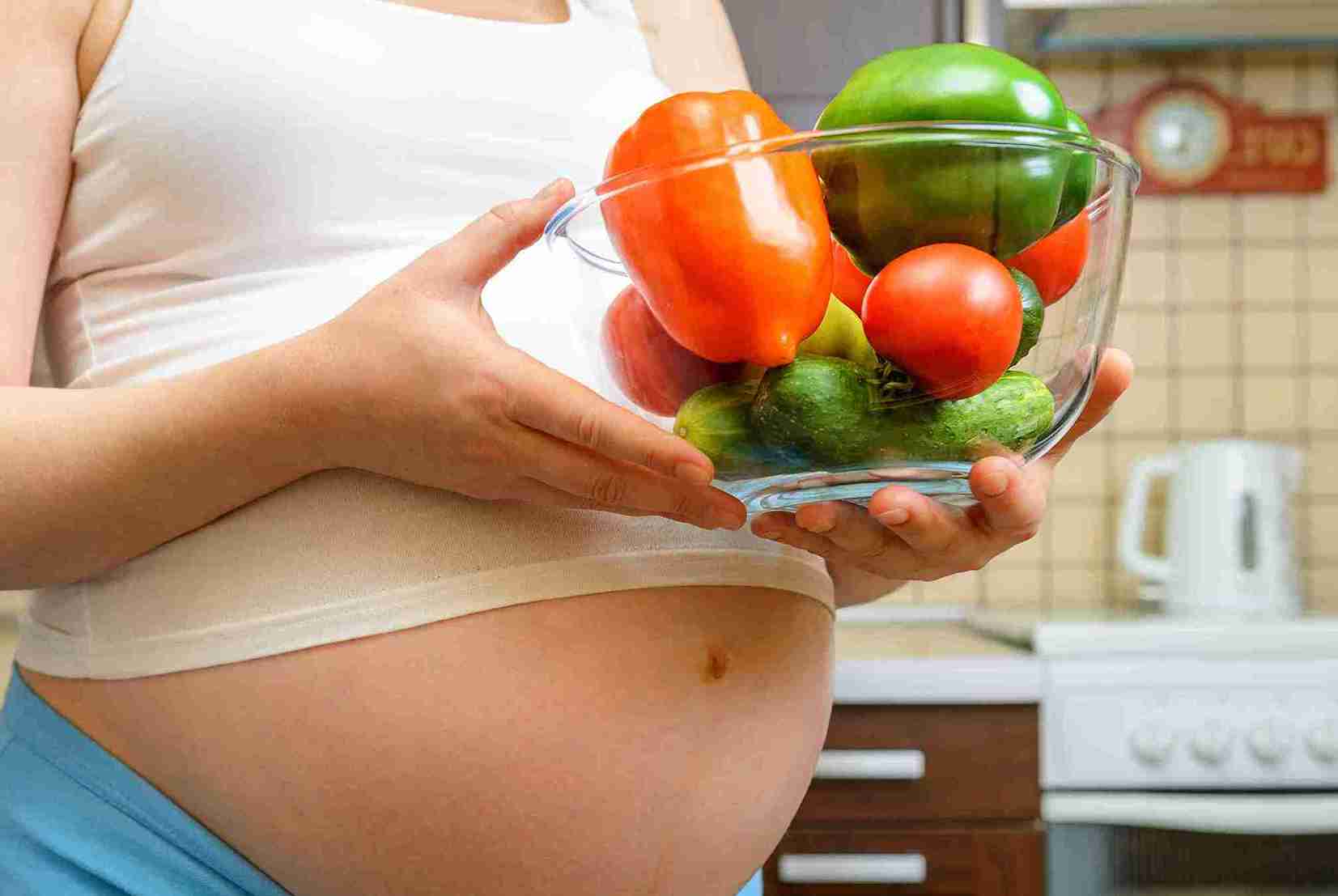
For example, cucumber, tomato, carrot and bell pepper may be eaten raw when properly washed and prepared hygienically. If you are eating a salad outside the home, however, you may not know how the vegetables were washed, cut or stored. In such situations, choosing freshly cooked vegetables may be a safer option.
Let's debunk some of the most common myths about vegetables you should avoid during pregnancy:
Myth: All “hot” vegetables should be avoided.
Fact: Traditional descriptions such as “hot” or “cold” foods are not the same as evidence-based medical recommendations. A vegetable should not be excluded solely because it is traditionally considered “hot.”
Myth: A particular vegetable automatically causes miscarriage.
Fact: No commonly eaten vegetable has been shown to cause miscarriage when consumed in normal dietary amounts. However, contaminated food, unsafe herbal products and excessive use of concentrated preparations may pose risks.
Myth: More vegetables are always better.
Fact: A balanced and varied diet is more important than eating excessive amounts of one food.
Personalised dietary advice may be useful if you have gestational diabetes, food allergies, significant digestive symptoms, a medically restricted diet or other pregnancy-related nutritional concerns. Your obstetrician or dietitian can help you understand which foods and portions are appropriate for your individual needs.
At Cloudnine, pregnancy care goes beyond routine check-ups. Obstetricians and nutrition experts can help women make practical food choices based on their stage of pregnancy, nutritional requirements and individual health needs. You can receive personalised guidance that considers your overall health, pregnancy progress and dietary preferences. This integrated approach can make everyday decisions about food feel simpler and more reassuring.
Pregnant women should make well-informed, practical decisions about which products to eat in order to ensure their safety and provide their bodies with a balanced diet. Washing vegetables carefully, avoiding eating raw sprouts, choosing quality food products, and proper storage of vegetables can help ensure safety without unnecessary restrictions. With the right preparation and medical guidance when needed, vegetables can be an important and enjoyable part of your pregnancy diet.

Want to consult the Best Gynecologists in India? Please find the links below.
Want to consult the Best Maternity Packages in India? Please find the links below.

Yes, tomatoes can be eaten during pregnancy. Wash them thoroughly before eating them raw, or include them cooked in meals.
There is no single potato variety that is medically required during pregnancy. Regular potatoes and sweet potatoes can both be included when properly cooked. Sweet potatoes also provide fibre and beta-carotene.
Pumpkin provides nutrients such as fibre, potassium and beta-carotene. Including it as part of a varied diet can add nutritional value to pregnancy meals.
Moderate consumption of garlic does not pose a threat to health during pregnancy. But if you take garlic supplements or consume garlic in excessive amounts, you should consult a doctor, especially if you take any medication or have a specific health condition.







 Best Gynecologists in Bellandur Best Gynecologists in Electronic City Best Gynecologists in HRBR LayoutBest Gynecologists in Jayanagar Best Gynecologists in Kanakapura RoadBest Gynecologists in Malleswaram Best Gynecologists in Nagarbhavi Best Gynecologists in Old Airport RoadBest Gynecologists in Sahakarnagar Best Gynecologists in Sarjapur RoadBest Gynecologists in ThanisandraBest Gynecologists in Varthur RoadBest Gynecologists in Whitefield Best Gynecologists in Industrial Area Phase IIBest Gynecologists in OMRBest Gynecologists in T NagarBest Gynecologists in New Industrial TownBest Gynecologists in IndirapuramBest Gynecologists in Golf Course RoadBest Gynecologists in Sector 14Best Gynecologists in Sector 47Best Gynecologists in Banjara HillsBest Gynecologists in GachibowliBest Gynecologists in Hitech CityBest Gynecologists in KompallyBest Gynecologists in Gomti NagarBest Gynecologists in MaladBest Gynecologists in NerulBest Gynecologists in VashiBest Gynecologists in Kailash ColonyBest Gynecologists in PatparganjBest Gynecologists in Punjabi BaghBest Gynecologists in VikaspuriBest Gynecologists in Gaur CityBest Gynecologists in Pari ChowkBest Gynecologists in Sector 51Best Gynecologists in Sector 5 Swastik ViharBest Gynecologists in Kalyani NagarBest Gynecologists in SB RoadBest Gynecologists in Pimple SaudagarBest Pediatricians in BellandurBest Pediatricians in Electronic CityBest Pediatricians in HRBR LayoutBest Pediatricians in JayanagarBest Pediatricians in Kanakapura RoadBest Pediatricians in MalleswaramBest Pediatricians in NagarbhaviBest Pediatricians in Old Airport RoadBest Pediatricians in SahakarnagarBest Pediatricians in Sarjapur RoadBest Pediatricians in ThanisandraBest Pediatricians in Varthur RoadBest Pediatricians in WhitefieldBest Pediatricians in Industrial Area Phase IIBest Pediatricians in OMRBest Pediatricians in T NagarBest Pediatricians in New Industrial TownshipBest Pediatricians in IndirapuramBest Pediatricians in Golf Course RoadBest Pediatricians in Sector 14Best Pediatricians in Sector 47Best Pediatricians in Hitech CityBest Pediatricians in Banjara HillsBest Pediatricians in GachibowliBest Pediatricians in KompallyBest Pediatricians in Gomti NagarBest Pediatricians in MaladBest Pediatricians in NerulBest Pediatricians in VashiBest Pediatricians in Kailash ColonyBest Pediatricians in PatparganjBest Pediatricians in Punjabi BaghBest Pediatricians in VikaspuriBest Pediatricians in Gaur CityBest Pediatricians in Pari ChowkBest Pediatricians in Sector 51Best Pediatricians in Sector 5 Swastik ViharBest Pediatricians in Kalyani NagarBest Pediatricians in SB RoadBest Pediatricians in Pimple Saudagar