
Vaginal pH is an important aspect that many women are not aware of. The vagina needs to maintain a balanced environment. A pH of 7 is neutral; values above are alkaline and below are acidic. A healthy vaginal pH is somewhere between 3.8 and 4.5, meaning it is mildly acidic. This acidity is the body’s way of keeping harmful bacteria and yeast at bay.
When there is a vaginal pH imbalance, the possibility of infections is higher. Knowing what disrupts pH, the signs, and how to maintain vaginal health is practical knowledge every woman should have.
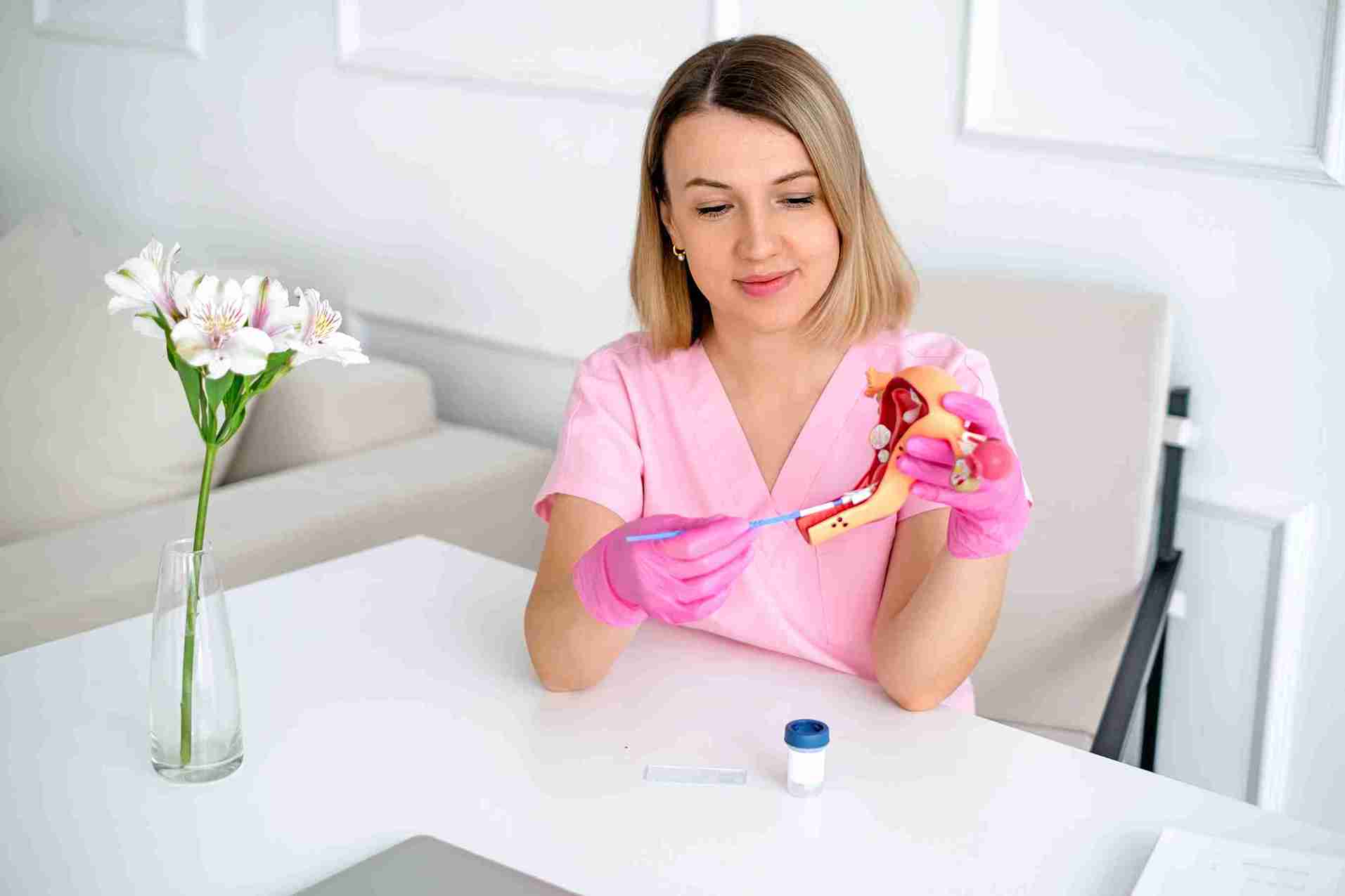
There is a direct link between vaginal pH and infections. When the vaginal pH is high, the body may be at increased risk of infections such as Bacterial Vaginosis (BV), yeast infections, or sexually transmitted infections (STIs). During pregnancy, any changes in vaginal pH may increase the risk of preterm birth.
During the reproductive years, a pH between 3.8 and 4.5 is healthy. During menstruation, the vaginal pH temporarily rises because blood has a pH of around 7.4. This is why BV and yeast infections are more common at this time. During pregnancy, vaginal pH tends to be lower and more protective, as disruptions during pregnancy carry additional risk. During perimenopause and menopause, as estrogen levels fall, Lactobacillus populations decrease, and the pH rises to about 5- 6. This is why postmenopausal women often get vaginal dryness, discomfort, and recurrent infections.
Washing inside the vagina with water, soap, or commercial vaginal washes flushes out protective Lactobacillus bacteria and raises pH. The vagina cleans itself and does not need to be washed internally.
Washing the external vulvar area with heavily scented soaps or intimate hygiene washes can alter the pH around the vaginal opening.
Antibiotics kill bacteria without distinction. A course of antibiotics for any infection can temporarily disrupt vaginal flora and raise pH. BV or yeast infections after antibiotics are very common for this reason.
Blood temporarily raises vaginal pH. Using menstrual products and changing them regularly reduces the duration of this exposure.
Semen has a pH of around 7.1 to 8. Unprotected sex temporarily raises vaginal pH. In most women with healthy flora, this settles within hours. In women already prone to BV, it can trigger an episode.
A new partner exposes the vagina to a different microbiome, which can temporarily alter vaginal pH.
Menopause, hormonal contraceptives, and pregnancy all affect estrogen levels and vaginal pH.
Chronic stress affects the immune system and can alter the vaginal microbiome. This is a recognised contributor to recurrent vaginal infections in women under sustained stress.

The vagina does not always signal clearly that pH has shifted, but certain symptoms suggest something is out of balance:
An unusual or fishy smell, especially after sex or during menstruation, is a classic sign of BV.
Grey or white discharge with a thin, watery texture.
Itching or irritation inside or around the vagina.
A burning feeling, especially when urinating.
Cottage cheese-like white discharge with significant itching, more typical of a yeast infection.
Use plain water or a mild, unscented soap on the vulva only, the external folds. Never wash inside the vagina.
Scented pads, perfumed wipes, douches, and intimate sprays all disrupt pH. Switch to unscented options.
Change pads or tampons every 4-6 hours during the day to limit the contact between blood and the vagina.
Condoms reduce the alkalising effect of semen on vaginal pH and protect against sexually transmitted infections that disrupt vaginal health further.
Synthetic fabrics trap moisture and heat, which are conditions that favour bacterial and yeast overgrowth. Loose cotton keeps the area drier.
Curd provides Lactobacillus bacteria to your body. While there is limited direct evidence that diet changes vaginal pH, maintaining a healthy gut can indirectly support vaginal pH balance.
If a course of antibiotics is unavoidable, taking a Lactobacillus probiotic during and after the course helps restore vaginal pH faster.
If BV or yeast infections keep returning, the pattern needs proper assessment. Repeatedly using over-the-counter antifungals without a proper diagnosis does not provide lasting results.
Home pH test strips are available at some pharmacies and online. A strip is held against the vaginal wall, and the colour change shows the pH. A pH above 4.5 suggests bacterial vaginosis rather than a yeast infection and can help decide whether to see a doctor. But a test strip does not replace a clinical check. Discharge that smells unusual, is different in colour or texture, or comes with itching, pain, or fever should be assessed by a gynaecologist with a proper examination and swab.

Vaginal pH is easy to overlook but important to protect. The acidic environment it creates is the vagina's primary defence against infections, and it is disrupted by things as common as soap, sex, antibiotics, and stress. Simple habits, like avoiding internal washing, wearing cotton, using condoms, and seeing a doctor when infections keep coming back, go a long way. The vagina largely takes care of itself when it is left to do so.
Want to consult the best gynecologists in India? Please find the links below.
Want to consult the best Maternity Packages in India? Please find the links below.

Signs of vaginal pH imbalance include an unusual or fishy odour, a change in discharge, itching, burning, or irritation. A home pH test strip can indicate whether the pH is above 4.5, which points more toward bacterial vaginosis than a yeast infection. Any new, persistent, or unusual symptoms should be assessed by a gynaecologist rather than self-treated, since different infections need different treatments.
Indirectly, yes. Chronic stress reduces immune function and can alter the vaginal microbiome, thereby lowering protective Lactobacillus levels and allowing other organisms to grow. This increases vaginal pH. Women who notice recurrent infections during periods of high stress are likely experiencing this effect. Sustained psychological stress is one of the causes of vaginal pH imbalance.
Yes. Blood has a pH of around 7.4, which is much more alkaline than the healthy vaginal range of 3.8 to 4.5. During a period, vaginal pH rises temporarily, which is one reason BV and yeast infections occur more around menstruation. Changing pads or tampons every 4-6 hours limits this disruption. It is one of the simplest vaginal health tips for reducing infection risk during and just after a period.
Yes. Semen has a pH of around 7.1 to 8, which is much more alkaline than the vagina. Unprotected sex temporarily raises vaginal pH, which in some women triggers bacterial vaginosis. Vaginal pH and infections are linked through this mechanism.







 Best Gynecologists in Bellandur Best Gynecologists in Electronic City Best Gynecologists in HRBR LayoutBest Gynecologists in Jayanagar Best Gynecologists in Kanakapura RoadBest Gynecologists in Malleswaram Best Gynecologists in Nagarbhavi Best Gynecologists in Old Airport RoadBest Gynecologists in Sahakarnagar Best Gynecologists in Sarjapur RoadBest Gynecologists in ThanisandraBest Gynecologists in Varthur RoadBest Gynecologists in Whitefield Best Gynecologists in Industrial Area Phase IIBest Gynecologists in OMRBest Gynecologists in T NagarBest Gynecologists in New Industrial TownBest Gynecologists in IndirapuramBest Gynecologists in Golf Course RoadBest Gynecologists in Sector 14Best Gynecologists in Sector 47Best Gynecologists in Banjara HillsBest Gynecologists in GachibowliBest Gynecologists in Hitech CityBest Gynecologists in KompallyBest Gynecologists in Gomti NagarBest Gynecologists in MaladBest Gynecologists in NerulBest Gynecologists in VashiBest Gynecologists in Kailash ColonyBest Gynecologists in PatparganjBest Gynecologists in Punjabi BaghBest Gynecologists in VikaspuriBest Gynecologists in Gaur CityBest Gynecologists in Pari ChowkBest Gynecologists in Sector 51Best Gynecologists in Sector 5 Swastik ViharBest Gynecologists in Kalyani NagarBest Gynecologists in SB RoadBest Gynecologists in Pimple SaudagarBest Pediatricians in BellandurBest Pediatricians in Electronic CityBest Pediatricians in HRBR LayoutBest Pediatricians in JayanagarBest Pediatricians in Kanakapura RoadBest Pediatricians in MalleswaramBest Pediatricians in NagarbhaviBest Pediatricians in Old Airport RoadBest Pediatricians in SahakarnagarBest Pediatricians in Sarjapur RoadBest Pediatricians in ThanisandraBest Pediatricians in Varthur RoadBest Pediatricians in WhitefieldBest Pediatricians in Industrial Area Phase IIBest Pediatricians in OMRBest Pediatricians in T NagarBest Pediatricians in New Industrial TownshipBest Pediatricians in IndirapuramBest Pediatricians in Golf Course RoadBest Pediatricians in Sector 14Best Pediatricians in Sector 47Best Pediatricians in Hitech CityBest Pediatricians in Banjara HillsBest Pediatricians in GachibowliBest Pediatricians in KompallyBest Pediatricians in Gomti NagarBest Pediatricians in MaladBest Pediatricians in NerulBest Pediatricians in VashiBest Pediatricians in Kailash ColonyBest Pediatricians in PatparganjBest Pediatricians in Punjabi BaghBest Pediatricians in VikaspuriBest Pediatricians in Gaur CityBest Pediatricians in Pari ChowkBest Pediatricians in Sector 51Best Pediatricians in Sector 5 Swastik ViharBest Pediatricians in Kalyani NagarBest Pediatricians in SB RoadBest Pediatricians in Pimple Saudagar


