Endometriosis is one of the most common gynaecological conditions in women, and one of the most underdiagnosed. The average time between a woman first noticing symptoms and receiving a confirmed diagnosis is 5-10 years. That gap exists partly because pelvic pain is so often dismissed as normal period pain, and partly because there is still limited awareness of the condition among both patients and some healthcare providers.
An endometriosis diagnosis cannot be made from a blood test or a routine ultrasound alone. It requires a specific level of clinical suspicion, appropriate investigations, and, in many cases, surgical procedures. Understanding what endometriosis is, how it presents, how it is diagnosed, and what the treatment options are helps women look for the answers they deserve rather than accepting years of unmanaged pain.
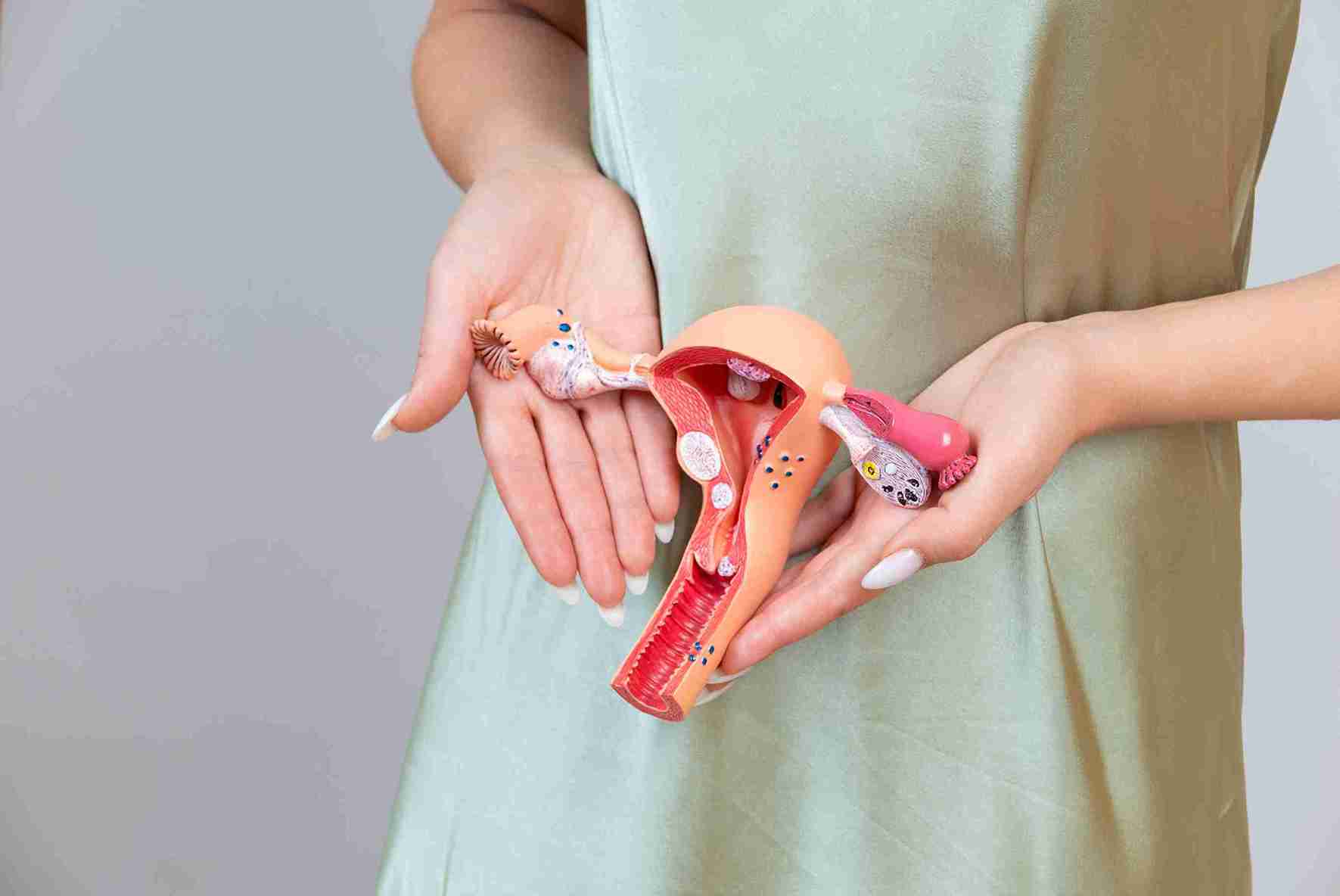
Endometriosis is a condition in which the endometrial tissues grow outside the uterus. This tissue responds to hormonal changes during the menstrual cycle, just like the uterine lining, thickens, breaks down, and bleeds every month. As this bleeding is outside the uterus, it gets trapped, causing inflammation, scarring, and adhesions; bands of scar tissue that can stick organs together.
Endometriosis affects women of reproductive age and continues as long as estrogen is being produced. It is not cancerous. But it causes real-time damage to the pelvic organs and significant impairment to quality of life.
The most common symptom is pain, but the nature, timing, and location of the pain vary between women, which is one reason it takes so long to diagnose. Pelvic pain caused by endometriosis can be:
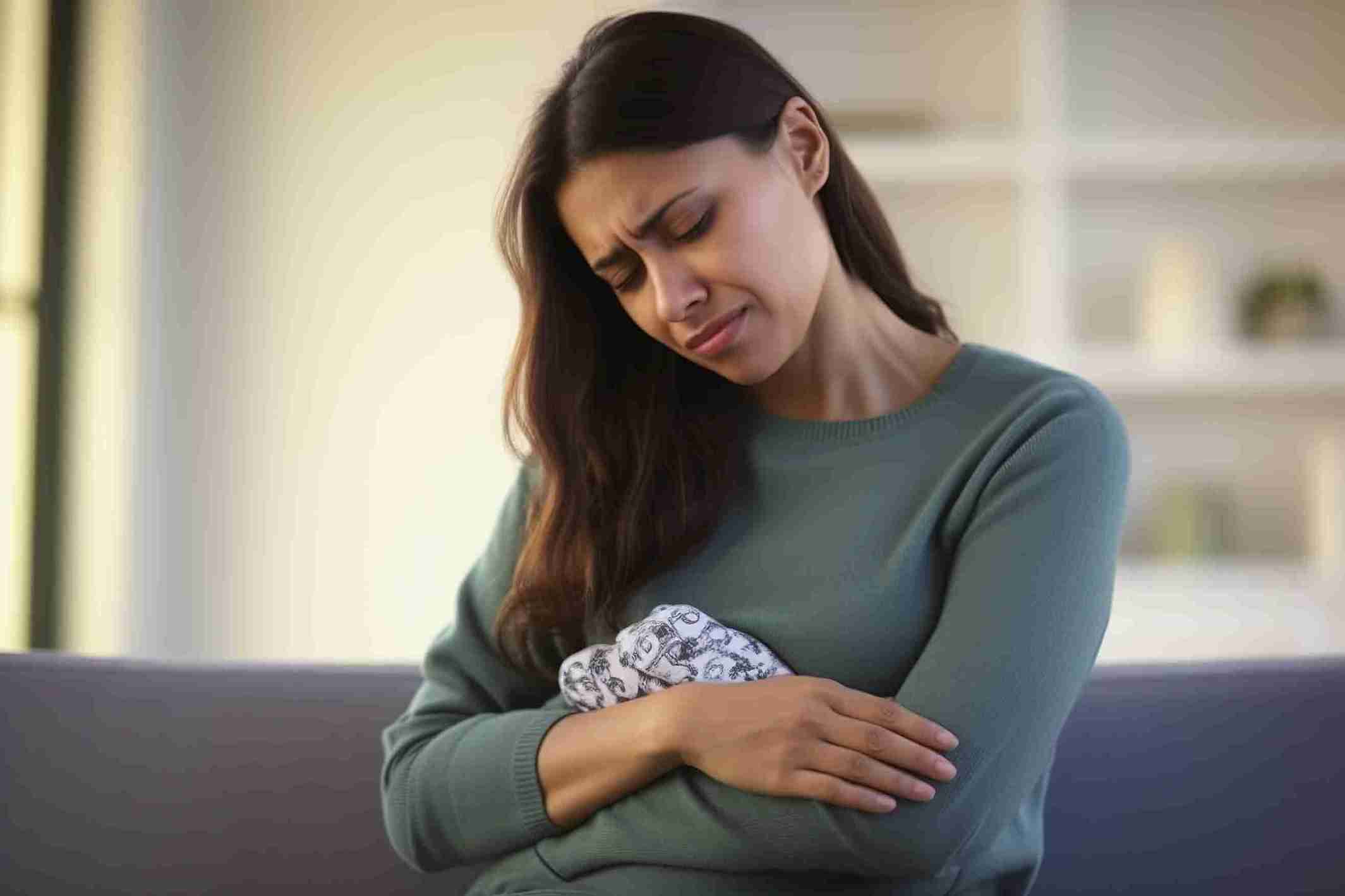
Painful periods - also referred to as dysmenorrhoea - this period pain is very severe and can interfere with daily life. Women may need painkillers to manage those days. Period pain is real, and it varies from one woman to another, but it should not be so severe that women cannot manage their life without strong painkillers.
Chronic pelvic pain - a sharp pelvic pain that may be present even after periods are over. This could be due to endometriotic inflammation and adhesions.
Pain during sex (dyspareunia) - particularly deep penetration pain, which reflects involvement of the tissue behind the uterus or around the ovaries.
Painful bowel movements or urination - especially during periods. If endometriosis involves the bladder or the bowel, this is possible.
Heavy periods - endometriosis is commonly associated with heavy menstrual bleeding, sometimes with clots.
Spotting before periods - a brown discharge in the days before the main period begins is a frequently reported symptom.
Beyond pain, endometriosis causes chronic fatigue, which does not match the severity of the visible physical complaints. This is often dismissed or attributed to other causes.
Endometriosis is found in 30-50% of women who present at fertility clinics with difficulty conceiving. Endometriosis can impact fertility through:
Endometriosis fertility treatment depends on the severity and the age. How long the woman has been trying to conceive also makes a difference. For mild to moderate endometriosis, laparoscopic removal of endometriotic deposits and adhesions improves the chances of natural conception. For moderate to severe disease or for women who do not conceive after surgery, IVF is the most effective option.

Endometriosis diagnosis is one of the more challenging aspects of this condition. No single test confirms it non-invasively.
Symptoms and history: A gynaecologist who takes a detailed menstrual history and does not dismiss period pain as normal will often suspect endometriosis from the symptom pattern alone.
Pelvic examination: Tenderness behind the uterus, pain on examination, or a fixed, retroverted uterus are clinical signs that point towards endometriosis.
Transvaginal ultrasound: A skilled sonographer can identify ovarian endometriomas. Deep infiltrating endometriosis involving the bowel or bladder can also sometimes be seen. However, superficial endometriosis deposits are not visible on ultrasound.
MRI: More detailed than ultrasound for mapping the extent of deep disease, especially when bowel or bladder involvement is suspected before surgery.
CA-125 blood test: Elevated in some women with endometriosis but not specific enough to confirm or rule out the diagnosis.
Laparoscopy: The definitive diagnostic test. A camera is inserted through a small incision in the abdomen under general anaesthesia, allowing the gynaecologist to visualise endometriotic deposits directly, assess their extent and location, and take a biopsy for histological confirmation. Crucially, laparoscopy also allows treatment in the same procedure; deposits can be removed as and when they are identified.
Laparoscopic treatment for endometriosis is the gold standard for both diagnosis and surgical management. It is a minimally invasive procedure that allows the surgeon to:
For women trying to conceive, laparoscopic surgery for mild to moderate endometriosis improves natural conception rates. For ovarian endometriomas, surgical drainage and removal reduce cyst burden but must be done carefully; removing ovarian tissue alongside the cyst can reduce ovarian reserve. This decision requires experience and careful surgical technique.
Recovery after laparoscopy for endometriosis is usually 2-4 weeks. Most women return to normal activity within two weeks, though recovery varies depending on the extent of the treated disease.
Surgery is not the only option and is not always the first step. Medicines are used to reduce symptoms, slow disease progression, and manage pain.
Hormonal treatments suppress estrogen, which drives endometriosis growth:
Combined oral contraceptive pills are taken continuously to prevent cyclic bleeding and reduce pain. Often, the first-line treatment for women not currently trying to conceive.
Progestins are progestogen-only pills, depot injections, or the hormonal IUD, which reduce endometriosis activity and period pain significantly.
GnRH agonists are injections that suppress oestrogen production and create a temporary medical menopause. Highly effective for symptom control but cause menopausal side effects and cannot be used long-term (more than 6 months) without add-back hormone therapy.
Dienogest is a progestogen specifically licensed for endometriosis in many countries, including India. It is increasingly used because it is effective and has fewer side effects than GnRH agonists.
Pain management with NSAIDs taken from the start of the period reduces prostaglandin-driven pain and is an important part of managing dysmenorrhoea in endometriosis. They work better when started before pain peaks.
Endometriosis is a condition that has been dismissed and underdiagnosed for too long. The pain it causes is real. The impact on fertility is real. And effective treatment options exist. If you have been told your painful periods are normal and you suspect something more is going on, push for a proper assessment. The right diagnosis changes everything.


No. Many women manage endometriosis effectively with hormonal medication and pain management without needing surgery. Laparoscopic treatment for endometriosis is recommended when symptoms are severe and not controlled medically, when there is a significant ovarian cyst, when a definitive diagnosis is needed, or when the woman is trying to conceive and has not been successful. The decision is made based on the individual's symptoms, fertility goals, and extent of disease.
Yes, endometriosis fertility treatment is needed in 30-50% of women presenting with infertility. Adhesions can block the fallopian tubes, ovarian endometriomas reduce egg reserve, and pelvic inflammation affects egg quality and embryo development. Treatment depends on the severity; laparoscopic surgery improves natural conception rates in mild to moderate disease, while IVF is recommended for severe disease or when surgery has not resulted in pregnancy within a reasonable timeframe.
Endometriosis diagnosis is confirmed through laparoscopy, a minimally invasive camera procedure under general anaesthesia that allows direct visualisation of deposits. Before surgery, a detailed symptom history, pelvic examination, transvaginal ultrasound, and sometimes MRI help build the clinical picture. No blood test alone confirms endometriosis. A skilled ultrasound can identify ovarian cysts related to endometriosis but cannot show superficial deposits that may still be causing significant pain.
Treatment includes medical management, which suppresses estrogen and reduces disease activity. Pain is managed with NSAIDs. Laparoscopic treatment for endometriosis removes deposits, drains cysts, and releases adhesions. For women trying to conceive, surgery or IVF may be recommended depending on severity. Treatment is chosen based on symptoms, disease extent, age, and whether fertility is a priority.







 Best Gynecologists in Bellandur Best Gynecologists in Electronic City Best Gynecologists in HRBR LayoutBest Gynecologists in Jayanagar Best Gynecologists in Kanakapura RoadBest Gynecologists in Malleswaram Best Gynecologists in Nagarbhavi Best Gynecologists in Old Airport RoadBest Gynecologists in Sahakarnagar Best Gynecologists in Sarjapur RoadBest Gynecologists in ThanisandraBest Gynecologists in Varthur RoadBest Gynecologists in Whitefield Best Gynecologists in Industrial Area Phase IIBest Gynecologists in OMRBest Gynecologists in T NagarBest Gynecologists in New Industrial TownBest Gynecologists in IndirapuramBest Gynecologists in Golf Course RoadBest Gynecologists in Sector 14Best Gynecologists in Sector 47Best Gynecologists in Banjara HillsBest Gynecologists in GachibowliBest Gynecologists in Hitech CityBest Gynecologists in KompallyBest Gynecologists in Gomti NagarBest Gynecologists in MaladBest Gynecologists in NerulBest Gynecologists in VashiBest Gynecologists in Kailash ColonyBest Gynecologists in PatparganjBest Gynecologists in Punjabi BaghBest Gynecologists in VikaspuriBest Gynecologists in Gaur CityBest Gynecologists in Pari ChowkBest Gynecologists in Sector 51Best Gynecologists in Sector 5 Swastik ViharBest Gynecologists in Kalyani NagarBest Gynecologists in SB RoadBest Gynecologists in Pimple SaudagarBest Pediatricians in BellandurBest Pediatricians in Electronic CityBest Pediatricians in HRBR LayoutBest Pediatricians in JayanagarBest Pediatricians in Kanakapura RoadBest Pediatricians in MalleswaramBest Pediatricians in NagarbhaviBest Pediatricians in Old Airport RoadBest Pediatricians in SahakarnagarBest Pediatricians in Sarjapur RoadBest Pediatricians in ThanisandraBest Pediatricians in Varthur RoadBest Pediatricians in WhitefieldBest Pediatricians in Industrial Area Phase IIBest Pediatricians in OMRBest Pediatricians in T NagarBest Pediatricians in New Industrial TownshipBest Pediatricians in IndirapuramBest Pediatricians in Golf Course RoadBest Pediatricians in Sector 14Best Pediatricians in Sector 47Best Pediatricians in Hitech CityBest Pediatricians in Banjara HillsBest Pediatricians in GachibowliBest Pediatricians in KompallyBest Pediatricians in Gomti NagarBest Pediatricians in MaladBest Pediatricians in NerulBest Pediatricians in VashiBest Pediatricians in Kailash ColonyBest Pediatricians in PatparganjBest Pediatricians in Punjabi BaghBest Pediatricians in VikaspuriBest Pediatricians in Gaur CityBest Pediatricians in Pari ChowkBest Pediatricians in Sector 51Best Pediatricians in Sector 5 Swastik ViharBest Pediatricians in Kalyani NagarBest Pediatricians in SB RoadBest Pediatricians in Pimple Saudagar