
Constipation is quite common in children and leads to pain, gas, and hard stools. Knowledge about childhood constipation will help identify causes such as an improper diet, dehydration, or inactivity. Understanding the causes and symptoms of constipation in children will help you manage it.

Constipation in a child is defined as passing stool fewer than 3 times a week or stool that is hard and difficult to pass, regardless of how often they pass. Some symptoms associated with constipation include:
The frequency of normal stools in children may range from 3 times a day to once every 3 days.
The common cause in most age groups is a diet low in fibre and fluid. Children who eat a lot of refined foods like white bread, biscuits, maida-based snacks, white rice without vegetables and very little dal, fruit, and vegetables are not getting the fibre their gut needs to move stool along efficiently. Dehydration is a significant contributor too. Children who do not drink enough water through the day produce drier, harder stools that are more difficult to pass.
This is particularly common in toddlers and preschool-age children. A child who has had one or two painful stools learns to associate the toilet with pain and actively holds the stool in to avoid it. Withholding makes constipation worse; the stool sits in the rectum longer, dries out further, and becomes even harder to pass. It becomes a self-reinforcing cycle that can persist for months.
With holding is a behavioural response to physical pain, not stubbornness. It requires gentle, patient management rather than pressure or punishment.
Children going through toilet training, starting school, or switching from a home toilet to school toilets sometimes develop constipation because they resist using an unfamiliar or shared toilet. School toilet avoidance is a real and often underestimated cause, particularly among children who are shy or have had negative experiences.
Activity promotes gut motility. Children who spend many hours inactive, whether studying at their desks, doing homework, or playing video games, are characterised by reduced gut motility. This trend has contributed to the increase in childhood constipation.
In most children, constipation has no underlying medical cause. However, thyroid conditions, Hirschsprung's disease (an ailment that affects the nerves within the intestines), and medications such as iron supplements and some antihistamines can trigger constipation. If constipation has been present since birth, is severe, or is accompanied by poor growth or blood in the stool, a paediatrician should assess for a medical cause.
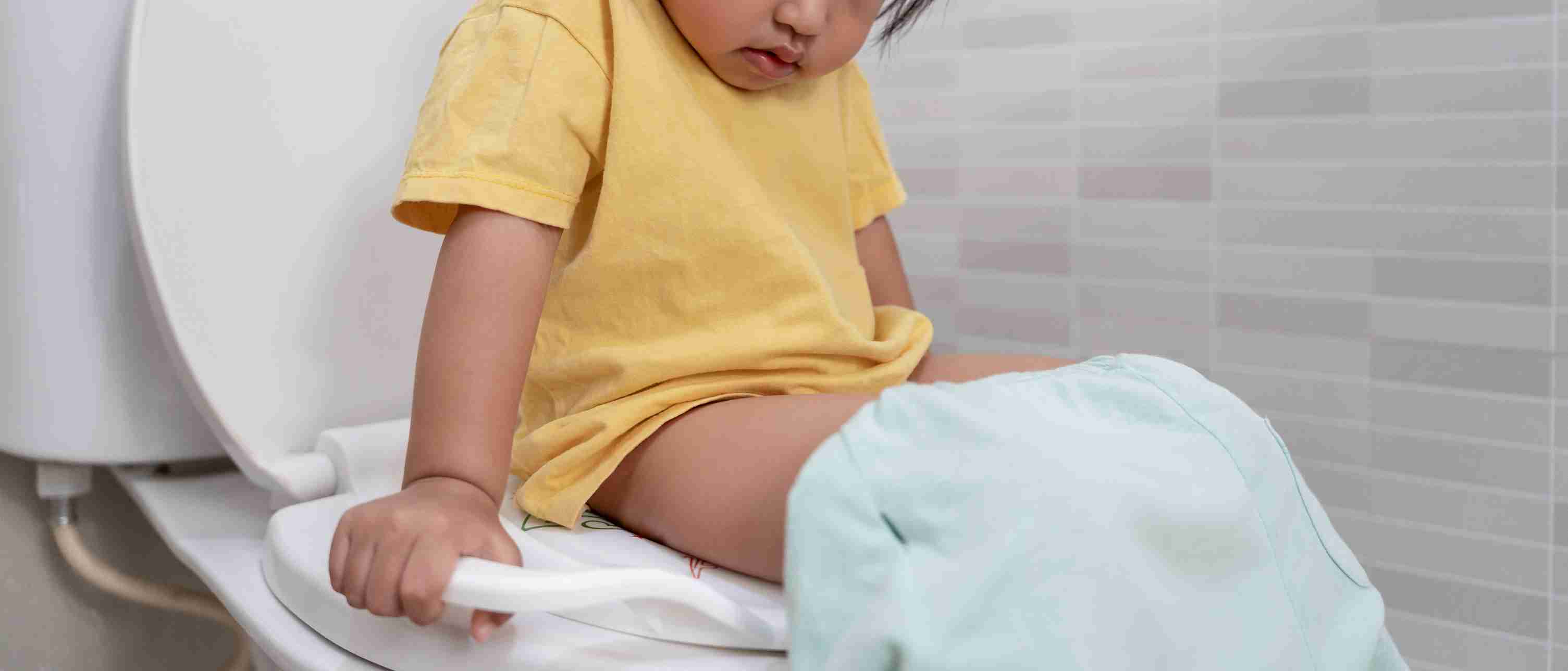
Treatment has three components: clearing the backlog, softening future stools, and addressing the habits that caused the problem.
Once a child has been dealing with constipation for some time, there would be a large quantity of stool present in the rectum and colon. Until this is cleared, nothing else will work effectively. This is done with a laxative, most commonly polyethene glycol, which draws water into the stool, making it easier to pass. The dose is gradually increased until the backlog clears.
This is not a quick process; it can take several days and requires consistency. Do not stop the laxative when the child passes stool; continue as directed until the paediatrician confirms the disimpaction is complete.
After clearing the backlog, a lower maintenance dose of laxative is continued for several weeks to months. This keeps stools soft while the habits change and while the child's fear of the toilet reduces. Stopping laxatives too soon is one of the most common reasons childhood constipation comes back.
A regular toilet routine helps train the gut. The best time is 10 to 15 minutes after a meal, particularly breakfast when the gastrocolic reflex (the natural urge to open the bowels triggered by eating) is strongest. Sit the child on the toilet for 5 to 10 minutes without pressure or rushing. A footstool to support the feet helps smaller children get into the right position for a bowel movement.
Alongside medical management, several home approaches support bowel regularity:
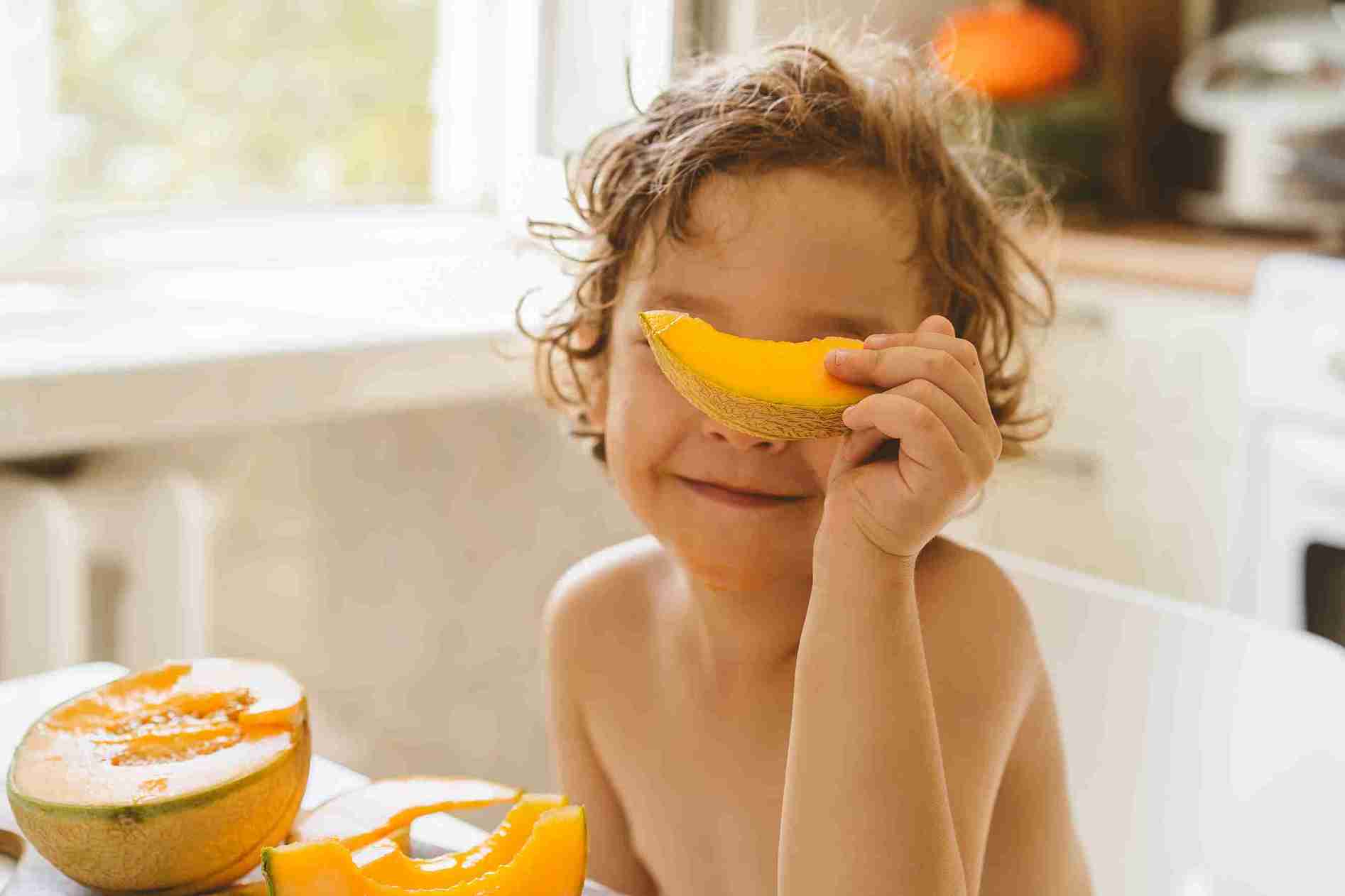
Diet plays a central role in both preventing and managing constipation. Foods for constipation in children that genuinely help:
Constipation in children is common, manageable, and in most cases preventable with the right diet and habits. The key is to act early rather than wait, and not to stop laxatives before the paediatrician advises, even when things seem better. A consistent toilet routine, more water, and fibre-rich food go a long way in keeping bowel movements regular for most children.


Yes, directly. When a child does not drink enough water, the large intestine pulls more water out of the stool, making it dry, hard, and difficult to pass. This is one of the most common causes of constipation in kids, particularly in summer or in children who do not carry water bottles to school. Increasing water intake is one of the first and most effective steps in managing childhood constipation.
Prevention focuses on three things: fibre, fluids, and movement. Serve dal, vegetables, whole grains, and fruit daily. Ensure six to eight glasses of water a day. Encourage at least 60 minutes of active play. Build a regular toilet routine after meals. These habits, maintained consistently, prevent most cases of childhood constipation without medication. Starting these early, in toddlerhood, establishes bowel habits that last through childhood.
Causes of constipation in kids include a low-fibre diet heavy in refined grains and processed snacks, insufficient water intake, withholding behaviour after a painful stool, school toilet avoidance, low physical activity, and toilet training transitions. Medical causes like thyroid disorders or Hirschsprung's disease are less common. Still, they should be investigated if constipation is severe, present since birth, or accompanied by other symptoms like poor growth or blood in the stool.
Foods for constipation in children that help include papaya, pears, apples with skin, guava, prunes, spinach and fenugreek leaves. Dal and ragi, or whole-wheat rotis, provide the fibre the gut needs to keep stools soft and regular. Curd supports healthy gut bacteria. Warm water first thing in the morning also helps stimulate bowel movement. Reduce biscuits, white bread, refined snacks, and excess bananas, which tend to make stools firmer.







 Best Gynecologists in Bellandur Best Gynecologists in Electronic City Best Gynecologists in HRBR LayoutBest Gynecologists in Jayanagar Best Gynecologists in Kanakapura RoadBest Gynecologists in Malleswaram Best Gynecologists in Nagarbhavi Best Gynecologists in Old Airport RoadBest Gynecologists in Sahakarnagar Best Gynecologists in Sarjapur RoadBest Gynecologists in ThanisandraBest Gynecologists in Varthur RoadBest Gynecologists in Whitefield Best Gynecologists in Industrial Area Phase IIBest Gynecologists in OMRBest Gynecologists in T NagarBest Gynecologists in New Industrial TownBest Gynecologists in IndirapuramBest Gynecologists in Golf Course RoadBest Gynecologists in Sector 14Best Gynecologists in Sector 47Best Gynecologists in Banjara HillsBest Gynecologists in GachibowliBest Gynecologists in Hitech CityBest Gynecologists in KompallyBest Gynecologists in Gomti NagarBest Gynecologists in MaladBest Gynecologists in NerulBest Gynecologists in VashiBest Gynecologists in Kailash ColonyBest Gynecologists in PatparganjBest Gynecologists in Punjabi BaghBest Gynecologists in VikaspuriBest Gynecologists in Gaur CityBest Gynecologists in Pari ChowkBest Gynecologists in Sector 51Best Gynecologists in Sector 5 Swastik ViharBest Gynecologists in Kalyani NagarBest Gynecologists in SB RoadBest Gynecologists in Pimple SaudagarBest Pediatricians in BellandurBest Pediatricians in Electronic CityBest Pediatricians in HRBR LayoutBest Pediatricians in JayanagarBest Pediatricians in Kanakapura RoadBest Pediatricians in MalleswaramBest Pediatricians in NagarbhaviBest Pediatricians in Old Airport RoadBest Pediatricians in SahakarnagarBest Pediatricians in Sarjapur RoadBest Pediatricians in ThanisandraBest Pediatricians in Varthur RoadBest Pediatricians in WhitefieldBest Pediatricians in Industrial Area Phase IIBest Pediatricians in OMRBest Pediatricians in T NagarBest Pediatricians in New Industrial TownshipBest Pediatricians in IndirapuramBest Pediatricians in Golf Course RoadBest Pediatricians in Sector 14Best Pediatricians in Sector 47Best Pediatricians in Hitech CityBest Pediatricians in Banjara HillsBest Pediatricians in GachibowliBest Pediatricians in KompallyBest Pediatricians in Gomti NagarBest Pediatricians in MaladBest Pediatricians in NerulBest Pediatricians in VashiBest Pediatricians in Kailash ColonyBest Pediatricians in PatparganjBest Pediatricians in Punjabi BaghBest Pediatricians in VikaspuriBest Pediatricians in Gaur CityBest Pediatricians in Pari ChowkBest Pediatricians in Sector 51Best Pediatricians in Sector 5 Swastik ViharBest Pediatricians in Kalyani NagarBest Pediatricians in SB RoadBest Pediatricians in Pimple Saudagar


