
Cervical cancer is the second most frequent cancer type in women. Each year, tens of thousands of women die because of cervical cancer. Almost all of those deaths are preventable. The human papillomavirus (HPV) causes almost all cases of cervical cancer, and there is a vaccine that protects against it.
Yet HPV vaccine benefits remain poorly understood by most families. The vaccine is underused, often delayed, and sometimes refused based on misinformation. Understanding what it does, who should get it, and when it makes a significant difference to a decision that can protect a young person's health for life.

HPV human papillomavirus is an extremely common virus. It spreads through physical skin contact, including sexual intercourse. There are more than 100 strains of HPV. Most of them get cleared automatically, but some dangerous types (HPV 16 and HPV 18) remain inside the body and eventually cause cancer.
HPV 16 and 18 together account for approximately 70% of all cervical cancer cases. Other high-risk HPV types account for a further proportion of cases. HPV also causes cancers of the vagina, vulva, anus, penis, and throat, affecting both men and women.
Low-risk HPV types, particularly HPV 6 and 11, cause genital warts, which are not cancerous but are a significant source of distress and require treatment.
The HPV vaccine does not treat an existing HPV infection. It prevents an individual from being infected in the first place by generating antibodies against specific HPV strains before infection.
The available HPV vaccines in India are:
Cervarix (bivalent) - it is meant for HPV 16 and HPV 18 (these two types cause most cervical cancer).
Gardasil 4 (quadrivalent) is meant for HPV 6, 11, 16, and 18, which means that, apart from HPV causing cancer, Gardasil 4 protects individuals against HPV-related genital warts.
Gardasil 9 (9-valent) - it is for nine types of HPV (6, 11, 16, 18, 31, 33, 45, 52, and 58). This is the most protective option currently available.
The vaccine works best when given before any exposure to HPV, which means before sexual activity begins. This is why it is recommended for young adolescents.
Indian Academy of Paediatrics (IAP) recommends:
Girls aged 9 to 14 years: Two doses, given six months apart. The two doses work well and provide an excellent immune response in this age category.
Girls and Boys aged 15 to 26 years: Three doses – 0, one to two months, and six months. The three-dose regimen is recommended because the immune response is weaker when vaccination begins late.
Adults aged 27 to 45 years: Three doses, as above. While protection i
s lower in adults who may have already been exposed to HPV, vaccination still offers meaningful benefit and is recommended in this age group.
The HPV vaccine age recommendations reflect the biology of the vaccine: earlier is better, but later is still worth doing.
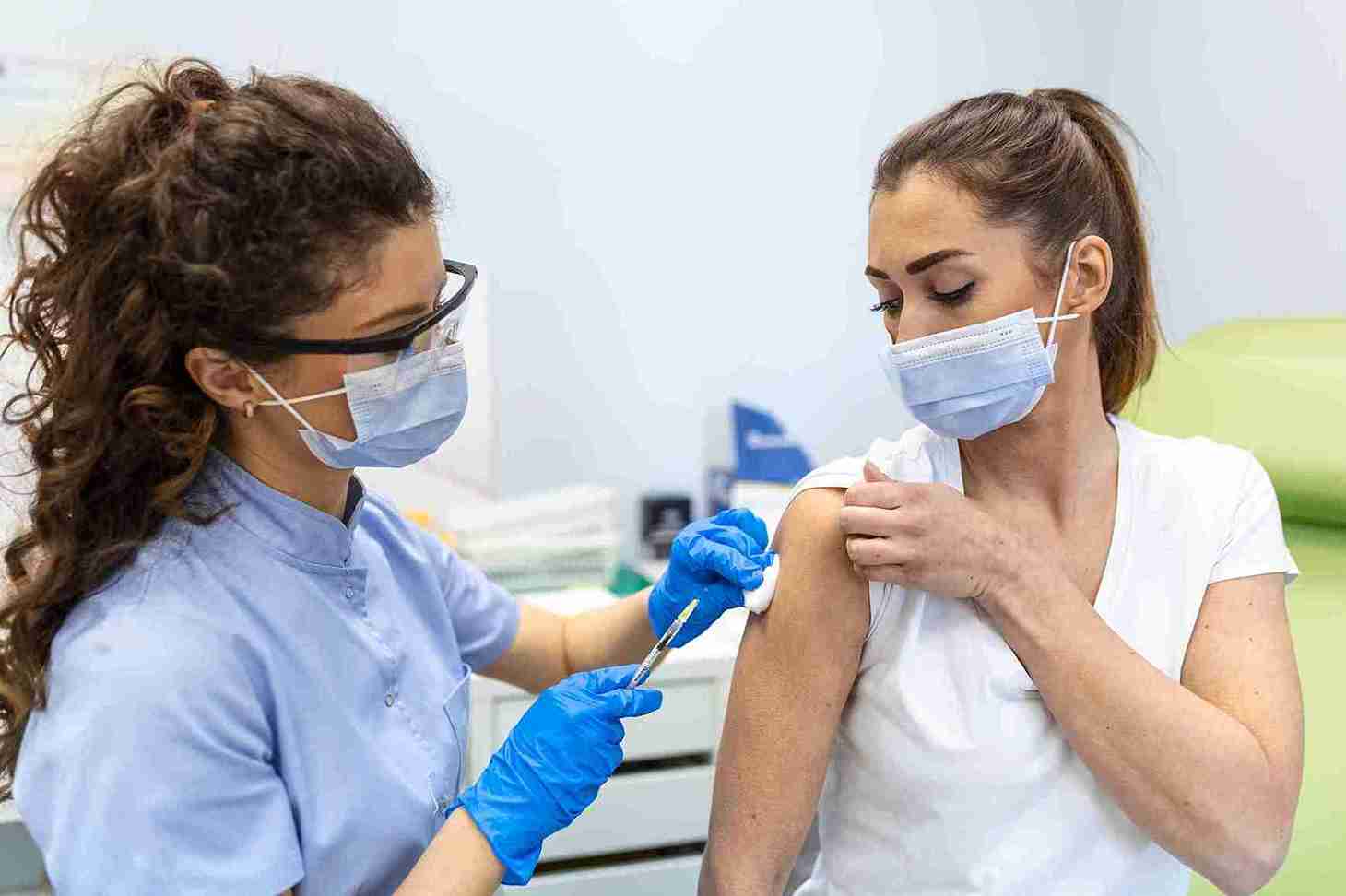
This is one of the most common points of confusion around HPV vaccination. Many adults assume the vaccine is only for young girls and is no longer useful once they are sexually active. This is not accurate.
The HPV vaccine for adults is approved and recommended through age 45. Even someone who has been sexually active and may have been exposed to one or more HPV types will not have been exposed to all the types the vaccine protects against. Vaccination can still prevent infection from the types not yet encountered. Adults who were not vaccinated in adolescence should discuss HPV vaccination with their gynaecologist. The conversation is particularly relevant for women who have had an abnormal Pap smear result or who are aware they have an HPV infection, as vaccination protects against the types they have not yet been infected with.
In India, the vaccine was only recently included in the national immunisation programme and is not yet universally available through the government system. Private clinics and hospitals across most cities offer all three vaccine types.
HPV vaccination is not just for girls. HPV causes anal cancer, penile cancer, and throat cancer in men, and they are also the primary transmitters of HPV to women. Vaccinating boys provides direct protection against HPV-related cancers and genital warts in men, and contributes to herd protection, reducing the overall circulation of the virus in the population.
IAP recommends the vaccine for boys aged 9 to 26. Some countries routinely include boys in their national vaccination programmes, and India is moving in this direction. For now, parents of boys should have the same conversation about HPV vaccination that they are having for their daughters.
The HPV vaccine has been used globally for nearly two decades, and its safety profile is well established.
Common HPV vaccine side effects are mild and temporary:
Pain, redness, or swelling at the injection site: The most common reaction, affecting a large proportion of recipients. It usually resolves within a day or two.
Low-grade fever: Some patients experience a fever after the vaccination.
Headaches and feeling tired: These are mild and happen with all kinds of vaccinations.
Fainting: Fainting does not happen with the HPV vaccine. It can happen due to any shot. Sitting or lying down for 15 minutes after vaccination is recommended.
Serious adverse events are rare and have been carefully monitored across millions of doses administered globally. The vaccine does not cause infertility, a common piece of misinformation circulated in India. This has been studied extensively and found to be false.
The HPV vaccine is not recommended during pregnancy, but accidental vaccination in early pregnancy has not been shown to cause harm. Women who discover they are pregnant after starting the vaccination series should complete the remaining doses after delivery.
This is important to understand clearly. Even women who have received all doses of the HPV vaccine should continue regular cervical screening, Pap smears and HPV tests.
This vaccine protects from HPV strains targeted by the vaccine, not all strains that can lead to cervical cancer. Pap test detects any abnormal changes in cells prior to their becoming cancerous, while HPV test detects high-risk HPV infections. Together, vaccination and screening give the best protection against cervical cancer.

The HPV vaccine is one of the most effective cancer prevention tools available. In a country where cervical cancer kills thousands of women every year, it is a straightforward decision for every eligible person. Get vaccinated as early as possible, but if the opportunity was missed in adolescence, get vaccinated now. Continue regular screening alongside. Both together offer the strongest protection.
Want to consult the best gynecologists in India? Please find the links below.
Want to consult the best Maternity Packages in India? Please find the links below.

Yes. The HPV vaccine has been used for nearly two decades and has an extensive and well-studied safety record across hundreds of millions of doses globally. HPV vaccine side effects are mild injection site pain, low-grade fever, and brief fatigue and they resolve quickly. Serious adverse events are rare and carefully monitored. The vaccine does not cause infertility this is a well-documented myth that has been thoroughly investigated and found to be false.
Yes. HPV vaccine benefits include protection against the HPV types responsible for approximately 70-90% of cervical cancer cases, depending on which vaccine is used. Gardasil 9, the 9-valent vaccine, offers the broadest protection. The vaccine works best when given before any HPV exposure, typically before sexual activity begins. It does not treat existing HPV infection or cervical cell changes, which is why regular Pap screening should continue alongside vaccination.
HPV vaccine age recommendations in India cover girls and boys from age 9, with the most effective response seen in those vaccinated between 9 and 14 years. Older adolescents and adults up to age 45 also benefit and should receive three doses. The vaccine is recommended regardless of sexual activity status. Boys benefit from vaccination too; HPV causes cancers in men and protects against genital warts.
Yes. The HPV vaccine for adults is approved and recommended in India up to age 45. Many adults were not vaccinated in adolescence and can still benefit, since vaccination protects against HPV types not yet encountered. Even sexually active adults who have had some HPV exposure are unlikely to have been exposed to all the types the vaccine covers. Speak to a gynaecologist about which vaccine is most appropriate and the three-dose schedule for adults.







 Best Gynecologists in Bellandur Best Gynecologists in Electronic City Best Gynecologists in HRBR LayoutBest Gynecologists in Jayanagar Best Gynecologists in Kanakapura RoadBest Gynecologists in Malleswaram Best Gynecologists in Nagarbhavi Best Gynecologists in Old Airport RoadBest Gynecologists in Sahakarnagar Best Gynecologists in Sarjapur RoadBest Gynecologists in ThanisandraBest Gynecologists in Varthur RoadBest Gynecologists in Whitefield Best Gynecologists in Industrial Area Phase IIBest Gynecologists in OMRBest Gynecologists in T NagarBest Gynecologists in New Industrial TownBest Gynecologists in IndirapuramBest Gynecologists in Golf Course RoadBest Gynecologists in Sector 14Best Gynecologists in Sector 47Best Gynecologists in Banjara HillsBest Gynecologists in GachibowliBest Gynecologists in Hitech CityBest Gynecologists in KompallyBest Gynecologists in Gomti NagarBest Gynecologists in MaladBest Gynecologists in NerulBest Gynecologists in VashiBest Gynecologists in Kailash ColonyBest Gynecologists in PatparganjBest Gynecologists in Punjabi BaghBest Gynecologists in VikaspuriBest Gynecologists in Gaur CityBest Gynecologists in Pari ChowkBest Gynecologists in Sector 51Best Gynecologists in Sector 5 Swastik ViharBest Gynecologists in Kalyani NagarBest Gynecologists in SB RoadBest Gynecologists in Pimple SaudagarBest Pediatricians in BellandurBest Pediatricians in Electronic CityBest Pediatricians in HRBR LayoutBest Pediatricians in JayanagarBest Pediatricians in Kanakapura RoadBest Pediatricians in MalleswaramBest Pediatricians in NagarbhaviBest Pediatricians in Old Airport RoadBest Pediatricians in SahakarnagarBest Pediatricians in Sarjapur RoadBest Pediatricians in ThanisandraBest Pediatricians in Varthur RoadBest Pediatricians in WhitefieldBest Pediatricians in Industrial Area Phase IIBest Pediatricians in OMRBest Pediatricians in T NagarBest Pediatricians in New Industrial TownshipBest Pediatricians in IndirapuramBest Pediatricians in Golf Course RoadBest Pediatricians in Sector 14Best Pediatricians in Sector 47Best Pediatricians in Hitech CityBest Pediatricians in Banjara HillsBest Pediatricians in GachibowliBest Pediatricians in KompallyBest Pediatricians in Gomti NagarBest Pediatricians in MaladBest Pediatricians in NerulBest Pediatricians in VashiBest Pediatricians in Kailash ColonyBest Pediatricians in PatparganjBest Pediatricians in Punjabi BaghBest Pediatricians in VikaspuriBest Pediatricians in Gaur CityBest Pediatricians in Pari ChowkBest Pediatricians in Sector 51Best Pediatricians in Sector 5 Swastik ViharBest Pediatricians in Kalyani NagarBest Pediatricians in SB RoadBest Pediatricians in Pimple Saudagar


