
Fetal Medicine is an advanced area of pregnancy care dedicated to monitoring and protecting the health of the baby before birth. Also called Maternal-Fetal Medicine (MFM) or Perinatology, this speciality focuses on identifying concerns during pregnancy, tracking fetal growth, and managing pregnancies that need closer medical attention.
While routine obstetric care mainly centres on the mother’s pregnancy journey, fetal medicine gives special attention to the baby’s development inside the womb. Specialists in this field are trained to assess complex pregnancies and use modern diagnostic methods to understand the baby’s condition at different stages of pregnancy.
Common tools used in fetal medicine include detailed ultrasound scans, Doppler assessments, fetal heart scans, and prenatal genetic tests. These investigations help doctors detect structural abnormalities, growth delays, chromosomal conditions, and circulation-related concerns as early as possible.
Fetal medicine also supports women with high-risk pregnancies, such as multiple pregnancies, placental disorders, diabetes in pregnancy, hypertension, recurrent pregnancy loss, or risk of preterm birth. Regular monitoring allows doctors to create a personalised care plan for mother and baby.
In selected situations, treatment may begin before delivery. Certain fetal conditions can be managed through procedures performed during pregnancy, helping improve outcomes after birth.
Another important part of care is genetic counselling, in which parents receive clear guidance on inherited disorders, screening results, and available options for further testing.
Overall, fetal medicine care helps families receive timely answers, expert guidance, and specialised support throughout pregnancy. Combining early diagnosis with careful monitoring contributes to safer deliveries and healthier newborn outcomes.
Fetal medicine includes a range of advanced pregnancy care services focused on the health of the unborn baby and the well-being of the mother. These services help detect medical conditions early, closely track fetal development, and manage pregnancies that need extra attention. With expert guidance and modern diagnostic techniques, fetal medicine supports safer pregnancies and informed decision-making for families.
Fetal screening in pregnancy is an important part of prenatal care that helps assess the baby’s health, development, and risk of certain genetic or structural conditions before birth. Using modern scans and laboratory tests, fetal medicine specialists can identify concerns early and recommend the right monitoring or treatment plan during pregnancy.
Fetal medicine screening may help detect or assess:
Screening is commonly advised for women with advanced maternal age, abnormal routine test results, family history of genetic conditions, twin pregnancy, diabetes, high blood pressure, recurrent pregnancy loss, or suspected fetal growth concerns.
Early pregnancy screening tests help families receive timely answers, expert guidance, and the best possible care for mother and baby.

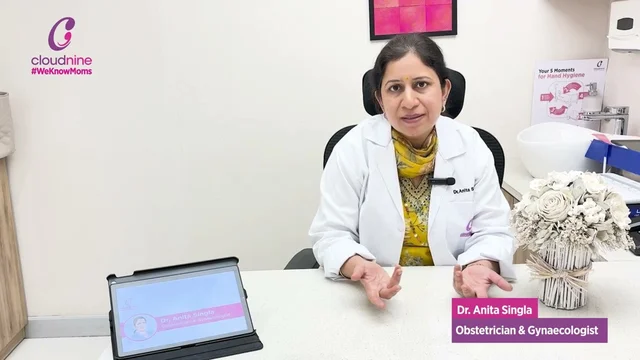






Best Radiology Hospital in India. Cloudnine is a trusted radiology hospital for pregnancy scans, fetal medicine & ultrasound. We offer ultrasound, NT scan, anomaly scan, growth scan & fetal medicine services. Trusted radiology care for pregnancy across India. So consult the best male/female fetal medicine specialist near you. We are available in Bangalore, Chennai, Gurgaon, Mumbai, Pune, Chandigarh, and Noida.
A fetal medicine doctor specialises in monitoring the baby’s health during pregnancy. You may be advised to consult one for abnormal scan findings, genetic screening concerns, twin pregnancy, repeated miscarriage, or any high-risk pregnancy that needs expert care.
Yes, fetal scans use ultrasound technology, which does not involve radiation. These pregnancy scans are widely used to monitor fetal growth, heartbeat, development, and overall well-being when performed by trained specialists.
A radiologist performs imaging tests for many parts of the body. A fetal medicine specialist has advanced training in pregnancy ultrasound, fetal diagnosis, genetic screening, and the management of complex or high-risk pregnancies.
Yes, fetal medicine specialists are trained to manage high-risk pregnancies such as twins, diabetes in pregnancy, high blood pressure, placental problems, reduced fetal growth, and previous pregnancy complications.
The number of growth scans depends on your pregnancy condition. In routine pregnancies, fewer scans may be needed, while high-risk pregnancies may require scans every 2 to 4 weeks for closer fetal monitoring.
Most fetal scans take between 20 and 45 minutes. Detailed scans, such as an anomaly scan or fetal echocardiography, may take longer depending on the baby’s position and findings.

 Best Gynecologists in Bellandur Best Gynecologists in Electronic City Best Gynecologists in HRBR LayoutBest Gynecologists in Jayanagar Best Gynecologists in Kanakapura RoadBest Gynecologists in Malleswaram Best Gynecologists in Nagarbhavi Best Gynecologists in Old Airport RoadBest Gynecologists in Sahakarnagar Best Gynecologists in Sarjapur RoadBest Gynecologists in ThanisandraBest Gynecologists in Varthur RoadBest Gynecologists in Whitefield Best Gynecologists in Industrial Area Phase IIBest Gynecologists in OMRBest Gynecologists in T NagarBest Gynecologists in New Industrial TownBest Gynecologists in IndirapuramBest Gynecologists in Golf Course RoadBest Gynecologists in Sector 14Best Gynecologists in Sector 47Best Gynecologists in Banjara HillsBest Gynecologists in GachibowliBest Gynecologists in Hitech CityBest Gynecologists in KompallyBest Gynecologists in Gomti NagarBest Gynecologists in MaladBest Gynecologists in NerulBest Gynecologists in VashiBest Gynecologists in Kailash ColonyBest Gynecologists in PatparganjBest Gynecologists in Punjabi BaghBest Gynecologists in VikaspuriBest Gynecologists in Gaur CityBest Gynecologists in Pari ChowkBest Gynecologists in Sector 51Best Gynecologists in Sector 5 Swastik ViharBest Gynecologists in Kalyani NagarBest Gynecologists in SB RoadBest Gynecologists in Pimple SaudagarBest Pediatricians in BellandurBest Pediatricians in Electronic CityBest Pediatricians in HRBR LayoutBest Pediatricians in JayanagarBest Pediatricians in Kanakapura RoadBest Pediatricians in MalleswaramBest Pediatricians in NagarbhaviBest Pediatricians in Old Airport RoadBest Pediatricians in SahakarnagarBest Pediatricians in Sarjapur RoadBest Pediatricians in ThanisandraBest Pediatricians in Varthur RoadBest Pediatricians in WhitefieldBest Pediatricians in Industrial Area Phase IIBest Pediatricians in OMRBest Pediatricians in T NagarBest Pediatricians in New Industrial TownshipBest Pediatricians in IndirapuramBest Pediatricians in Golf Course RoadBest Pediatricians in Sector 14Best Pediatricians in Sector 47Best Pediatricians in Hitech CityBest Pediatricians in Banjara HillsBest Pediatricians in GachibowliBest Pediatricians in KompallyBest Pediatricians in Gomti NagarBest Pediatricians in MaladBest Pediatricians in NerulBest Pediatricians in VashiBest Pediatricians in Kailash ColonyBest Pediatricians in PatparganjBest Pediatricians in Punjabi BaghBest Pediatricians in VikaspuriBest Pediatricians in Gaur CityBest Pediatricians in Pari ChowkBest Pediatricians in Sector 51Best Pediatricians in Sector 5 Swastik ViharBest Pediatricians in Kalyani NagarBest Pediatricians in SB RoadBest Pediatricians in Pimple Saudagar


