





Coughs and colds are a common part of childhood, especially once children start preschool. Most improve within a few days with rest, fluids and supportive care. Sometimes, though, what seems like an ordinary cold can develop into pneumonia, making it important for parents to recognise when something isn't quite right.
The reassuring news is that pneumonia in children is usually treatable, particularly when it's identified early. Knowing the early symptoms, understanding when a cough needs medical attention and recognising the warning signs can help your child receive the right care without unnecessary delay. This guide focuses on preschool children aged 3-6 years, who often experience frequent respiratory infections as they grow, learn and interact with other children.
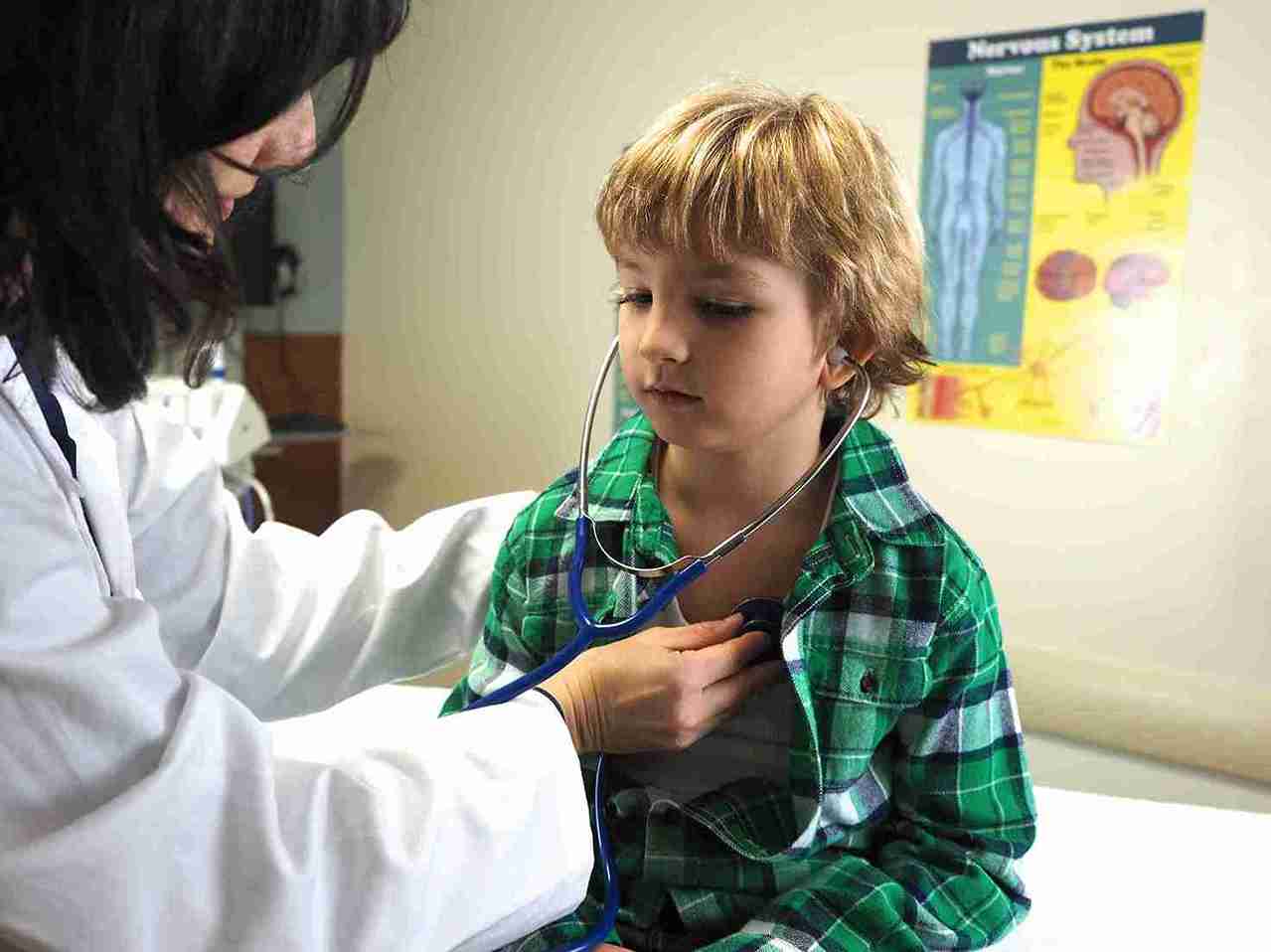
Pneumonia is an infection that affects the lungs and makes it harder for them to work normally. It can be caused by viruses or bacteria, with viral infections being more common in younger children.
When a child has pneumonia, the tiny air sacs in the lungs become inflamed and may fill with fluid or mucus. This can lead to symptoms such as fever, cough and difficulty breathing. While the illness can sound worrying, most children recover well with timely diagnosis, appropriate treatment and close follow-up when needed.
The early signs of pneumonia in children can be easy to miss because they often resemble a common cold or viral infection at first. The difference is that symptoms tend to become more noticeable instead of improving after a few days.
Common pediatric pneumonia symptoms include:
A persistent or high fever.
A cough which keeps worsening or doesn't improve.
Breathing that seems faster or harder than usual.
Tiredness and reduced activity.
Refusing food and fluids.
Complaining of chest discomfort or tummy pain.
Less interest in playing than usual.
Younger children may not always be able to describe how they feel. Instead of saying their chest hurts, they might point to their tummy, become unusually irritable or simply seem uncomfortable while breathing or coughing. If these symptoms continue or your child's breathing appears different from normal, it's a good idea to have them examined by a paediatrician.
It isn't always easy to tell the difference between a cold and pneumonia during the first day or two of illness. However, over time, pneumonia symptoms are more likely to worsen or persist rather than gradually improve.
Although this comparison can be helpful, it's not possible to diagnose pneumonia based on symptoms alone. If your child's cough isn't improving, they develop a persistent fever, or you notice changes in their breathing, it's best to seek medical advice rather than waiting for the illness to run its course.

Most coughs and chest infections improve without complications, but some children need urgent medical attention. Recognising these warning signs early can make a significant difference.
Seek immediate medical care if your child:
Is breathing very quickly or struggling to breathe.
Has ribs pulling in with each breath.
Develops blue or grey lips, tongue or fingertips.
Is unusually sleepy, difficult to wake or difficult to comfort.
Refuses fluids or is unable to drink.
Has a persistent high fever that isn't improving.
Seems confused, unusually floppy or much less responsive than usual.
Trust your instincts as a parent. If your child looks significantly more unwell than usual with a cold or fever, or you're worried about their breathing, it's always safest to have them assessed promptly by a healthcare professional.
Children between the ages of 3 and 6 are naturally exposed to more germs as they begin preschool, spend time in groups and interact closely with other children. Most of these infections are mild, but some can occasionally develop into pneumonia.
A preschooler's immune system is still developing, which means they may catch respiratory infections more often than older children. Factors such as seasonal viral outbreaks, exposure to tobacco smoke and certain underlying medical conditions can also increase the risk of pneumonia.
Coughs and colds are a normal part of growing up. However, if your child's symptoms are not improving and are worsening, medical advice is better than assuming it's just another viral illness.
If your doctor suspects pneumonia, they'll begin by asking about your child's symptoms and examining them carefully. Listening to your child's chest and checking how they are breathing are often the first and most important steps.
Depending on your child's condition, your doctor may also recommend:
Measuring oxygen levels using a pulse oximeter.
A chest X-ray is performed if the diagnosis is unclear or the illness appears more severe.
Blood tests in selected situations to assess the infection or your child's overall condition.
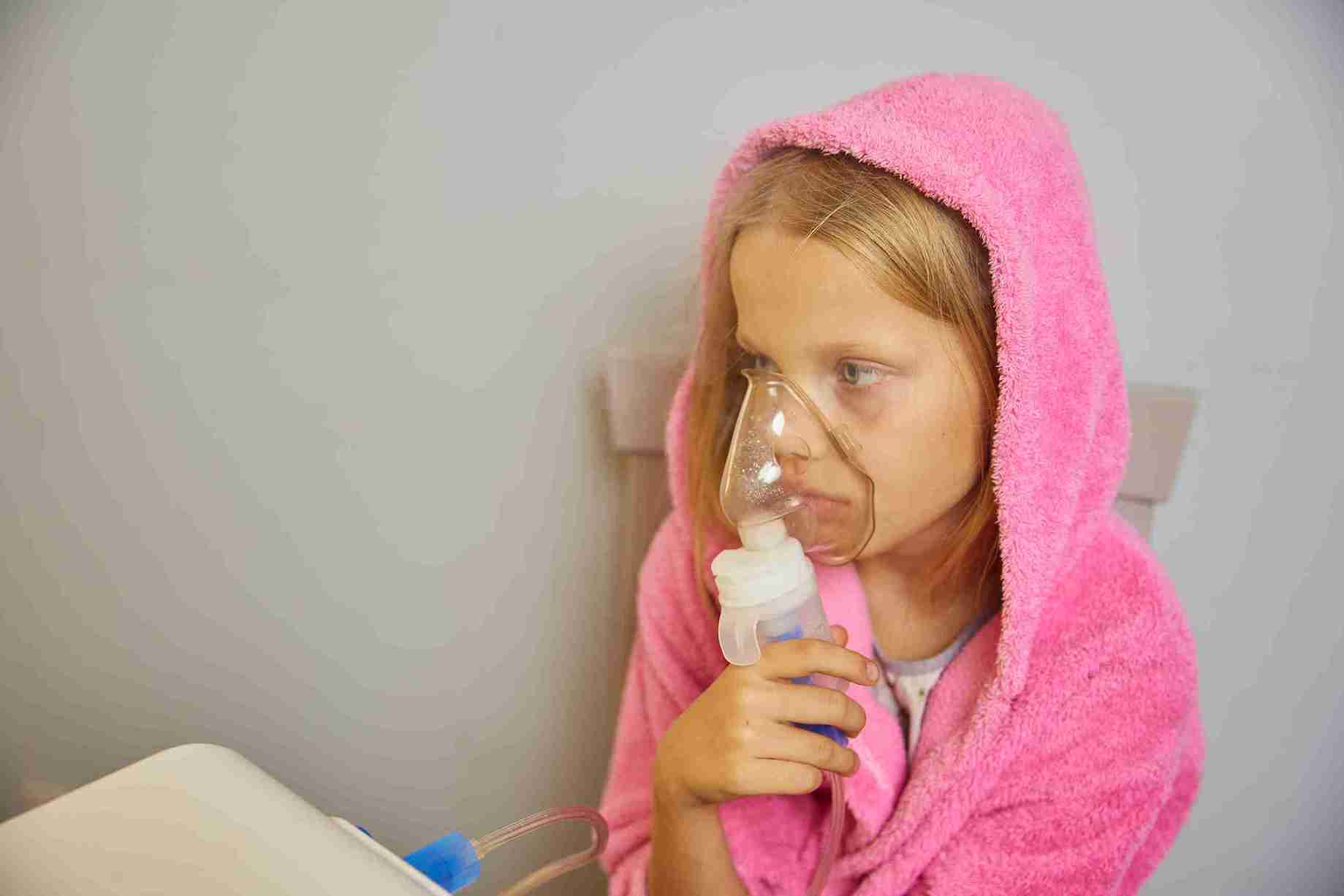
The treatment for pneumonia depends on its cause, your child's age and how unwell they are. While some children recover at home, others may need hospital care if their symptoms are more severe.
Treatment may include:
Antibiotics if a bacterial infection is suspected.
Medicines such as paracetamol to reduce fever and improve comfort.
Plenty of fluids to prevent dehydration.
Rest and close observation while the lungs recover.
Oxygen therapy or intravenous fluids if hospital admission is required.
Most children start feeling better within a few days of starting the appropriate treatment, although the cough may take a little longer to settle. It's important to complete the full course of antibiotics if they have been prescribed, even if your child appears to have recovered.
Many children with mild pneumonia can recover safely at home under a doctor's guidance. Home care is appropriate only when your child is breathing comfortably, able to drink enough fluids, and doesn't have any warning signs requiring hospital treatment.
If your child is recovering at home:
Encourage plenty of fluids to maintain hydration.
Give medicines exactly as prescribed by your doctor.
Allow your child to rest and avoid strenuous activity.
Monitor their temperature, breathing and overall activity level.
Return for follow-up if advised, even if your child seems to be improving.
Seek medical attention promptly if your child's breathing becomes more difficult, they refuse fluids, become unusually sleepy, or their symptoms worsen instead of improving.
Recovery from pneumonia takes time, and it's normal for your child to feel tired even after the fever has settled. Some children become more active within a few days, and in some, the cough can last for several weeks as the lungs continue to heal. With appropriate care, most preschool children make a full recovery and return to their usual routines without any long-term problems.

Hearing that your child has pneumonia can be worrying, but the outlook is reassuring. With early diagnosis and appropriate treatment, most children recover completely and return to their normal activities without lasting effects.
The key is recognising the early signs of pneumonia in children, paying attention to changes in breathing and seeking medical advice if symptoms aren't improving as expected. Keeping your child's vaccinations up to date, encouraging good hand hygiene and reducing exposure to respiratory infections can also help lower the risk of pneumonia.

The first signs of pneumonia in children often include a persistent fever, a cough that worsens rather than improves, rapid or difficult breathing, unusual tiredness, and poor appetite. Some children may also complain of chest discomfort or tummy pain. If these symptoms persist or your child's breathing changes, they should be assessed by a paediatrician.
A common cold usually improves gradually over a few days, whereas pneumonia symptoms tend to persist or become worse. Fast breathing, high fever, unusual tiredness and difficulty breathing are more suggestive of pneumonia than a simple cold. Only a medical examination can confirm the diagnosis, so it's important to seek medical advice if you're concerned.
Seek emergency medical care if your child has severe difficulty breathing, ribs pulling in with each breath, blue lips or fingertips, is difficult to wake, refuses fluids or appears unusually unwell. These symptoms may indicate that your child needs urgent medical assessment and treatment.
Many children with mild pneumonia can be treated safely at home under a doctor's guidance. Home care usually includes rest, fluids and prescribed medicines, along with close monitoring of symptoms. If your child's breathing worsens, they become dehydrated or develop warning signs, they should be reviewed by a healthcare professional immediately.


 Best Gynecologists in Bellandur Best Gynecologists in Electronic City Best Gynecologists in HRBR LayoutBest Gynecologists in Jayanagar Best Gynecologists in Kanakapura RoadBest Gynecologists in Malleswaram Best Gynecologists in Nagarbhavi Best Gynecologists in Old Airport RoadBest Gynecologists in Sahakarnagar Best Gynecologists in Sarjapur RoadBest Gynecologists in ThanisandraBest Gynecologists in Varthur RoadBest Gynecologists in Whitefield Best Gynecologists in Industrial Area Phase IIBest Gynecologists in OMRBest Gynecologists in T NagarBest Gynecologists in New Industrial TownBest Gynecologists in IndirapuramBest Gynecologists in Golf Course RoadBest Gynecologists in Sector 14Best Gynecologists in Sector 47Best Gynecologists in Banjara HillsBest Gynecologists in GachibowliBest Gynecologists in Hitech CityBest Gynecologists in KompallyBest Gynecologists in Gomti NagarBest Gynecologists in MaladBest Gynecologists in NerulBest Gynecologists in VashiBest Gynecologists in Kailash ColonyBest Gynecologists in PatparganjBest Gynecologists in Punjabi BaghBest Gynecologists in VikaspuriBest Gynecologists in Gaur CityBest Gynecologists in Pari ChowkBest Gynecologists in Sector 51Best Gynecologists in Sector 5 Swastik ViharBest Gynecologists in Kalyani NagarBest Gynecologists in SB RoadBest Gynecologists in Pimple SaudagarBest Pediatricians in BellandurBest Pediatricians in Electronic CityBest Pediatricians in HRBR LayoutBest Pediatricians in JayanagarBest Pediatricians in Kanakapura RoadBest Pediatricians in MalleswaramBest Pediatricians in NagarbhaviBest Pediatricians in Old Airport RoadBest Pediatricians in SahakarnagarBest Pediatricians in Sarjapur RoadBest Pediatricians in ThanisandraBest Pediatricians in Varthur RoadBest Pediatricians in WhitefieldBest Pediatricians in Industrial Area Phase IIBest Pediatricians in OMRBest Pediatricians in T NagarBest Pediatricians in New Industrial TownshipBest Pediatricians in IndirapuramBest Pediatricians in Golf Course RoadBest Pediatricians in Sector 14Best Pediatricians in Sector 47Best Pediatricians in Hitech CityBest Pediatricians in Banjara HillsBest Pediatricians in GachibowliBest Pediatricians in KompallyBest Pediatricians in Gomti NagarBest Pediatricians in MaladBest Pediatricians in NerulBest Pediatricians in VashiBest Pediatricians in Kailash ColonyBest Pediatricians in PatparganjBest Pediatricians in Punjabi BaghBest Pediatricians in VikaspuriBest Pediatricians in Gaur CityBest Pediatricians in Pari ChowkBest Pediatricians in Sector 51Best Pediatricians in Sector 5 Swastik ViharBest Pediatricians in Kalyani NagarBest Pediatricians in SB RoadBest Pediatricians in Pimple Saudagar


