Pregnancy changes the way your body responds to infections, making protection against certain illnesses particularly important. Vaccination during pregnancy can protect you from serious infections and, in some cases, give your baby antibodies that provide protection during the first months of life. However, not every vaccine is suitable during pregnancy, and the timing can depend on your health, vaccination history, location, and current recommendations. Understanding the pregnancy vaccination chart month wise can help you discuss the right vaccines with your obstetrician. This guide explains the commonly recommended vaccines, the pregnancy vaccine name to know, when they are given, and which vaccines are generally avoided until after delivery.

Vaccines prepare the immune system to recognise and fight specific infections. During pregnancy, protection from illnesses such as influenza and pertussis is particularly valuable because some infections can be more serious during pregnancy.
Vaccination can also benefit the baby. Antibodies produced by the pregnant woman's immune system can cross the placenta and provide passive immunity to the newborn, particularly during the early weeks when the baby is too young for some routine vaccinations. Following the recommended vaccination schedule helps provide protection at the most appropriate time.
The exact schedule varies by country and individual circumstances. A simplified pregnancy vaccination chart month-wise is:
Some of the pregnancy vaccine name list that are usually recommended include:
Guidelines can vary according to the country and can also depend on previous vaccinations, travel, underlying health and risk of infection.
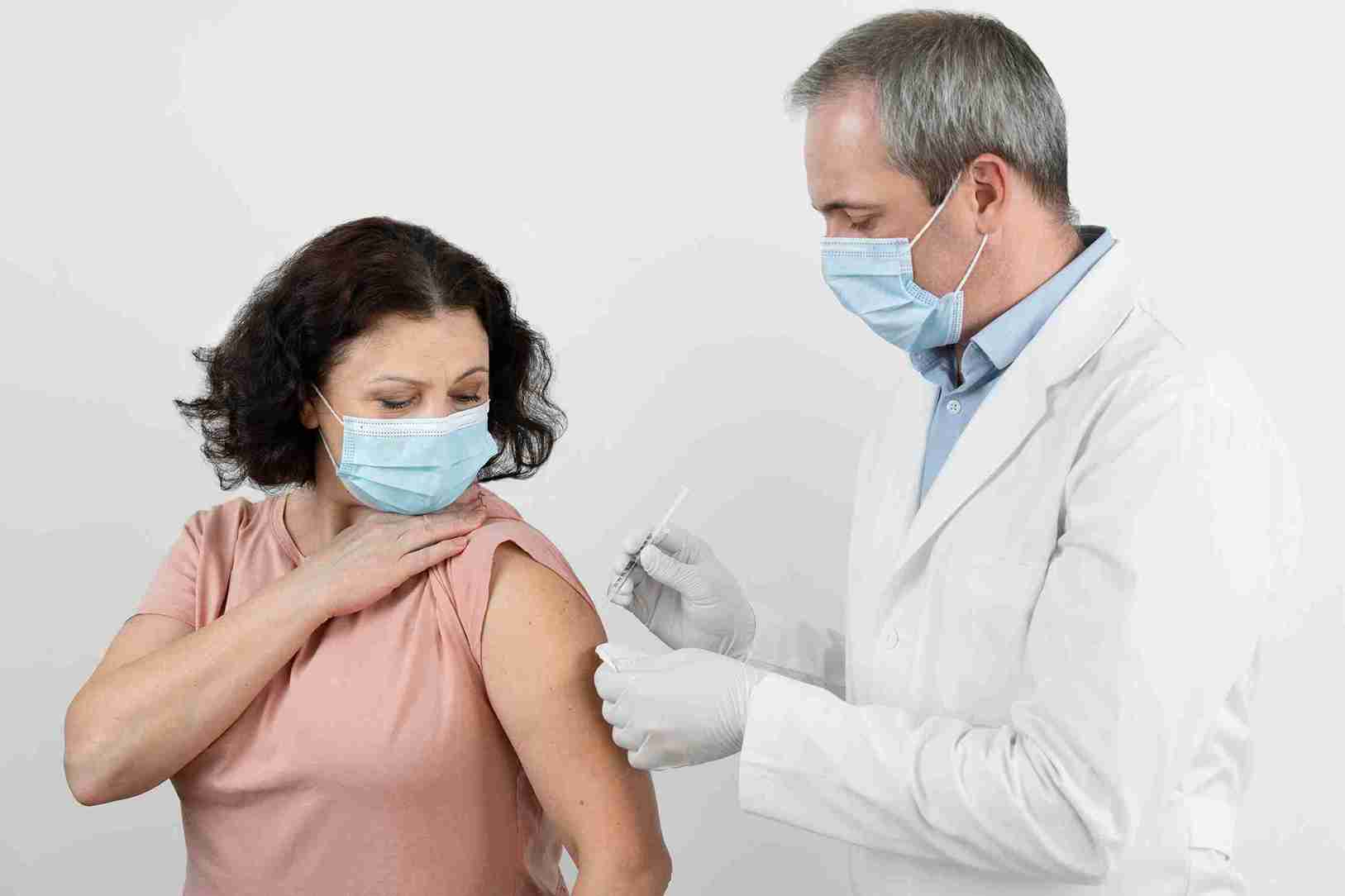
For the vaccine during pregnancy 1st trimester, the recommendation depends on the specific vaccine and the individual’s health needs. The influenza vaccine can be administered during any trimester when indicated, and the same applies to the COVID-19 vaccine based on current recommendations. For vaccinations required due to specific high-risk exposures, your doctor can assess your individual circumstances and recommend the appropriate option.
Flu shot 1st trimester can be deemed safe if the inactivated influenza vaccine is administered. Being infected with influenza may pose a serious risk to pregnant women; therefore, the vaccination can help pregnant women and also give antibodies to the baby. If influenza vaccination is advised during pregnancy, the first trimester is not necessarily a reason to postpone it.
The vaccine during pregnancy 2nd trimester can involve administration of vaccines containing tetanus vaccine depending on local vaccine schedule and vaccination history. Influenza vaccination can be administered if it was not done before. Catch-up vaccination and vaccination for specific health risks can be recommended based on your discussion with your obstetrician.
It is common practice to recommend Tdap in the third trimester, which occurs at 27-36 weeks. This timing ensures that the immune system produces antibodies that can cross the placenta prior to birth. Sometimes, other vaccines might be suggested to pregnant women who are at risk of certain diseases.
Live vaccines are generally not administered during pregnancy due to the presence of weakened viruses or bacteria in them. Examples of such vaccines include MMR (measles, mumps and rubella) and varicella (chicken pox) vaccines. Live attenuated vaccines are also usually not administered during pregnancy unless there are some special recommendations from specialists. However, if you are planning to become pregnant, your doctor can advise you about vaccinations in advance.
Vaccines that are recommended during pregnancy have undergone safety trials and were found to bring more benefits than risks. Side effects are rare and usually mild, such as pain and fatigue. It is necessary to consult your healthcare provider about the necessity of any vaccines in case of a complicated pregnancy.

Common side effects include pain or swelling at the injection site, mild fever, fatigue, and muscle aches. These usually settle within a short time. Rarely, a serious allergic reaction can occur. Seek urgent medical attention for difficulty breathing, severe swelling, fainting, or other symptoms suggesting an allergic reaction.
Speak with your doctor before vaccination if you have had a severe allergic reaction to a previous vaccine, are immunocompromised, have a high-risk pregnancy, or have experienced a significant reaction to vaccination in the past. Your obstetrician can assess your medical history and recommend the safest schedule.
At Cloudnine, vaccination guidance forms part of comprehensive antenatal care. Experienced obstetricians assess vaccination history, pregnancy stage, medical conditions, and individual risk factors before recommending appropriate immunisations. This personalised approach helps women understand why a vaccine is advised, when it should be given, and what to expect afterwards, while keeping both maternal and fetal wellbeing in focus.
Vaccination during pregnancy can provide important protection against infections for both the pregnant woman and her baby. Because timing and recommendations vary, avoid choosing vaccines or changing their schedule without medical guidance. Discuss your vaccination history with your obstetrician early in pregnancy to create a safe, appropriate immunisation plan.

Want to consult the Best Gynecologists in India? Please find the links below.
Want to consult the Best Maternity Packages in India? Please find the links below.

The timing of tetanus-containing vaccination depends on previous doses and local guidelines. Your doctor will recommend the appropriate schedule.
Some vaccines, such as influenza, can be given during any trimester when indicated, while Tdap is generally recommended during the third trimester.
If tetanus vaccination is recommended but missed, speak to your doctor. They can review your previous vaccination history and advise whether catch-up vaccination is needed.
Pregnant women should discuss vaccination at their first antenatal appointment. The timing depends on the vaccine, pregnancy stage, previous immunisation, and individual health risks.







 Best Gynecologists in Bellandur Best Gynecologists in Electronic City Best Gynecologists in HRBR LayoutBest Gynecologists in Jayanagar Best Gynecologists in Kanakapura RoadBest Gynecologists in Malleswaram Best Gynecologists in Nagarbhavi Best Gynecologists in Old Airport RoadBest Gynecologists in Sahakarnagar Best Gynecologists in Sarjapur RoadBest Gynecologists in ThanisandraBest Gynecologists in Varthur RoadBest Gynecologists in Whitefield Best Gynecologists in Industrial Area Phase IIBest Gynecologists in OMRBest Gynecologists in T NagarBest Gynecologists in New Industrial TownBest Gynecologists in IndirapuramBest Gynecologists in Golf Course RoadBest Gynecologists in Sector 14Best Gynecologists in Sector 47Best Gynecologists in Banjara HillsBest Gynecologists in GachibowliBest Gynecologists in Hitech CityBest Gynecologists in KompallyBest Gynecologists in Gomti NagarBest Gynecologists in MaladBest Gynecologists in NerulBest Gynecologists in VashiBest Gynecologists in Kailash ColonyBest Gynecologists in PatparganjBest Gynecologists in Punjabi BaghBest Gynecologists in VikaspuriBest Gynecologists in Gaur CityBest Gynecologists in Pari ChowkBest Gynecologists in Sector 51Best Gynecologists in Sector 5 Swastik ViharBest Gynecologists in Kalyani NagarBest Gynecologists in SB RoadBest Gynecologists in Pimple SaudagarBest Pediatricians in BellandurBest Pediatricians in Electronic CityBest Pediatricians in HRBR LayoutBest Pediatricians in JayanagarBest Pediatricians in Kanakapura RoadBest Pediatricians in MalleswaramBest Pediatricians in NagarbhaviBest Pediatricians in Old Airport RoadBest Pediatricians in SahakarnagarBest Pediatricians in Sarjapur RoadBest Pediatricians in ThanisandraBest Pediatricians in Varthur RoadBest Pediatricians in WhitefieldBest Pediatricians in Industrial Area Phase IIBest Pediatricians in OMRBest Pediatricians in T NagarBest Pediatricians in New Industrial TownshipBest Pediatricians in IndirapuramBest Pediatricians in Golf Course RoadBest Pediatricians in Sector 14Best Pediatricians in Sector 47Best Pediatricians in Hitech CityBest Pediatricians in Banjara HillsBest Pediatricians in GachibowliBest Pediatricians in KompallyBest Pediatricians in Gomti NagarBest Pediatricians in MaladBest Pediatricians in NerulBest Pediatricians in VashiBest Pediatricians in Kailash ColonyBest Pediatricians in PatparganjBest Pediatricians in Punjabi BaghBest Pediatricians in VikaspuriBest Pediatricians in Gaur CityBest Pediatricians in Pari ChowkBest Pediatricians in Sector 51Best Pediatricians in Sector 5 Swastik ViharBest Pediatricians in Kalyani NagarBest Pediatricians in SB RoadBest Pediatricians in Pimple Saudagar