
What you eat during pregnancy is directly proportional to how you feel and also how your baby's brain, bones, organs, and immune system develop. The nutritional demands of pregnancy change significantly across the three trimesters; the body needs different things at different stages, and understanding this helps you eat with purpose rather than just eating more.
A healthy pregnancy meal plan does not need to be complicated or expensive. Indian home cooking with dal, vegetables, roti, rice, curd, and seasonal fruit is already nutritionally strong at its core. The challenge is knowing what to add, what to limit, and what to avoid entirely.

Pregnancy Diet First Trimester
The first trimester is the most critical period for foetal development. Every major organ begins forming in the first 12 weeks. Nutritional deficiencies during this window can have lasting effects.
The catch is that this is also when nausea, food aversions, and fatigue are at their worst. Many women find eating anything at all a challenge between weeks 6-10. The strategy here is not about eating perfectly, it is about keeping something down, prioritising key nutrients, and adjusting as the symptoms allow. Here are the foods to eat during pregnancy 1st semester:
Folic acid is the most critical nutrient in the first trimester. It supports the formation of the neural tube which closes between weeks 3-4 of pregnancy, often before a woman knows she is pregnant. The recommended dose is 400 to 500 micrograms daily, starting at least one month before conception and continuing through the first trimester.
Foods rich in folic acid are green leafy vegetables, dal, rajma, and fortified cereals. Still, the folic acid obtained from diet alone is not sufficient, and a supplement is necessary.
Eat food in small quantities every 2-3 hours
Dry biscuits or roasted chana can help with morning nausea
Cold or room-temperature food is often better tolerated than hot food
Stay away from strong smells when you are having peak nausea
Ginger can help
Iron and vitamin C are essential to support the rapid increase in blood
Vitamin D levels need to be checked and supplemented if deficient
Stay hydrated as nausea and vomiting increase dehydration risk

By week 13, nausea usually eases. Appetite returns. The baby is now growing rapidly, and the body's nutritional demands increase noticeably. This is the trimester to build the dietary pattern that will carry through to delivery.
The baby's bones and teeth are developing rapidly in the 2nd trimester. Calcium demand increases significantly. The general recommendation is to take around 1,000 mg per day during pregnancy. Good sources in the Indian diet are curd, milk, paneer, ragi, and sesame seeds.
Iron requirements in pregnancy nearly double from the non-pregnant state. The body needs iron to produce the additional red blood cells needed to carry oxygen to the baby. Iron deficiency anaemia is the most common nutritional problem in pregnant women and is strongly linked to preterm birth and low birth weight. Iron-rich foods like dal, green leafy vegetables, eggs, lean meat, jaggery, rajma, and chana need to be a part of your daily diet. Pair iron-rich foods with vitamin C in the form of lemon, fresh tomatoes, or amla to significantly improve absorption.
Protein is needed for the baby's tissue and organ development. Recommended intake increases to around 70-80 grams per day during pregnancy. Most women eat a dal-based diet with eggs or dairy, but it is worth tracking on days when appetite is low.
The baby gains most of its weight in the third trimester, roughly 50% of birth weight is put on in the last ten weeks. The body is also preparing for labour and breastfeeding. Nutritional demands are at their peak.
Omega-3 fatty acids support the baby's brain and eye development, which are both rapid in the third trimester. Good sources include fatty fish, walnuts, and flaxseeds. Women who do not eat fish regularly should discuss a DHA supplement with their doctor.
Calorie needs increase by approximately 300 to 350 calories per day in the third trimester. This is not as much as many people assume, it is roughly an extra bowl of dal and a small portion of rice.
Heartburn is very common in the third trimester as the growing uterus pushes against the stomach. Practical dietary adjustments:
Eat smaller meals rather than three large ones
Avoid very spicy food, oily food, and citrus before bed
Do not lie down immediately after eating, sit upright for at least 30 minutes
Eat your dinner at least two hours before sleeping
Progesterone slows gut motility in pregnancy, and iron supplements worsen constipation in many women. Increasing fibre from vegetables, dal, and whole grains, and drinking adequate water, are the main dietary approaches.
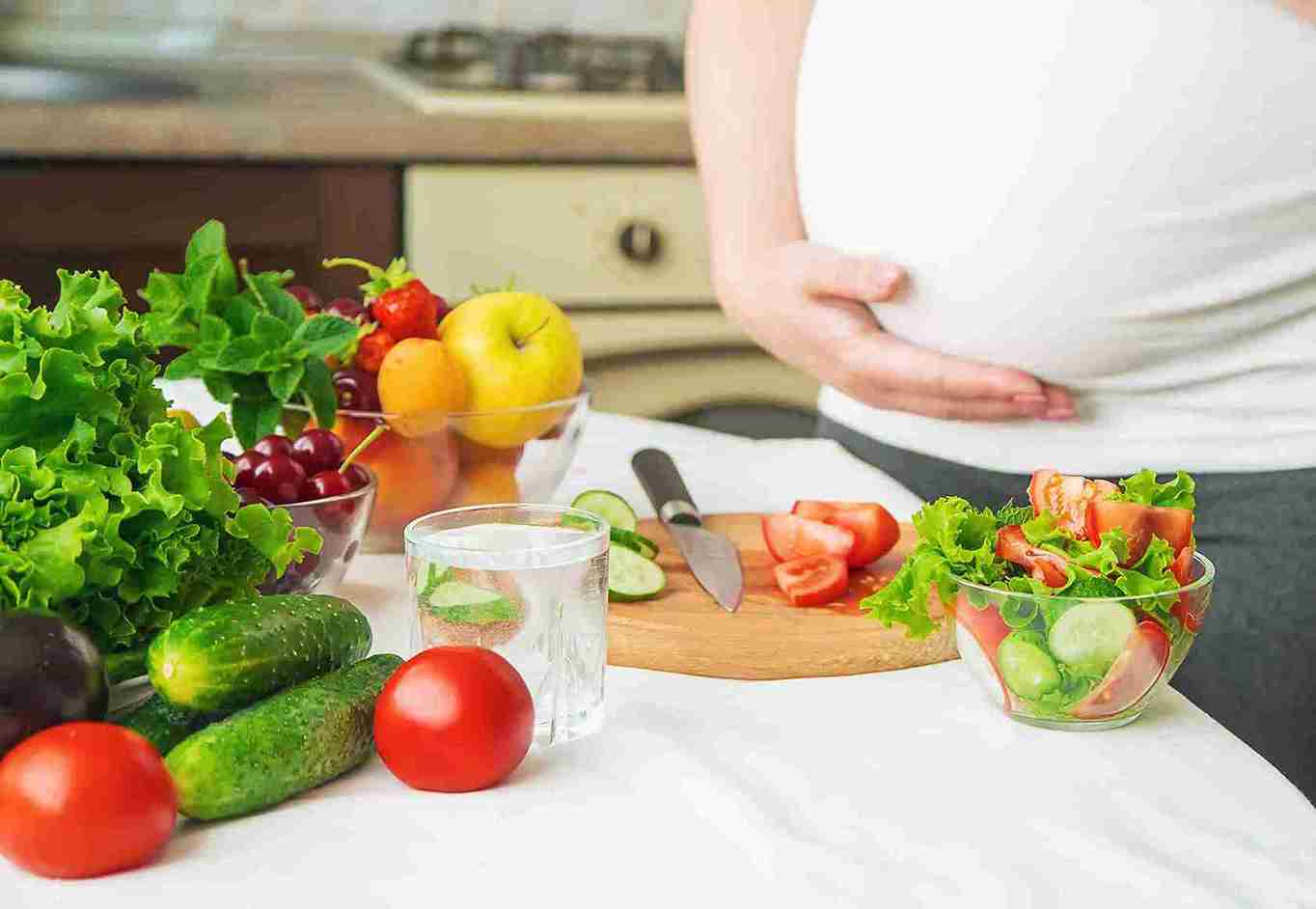
Include at every meal:
A source of protein in the form of dal, eggs, paneer, curd, fish, or chicken
A carbohydrate like roti, rice, oats, or ragi for sustained energy
Vegetables like seasonal ones, leafy greens, tomatoes, and carrots
A healthy fat in small amount like ghee, nuts, or seeds
Eat regularly:
Fresh fruits like amla, banana, and papaya only if ripe
Curd should be a part of the daily diet for calcium and gut-friendly bacteria
Coconut water for natural electrolytes
Hydration:
Aim for 8-10 glasses of water daily. This goes up in the second and third trimesters and further in hot weather or if vomiting has been significant. Dehydration in pregnancy can trigger contractions, reduce amniotic fluid, and worsen constipation.
Avoid entirely:
Raw or undercooked meat, eggs, and seafood due to risk of bacterial infection
Unpasteurised dairy and soft cheeses from local vendors due to risk of listeria
Raw or semi-ripe papaya that may stimulate uterine contractions
Alcohol as there is no safe level during pregnancy
Very high caffeine intake
Street food and cut fruit left out for long for the risk of foodborne illness
Limit:
Very salty, heavily processed, or fried food as it increases blood pressure and swelling
Excess sugar but critical for those with gestational diabetes
Yes, for most women. Diet alone rarely covers all nutritional gaps in pregnancy.
Standard supplements recommended during pregnancy in India:
Folic acid, right from before conception through the first trimester at minimum
Iron and folic acid combination, usually from the second trimester, sometimes earlier if anaemia is detected
Calcium in women with low dairy intake
Vitamin D based on deficiency
DHA/Omega-3, if fish intake is low or not there

A good pregnancy diet is not about eating perfectly every day; it is about consistent, balanced choices that give the baby what it needs at each stage of development. Start with folic acid before conception, build on iron and calcium through the second trimester, and prioritise omega-3 and protein in the third. Eat well, drink enough water, take your prescribed supplements, and keep your antenatal appointments.
Want to consult the Best Gynecologists in India? Please find the links below.
Want to consult the Best Maternity Packages in India? Please find the links below.

Aim for 8-10 glasses of water per day, more in summer or if vomiting has been significant. Adequate hydration in pregnancy supports amniotic fluid levels, reduces constipation, helps prevent urinary tract infections, and reduces the risk of dehydration-related contractions. Coconut water and diluted lemon juice are good additions. Dark yellow urine is a sign of dehydration and means fluid intake needs to increase immediately.
Avoid raw or undercooked meat, eggs, and seafood, unpasteurised dairy, raw or semi-ripe papaya, alcohol, and very high caffeine. Street food and cut fruit left out for long carry infection risk. Limit very salty and heavily fried food, and keep sugar in check, especially if you have gestational diabetes. These are the main food restrictions, and they apply across all three trimesters without exception.
Protein requirements increase to approximately 70-80 grams per day during pregnancy. Most women eating a dal-based diet with eggs or dairy meet much of this. Include a protein source at every meal, and this becomes easier to achieve without tracking every gram. This is a core part of any pregnancy nutrition guide.
Yes, for most women. Diet alone rarely covers all nutritional needs in pregnancy, especially folic acid, iron, vitamin D, and sometimes calcium. A good pregnancy diet always has supplements along with dietary changes. Folic acid should be started before conception. Iron, calcium, and vitamin D are assessed through blood tests and prescribed based on individual levels. Do not self-prescribe beyond a standard prenatal supplement without medical guidance.







 Best Gynecologists in Bellandur Best Gynecologists in Electronic City Best Gynecologists in HRBR LayoutBest Gynecologists in Jayanagar Best Gynecologists in Kanakapura RoadBest Gynecologists in Malleswaram Best Gynecologists in Nagarbhavi Best Gynecologists in Old Airport RoadBest Gynecologists in Sahakarnagar Best Gynecologists in Sarjapur RoadBest Gynecologists in ThanisandraBest Gynecologists in Varthur RoadBest Gynecologists in Whitefield Best Gynecologists in Industrial Area Phase IIBest Gynecologists in OMRBest Gynecologists in T NagarBest Gynecologists in New Industrial TownBest Gynecologists in IndirapuramBest Gynecologists in Golf Course RoadBest Gynecologists in Sector 14Best Gynecologists in Sector 47Best Gynecologists in Banjara HillsBest Gynecologists in GachibowliBest Gynecologists in Hitech CityBest Gynecologists in KompallyBest Gynecologists in Gomti NagarBest Gynecologists in MaladBest Gynecologists in NerulBest Gynecologists in VashiBest Gynecologists in Kailash ColonyBest Gynecologists in PatparganjBest Gynecologists in Punjabi BaghBest Gynecologists in VikaspuriBest Gynecologists in Gaur CityBest Gynecologists in Pari ChowkBest Gynecologists in Sector 51Best Gynecologists in Sector 5 Swastik ViharBest Gynecologists in Kalyani NagarBest Gynecologists in SB RoadBest Gynecologists in Pimple SaudagarBest Pediatricians in BellandurBest Pediatricians in Electronic CityBest Pediatricians in HRBR LayoutBest Pediatricians in JayanagarBest Pediatricians in Kanakapura RoadBest Pediatricians in MalleswaramBest Pediatricians in NagarbhaviBest Pediatricians in Old Airport RoadBest Pediatricians in SahakarnagarBest Pediatricians in Sarjapur RoadBest Pediatricians in ThanisandraBest Pediatricians in Varthur RoadBest Pediatricians in WhitefieldBest Pediatricians in Industrial Area Phase IIBest Pediatricians in OMRBest Pediatricians in T NagarBest Pediatricians in New Industrial TownshipBest Pediatricians in IndirapuramBest Pediatricians in Golf Course RoadBest Pediatricians in Sector 14Best Pediatricians in Sector 47Best Pediatricians in Hitech CityBest Pediatricians in Banjara HillsBest Pediatricians in GachibowliBest Pediatricians in KompallyBest Pediatricians in Gomti NagarBest Pediatricians in MaladBest Pediatricians in NerulBest Pediatricians in VashiBest Pediatricians in Kailash ColonyBest Pediatricians in PatparganjBest Pediatricians in Punjabi BaghBest Pediatricians in VikaspuriBest Pediatricians in Gaur CityBest Pediatricians in Pari ChowkBest Pediatricians in Sector 51Best Pediatricians in Sector 5 Swastik ViharBest Pediatricians in Kalyani NagarBest Pediatricians in SB RoadBest Pediatricians in Pimple Saudagar


