
Every child learns at their own pace. Some kids pick up reading and writing fast, while others need a bit more time to get it. It is normal for kids to learn at different speeds. But when a child is still having trouble even after practising every day, parents start to think that maybe something else is going on with the child’s learning.
Learning difficulties in children can influence how they understand, process or apply information, making certain school tasks more challenging. Recognising these challenges early allows children to receive the right support before learning difficulties begin to affect their confidence, academic progress or emotional wellbeing.
This article explains the signs of learning disabilities in children, explores the possible causes of learning difficulties in kids, discusses common learning disorders in children, and outlines when it's appropriate to seek professional advice.
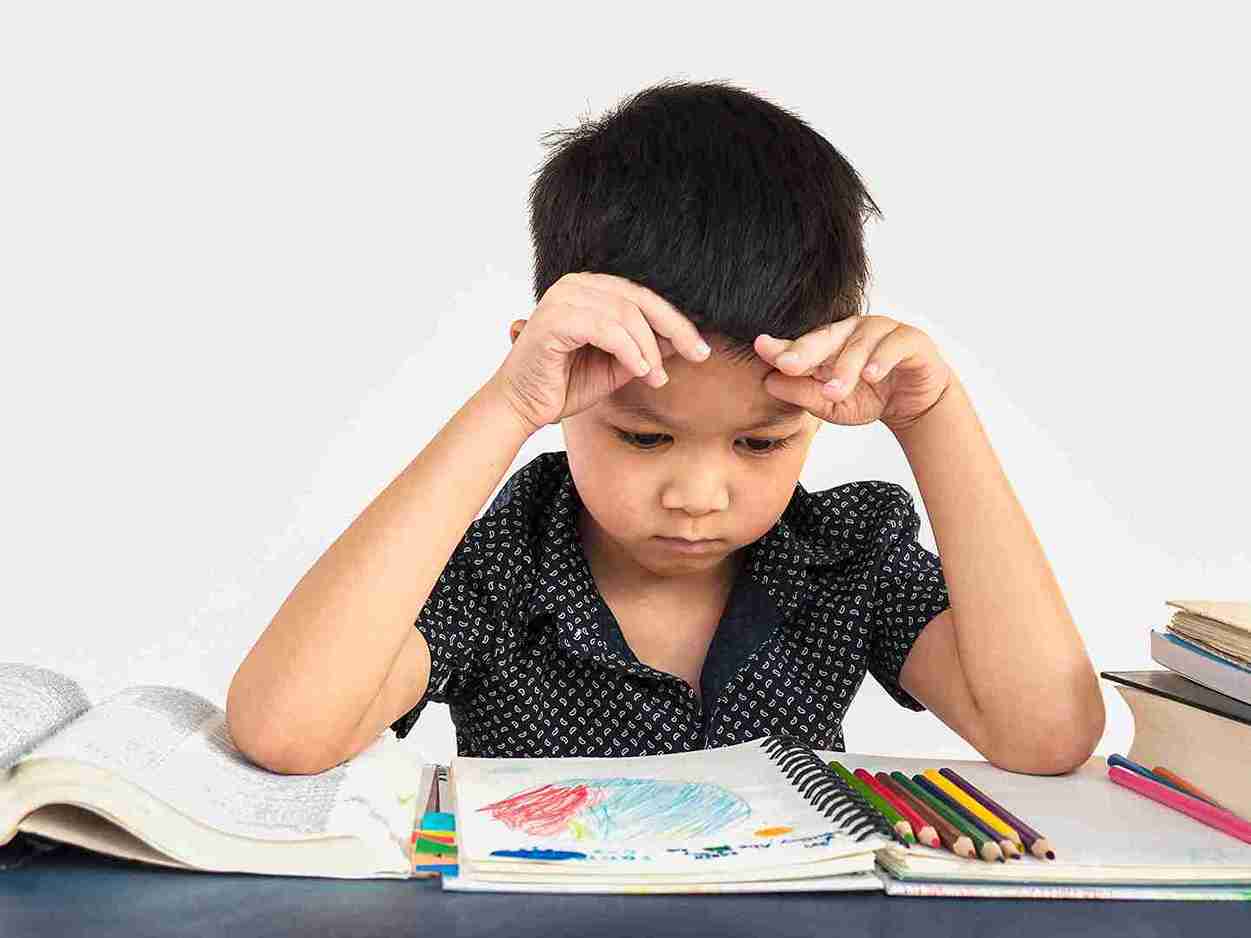
Learning difficulties are a broad term used to describe challenges that affect how a child learns certain skills, such as reading, writing, spelling or mathematics. Every child learns differently, and having a learning difficulty does NOT mean a child lacks intelligence or the ability to succeed.
Some kids learn at a slower pace that gets better when they get extra help. Other kids might have something called dyslexia, dysgraphia or dyscalculia, which are known to be learning disorders in children. When we find out about these issues, we can make sure kids get the help they need to do their best. With appropriate support, children with learning difficulties can continue to learn, develop new skills and thrive both in school and beyond.
Learning difficulties are not:
Children develop academic skills at different rates, but persistent challenges across home and school may indicate that additional support is needed. Recognising the signs of learning disabilities in children early allows timely assessment and intervention.
Children who experience ongoing learning challenges may also become reluctant to participate in classroom activities or avoid tasks they find difficult. Recognising these changes early can help protect both their learning progress and self-confidence.

Not every learning challenge means a child has a learning disorder. However, if difficulties persist despite regular teaching, practice and encouragement, it's worth discussing your concerns with a paediatrician.
Consider seeking an assessment if your child:
An assessment is not a test that children pass or fail. Its purpose is to understand how your child learns, identify both their strengths and areas where they may need support, and guide the most appropriate interventions. Seeking help early can make learning more enjoyable and help children build confidence in their abilities.
There isn't a single cause of learning difficulties in children. In many cases, several factors may contribute to or affect how a child learns. Understanding these factors helps guide the right support rather than placing blame on the child or family.
Some children process information differently because of natural differences in brain development. Learning difficulties may also run in families, making family history one of several factors that healthcare professionals consider during an assessment.
Speech and language difficulties can affect how children understand instructions, express ideas or develop early literacy skills. These challenges may influence learning, particularly in the early school years.
A child's learning may also be influenced by:
These factors do not automatically mean a child has a learning disorder, but they can affect classroom performance and should be assessed when concerns arise. Learning difficulties are not the result of poor parenting or being lazy. With the right support, children can continue to develop their skills and achieve their potential.
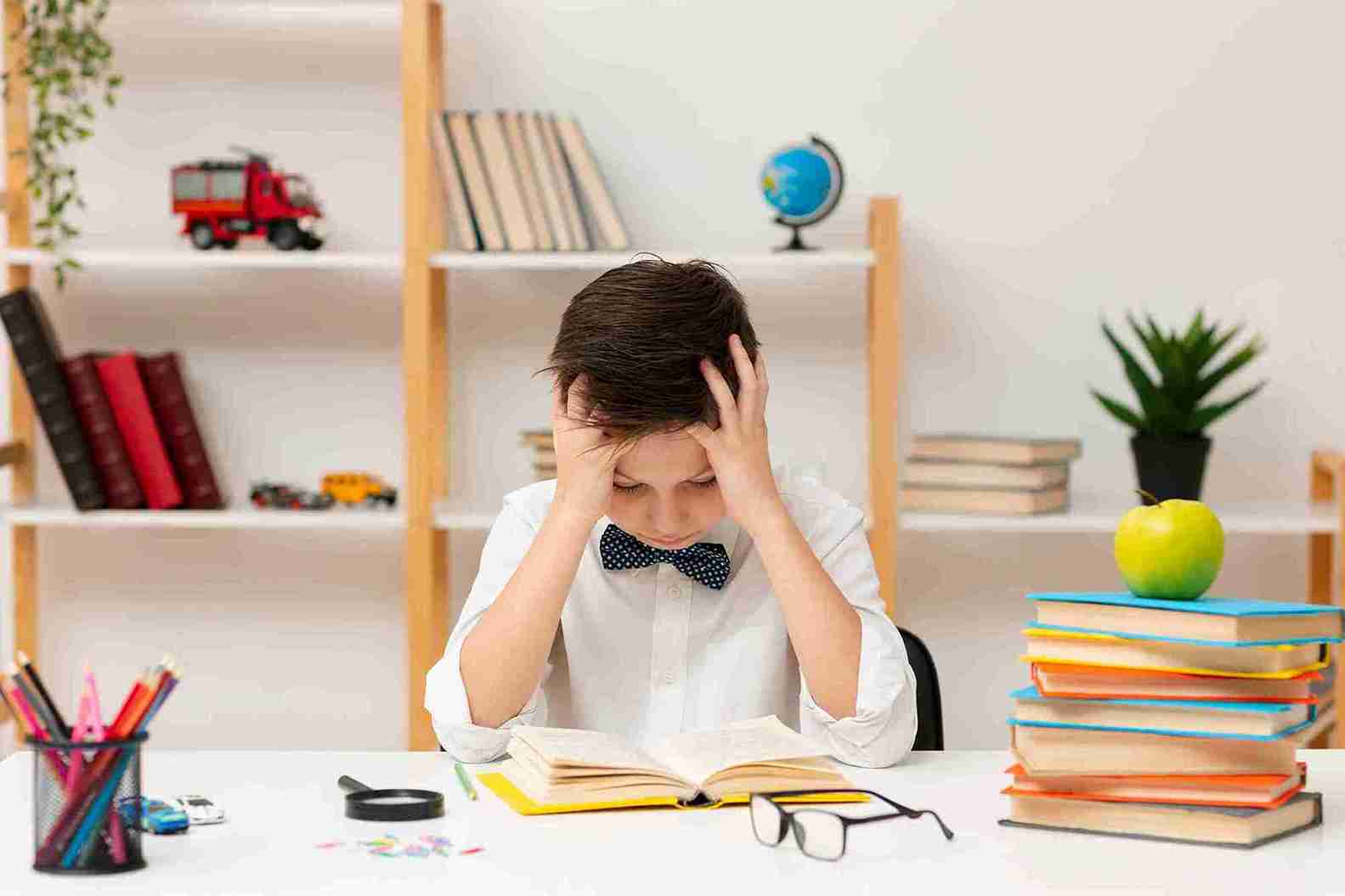
Some children with persistent learning challenges may be diagnosed with specific learning disorders in children. These affect particular academic skills but do not reflect a child's intelligence or ability to learn.
Dyslexia primarily affects reading and language-based skills. Children may have difficulty recognising words, reading fluently or understanding what they read.
Dysgraphia affects writing skills. It may make handwriting, spelling or organising written thoughts more difficult.
Dyscalculia affects mathematical understanding. Children may struggle with numbers, calculations or understanding mathematical concepts appropriate for their age.
Only a comprehensive assessment can determine whether a child has a specific learning disorder. An accurate diagnosis helps identify the most effective strategies and support for that child's individual needs.
Support for learning difficulties in children is personalised because every child has unique strengths, challenges and learning styles. The goal is not simply to improve academic performance but also to build confidence and help children participate fully in learning.
Depending on your child's needs, support may include:
Schools play an important role by providing:
Support at home is equally valuable. Parents can help by:
With early identification and a collaborative approach involving families, schools and healthcare professionals, many children develop the skills and confidence they need to succeed academically and beyond.
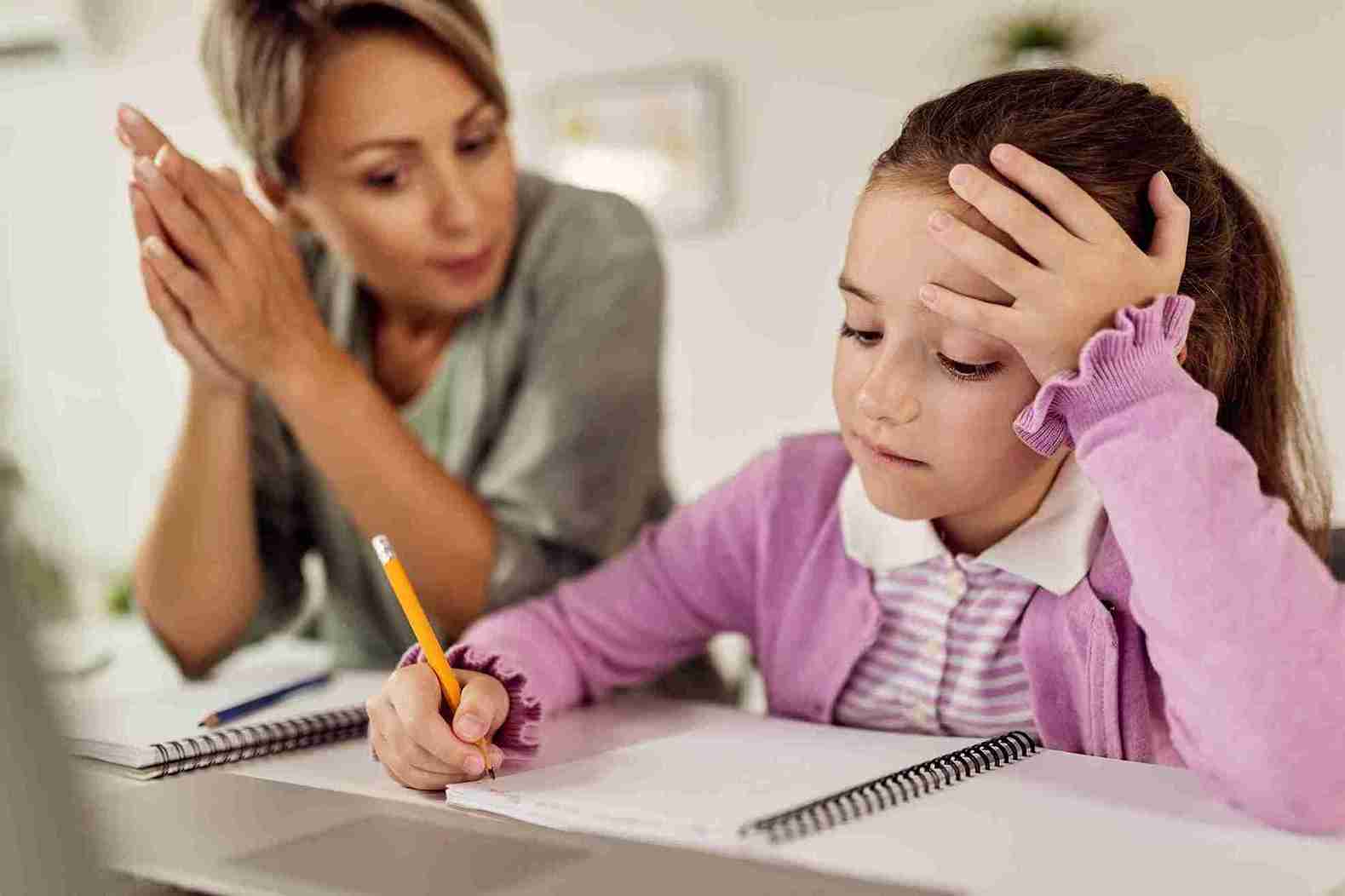
Parents are really important for kids who have trouble learning. They can help these children feel good about themselves and know that someone is there to support them. Small, consistent steps at home can reinforce what children learn at school and encourage a positive attitude towards learning.
You can support your child by:
Children with learning difficulties in children often benefit most when parents, teachers and healthcare professionals work together. Encouragement, patience and realistic expectations can help them develop resilience and enjoy learning at their own pace.
Every child has their own way of learning, growing and developing new skills. While learning difficulties in children can make certain academic tasks more challenging, they do not define a child's intelligence, abilities or future potential.
Recognising the signs of learning disabilities in children at an early stage and seeking appropriate support can have a significant impact on a child’s development. An assessment helps identify both strengths and areas where additional guidance may be needed, allowing children to receive personalised support that builds confidence as well as academic skills.
With understanding, encouragement and the right interventions, children with learning disorders in children can continue to learn successfully, participate confidently in school and reach their full potential.

The most common learning disorders in children include dyslexia, which impacts reading skills dysgraphia, which affects writing dyscalculia, which interferes with mathematical abilities. A thorough assessment can help identify whether a child has a specific learning disorder and guide appropriate support strategies.
No. ADHD (Attention-Deficit/Hyperactivity Disorder) and learning disorders are different conditions. ADHD mainly affects attention, impulse control and activity levels, while learning disorders affect specific academic skills such as reading, writing or maths. Some children may have both conditions, which is why a professional assessment is important.
Speech and language delays can impact a child’s ability to understand, process, and express information, potentially affecting reading, writing, and overall academic performance. Early identification, assessment, and targeted intervention can help strengthen communication skills and support successful learning and development.
Schools can support children by making appropriate adjustments in the classroom, using teaching strategies that suit their learning needs, providing extra support when required, and working closely with parents and healthcare professionals. A collaborative approach can help children gain confidence and make the most of their abilities.







 Best Gynecologists in Bellandur Best Gynecologists in Electronic City Best Gynecologists in HRBR LayoutBest Gynecologists in Jayanagar Best Gynecologists in Kanakapura RoadBest Gynecologists in Malleswaram Best Gynecologists in Nagarbhavi Best Gynecologists in Old Airport RoadBest Gynecologists in Sahakarnagar Best Gynecologists in Sarjapur RoadBest Gynecologists in ThanisandraBest Gynecologists in Varthur RoadBest Gynecologists in Whitefield Best Gynecologists in Industrial Area Phase IIBest Gynecologists in OMRBest Gynecologists in T NagarBest Gynecologists in New Industrial TownBest Gynecologists in IndirapuramBest Gynecologists in Golf Course RoadBest Gynecologists in Sector 14Best Gynecologists in Sector 47Best Gynecologists in Banjara HillsBest Gynecologists in GachibowliBest Gynecologists in Hitech CityBest Gynecologists in KompallyBest Gynecologists in Gomti NagarBest Gynecologists in MaladBest Gynecologists in NerulBest Gynecologists in VashiBest Gynecologists in Kailash ColonyBest Gynecologists in PatparganjBest Gynecologists in Punjabi BaghBest Gynecologists in VikaspuriBest Gynecologists in Gaur CityBest Gynecologists in Pari ChowkBest Gynecologists in Sector 51Best Gynecologists in Sector 5 Swastik ViharBest Gynecologists in Kalyani NagarBest Gynecologists in SB RoadBest Gynecologists in Pimple SaudagarBest Pediatricians in BellandurBest Pediatricians in Electronic CityBest Pediatricians in HRBR LayoutBest Pediatricians in JayanagarBest Pediatricians in Kanakapura RoadBest Pediatricians in MalleswaramBest Pediatricians in NagarbhaviBest Pediatricians in Old Airport RoadBest Pediatricians in SahakarnagarBest Pediatricians in Sarjapur RoadBest Pediatricians in ThanisandraBest Pediatricians in Varthur RoadBest Pediatricians in WhitefieldBest Pediatricians in Industrial Area Phase IIBest Pediatricians in OMRBest Pediatricians in T NagarBest Pediatricians in New Industrial TownshipBest Pediatricians in IndirapuramBest Pediatricians in Golf Course RoadBest Pediatricians in Sector 14Best Pediatricians in Sector 47Best Pediatricians in Hitech CityBest Pediatricians in Banjara HillsBest Pediatricians in GachibowliBest Pediatricians in KompallyBest Pediatricians in Gomti NagarBest Pediatricians in MaladBest Pediatricians in NerulBest Pediatricians in VashiBest Pediatricians in Kailash ColonyBest Pediatricians in PatparganjBest Pediatricians in Punjabi BaghBest Pediatricians in VikaspuriBest Pediatricians in Gaur CityBest Pediatricians in Pari ChowkBest Pediatricians in Sector 51Best Pediatricians in Sector 5 Swastik ViharBest Pediatricians in Kalyani NagarBest Pediatricians in SB RoadBest Pediatricians in Pimple Saudagar


