





Your toddler catches a cold, and before long, you notice a whistling sound while they breathe. It may even happen every time they have a viral infection, leaving you wondering why it keeps coming back and whether it's a sign of asthma.
One possible explanation is WALRI in children (Wheeze-Associated Lower Respiratory Illness). Many children get this, especially when they are 1 to 3 years old. When kids get a virus, it can make them wheeze. Have other problems with their breathing. Most kids get better with the care, but some episodes can cause difficulty breathing in toddlers and require prompt medical attention. This guide explains what WALRI is, why it happens, how it is treated, and when you should seek medical care.
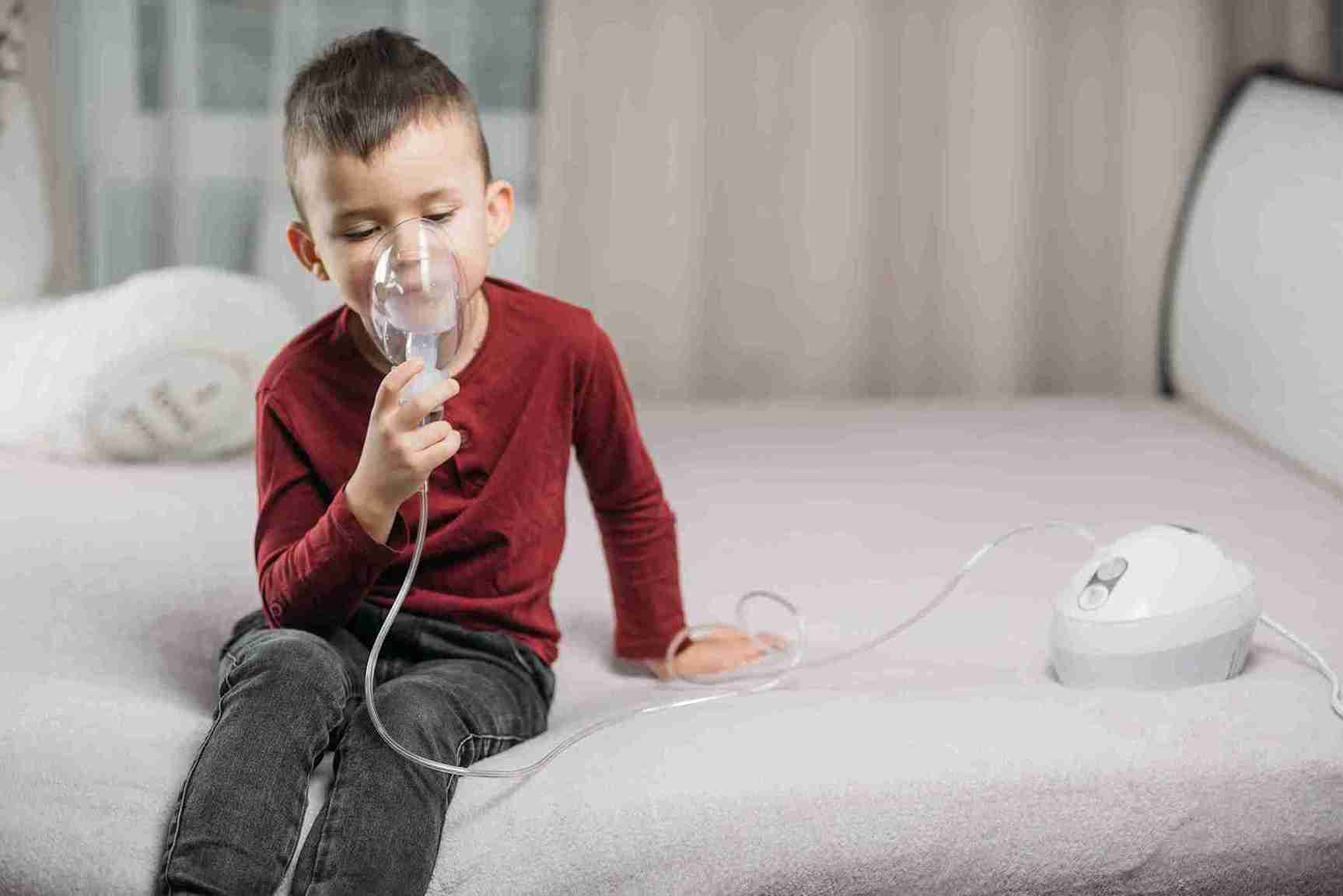
WALRI stands for Wheeze-Associated Lower Respiratory Illness and refers to episodes of wheezing and lower respiratory symptoms that commonly occur in young children, often during viral infections. The reason why WALRI in children is particularly common between one and three years of age is that their airways are smaller and more easily narrowed during illness.
When a virus causes inflammation and swelling in the lower airways, the narrowed air passages can produce a high-pitched whistling sound known as wheezing. Some children may experience only one episode, while others develop wheezing with several viral infections during early childhood. Although the symptoms can be worrying, WALRI does not automatically mean a child has asthma. Many children outgrow these episodes as their lungs and airways continue to develop.
The symptoms of WALRI usually appear during or shortly after a viral illness, such as a common cold. They may range from mild to more noticeable, depending on the extent of airway involvement.
Some of the symptoms are:
Some children experience mild symptoms that improve with supportive care, while others may develop more significant breathing difficulties that require medical assessment.
Young children's airways are naturally smaller than those of older children and adults. During a viral infection, the lining of these airways becomes inflamed and produces excess mucus, further narrowing them.
When air passes through narrowed airways, it produces the typical wheezing sound. That is why many parents notice recurrent wheezing in children whenever they catch a cold, even though the child may be completely well between illnesses. Not every child responds to viral infections in the same way. Some kids are more sensitive to airway inflammation, which makes them more likely to wheeze during respiratory infections, even without asthma.
Yes. Many young children experience more than one episode of WALRI, particularly during the years when viral infections are most common. Repeated episodes of recurrent wheezing in children do not automatically mean a child has asthma. As children's lungs and airways grow, many experience fewer wheezing episodes and eventually stop wheezing altogether.
But if wheezing becomes frequent, occurs even without a cold or is associated with allergies or eczema, your paediatrician may recommend further assessment to determine whether another underlying condition is contributing to the symptoms.
Not every toddler who catches a cold will wheeze. Some children simply have airways that are more sensitive during viral infections, making them more likely to develop WALRI.
Your child may be at a higher risk if they:
Having one or more of these risk factors doesn't mean your child will definitely develop WALRI. They simply make wheezing episodes more likely while the airways are still growing and developing.
One of the biggest worries parents have is whether repeated wheezing means their child has asthma. The answer is not necessarily. WALRI usually occurs when a viral infection temporarily narrows the airways. Between illnesses, many children breathe normally and remain completely symptom-free.
Asthma is different. Children with asthma may wheeze not only during colds but also after exercise, exposure to allergens or changes in the weather. Their symptoms are more likely to keep returning over time. Because the symptoms can overlap, your paediatrician may recommend monitoring your child's pattern of wheezing over several months before deciding whether asthma is a possibility.

Treatment depends on how unwell your child is and how much the wheezing is affecting their breathing. For children with mild illness, treatment often focuses on keeping them comfortable while the viral infection improves. Your paediatrician may also recommend medicines to help open the airways if wheezing is making breathing more difficult.
Depending on your child's symptoms, WALRI treatment for children may include:
Antibiotics are not routinely needed, as WALRI is usually triggered by viral rather than bacterial infections. The most appropriate treatment depends on your child's age, symptoms and medical history. Always follow your paediatrician's advice rather than using medicines prescribed for another child.
A wheezing child should always be closely monitored, but certain symptoms require immediate medical attention.
Seek medical care promptly if your child:
Also, difficulty breathing in toddlers makes it hard for them to talk, cry, or play normally. So note these changes as well. If you're ever unsure whether your child's breathing is normal, it's safer to have them assessed than to wait for symptoms to worsen.
Parents are often concerned that repeated wheezing means their child will need several tests. Fortunately, that's not usually the case. In most children, WALRI is diagnosed based on a combination of your child's medical history, the pattern of wheezing episodes and a physical examination. Your paediatrician will ask questions such as when the wheezing started, whether it occurs only during colds, and whether there is a family history of asthma or allergies.
Additional tests are not routinely needed. They may be recommended only if the symptoms are severe or unusual, don't improve as expected, or keep returning without a clear trigger.
The good news is that most children start feeling better as the viral infection settles. The wheezing usually improves over the next few days, although the cough may linger a little longer.
While your child is recovering, you can help by:
Recovery doesn't always happen at the same pace for every child. If your toddler seems to be improving but suddenly starts breathing harder again, develops a high fever or becomes less active than usual, arrange a medical review.
Hearing your child wheeze can be frightening, especially if it happens more than once. The reassuring news is that many toddlers who experience WALRI in children grow out of these episodes as their lungs and airways mature.
Knowing what symptoms to watch for, following the treatment plan recommended by your paediatrician and recognising when to seek medical care can help you manage future episodes with greater confidence. If your child continues to have recurrent wheezing in children or develops symptoms even when they don't have a cold, speak to your paediatrician about whether further assessment is needed.

Want to consult the Best Pediatrician in India? Please find the links below.

WALRI (Wheeze-Associated Lower Respiratory Illness) is a condition in which young children develop wheezing during viral respiratory infections. It is most commonly seen between one and three years of age because their airways are smaller and more easily narrowed. Many children recover completely as they grow older.
No. WALRI and asthma are not the same, although they can have similar symptoms. WALRI usually causes wheezing during viral infections, whereas asthma can also be triggered by exercise, allergens or other factors. Your paediatrician may monitor your child's symptoms over time before confirming a diagnosis.
Yes. Some children wheeze with several viral infections during their early years. Repeated episodes do not automatically mean a child has asthma, and many outgrow viral wheezing as their lungs mature. If episodes become frequent or occur without a cold, further evaluation may be recommended.
WALRI is usually diagnosed through your child's medical history and a physical examination. Your paediatrician will consider the pattern of wheezing, associated symptoms and previous episodes before deciding if further tests are needed. Investigations are generally reserved for children with severe, persistent or unusual symptoms.


 Best Gynecologists in Bellandur Best Gynecologists in Electronic City Best Gynecologists in HRBR LayoutBest Gynecologists in Jayanagar Best Gynecologists in Kanakapura RoadBest Gynecologists in Malleswaram Best Gynecologists in Nagarbhavi Best Gynecologists in Old Airport RoadBest Gynecologists in Sahakarnagar Best Gynecologists in Sarjapur RoadBest Gynecologists in ThanisandraBest Gynecologists in Varthur RoadBest Gynecologists in Whitefield Best Gynecologists in Industrial Area Phase IIBest Gynecologists in OMRBest Gynecologists in T NagarBest Gynecologists in New Industrial TownBest Gynecologists in IndirapuramBest Gynecologists in Golf Course RoadBest Gynecologists in Sector 14Best Gynecologists in Sector 47Best Gynecologists in Banjara HillsBest Gynecologists in GachibowliBest Gynecologists in Hitech CityBest Gynecologists in KompallyBest Gynecologists in Gomti NagarBest Gynecologists in MaladBest Gynecologists in NerulBest Gynecologists in VashiBest Gynecologists in Kailash ColonyBest Gynecologists in PatparganjBest Gynecologists in Punjabi BaghBest Gynecologists in VikaspuriBest Gynecologists in Gaur CityBest Gynecologists in Pari ChowkBest Gynecologists in Sector 51Best Gynecologists in Sector 5 Swastik ViharBest Gynecologists in Kalyani NagarBest Gynecologists in SB RoadBest Gynecologists in Pimple SaudagarBest Pediatricians in BellandurBest Pediatricians in Electronic CityBest Pediatricians in HRBR LayoutBest Pediatricians in JayanagarBest Pediatricians in Kanakapura RoadBest Pediatricians in MalleswaramBest Pediatricians in NagarbhaviBest Pediatricians in Old Airport RoadBest Pediatricians in SahakarnagarBest Pediatricians in Sarjapur RoadBest Pediatricians in ThanisandraBest Pediatricians in Varthur RoadBest Pediatricians in WhitefieldBest Pediatricians in Industrial Area Phase IIBest Pediatricians in OMRBest Pediatricians in T NagarBest Pediatricians in New Industrial TownshipBest Pediatricians in IndirapuramBest Pediatricians in Golf Course RoadBest Pediatricians in Sector 14Best Pediatricians in Sector 47Best Pediatricians in Hitech CityBest Pediatricians in Banjara HillsBest Pediatricians in GachibowliBest Pediatricians in KompallyBest Pediatricians in Gomti NagarBest Pediatricians in MaladBest Pediatricians in NerulBest Pediatricians in VashiBest Pediatricians in Kailash ColonyBest Pediatricians in PatparganjBest Pediatricians in Punjabi BaghBest Pediatricians in VikaspuriBest Pediatricians in Gaur CityBest Pediatricians in Pari ChowkBest Pediatricians in Sector 51Best Pediatricians in Sector 5 Swastik ViharBest Pediatricians in Kalyani NagarBest Pediatricians in SB RoadBest Pediatricians in Pimple Saudagar


