
Some newborns breathe faster than usual during the first few hours after birth. While this can be alarming for parents, one of the most common reasons is transient tachypnea of the newborn (TTN), a temporary breathing condition seen in otherwise healthy babies. It occurs when extra fluid remains in the baby's lungs after birth, making breathing less efficient until the fluid is absorbed.
Unlike many serious respiratory conditions, TTN usually improves with supportive care over the next few days. Early assessment helps doctors distinguish it from other causes of tachypnea in infants, such as infections or lung disorders, ensuring babies receive appropriate care. Understanding the causes, symptoms, diagnosis, treatment, and recovery can help parents feel more informed during this short-lived condition.
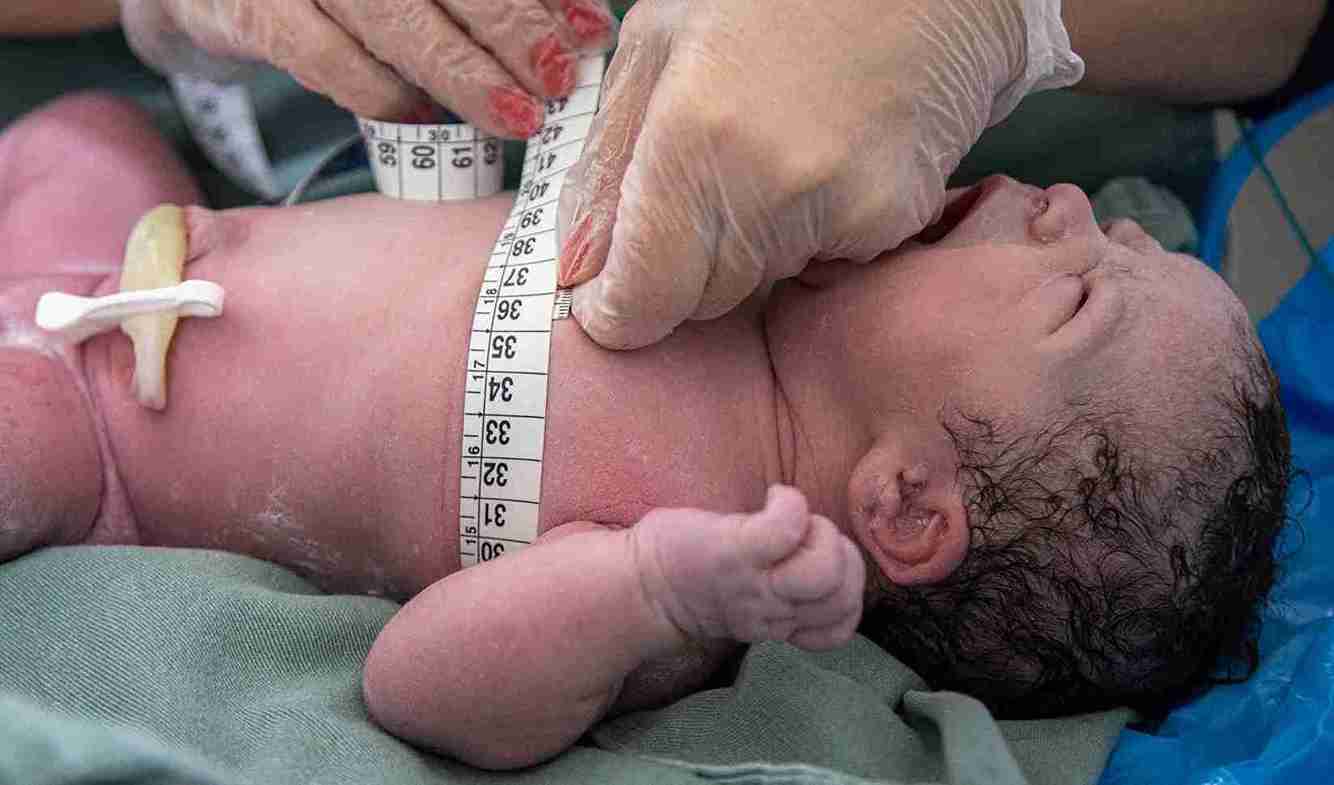
Transient tachypnea of the newborn is a condition characterised by temporary breathing difficulty due to excess fetal lung fluid that is not removed immediately after birth. The term "transient" implies temporary, and "tachypnea" implies fast breathing.
It is known that the fluid inside the baby's lungs is usually absorbed during the labour process and right after delivery. Sometimes there is still some fluid remaining, which affects the process of breathing and leads to tachypnea. This condition passes in a few days and does not cause any lasting damage to the lungs.
Tachypnea in infants is the situation when a child breathes faster than usual breathing rate which is about 30-60 breaths per minute. Although an infant can sometimes have faster breathing after crying, it is necessary to consult a doctor regarding this issue in the first days after delivery.
TTN develops when fetal lung fluid is not cleared efficiently after delivery. The retained fluid temporarily reduces the lungs' ability to exchange oxygen, leading to rapid breathing.
Some of the most common causes of tachypnea in newborns include:
TTN can develop in infants who do not have any recognisable risk factors.
Some circumstances make the development of TTN more likely, but not all infants with these risks will develop TTN.
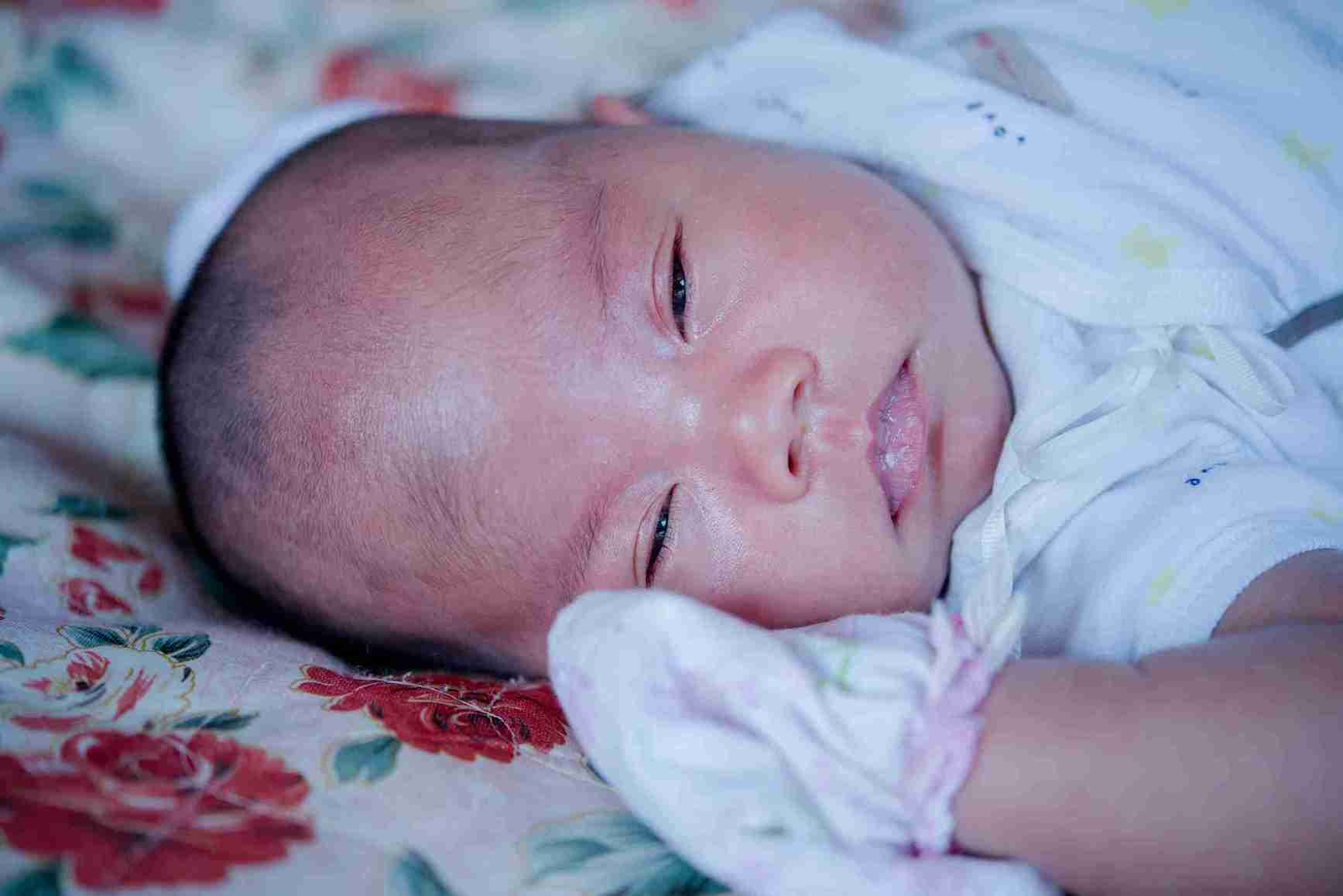
TTN symptoms typically occur shortly after birth and are not of uniform severity.
Some symptoms are:
In order to diagnose TTN, a clinical examination, patient’s history, oxygen levels test, and chest X-ray are used. In the X-ray picture, doctors can see retention of lung fluid and differentiate TTN from other respiratory diseases. Blood test might be prescribed for differential diagnosis of infections.
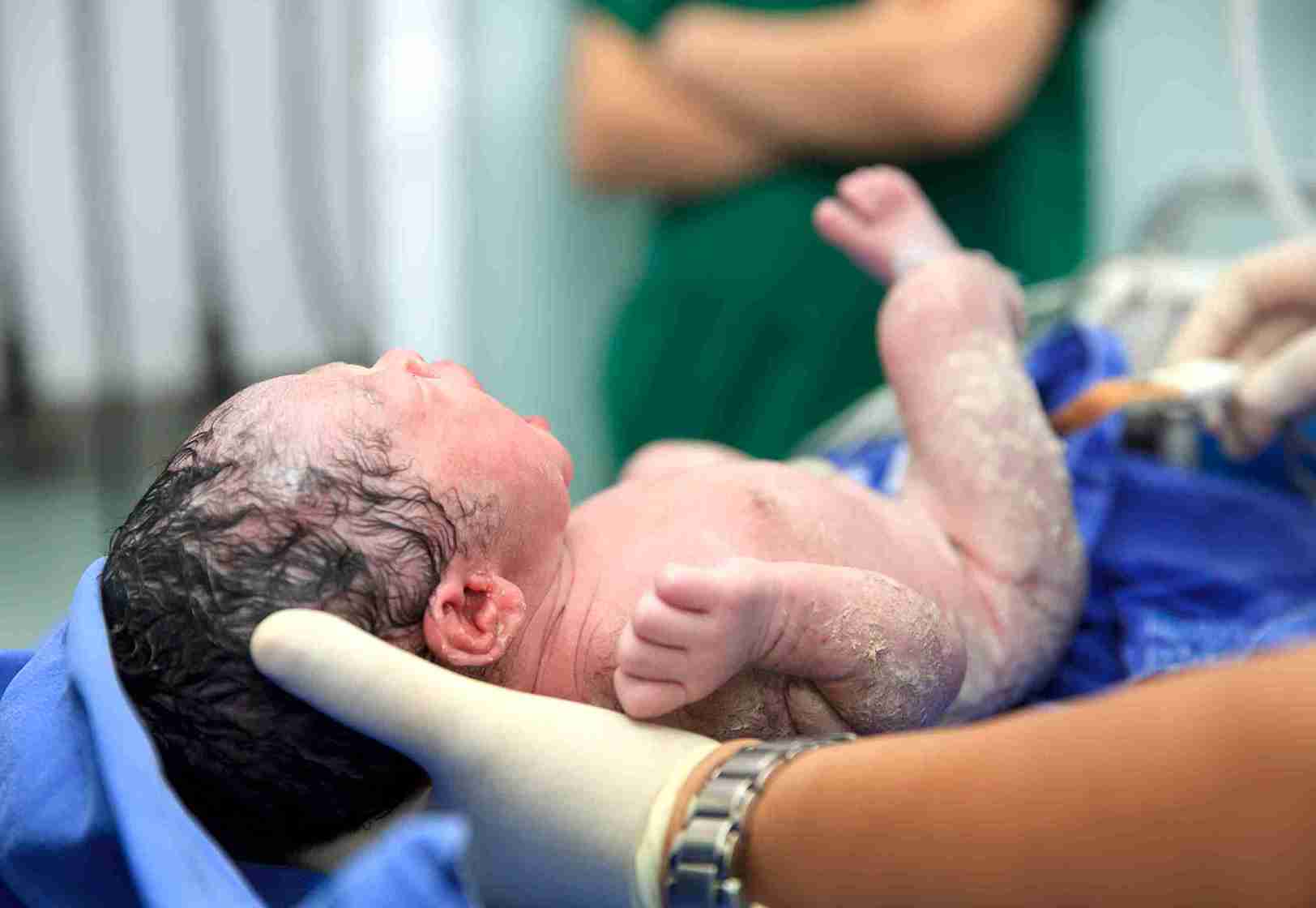
Transient tachypnea of newborn treatment involves supportive care as the baby's lungs continue to absorb the excess fluid.
Most babies will be monitored in the nursery or NICU depending on the severity of symptoms. If there is insufficient oxygen in the body, oxygen therapy will be administered. Babies who exhibit increased respiratory effort may require CPAP therapy, which helps in keeping the lungs open, while mechanical ventilation is rarely required.
In case of rapid breathing that prevents feeding, the baby will be put on IV fluids till he/she is able to feed normally.
Although antibiotics are not a treatment for TTN itself, they may be started initially if doctors cannot immediately rule out neonatal sepsis, as both conditions can present with similar symptoms.
Within 24-72 hours, most babies start showing signs of improvement, although in some cases the recovery process can take longer. The length of hospitalisation will depend on the breathing ability, feeding capability, and need for oxygen in the body.
Seek immediate medical attention if your baby has:
At Cloudnine, newborns with breathing difficulties receive prompt evaluation by experienced neonatologists. Advanced neonatal care units provide continuous monitoring, oxygen support, CPAP when needed, and feeding assistance until babies are breathing comfortably. The care team also performs appropriate investigations to distinguish TTN from infections or other respiratory conditions, ensuring timely and personalised treatment for every newborn.

While watching your baby breathe quickly may cause you anxiety, transient tachypnea of the newborn is usually just a temporary condition with an excellent prognosis. Proper treatment and management can help ensure that your baby recovers in a matter of days and returns home healthy.
Want to consult the Best Pediatrician in India? Please find the links below

TTN is caused by retained lung fluid, while Respiratory Distress Syndrome (RDS) is mainly due to insufficient surfactant in the lungs.
Symptoms usually begin within the first few hours after birth.
Yes. Babies born by elective caesarean section have a higher risk because lung fluid may not clear as effectively.
Yes, once breathing is stable. If breathing is too fast initially, temporary IV fluids or assisted feeding may be required until feeding is safe.







 Best Gynecologists in Bellandur Best Gynecologists in Electronic City Best Gynecologists in HRBR LayoutBest Gynecologists in Jayanagar Best Gynecologists in Kanakapura RoadBest Gynecologists in Malleswaram Best Gynecologists in Nagarbhavi Best Gynecologists in Old Airport RoadBest Gynecologists in Sahakarnagar Best Gynecologists in Sarjapur RoadBest Gynecologists in ThanisandraBest Gynecologists in Varthur RoadBest Gynecologists in Whitefield Best Gynecologists in Industrial Area Phase IIBest Gynecologists in OMRBest Gynecologists in T NagarBest Gynecologists in New Industrial TownBest Gynecologists in IndirapuramBest Gynecologists in Golf Course RoadBest Gynecologists in Sector 14Best Gynecologists in Sector 47Best Gynecologists in Banjara HillsBest Gynecologists in GachibowliBest Gynecologists in Hitech CityBest Gynecologists in KompallyBest Gynecologists in Gomti NagarBest Gynecologists in Phase 3, Sector 58Best Gynecologists in MaladBest Gynecologists in NerulBest Gynecologists in VashiBest Gynecologists in Kailash ColonyBest Gynecologists in PatparganjBest Gynecologists in Punjabi BaghBest Gynecologists in VikaspuriBest Gynecologists in Gaur CityBest Gynecologists in Pari ChowkBest Gynecologists in Sector 51Best Gynecologists in Sector 5 Swastik ViharBest Gynecologists in Kalyani NagarBest Gynecologists in SB RoadBest Gynecologists in Pimple SaudagarBest Pediatricians in BellandurBest Pediatricians in Electronic CityBest Pediatricians in HRBR LayoutBest Pediatricians in JayanagarBest Pediatricians in Kanakapura RoadBest Pediatricians in MalleswaramBest Pediatricians in NagarbhaviBest Pediatricians in Old Airport RoadBest Pediatricians in SahakarnagarBest Pediatricians in Sarjapur RoadBest Pediatricians in ThanisandraBest Pediatricians in Varthur RoadBest Pediatricians in WhitefieldBest Pediatricians in Industrial Area Phase IIBest Pediatricians in OMRBest Pediatricians in T NagarBest Pediatricians in New Industrial TownshipBest Pediatricians in IndirapuramBest Pediatricians in Golf Course RoadBest Pediatricians in Sector 14Best Pediatricians in Sector 47Best Pediatricians in Hitech CityBest Pediatricians in Banjara HillsBest Pediatricians in GachibowliBest Pediatricians in KompallyBest Pediatricians in Gomti NagarBest Pediatricians in Phase 3, Sector 58Best Pediatricians in MaladBest Pediatricians in NerulBest Pediatricians in VashiBest Pediatricians in Kailash ColonyBest Pediatricians in PatparganjBest Pediatricians in Punjabi BaghBest Pediatricians in VikaspuriBest Pediatricians in Gaur CityBest Pediatricians in Pari ChowkBest Pediatricians in Sector 51Best Pediatricians in Sector 5 Swastik ViharBest Pediatricians in Kalyani NagarBest Pediatricians in SB RoadBest Pediatricians in Pimple Saudagar


