





Polycystic ovary syndrome is one of the most common hormonal conditions affecting women of reproductive age, and one of the most misunderstood. After a diagnosis, the first question most women ask is: can it be cured? The straightforward answer is that PCOS cannot be cured permanently. However, that does not paint the complete picture.
PCOS symptoms and treatment are an area where the distinction between "cure" and "management" matters enormously. PCOS may not have a permanent cure, but its symptoms can often be managed effectively, helping you stay healthy, manage fertility, and live well. For many women, effective PCOS management means having the condition without letting it define their lives.
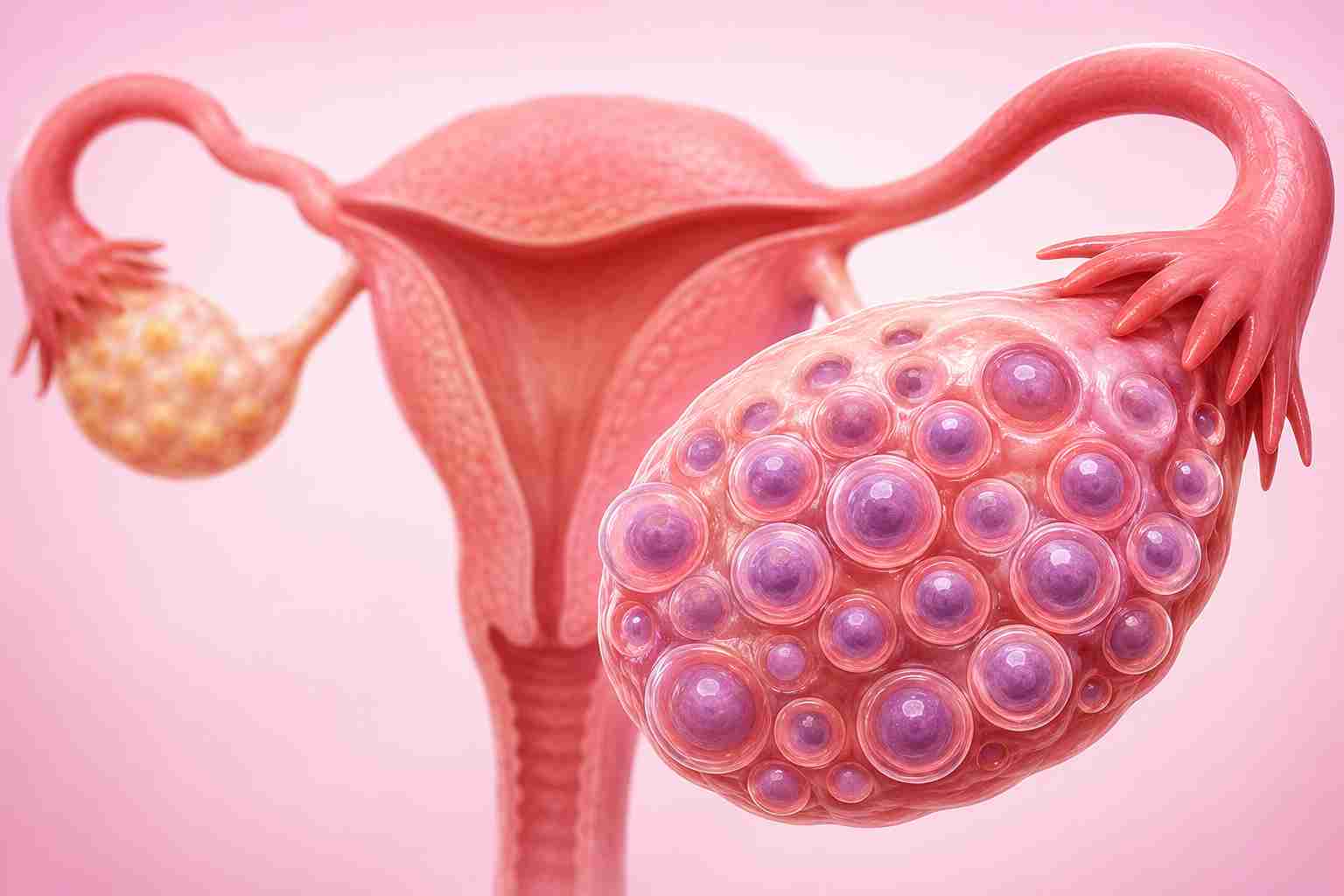
PCOS is a hormonal and metabolic condition characterised by a combination of:
Behind most of these features is insulin resistance: the body produces insulin, but the cells do not respond to it properly. To compensate, the pancreas makes more insulin. High insulin levels lead to excess androgen production, which disrupts the normal hormonal cycle and also prevents regular ovulation.
PCOS does not have a single cause and hence does not have a single treatment. The correct approach depends on the woman's symptoms affecting her quality of life.
Irregular periods: Hormonal treatment can regulate the cycle.
Acne and excess hair: Anti-androgen medications like spironolactone reduce androgen-driven symptoms.
Fertility: Ovulation induction with letrozole triggers ovulation in most women with PCOS who want to conceive.
Insulin resistance: Metformin improves insulin sensitivity, reduces androgen levels over time, and helps restore more regular cycles in women with significant insulin resistance. It also supports weight management in women, where weight is a contributing factor.
Medication manages symptoms while you are taking it. Lifestyle changes can shift the underlying hormonal and metabolic picture in ways medication alone cannot. In women with PCOS, lifestyle is treatment, not just supportive advice added to the real treatment.
The goal of dietary change in PCOS is to reduce insulin spikes, lower chronic inflammation, and support hormonal balance over time. What this looks like in an Indian diet:

Both aerobic exercise and strength training improve insulin sensitivity in women with PCOS, even without significant weight loss.
PCOS diet and exercise together are more effective than either alone. This is well-established in the clinical literature and is the reason most PCOS specialists emphasise lifestyle before or alongside medication.
For women with PCOS who are overweight, the answer is yes, and significantly.
Even a modest weight reduction of 5-7% of body weight has been shown to:
The frustrating reality is that PCOS itself makes weight loss harder through insulin resistance, hormonal disruption of hunger signals, and sometimes a slower metabolic rate. This is not a failure of effort. It is a biological feature of the condition. The strategy that works is small, consistent changes to diet and activity, maintained over months, not crash diets or extreme calorie restriction, which worsen cortisol and are unsustainable.
Hormonal imbalance PCOS does not disappear at menopause, but it does change. After menopause, periods are no longer a concern, and the fertility aspect of PCOS is no longer relevant. However, the underlying insulin resistance and the associated long-term health risks persist. Women with PCOS have a higher lifetime risk of:
These risks are not inevitable; they are driven by the same lifestyle and metabolic factors that make PCOS worse in the reproductive years. Managing PCOS well throughout life reduces these long-term risks.

For women who maintain the following habits consistently, PCOS is well-controlled in most cases:
Medication plays a role, but as a complement to lifestyle, not a replacement for it. Many women find that good lifestyle management reduces how much medication they need or allows them to come off medication during certain phases of life.
PCOS cannot be permanently cured, but it can be effectively managed such that it does not significantly affect daily life. The condition is long-term, and the approach to it needs to be too. Diet, exercise, sleep, and stress management are not temporary fixes; they are the foundation of long-term PCOS control. Medication helps, but only lifestyle changes address the underlying metabolic picture that drives the condition.

Want to consult the best gynecologists in India? Please find the links below.
Want to consult the best Maternity Packages in India? Please find the links below.

No. PCOS is a lifelong hormonal condition without a permanent cure. However, PCOS symptoms and treatment can be managed so effectively that they have minimal impact on quality of life, fertility, and long-term health. Lifestyle changes such as diet, exercise, sleep, and stress management, alongside medication when needed, can significantly control symptoms. The goal is not a cure but sustained management that reduces symptoms and long-term health risks.
There is no single best treatment; it depends on the individual's symptoms and priorities. For irregular periods, hormonal contraceptives or cyclic progestogens are used. For fertility, letrozole induces ovulation effectively. For insulin resistance, metformin improves the underlying hormonal picture. For all women, PCOS lifestyle changes of a low-glycaemic diet and regular exercise are the most powerful long-term tools and are recommended alongside any medical treatment.
Yes, significantly. PCOS lifestyle changes, especially a low-glycaemic diet replacing refined carbohydrates with ragi, oats, and whole grains alongside regular moderate exercise, directly reduce insulin resistance, which is the main driver of most PCOS symptoms. Many women with PCOS find that consistent lifestyle improvements restore more regular cycles, reduce acne and excess hair, and lower the medication doses needed to manage the condition effectively.
For overweight women with PCOS, yes. A weight reduction of just 5-7% of body weight can restore ovulation, reduce androgen levels, and improve insulin sensitivity. Hormonal imbalance in PCOS improves with modest, sustained weight loss through diet and exercise. PCOS itself makes weight loss harder through insulin resistance, so small, consistent changes over months are more effective than short, intense diets.


 Best Gynecologists in Bellandur Best Gynecologists in Electronic City Best Gynecologists in HRBR LayoutBest Gynecologists in Jayanagar Best Gynecologists in Kanakapura RoadBest Gynecologists in Malleswaram Best Gynecologists in Nagarbhavi Best Gynecologists in Old Airport RoadBest Gynecologists in Sahakarnagar Best Gynecologists in Sarjapur RoadBest Gynecologists in ThanisandraBest Gynecologists in Varthur RoadBest Gynecologists in Whitefield Best Gynecologists in Industrial Area Phase IIBest Gynecologists in OMRBest Gynecologists in T NagarBest Gynecologists in New Industrial TownBest Gynecologists in IndirapuramBest Gynecologists in Golf Course RoadBest Gynecologists in Sector 14Best Gynecologists in Sector 47Best Gynecologists in Banjara HillsBest Gynecologists in GachibowliBest Gynecologists in Hitech CityBest Gynecologists in KompallyBest Gynecologists in Gomti NagarBest Gynecologists in MaladBest Gynecologists in NerulBest Gynecologists in VashiBest Gynecologists in Kailash ColonyBest Gynecologists in PatparganjBest Gynecologists in Punjabi BaghBest Gynecologists in VikaspuriBest Gynecologists in Gaur CityBest Gynecologists in Pari ChowkBest Gynecologists in Sector 51Best Gynecologists in Sector 5 Swastik ViharBest Gynecologists in Kalyani NagarBest Gynecologists in SB RoadBest Gynecologists in Pimple SaudagarBest Pediatricians in BellandurBest Pediatricians in Electronic CityBest Pediatricians in HRBR LayoutBest Pediatricians in JayanagarBest Pediatricians in Kanakapura RoadBest Pediatricians in MalleswaramBest Pediatricians in NagarbhaviBest Pediatricians in Old Airport RoadBest Pediatricians in SahakarnagarBest Pediatricians in Sarjapur RoadBest Pediatricians in ThanisandraBest Pediatricians in Varthur RoadBest Pediatricians in WhitefieldBest Pediatricians in Industrial Area Phase IIBest Pediatricians in OMRBest Pediatricians in T NagarBest Pediatricians in New Industrial TownshipBest Pediatricians in IndirapuramBest Pediatricians in Golf Course RoadBest Pediatricians in Sector 14Best Pediatricians in Sector 47Best Pediatricians in Hitech CityBest Pediatricians in Banjara HillsBest Pediatricians in GachibowliBest Pediatricians in KompallyBest Pediatricians in Gomti NagarBest Pediatricians in MaladBest Pediatricians in NerulBest Pediatricians in VashiBest Pediatricians in Kailash ColonyBest Pediatricians in PatparganjBest Pediatricians in Punjabi BaghBest Pediatricians in VikaspuriBest Pediatricians in Gaur CityBest Pediatricians in Pari ChowkBest Pediatricians in Sector 51Best Pediatricians in Sector 5 Swastik ViharBest Pediatricians in Kalyani NagarBest Pediatricians in SB RoadBest Pediatricians in Pimple Saudagar


